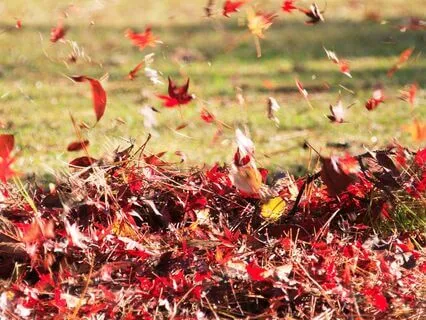
There are two Zen students in the monastery and they're looking up at the flag on the flagpole and they're having a debate about whether the flag is moving or whether the wind is moving the flag.
So they're going back and forth with this and then the Zen master happens to walk by and he chimes in.
It is the mind that is moving.
And so what the master was pointing out was that life is happening.
All of life is happening.
Conditions coming together,
Shifting,
Changing moment by moment,
But all happening,
Right?
The wind,
The flags,
The rain,
The sun,
People coming together,
People coming apart,
Right?
This is all just happening.
But what he was really trying to point out to them was that pay attention to the mind moving,
The mind creating some narrative around what's happening.
Dividing,
Perceiving,
Interpreting,
And really giving it this tilt,
This angle towards it's all about me,
Making it all very personal about me.
So when we have these moments where we're trying to meditate,
We're trying to sleep,
We're trying to sit and just sit a peaceful moment with our book and we hear a sound,
Right?
The sound happening,
Right?
Trillions of sounds happening right now all around the globe.
We can notice how the mind goes out and makes the sound about me,
Right?
That it's a happening about me,
That the sound shouldn't be happening.
The sound's disturbing,
It's unpleasant.
They shouldn't be doing the dishes while I'm trying to meditate.
They shouldn't be mowing the lawn when I'm trying to meditate.
They shouldn't be playing the music when I'm trying to sleep or when I'm trying to sit here and read my book peacefully.
That we make the disturbance,
The mind keeps moving,
Making the sound seem like it's the disturbance when really it's the mind moving and the mind making this happening to me.
This is all happening to me.
And so I feel that this is due to a mind that is conditioned by a culture that emphasizes the individual above everything else.
That what I want matters most.
That my needs,
My preferences are what's most important.
And really putting ourselves as the center of the universe,
Right?
That we're all seeing ourselves as the center of the universe yet we can't all be the center of the universe and yet this is the view that we have.
And so life is happening,
The world is happening,
Conditions coming together,
Shifting,
Changing.
This is what is happening.
There's always something happening.
But the mind makes it all about me.
The fuel behind the movement of the mind is that it's all about me.
And so if it's all about me,
If I see myself as the center of the universe,
I,
Me,
The individual and the most important thing,
Well then I better be perfect.
I better always be my best.
No one should ever disagree with me.
No one should dislike me.
No one should disappoint me.
Everyone should do what I want them to do.
I should never get stuck in traffic.
My flight should never be delayed.
I should never get stuck on hold with customer service.
That this is the view in which we see everything because I am the center of the universe.
And so anytime one of those conditions is not met,
Which we know is quite often,
The mind starts moving again,
Moving towards suffering.
And so what we're doing here in particular is we are paying very close attention to the mind's movement on behalf of something,
Someone.
This belief that I am a separate,
Independent,
Inherently existing self,
Me,
The center of the universe.
That's what the mind's movement is on behalf of.
And so what we do here each week with Dharma talks and reminders of our practices of mindfulness,
Of self-compassion,
Of self-inquiry,
Of compassion,
Not to get attached to the practices,
But they are trying to help us see that there is no solid,
Independent,
Separate self there.
It is just a mental activity,
A process,
That there is nothing separate and solid here.
It feels like it,
Particularly when the mind is moving so fast,
But it is all just a mental activity.
And the more that we investigate this,
The more that we look at the separate self of what we take to be the separate self,
It becomes more and more obvious that we were never the center of the universe.
We have always been a part of it.
And so even if we just get glimpses,
And it's okay that we're just getting glimpses,
Right?
As we get these glimpses,
These little knowings,
Little understandings of seeing how life is unfolding,
It's not happening to you.
It's not happening for you.
It's happening.
It's just happening.
And the more that we see this,
It takes the fuel out of the movement of the mind,
That you're a happening.
Each of us is happening,
Not separate from anything,
A part of this.
And it changes everything when we see this,
Because we understand that nothing is personal.
That unpleasant text you got,
That email that criticized you,
That rude person,
The difficult person,
The loud neighbor,
The coffee order that got messed up,
None of that is personal.
It's just happening.
This is just life happening.
There's nothing here to defend,
Nothing here that needs to set the record straight,
Prove a point.
It's just all happening.
And part of the human happening is we get unpleasant texts.
We get unpleasant emails.
We have to deal with unpleasant people,
Difficult people.
Things don't always go the way we would like them to go.
That is the reality of the human happening,
A part of the human happening.
If this were happening to only you and no one else on the planet,
Then sure,
We could say it's personal.
But it's not happening to just you.
It's happening to all of us.
This is part of our experience,
Right?
This is what's happening as a human in the 21st century,
In the year 2025.
These are the types of things that we encounter.
And so when we receive a text,
An unpleasant text,
And so quickly the mind starts moving,
Right?
It starts,
Oh,
This shouldn't be happening.
They shouldn't have spoke to me this way.
This is so overwhelming,
Right?
That narrative starts to build up so much that this is happening to me,
Right?
And again,
Like we've said this many,
Many times,
You're not going to catch it beforehand.
You will never catch it before.
It is too fast.
But you catch it afterwards,
Right?
Once it starts building and you start noticing that,
Oh,
That kind of,
You know,
Almost feeling the weight of the building blocks of the narrative on your back,
It starts to become this heaviness.
The world starts closing in.
And we can notice,
Who is this happening to?
Who's upset?
Who's angry?
Who is this happening to?
Because every time we do that,
Every time we ask,
Who is this happening to?
Before there was a belief,
There was a me,
A solid,
Independent me that this was happening to.
And it was so outraged.
And it has this big story around it.
But then we shine the light on it.
We ask the question,
Who is this happening to?
And it was just some mental activity,
A process.
That's all that was happening.
Conditions coming together,
Right?
Like we used the example of the sand shifting,
Right?
Conditions coming together,
Changing.
Coming together,
Changing,
Right?
The condition of the movement of the mind,
Right?
Oh,
Those conditions coming together,
That's what's happening.
Okay,
Now I'm aware of it.
Oh,
Who's upset?
Right?
To just keep pointing the finger back on it,
To keep seeing,
Because this is how we take the fuel out of the movement from the mind.
If there's not something solid,
Independent here that it is,
That all of this mind activity is happening on behalf of,
Once we pull that out,
It all falls apart.
And so,
Of course,
Most of us do quite well with this at home when we're on our own.
We can deal with the text.
We can deal with the email.
We can deal with the burnt toast,
Right?
We can kind of like,
Oh,
Yeah,
Yeah.
Who's upset about the burnt toast,
Right?
Oh,
Yeah,
I see.
There's no one there.
And there's a sense of freedom and a sense of release.
It's like,
Oh,
This is amazing.
I'm just letting go.
I'm letting go.
I'm letting go.
And then we have to start interacting with other people.
And sometimes,
Sometimes the interactions go well.
We're not thinking about ourselves during the conversations.
We're not doubting ourselves.
We're not wondering what everyone's thinking about us.
And it's like,
Oh,
That went pretty well.
But then a lot of the times,
We know,
We know what happens.
The doubting mind starts coming in,
The questioning,
And the,
Oh,
I want to say this.
Or then we're replaying it afterwards,
And we're thinking,
My God,
I can do this when I'm at home alone,
But I just cannot do this when I'm around other people,
Right?
And this is what we,
At this point,
Just to recognize,
Who is it that's upset that they weren't present back there?
Right?
Because we always kind of think like,
No,
No,
No,
No,
No,
I should have,
I should have caught it back there.
And so we stay trapped in this narrative again.
And it's like,
No,
You caught it.
You just caught it a little later.
That's all.
Right?
So to expect that,
Yes,
There are difficulties when we're around other people,
When we're interacting with others.
And not to get lost in that narrative,
That I can only do this when I'm by myself.
Because that's just setting up another condition for us,
Right?
It's setting up another kind of,
Another framework that I can only operate like this,
That I can only be present,
You know,
When I'm by myself,
When I'm not having to,
You know,
Speak to someone else,
When there's not the possibility of saying something that maybe came across a little bit awkward,
Or having there was an awkward silence or something,
Right?
It's just to notice,
To notice,
Even in those moments in interacting with others,
Just the moment that you catch it,
Oh,
There it is.
There's the narrative that I can't do this around other people.
Who can't do this around other people?
And every time you say that,
No,
Oh,
Oh,
Okay.
Okay,
I'm back.
Okay.
Right?
Or I should say I'm gone.
The separate self is gone in that moment.
So expect that.
Expect that around other people.
You just caught it a little bit late.
This isn't about being perfect around others.
It's not about,
You know,
Never saying the wrong thing,
About not making a fool of yourself.
It's just,
It's the catching of the narrative that we build around something that was,
Of what's happening.
So the who,
The what,
The why,
The where,
The when,
The how,
None of that matters.
The narrative itself does not matter.
What matters is on whose behalf is this narrative taking place?
Just to keep questioning,
Who is it that's bothered by this?
Who is it that's upset that they didn't say the right thing earlier?
Who is it that's upset by this criticism?
Because every time,
Every time you see it,
And what you see is that there is no solid,
Independent,
Separate self,
You let go.
And all the movement in the mind is stopped.
The fuel comes completely out of it,
Because there's nothing here that it's doing this on the behalf of.
And it is so important that we keep looking for this,
That we go beyond,
Beyond even just mindfulness of our feelings.
Right?
So when we get to that investigation,
And I'm not saying feel,
Feel what's here.
Of course,
That's a very healthy practice,
A helpful practice to not turn away from what's happening.
But to then keep going to that next step and investigating,
Who was it that felt unhappy?
Who was it that felt disrespected?
Who was it that felt shame?
Who was it that felt guilt?
To keep pointing a light on it to see that everything that's happening here is a process,
An activity.
But the more that we see,
The more that we think we're the center of the universe,
And that I'm the solid,
Independent self,
That gives the mind the fuel to defend it,
To need to prove it's right,
To need to set the record straight.
Right?
That's where all the fuel comes from.
And so I wouldn't say that this view means that,
You know,
We don't care about things.
It's not an excuse to not turn up when we said we were going to turn up or not to do something that we said we were going to do.
I mean,
That would really just be more of the separate self kind of taking this and using it for its advantage.
Oh,
There's no one there.
It doesn't matter anyway.
Right?
And so every time we cast a light and we see that there is no separate,
Independent,
Inherently existing self here,
It's not to take this into a place of ambivalence,
Of indifference.
It's taking that sense of me being the most important thing in the world,
Me being the center of the universe,
Out of the way,
So that,
In fact,
We can see things more clearly.
Because maybe then,
Now without the me needing to offend myself,
Oh,
This is why I did that,
This is what happened over here,
And kind of going on this long tirade,
I can just see,
Oh,
I can see where they misunderstood that.
Yeah,
I can see where I misunderstood that now.
And now maybe I can reply and just say,
I'm sorry,
There was a total misunderstanding on my part.
My apologies.
Right?
Or we take whatever is the appropriate action.
Because I find the separate self,
Once you get all wrapped up in it,
And you're defending and you're proving and telling,
You know,
Oh,
I'm right,
I'm right,
I'm right,
It often paralyzes us.
And we feel so threatened,
And we feel so attached to our view that I'm right,
It often prevents us from doing,
Taking the action that's healthy in our relationships,
That's healthy for us,
That's more balanced,
More at ease with others in our relationships.
And so,
Really,
The way that I see this is there's really just two models.
There's the default model,
The model of,
I'm the center of the universe,
What I want is most important,
My needs are most important,
My preferences are most important,
And everyone has to do what I want them to do,
And no one can criticize me,
And I always have to be the best,
And I always have to be perfect.
And this leads to a lot of suffering,
Or what I would argue the model that is based in reality,
That conditions are continuously coming together and changing,
Including here,
That I am a part of this happening,
Not separate from it,
That there is nothing solid and independent here,
And therefore,
There is nothing to take personal here.
So,
Seeing that I'm a part of the universe,
I'm part of the happening,
Not separate,
Leading to freedom,
Leading to peace.
And every time I question that first model of believing that there is a separate independent self,
It leads me to the second model,
That I am a part of the universe,
That this isn't happening to me,
It's not happening for me,
It's all just happening.
And I can take my hands,
My white knuckling fingers and fists off the steering wheel,
And not take life so personally,
Not take life so seriously,
But instead,
To see how things are flowing moment by moment,
Conditions coming together and changing moment by moment by moment,
That it's all happening,
The flag,
The wind,
But the mind coming in,
The movement of the mind,
And twisting,
I'm literally twisting everything to make it about me,
Is not happening,
It's distorting reality.
There's no freedom in that.
It's a prison,
It's a self-made prison,
When we see ourselves as the center of the universe.
So,
We're not going to change the culture,
We're not going to change what other people are doing,
This isn't to get other people to see this,
This is for us to just see this moment by moment,
Every time there's that feeling of getting caught up in it,
No matter what it is,
No matter what the narrative is,
Who is this happening to?
And every time we ask the question that way,
It kind of short circuits the narrative in a way that kind of flips it around,
Right?
Because it falls out,
And all of a sudden,
Everything opens up,
And there's a seeing that,
Oh,
This is all just happening,
I was just lost again in it.
And no beating ourselves up for it,
Because that's the conditioning,
Right?
This is the conditioning that we've all had.
And yeah,
When we interact with other people,
It tends to come out a little bit more.
So,
Just if you catch it a little bit later at those times,
No problem,
No problem.
Because every time you catch it,
You are getting a glimpse then,
Into what I would say is reality,
That all of this is just happening,
And you are part of this happening,
Not separate from it,
A part of it.
And there's freedom in that,
There's peace in that,
There's ease in that when we don't have to carry around this burden of making everything about me.
It's a nightmare,
Making everything about me,
Trying to be some kind of,
Some type of idealistic view of perfection,
It's never going to happen.
Okay,
Not perfect,
No problem,
No problem.
Because whatever the conditions are that are arising in that moment are the conditions,
Right?
If you fall and trip in front of a group of people,
Those were the conditions.
Embarrassments arising for a few moments,
No problem,
Feel it,
Right?
Feel it,
Don't get caught up in it,
There's nothing here,
Solid,
Independent,
Feeling it,
But yeah,
You can feel the embarrassment.
Yeah,
Kind of laugh about it yourself,
Right?
Because there's nothing here to feel embarrassed.
And so,
Just in that,
There's a little bit of space between you and what's happened,
Like,
Yeah,
It's a little bit unpleasant,
Not our best moment,
And keep moving,
Right?
And we keep moving as a part of the universe,
Fluid,
Flowing,
Right?
Not continuously stopping and turning everything to me,
The center of the universe,
But seeing the reality that we are a part of the universe,
That we could never not be a part of this.
It's just the conditioning of our mind and the movement of the mind that tricks us into believing this.
So,
It's so important,
So important that we keep questioning it again and again,
To see for ourselves.
Every time you question,
I'm the center of the universe,
That idea that we are imagining something solid here,
It leads us back to the reality that we are a part of the universe.
Always have been,
Always will be a part of it,
With our wins,
With our losses,
With our highs and our lows,
Just a part of it.
Enjoy the ride.
Don't get caught up that there's someone here,
Independent,
Solid,
Having the ride,
And that it needs to go a certain way.
It's all just happening.
You are just happening.
Don't add anything else on top of that,
And just question each time that you do.
Just question it.
Keep questioning.
Okay.
I think that's good.
I see a lot of questions already coming up.
So,
What are you saying,
Felipa?
The cut finger is just causes and conditions.
The foil wrapper just cut the skin on the physical form.
Yeah,
I mean,
Those are the cause and conditions.
Pain arising.
Yeah,
Pain here.
Yeah.
And it's okay.
It's okay to feel the pain,
Right?
Because that's what's arising.
Yeah.
Yeah,
And Sandy,
A lot of white knuckling around the phone.
A lot of it around the phone.
Yeah,
And just see that,
And you can just,
Ah,
See that holding,
And just set the phone down,
Right?
Feel the feeling of the grasping inside,
Right,
At the phone.
You don't even have to be holding the phone,
The grasping.
I want the phone.
And just feel the grasping.
Set it down,
Or maybe you're not even touching,
But just feel the grasping there,
Right?
We don't want to push back on what's happening.
If grasping was happening,
We don't want to keep getting lost in the mind.
We don't want to stay in the story,
In the narrative of it being turned towards this is happening to me.
But to come into the feelings that are here,
Right?
The feelings are real.
The physical sensations of grasping,
Like,
Oh,
My God,
Yeah,
That contraction.
We just come in,
And we feel it,
And we breathe.
Okay,
No problem.
Wow,
Ooh,
That's what grasping feels like.
Yeah.
Who was grasping,
Right?
Go that extra step,
Too.
Who was grasping?
I don't know.
I can't find it.
Right,
It was just a mental activity.
Something,
Again,
The habit of wanting the phone,
Right?
And the phone,
Of course,
The phone playing off of our motivation reward pathway,
A survival pathway in our brain,
Right?
All of the little things in the phone,
Right,
Playing off of this pathway.
So there's a craving,
There's a grasping towards it,
Right?
No beating ourselves up,
No judgment for it.
But just to,
Ooh,
It's happening,
There was grasping.
Feel it,
Ooh.
Because whatever you were reaching from the phone,
You weren't going to find what you were looking for,
Which what you were looking for is peace,
Satiation,
Contentment.
The motivation reward pathway is not about contentment.
It's about searching,
And searching,
And searching,
And searching.
It's the hunt.
It's the hunt.
That's why the scrolling works.
Oh,
The hunt doesn't feel good,
Right?
As you're doing it,
It doesn't feel good.
So you set the phone down,
You recognize,
Oh,
Let me feel the grasping,
Right?
The grasping that said it needed something outside of it to feel good,
To feel satisfied.
And then by coming in and feeling the grasping,
The physical sensations in the body,
The tension,
The tightness in the shoulders,
The hunching,
The everything kind of tense,
And you're not pushing anything away,
But you're breathing into it and creating space for all that tension.
And it starts to soften.
And you're here with what's happening,
No longer in the me that needed something.
And you notice like,
Oh,
Actually,
I feel okay now.
Who was it that didn't feel okay a moment ago?
I can't find it.
Well,
If it's not here now,
Was it here at all?
Right?
This is why the asking of the question is so important,
To keep pointing this finger on,
This spotlight on it.
It's running the whole show.
It's driving the car off the cliff,
Literally.
And yet,
Every time we look for it,
We're like,
It's not there.
It's not there.
It's a mental process and activity that has been so conditioned to believe that there is a little solid me,
Independent me at the center here,
An inherently existing me.
But it's just been a belief that when we investigate,
We find isn't true,
Isn't true at all,
And is really what's binding us to all of our suffering.
Not meaning that we don't experience pain in the world.
Felipa is experiencing perhaps some pain from being cut.
Those little cuts,
The little foil wrap,
You know,
The little like the paper cuts,
Those can be quite painful.
Right?
Or a relationship is,
You know,
There's some challenges in a relationship.
Like,
Yeah,
There can be some sadness around that.
There can be some,
Even I would say the disappointment of it without building it into me disappointed.
But just,
Yeah,
I can feel the disappointment.
I can feel the sadness of that relationship's a little bit,
A little bit unsteady right now.
But there's still a sense of openness and freedom when we don't make it about me,
Because things are always changing.
Relationships are changing.
How we're feeling,
Whether we're experiencing pain or comfort,
Whether we're tired or whether we've got a lot of energy,
Whether we've got a lot going on with work or other activities,
Or whether we don't have a lot going on,
Right?
Things are just always changing.
How we're feeling from one moment to the next,
I mean,
Changing constantly.
And so it's not to get attached to any of that.
It's not to deny any of what's happening.
If something's happening,
You see someone you love and they're suffering,
Right?
We wouldn't dare say to them,
Oh,
That's not happening,
Right?
There would be no wisdom.
There would be no compassion in that,
Right?
So we want to make sure also that we're not,
We don't take these teachings and that we don't,
That we use it as an excuse to avoid feeling,
Feeling discomfort in particular.
We're seeing someone who's suffering.
And in the feeling of discomfort around there,
Sometimes,
And we've seen this happen where people want to go,
Oh,
Your suffering isn't real.
I would never say that to someone.
That would be so unkind.
And it would just be,
It would really be,
In that moment,
I'm saying it to try and relieve my own suffering.
There's discomfort here.
There's pain here.
There's grief here.
There's compassion here,
Right?
And so I wouldn't say it to someone else.
I would just be there with them in their suffering.
And a lot of the times,
Being with someone in their suffering,
In their pain,
Is just being there.
You don't have to say anything or just to even say,
I'm here.
You know,
Hey,
You're not alone.
You're not alone,
Right?
We don't have to come up with the answers.
We don't have to try and turn this into a teaching moment for them,
Especially if they're not familiar with these teachings.
This can kind of come across as like,
You know,
When someone's suffering,
It feels very real to them,
Just as it feels very real to us,
Right?
So this is for us to see our own separate self,
Not to point it out to others that their separate self isn't real.
It's just for us to see that,
To understand conditions are always changing,
Constantly changing.
There's nothing solid here that this is happening to.
And in that,
There's just a constant letting go,
Just a constant letting go.
There was some,
You were with someone that was suffering a little while back,
Right?
And compassion is really being able to be with someone's pain,
Be with their suffering without taking it on,
Without being overwhelmed by it,
But being fully present there with them in their suffering,
In their pain.
And then when it's over,
I mean,
Of course,
There's still a little bit of the residual feelings there,
But we don't carry it with us onto the next thing,
Right?
There's,
Okay,
I was fully there and present for that,
Right?
And now we're fully here and present for what's happening here,
Right?
So we don't keep stacking on that I can only,
You know,
It kind of limits the amount of compassion or the amount of,
Let's say,
Empathy we can have for people because we start to feel like,
Oh,
I'm taking it all on,
I can only take on so much.
And so true compassion is being with someone in their pain and suffering,
Not making it about us.
It's not happening to me,
But we can feel it,
We can be fully present with it.
And then when it's over,
Right,
It's kind of,
We leave it there as best we can,
We leave as much there as we possibly can.
So that we're open again,
We're present for what's next,
Because maybe we come across another friend that's suffering,
An animal that's suffering,
Right?
Or then it's our suffering,
Right?
And so that we want to make sure that we're not taking these things on as we go from one thing to the next.
And that's what the separate self does,
Right?
It takes on,
It takes on like,
Oh,
Well,
You know,
This happened this morning,
And this was such a nightmare.
And then that happened later.
And then this person did this,
And I just can't take it anymore.
And I've got this all to end,
You know,
This all has to end,
Right?
It stacks,
It adds on to itself,
This massive story that it'll go,
And last week,
This happened.
And then two weeks ago,
This happened.
And I'm not denying that all of those things probably happened.
But then we get to this point where we're just so overwhelmed by all of it.
And we keep adding to the narrative,
Instead of recognizing,
Oh,
There's just a lot going on.
Oh,
Okay,
That's what's happening.
There is a lot going on.
Maybe someone you love is really sick.
You're having some challenges with your partner,
There's some difficulties happening at work,
Or there's a big project,
A big deadline due.
So yeah,
There's a lot of things happening,
Right?
There's a lot of things happening.
But we don't want to build a narrative,
It's happening to me.
We can acknowledge reality.
Yeah,
There's a lot happening.
And you can notice the difference in that,
In saying,
There's a lot happening.
Yeah.
Yeah.
There's a lot happening.
There's just a lightness,
A spaciousness to it,
In the acknowledgement of,
Yeah,
There's just a lot happening.
And it won't always be like this.
Oh,
Yeah.
But we keep dragging and looking for more reasons to justify why we're feeling so overwhelmed,
Making us feel even more overwhelmed,
Instead of just acknowledging there's a lot going on right now.
Yeah.
That's what's happening.
And just notice,
See for yourself.
This is all to see for yourself.
That we take what you're hearing here in the talks,
And you look for yourself to see the separate self,
To see if it really exists or not.
That you use mindfulness as well to feel the feelings,
What's here,
And then investigate who was it that was jealous,
Who was it that felt shame,
To keep,
Again,
Putting a spotlight on it,
To see for yourself that when you acknowledge there's just a lot going on,
How do you feel?
Does it feel better?
Right?
The proof is in the pudding.
Does it feel better?
Alice,
I'm going to have to go back to what Philippa said about there's no me,
No finger,
Because I'm not sure what she meant by that.
So I'm going to come back to that.
So Terry,
Does this mean there is no A or the story?
Who's A?
There's no person behind the story.
There's no individual,
Independent,
Separate being.
There is something here.
Each of us,
Terry,
You exist,
Alice,
Philippa,
We all exist.
Every one of us exists.
But we exist as an interdependent,
Interconnected process,
Changing moment by moment by moment.
Terry,
You are who you are because of all of the trillions and trillions and trillions and trillions of previous causes and conditions,
Where you were born,
The types of parents you had,
What's your DNA,
The DNA of both your parents,
How that came together,
What kind of school you went to,
What type of people you hung out with,
What type of media you were exposed to,
What type of media you weren't exposed to,
What kinds of experiences you had as a kid,
What kinds of experiences you didn't have as a kid.
And all of these things are just conditions coming together and shaping us,
Right?
So there's something here.
We always want to be clear on that.
There is something here.
Yes,
There is something here.
But there's not a separate,
Independent,
Solid me.
And every time we get lost in our thoughts about it,
That's when we split ourselves in two.
It's like the example I used the other week,
Where you're having a massage,
Feeling happening,
Right?
Nice touches,
Nice sensations happening,
Nice sounds.
They're probably playing some nice music,
Some nice smells.
They're probably using some essential oils.
That's what's happening.
Terry having the massage,
Nice feelings,
Pleasant sounds,
Pleasant smells.
And then Terry starts thinking about the massage.
Oh,
I really want to have more of this massage.
This feels really good.
How can I have more of the massages?
You know,
I really,
Because I'm so stressed all the time.
When can I put more into this bit?
You know,
They really cost a lot of money,
But I want more of this.
And so now Terry is now no longer really directly experiencing the massage.
Terry is thinking about how can I get more massages while having the massage,
Right?
Not even fully here now,
Having the massage,
Thinking about trying to get more of it.
Because this separate me,
The thought-created me is insatiable.
You can be having the very thing,
Right?
We can be sitting there eating our lunch all morning,
Thinking about what am I going to have for lunch,
Eating lunch,
Thinking about what we're going to make for dinner,
Right?
Because whatever we get to,
Then it's like,
Oh,
I want more.
I want more.
I've got to keep adding on to this.
It's always about more.
So there is something here,
Being,
And we experience the world through our sensations,
Sight,
Sound,
Touch,
Smell,
Taste.
That's how we experience it,
Right?
And in Buddhism and the mind,
Right,
There's thinking.
Thinking is not a problem,
Right?
But then it's this layering on of interpretation,
The perceiving it about me,
Right?
This is when things start getting warped.
And this is where I'm no longer experiencing the world directly.
I'm no longer being.
Now I'm commenting on what's happening here.
And I'm either liking it,
I want more,
Or I'm not liking it,
And I'm trying to push it away.
So it's always disconnecting us from being.
And I find that it's always doing this in a way that's rather unpleasant.
Because it's,
We walk away from a conversation that was perfectly pleasant.
It was perfectly fine.
It was good.
We had a nice interaction with someone.
A separate self comes in.
Now let's start reviewing it.
Now let's start thinking about what you said.
Oh,
Oh my God,
Did you say that?
That you're such an idiot.
They must think you're such a fool.
Meanwhile,
The other person has walked away.
They're thinking the same thing.
Instead of conditions coming together,
The happening was two people came together,
Knew each other,
Had a conversation.
And then those conditions changed.
No longer that conversation,
No longer happening.
But we keep it going in our heads.
And in our heads,
It's not that we go,
Oh yes,
That was all good.
We keep kind of going over it,
Looking for the problem.
Oh,
Where did I say the wrong thing?
Where could I have elaborated better on that?
Where could I have looked more spiritual,
More peaceful?
Where could I have looked smarter?
Right?
We're always trying to,
I should have done something a little better.
I should have not done something so bad.
Right?
It keeps going over it again and again and again,
Just feeding on it.
Right?
And so that's,
Again,
Now I've separated myself.
I'm no longer with what's happening.
I've turned this whole conversation to about me.
And the conversation now is about how I am appearing in the conversation,
Not as smart or witty or peaceful as I wanted to appear.
And so now I'm feeling down about myself and,
Oh,
How can I come up with a solution to this?
And let me just think,
You know what?
I should just never talk to anyone again,
Because apparently I can't do this without saying something wrong.
Right?
And this is what a lot of people come to this kind of,
I just can't be around people.
It's like,
Just stop rehashing the conversations in your head.
That's what was happening for a while,
Came together,
And then changed.
So there is something,
Terry,
Here.
There is a reality to us here.
Yes.
There's a form.
Right?
There's feelings.
There's perceptions.
There's consciousness.
Right?
Consciousness of seeing consciousness,
Hearing consciousness,
Tasting consciousness,
Smelling consciousness,
Feeling consciousness.
Right?
All of this is happening.
Right?
Mental formations,
All of this happening.
But it's all constantly changing and based on all of the conditions.
It's all changing based.
So whatever is arising is just,
It's,
So again,
The example of the sand,
Like the sand,
The wind is coming,
The wind is really strong,
And then the waves are coming in.
So the sand gets moved around,
And it gets into these different shapes based on these different conditions.
And what I'm saying is,
There is no difference here.
All the different conditions giving rise to us.
We think that we're the ones here directing all this,
And there's something independent and solid here that can feel badly about what it just did.
Right?
That's what we perceive.
And then we walk around all day lost in our heads,
Feeling badly about ourselves.
Not here.
Not present.
Missing the whole thing.
Missing the whole ride.
Because we're constantly commenting and narrating and judging and comparing and chasing and resisting.
And this is all just happening up in our heads in this alternative reality.
Believing there's a little me at the You,
Terry,
Are real.
You exist.
Not as a permanent entity,
Because you come into being,
You've been,
I don't know how long you've been on this earth,
30 years,
40 years,
80 years,
Right?
But you're coming into being,
Changing,
Changing,
Changing,
Changing,
Changing.
None of us look the same as we did when we were two years old,
As we were 10 years old,
As we were 20,
As we were 30,
As we were 40,
As we were 50.
Right?
Didn't have the same kinds of thoughts.
Didn't have the same kinds of preferences.
Right?
Always changing.
This here,
Always changing.
Don't get stuck on it.
It's always changing.
Right?
So yes,
There is something here.
The best way that I keep describing an interdependent,
Interconnected,
Impermanent being.
There is nothing here that is solid and independent that could ever hold on to anything outside of it.
Because not only is there nothing impermanent anywhere in the universe,
There's nothing here that could possibly even hold on to it.
There's just this appearance of something that's solid and permanent in our minds.
But when we cast that light on it,
What we see is that it's not there.
It was just a mental activity that gave us the assumption that there was a permanent,
Separate,
Inherently existing self.
But then when we looked for it,
It's just arising through causes and conditions too.
And the conditioning of,
I feel the conditioning of,
A culture,
A society that very much values the individual.
Right?
It centers all the thinking on the self.
Makes us self-centered,
Egocentric.
If we had conditions where we were brought up in a different type of culture,
Maybe a smaller culture of compassion,
And kindness,
And sharing,
And living in harmony with nature,
Not taking more than we need,
The mind would be conditioned very differently.
There would still be a knowledge of a self here,
Right?
And I think that that is helpful to understand that,
That there is,
Conventionally speaking,
Meredith is,
Well,
Meredith is here.
Yes,
Meredith is here.
She isn't impermanent,
But Meredith is here right now.
There is someone here that is having a unique experience a little different than Kathy,
Right?
Kathy living in England,
Meredith living in Mexico.
Not too different in the separate self because we do tend to feed on the same things in there,
But yeah,
There is a little bit of a different experience and things that Meredith likes to do versus what Kathy likes to do,
What Terry likes to do.
There is a unique viewpoint here.
Every,
All of these causes and conditions for each of us,
There is a unique viewpoint of what's arising.
And so,
But that's it.
It's not solid.
There's nothing independent here.
There's nothing,
Whatever is always happening here is just constantly changing.
There's nothing to hold on to.
There's nothing to,
There's nowhere to land.
It's just constantly changing.
And that's the freedom,
The lightness,
The flow that everyone says,
Oh,
They want all that,
But they want to bring the separate self along with it.
You can't,
The separate self cannot be here with it,
Right?
It is,
It's what keeps blocking up the river,
Blocking,
You know,
Making a dam,
A perceived dam,
Right?
And instead we just flow as the river,
No two moments the same.
Yeah,
Paul,
Just as you're saying a unique trajectory of impermanence,
Absolutely a unique trajectory of impermanence,
Right?
But your unique trajectory of impermanence is for sure influencing the unique trajectory of impermanence here.
Just the fact that you used those words,
And then they were read here,
And now they're being said,
Right?
And so it's all,
We're all,
We are all affecting each other,
Right?
And so,
You know,
This is where,
Scratch that,
I'm not going to go into that,
Sorry.
It's like,
As we're moving through conventional time and space,
Right?
Every interaction we're having,
And every interaction we're not having,
Is having an effect.
And I believe the biggest influence,
The biggest effect,
Is the fact that we're whether or not we are seeing reality or not.
If we are seeing ourselves as a separate independent self,
If we are lost in the illusion of the separate self,
That having the greatest impact,
The greatest impact on our lives,
Distorting our perception of ourselves,
Of everyone else,
Because everything becomes threatening,
Everything becomes so important,
Everything becomes so,
You know,
Earth-shatteringly,
You know,
It all matters.
It's like,
It's just conditions arising and changing,
And rising and changing,
And arising and changing.
Nothing to get stuck to here.
So,
I would suggest that the illusion of the separateness creating the greatest effect of all the conditions coming together,
Because it's always getting filtered through that lens.
And when that,
The more that you turn another lens on it to keep seeing that there is no separate self there,
And then the lenses drop away,
There's just arising,
Changing,
Changing,
Changing.
No one to beat up any longer.
I mean,
Haven't we beaten ourselves up enough?
No one to keep questioning and doubting.
I mean,
Sure,
If we've done something and we feel we need to go and apologize,
Go and apologize.
Of course,
I would never deny that.
Like,
But don't do it from the,
Don't do it from the standpoint of the separate self.
It's because then we're doing it from the view of,
I can't stand feeling like this about myself because I said I hurt someone.
You go and apologize because there was,
Oh,
I hurt someone.
I'm so sorry.
I'm so sorry.
It's about them,
Not about you any longer.
So that really,
You know,
How we see ourselves,
See the world,
The biggest impact that we have.
And most people,
When they think about impermanence,
They look at the whole world as impermanent,
But then think that there's still something solid and independent in here.
And it's just,
They haven't gone far enough.
And of course,
Then they wonder,
Why am I still suffering?
Because you still think you're a solid,
Independent self.
Whenever,
If I'm ever suffering,
It's because I'm lost in the separate self.
And the moment I catch it,
The moment I,
Who's suffering?
Who's upset about that?
It's gone.
And every time you do that,
And you get glimpses and glimpses,
And those glimpses turn into longer and longer periods where you just,
You see it,
You see it.
It builds up,
You know,
The text comes in,
And it's all,
You know,
And you can see that kind of building up so quick.
And it's just,
Oh,
The moment I thought I was the center of the universe,
What a nightmare.
And you just let it go.
You respond,
Okay,
And move on.
No problem.
No problem.
So Michelle,
This is Michelle from Ohio,
Right?
Responsibility,
So on an absolute level,
There is no one here that has done anything.
There isn't.
This is hard for us to hear.
All of the causes and conditions that move someone to do one thing,
Move this unique trajectory of impermanence,
We use your language,
Paul,
In one direction versus another.
Trillions and trillions of causes and conditions.
There is no one independent thing there that is responsible.
And this is where,
Again,
When we look through,
If I look through the model of,
I'm a separate,
Independent being,
I'm the center of the universe,
And then all of your causes and conditions come against here and say something unkind,
It's so easy to hate that person.
Oh,
They're such an awful person.
They did something that's so personal.
But it was just their causes and conditions coming up against the causes and conditions here.
So the effect of seeing that is that we no longer judge other people because they are simply their causes and conditions.
Now,
So we don't have to have resentment towards others.
We don't have to have anger towards others.
We don't have to have regret ourselves,
Because I personally didn't do anything.
It was all of the conditions that were arising.
So we can see that there's no one there to hate.
And yet,
That doesn't mean that we can't have the wisdom and the compassion to recognize,
I need to set a boundary with that person.
I don't any longer want to engage with that person.
Like we're not allowing people to just,
Their conditions to keep kind of pounding us as though we're a doormat.
Not in this,
I've got to protect something here,
And I'm such a victim because of this,
But in wisdom and compassion,
Right?
And so also in recognizing there is nothing solid and independent that did anything here.
And even though we can all look back at stuff that we've done and think,
Oh my God,
I'm a horrible person.
I can't believe I did those things.
I spent years in therapy,
Years back in the 90s.
Like,
Oh,
I did some things that were really horrible,
And I just felt like I was the worst person in the world because of that.
And everyone's done things that,
Of course,
In hindsight,
Like,
Yes,
I wouldn't do those things today.
But those were the conditions.
Now,
It doesn't take away,
Again,
The wisdom and the compassion to understand that if there's an apology that needs to be made,
Or if there's even the feeling of remorse that might arise at times and go,
Yeah,
Yeah,
I feel badly for hurting that person.
I feel badly for those actions,
Because those actions did stem here.
But not,
I'm a bad person because of them.
So there's a difference in there.
And I feel as though most of the people are walking around on this planet,
Especially if you've got any age on you at all,
Any decades on you at all,
So that we can look back on things and go,
Oh,
I'm such a horrible person because of something I did when I was 16,
Because of something I did when I was 18.
Right?
And then we,
Oh,
We carry it around.
And it's always,
The way we see ourself is always shaped through that one action back there,
Right?
That we can't forgive ourselves because we think it's just unforgivable.
And yet,
The compassion that comes from understanding those conditions,
The freedom that we can give ourselves to understand,
Yes,
Those were the conditions that were arising at that time.
I feel terrible for anyone that I hurt.
You know,
Of course,
Or I should,
Yeah,
There's a feeling of terribleness that can arise,
Right?
But doesn't stick.
It doesn't stay.
There can be a feeling of remorse,
But it's not sticking on me.
I'm a bad person because now I'm turning myself into a solid,
Independent thing again.
And there's not,
There's just changing conditions.
And in many ways,
I look back and I think,
I mean,
Of course,
My preference would be to have never hurt anyone in my life.
None of us are going to skate through this without hurting someone.
None of us.
That's just,
You just can't do it.
And yet,
I look at all the suffering that happened around that,
The feeling so terrible about myself for so long that it pushed,
That was a condition of the way it was kind of worked through there.
And so the separate self,
The amount of suffering that was happening in a way that,
That,
You know,
Even beyond the therapy,
Like an understanding of why I was doing something,
But it still didn't like,
Oh,
I still felt like a bad person.
And it was when I started meditating and practicing Buddhism and starting to understand,
Oh,
I can see now how these conditions arose,
Right?
And everyone is simply the result of their causes and conditions.
If you are born in South Central LA,
There is a very strong,
And you're a male in particular,
There is a very strong chance you are going to grow up and be in a gang.
That's just the reality of the place that you're in.
Now,
If you happen to have the conditions of being,
You know,
Particularly smart,
And then you have a teacher that has a,
You know,
An interest in you and says,
Hey,
You can really do something with yourself.
And,
And then that through those conditions,
Like some people,
Of course,
Make it out of those conditions,
But the majority don't.
The majority don't.
Just like the majority of people that grow up in a,
In a middle class neighborhood or upper middle class neighborhood,
Very few would end up in a gang.
That's just not the conditions,
Right?
If anyone would end up in that situation,
Right?
So it's this looking at the reality of the way things are.
And it does change everything.
I mean,
Think of how much we judge other people for how they dress,
How they behave,
How they think,
Whether they're smart or not.
They can't control any of that.
Right?
And they're just,
They're being driven by this,
This mental activity,
Believing they're a separate self as well,
Probably feeling badly about themselves,
Trying to overcompensate in some ways.
And then we would sit there and judge them for it,
As opposed to saying,
Yeah,
Those are their causes and conditions.
This doesn't give us a free pass.
It doesn't give us a free pass to say,
Oh,
I can do anything and just,
Oh,
It doesn't matter.
There's no one here.
Right?
That's,
That's the separate self using this to its advantage,
Twisting it again.
So when we hear this,
It doesn't mean that,
Of course,
There are consequences for actions.
I'm just saying there's no one here,
Independent,
Separate,
That those consequences are falling upon.
If I'm chopping something and I'm not paying attention to chopping,
I'm thinking about something else and I cut my finger,
Yeah,
There's a consequence there.
Right?
It wasn't thinking it was,
Or it wasn't paying attention to what I was doing.
There's a consequence there.
If,
If my neighbor asked me to come and help her at 4pm and I don't turn up,
There's a consequence that she's going to start to think I'm not very reliable.
She's not going to,
Maybe,
Maybe when I call and ask her for some help,
She's not going to want to come and help me.
So there are consequences for actions,
But there's no thing,
No thing,
This is the difference.
There's no thing,
Solid,
Independent,
Separate,
That is responsible,
That we are all simply the result of trillions of different causes and conditions.
And yes,
As,
As you're saying,
Alice,
And it's like Ruth,
You're saying too,
The Buddhist forgiveness prayer,
Because that,
You know,
Saying that prayer is a condition.
For anyone that I have harmed,
Either knowingly or unknowingly,
Through my own confusions,
Fears,
And desires,
I ask for your forgiveness.
For anyone that has harmed me,
Either knowingly or unknowingly,
Through their own confusions,
Fears,
And desires,
I forgive them.
For anything I'm not yet ready to forgive,
I forgive myself for that.
And for all the little ways I harm myself,
Negate,
Doubt,
Belittle,
Judge,
And criticize,
I forgive myself for that too.
So yes,
And what this prayer is pointing to,
For anyone that I have harmed,
Due to my confusions,
Fears,
And desires,
And if we say knowingly and unknowingly,
I would say it's really all ultimately unknowingly.
But for anyone that I've harmed,
Either knowingly or unknowingly,
Due to my confusions,
Fears,
And desires,
Because of the separate self,
Kind of the fear and desire creating confusion,
Right?
That's what it was.
It wasn't me,
You know,
Wasn't something here doing it,
But there,
There's a program that's being run here that's been conditioned so heavily.
Yeah,
I mean,
Because how much of the time are we harming people because of fear and desire,
Right?
And then there are those times,
Of course,
There's those times when it's just,
Unfortunately,
There can be collateral damage.
Maybe that we could call the unknowingly.
And it's just unfortunate.
It's,
I mean,
You just,
You can't go through life.
I mean,
Even there was a commercial many,
Many years back,
Where there was,
It was showing a Buddhist monk,
This was on in the US,
But it showed this Buddhist monk walking through the forest.
And,
And anytime there was a little bug,
Like in the path,
And he would gently put him off the path.
And,
You know,
A little frog was somewhere,
Oh,
Let's make sure you're okay.
And,
Oh,
Everything,
He was just making sure not doing any harm.
And,
And then he walks in the house,
And he sneezes.
So he reaches for a tissue,
And he blows his nose.
And then the camera points to the Kleenex tissue box.
And it says kills up to 99% of all bacteria.
And he's,
Ah,
You know,
Oh,
God,
I harmed someone by reaching for the tissue,
I harmed the bacteria.
Like there's no,
There's no way of getting through this without causing some harm.
But a lot of the harm,
A lot of it is actually 95% of it is caused from this misperception of who we are,
Of believing that we're this separate self.
And so much of that harm,
While it's being caused to other people,
The bulk of it is being caused to ourselves,
That we're just harming ourselves.
I mean,
Think about like,
We,
How we feel,
How quickly we can get down on ourselves and beat ourselves up and not feel like we're enough,
And we're not lovable,
And we're not worthy enough,
And get lost in guilt and shame.
And,
And just all these ways that we,
That,
That,
That this misperception of who we are causes so much pain and suffering here,
Which is not helping us,
It's not helping us to not cause harm,
Because what we do find as we move through the world,
Those that are causing the most amount of harm are the ones that are hurting the most.
Because those that are hurt,
Hurt other people,
Right?
When you're feeling your best,
When you're feeling on top of the world,
When you're feeling amazing,
And someone says something to you that's just a little bit,
A little bit of a slate kind of criticism or blame or something,
You're like,
Ah,
They must be having a tough day or something,
Like you wouldn't say this to them,
But you're kind of,
It's not sticking to you,
Like,
Ah,
They're having a tough day,
Like,
No,
No problem.
But if you're feeling hurt,
You've been beating yourself up all day,
You've been thinking about something you did 30 years ago,
And you're feeling like an inherently bad person,
And then you have an interaction with someone,
And they say something slightly unkind to you,
Slightly critical,
Right?
You unleash on them,
Right?
Because,
Oh,
You know,
I can't take any more of this,
Right?
And so,
I don't find it helps us navigate through the world.
I find it works as a hindrance,
That it's the cause of so many misunderstandings,
Of so many challenges and relationships,
And two people being able to have a conversation where you might have opposing views,
And then it devolves so quickly into tearing each other down,
Into name-calling.
Like,
Because we get so attached to our views and opinions,
Oh,
I have to be right.
Well,
My views and opinions are simply the causes and conditions of what I've been exposed to,
What I haven't been exposed to,
The people that I hang out with,
And how all that gets filtered through this unique experience,
Right?
But nothing here,
They're not my views,
But they just,
They've been coming in through just kind of how this,
Like,
Billiard ball gets bonged around,
And then it does,
Of course,
It's a it's a malleable billiard ball,
It's a porous one,
And so things are happening and changing in it based on all the different kind of hits.
And something,
Yes,
Maybe a bit of a unique view then comes out,
But not me,
Not me.
So why would I hate someone else for having a different view?
Because they're simply the result of their causes and conditions,
Right?
So this is where we keep testing this out.
Like,
This is where,
Again,
We keep testing it out.
So I have not found where this ever falls down,
Where this ever falls down and works against us.
If anything,
Just it brings more understanding,
It brings more compassion,
It brings more wisdom,
It brings more freedom,
It brings more peace,
Because I don't have to walk around all day worrying about what everyone thinks about me,
Worrying what I think about me,
Right?
Because however I'm feeling about myself in one moment,
It's going to change 10 minutes later,
Right?
And then it's going to change again,
And then it's going to change again.
Like,
Why get attached to any of it?
It's just changing,
Just,
Oh,
There it goes,
There goes the mind.
Off on a little tangent about that,
Right?
Not me,
Not me.
Pay attention,
Pay attention to the mind moving,
Right?
Just keep noticing it moving.
Who is it that wants to get over there?
Who's the,
Terry,
Sorry,
No,
Who was saying that?
Moj,
Yeah.
Where's the doer?
Who's doing?
Who's upset?
Who's this happening to?
Notice the mind's movement,
How it kind of whips itself up into a frenzy and keeps shining a light on what it is that is at the center of this,
That we believe is at the center,
The separate self,
The me,
The center of the universe.
We are not the center of the universe,
We are a part of the universe.
And that's where it just,
Oh,
Thank goodness,
I'm a part of this.
Yeah.
Stop trying to drive the car.
You're not driving any of this,
Right?
Just let it flow.
It's so much nicer.
It's so much easier.
It's so much,
It's just so much better,
So much better.
So you're very welcome,
Moj.
Peter,
You're very welcome.
Oh,
Nancy,
So glad that you were here.
And T-Bear,
Thank you.
Thank you so much.
Thank you.
Thank you,
Robert.
Thank you,
Lindsay.
Oh,
I'm so glad.
Oh,
And Robbie,
Without saying or interacting,
Just enjoying.
Good to see you.
And Michelle from Ohio,
And I will be in Ohio near you soon.
Thank you,
Libby.
Oh,
And Diane,
I haven't seen you for a while,
And I've thought of you many times.
I'm so glad to see you.
And Michelle from Montana,
Good to see you as well.
Good to see all of you.
And Paul and Alice and Elaine and Ruth and Terry and who else?
Drea.
Oh,
Sorry,
Drea.
I did not,
What about not being able to apologize and feeling very guilty?
Are you still here,
Drea?
I will answer this if you're still here.
I'm so sorry I didn't see this earlier.
Are you still here?
I'm going to give you a moment.
And Matt,
Good to see you.
Good to see you.
Oh,
You are still here.
Is it okay?
Okay.
I promise on the next one,
We'll address that.
Okay?
So just keep that if you wouldn't mind.
I'll even make a note.
So my apologies for missing that.
And thank you,
Nancy.
Thank you for the donation.
Oh,
Yes,
And Matt and Michelle,
You're both in Montana.
Okay.
Yeah,
I apologize.
If I ever miss a comment,
And it really is something important,
Just feel free to place it again in the comment section.
Okay?
So thank you all so much.
Thank you for your understanding,
Drea.
I appreciate it.
Thank you.
My dogs appreciate it because now they to come back inside.
So thank you.
And yeah,
Just have a wonderful week.
Thank you.