Welcome to Untangle.
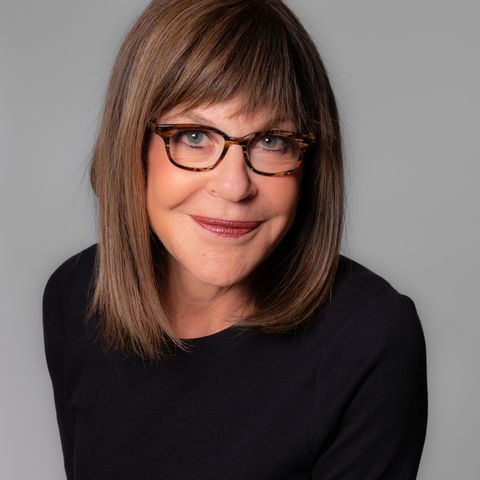
I'm Patricia Karpis.
Today's guest is intuitive eating expert Natalie Zizes.
Natalie shares why our hidden food rules and body image standards wreak havoc on how we eat.
She shares the many emotional ties we have around our food decisions and that 95% of diets don't work because we so easily fall back into our old habits and patterns,
Which many of us know.
When we begin intuitive eating,
She says,
We learn to select foods that make both our bodies and minds feel good.
Natalie's inspiration has been her own emotional relationship with food and seeing how intuitive eating has transformed her life.
Natalie was in South America traveling when we did this interview pre-COVID.
So there are a few sound issues and blips,
But I hope you'll find the information worth it.
Now here's Natalie.
Natalie,
It's great to have you back on Untangle.
Thanks so much for being here.
I'm so excited.
So let's start by talking about your definition of what is intuitive eating.
Intuitive eating has kind of been a buzzword these days.
It's the anti-diet resolution to,
Am I going to diet then I guess I'm going to do intuitive eating.
And to me,
It's the marriage between reading your emotional desires and your physical desires.
So being able to gauge how hungry or helpful you are and also being able to incorporate some of,
Okay,
What do I need to feel full to feel satisfied by my meal?
And I think that's where some people might get a little tripped up about intuitive eating as they mistake it for the hunger and fullness diet.
Like I better not eat past this level of being full or I overate,
So I wasn't intuitive eating.
But really intuitive eating is meant to incorporate both your emotional needs and your physical needs.
And you talked about it as being the anti-diet.
How did you come up with this?
Is it because our eating habits and patterns are so tied to our psychological or our emotional needs?
When you are engaging in diet mentality,
And that's kind of an important thing to note too is that just because you're not on a labelable diet,
Just because you're not on Atkins or paleo or vegan or whole 30 or the F factor diet,
Just because you're not on one of those doesn't mean that you're not still emotionally dieting.
If you have all of these hidden food rules that can be started from when you were young and your mom was on a no carb diet or your mom told you like,
Oh,
Sugar makes you fat or your friend or your boyfriend,
Just because you're not on any kind of labelable diet doesn't mean you don't have these hidden food rules,
Which can basically act as a diet because there are rights and wrongs.
There are shoulds around.
Well,
What are some of the hidden food rules that you're referring to?
Well,
Carbs are a big one.
Still back from the eighties,
Nineties,
Early two thousands,
Low carb,
Everything,
Low fat,
Everything sugar free.
Sugar has been really demonized in the last,
I would say decade or two desserts in general,
Junk food,
Things like chicken fingers and fries and pizza and all desserts,
It's sort of indulgent food.
And a lot of that also came out of guilt free marketing,
Like Halo Top,
Guilt free ice cream,
Things like that.
And it's important.
It's vital to note that all of this is around weight control.
A small portion of it is like,
Oh,
For health,
My doctor told me I have to lower my cholesterol or I have to lose weight for health,
Which is a whole other important topic to talk about the intersection between weight and health.
But majority of the time people engage in diet mentality because they're aiming to manipulate their body size and their weight.
You believe that certain foods will lead to weight gain or abstaining from certain foods will lead to weight loss and you're desiring one of those things,
Then you are going to have morality around your decisions with food.
There's going to be an emotional tie to your decision around food.
There's going to be good choice and a bad choice,
A right choice and a wrong choice.
And that by definition is a diet.
When there is a right choice and a wrong choice,
You're on a diet.
So why is having hidden food rules a bad thing?
For example,
I have a hidden food rule,
Which is I don't like to eat processed foods.
Is it because it's an automatic behavior and you're not listening to your body or what is that?
It's not an inherently bad thing for everyone,
But if you have a history of diet or feeling uncomfortable in your own skin,
Feeling body image issues,
Then it can disrupt your own intuition around food.
It's like scarcity.
So if the hidden food rule was just eat red things instead of green things,
That would not really have a lot of morality attached to it.
But because our culture puts such an incredible emphasis on the size of our bodies,
The shapes of our bodies,
If you are in a bigger body,
You're feeling judged if you're not on a diet,
If you're not trying to change that about yourself.
So it all comes back down to fatphobia really at the end of the day and body image.
And so if you're having a hidden food rule against processed food because you think it's going to make you gain weight,
You're actually in a scarcity trauma around that food.
And so what happens is your intuition isn't allowed to come forward because you're already having this food rule in place and it's creating tension,
Which creates to just relationship with food and that creates reactionary eating,
Binge eating and all sorts of other issues with your relationship to food.
Because when you engage in diet mentality,
You can engage in restriction,
Weight cycling,
Which is actually much worse for your health than being on any kind of larger weight.
So it creates a whole host of problems by throwing a wrench in your own intuition around food.
Does that make sense?
Yeah.
But it seems like once you have learned how to intuitively eat,
Then you might impose some food rules so that you can be healthier.
Or do you say with your clients,
Eat whatever your body tells you to eat.
What term healthier and healthy in general is an interesting one to talk about because when we say healthy,
What we're doing is we really need physical health.
We're not talking about emotional health.
Is it really healthy to never eat processed foods,
To be at a birthday party and not partake in the pizza that everyone's eating or the cake to be traveling and not eat the local food because you're worried about the grams of carbs or fat or processed sugar in them.
So the issue with a lot of the diet culture is that it's really putting your physical health far above your mental health.
And at the end of the day,
Our physical health and our mental health are really tied together.
So if you're feeling really stressed around food,
That's creating inflammation in your body.
That's creating stress,
Which is one of the main causes of any kind of disease.
Stress is up there as one of the factors for those things.
So when we discount the emotional stress that we put ourselves through by being in diet mentality,
We're really missing a whole part of the puzzle.
And in terms of health,
That's a huge topic with the relationship between weight and health where we're so stigmatized against feeling that having a larger body creates more disease.
People in larger bodies are less healthy.
Even the term overweight is a social construct.
What is overweight?
What is the point at which someone is too heavy?
And BMI is based on some old data that was never meant to be used for health purposes.
Basically,
When we talk about our relationship to processed foods and sugar in general and fat in general and carbs in general,
There's just so much of a bias against it because of the fact that it might lead to weight gain.
And the fact that that creates the wrench in our intuition around food creates this society where we're thinking so much about our choices about food.
We're thinking so much about our bodies.
And we're really stuck in this epidemic where so many people are trying to diet and trying to manipulate their bodies,
Their weight through food choices.
And we're all failing miserably.
95 to 98% of people who go on diets with temp dieting for weight loss end up gaining it back or more within three years.
In the diet industry,
Billions of dollar industry.
So there's tons of people who are chasing after this relationship to food where they feel in control,
Or they feel that their decisions are leading to a healthier body,
A thinner body.
And at the end of the day,
We're all massively losing control.
And I think that's where intuitive eating is an important thing to understand.
Because if you actually have no hidden food rules,
And I think this is the crux of the question you were getting out.
If you actually have no hidden food rules or no food rules in general around processed food,
You wouldn't want to be eating it all day long.
Realistically,
That wouldn't feel good to you physically.
And so that would be taken into account.
And you would choose things that make you feel good physically sometimes,
And it made you feel good mentally sometimes,
And they would hopefully intersect a lot of the time.
At this point,
Most of my food really intersects,
I feel good mentally and physically with what I'm eating.
But there are times where I know that I'm going to have a churro and I might not feel great afterwards.
But I'm so excited about the experience itself that I'm not worried about that decision.
And it's not tied to my morality.
I don't feel bad about myself for making that decision.
I don't feel guilty.
I'm not beating myself up about that decision because I'm not sweating what it means about me.
I'm not sweating that it's going to mean that I'm falling off the rails and then all of a sudden eat nothing but churros all day long and gain 10 pounds and feel disgusting and hate myself.
And that's the crux of it is where can we start to make decisions around food where we're not tying it to our self-esteem,
Where it's not about,
Oh,
I made the right choice today,
Or I fell off the wagon today,
Or diet starts tomorrow.
But when you have no food rules,
Your intuition gets stronger around food and you can make decisions about food that feel easy and then move on with your life.
So often we make a decision and then we're kind of like,
Oh my God,
Did I make the right one?
I can't believe I did that.
I'm doing that tomorrow.
And it creates this whole brain chatter that takes up way too much of our space.
So when we are actually an intuition around food and legality around all foods,
Then we can just focus on what really matters in our life instead of our food decisions in our body so much.
You're saying you want people to stop thinking that there's a right or wrong food choice based on your habits or patterns and that you don't want controlling your weight to be what triggers any food decision because that then clouds our intuitive ability to select foods that will really make our bodies and minds feel good.
It's about the fact that binge eating is the number one eating disorder in the country and it affects predominantly women and it's rampant.
And so what I'm just trying to get at is what are we even looking at that works here?
Dieting doesn't work.
That is an incontestable evidence that 95 to 90% of people who go on diets end up gaining the weight or more within three years.
That is irrefutable science.
So if we are stuck in this sort of rat race or this hamster wheel where we're all trying to get more control over our food,
We're all trying to control our weight and it's not working,
Well then what will work?
And what has worked for me,
For so many of my clients is healing your scarcity trauma around food which allows you to become an intuitive eater.
And the thing about the scarcity trauma is that's where the rules come in.
If you have rules associated with certain foods and you have biases towards or against certain foods,
That creates the morality with it.
That creates the tension around the decision which blocks our intuition.
And so the way to heal that is to recognize where all of your food rules are and really understand what they're based in.
Because at the end of the day,
We want to feel accepted.
We all feel like our bodies are right.
And that's where so many of our food choices can link back to.
It's not just about being healthy.
Most of the time it has an element of do we feel safe in our bodies?
Are we going to be discriminated against because of our bodies?
Are we going to be accepted,
Loved,
And given attention and feel safe in our bodies?
And that is usually where we start to go off the rails with our relationship to food because we were told,
Oh,
Like your thighs are so big or,
Oh,
Size 12 is like too big of a size.
Stuff that was based on some trauma that we experienced at a younger age.
And trauma can be with a capital T or a lowercase t.
It doesn't have to be something huge.
We can just see a comment that a friend made to you or a boy made to your mom made to you or your sister made to you,
Whatever it is that made you feel unsafe in your body and led you to believe that controlling your food was going to create that safety for you.
It sounds like this whole area of food trauma and intuitive eating,
All of these issues are so tied to patterns that we develop when we're younger.
But it also sounds like this whole process of you helping people with emotional eating and eating psychology is peeling back so many layers and layers of conditioning.
And you're going in some ways against our media culture,
Which tells us that we need to look a certain way.
I mean,
These are giant issues.
It's not just giant heat.
It's culturally,
What are the expectations of how we should appear in the world?
It gets into issues with aging,
With fitting in,
With social media.
And I think I'm really curious about how you deal with all of those very,
Very complicated issues and teach nutrition,
Or maybe you don't.
I mean,
Maybe this is kind of intuitive eating and eating psychology is very different from nutrition,
Because what you're trying to do is to get people to feel more completely in touch with their bodies and what their body needs.
And you're trying to break these old habits of what you're calling scarcity eating.
Like the word guilty pleasure even would probably not be a good fit for you.
What are your thoughts on that?
At the root of what I do is work on your relationship to your body,
Both from a physical and mental emotional standpoint,
So that you can have more of a dialogue between your mind and body.
And I know last time we shared that one of my favorite general prompts is writing a letter from your mind to your body and then back from your body to your mind.
Because when we are entrenched in diet culture and diet mentality,
It's something that's happening so subconsciously.
We're not even aware of it.
Look at all of the Disney princesses,
For example.
Right.
There is a common theme going on there.
That's subliminal,
But that's happening to children at such a young age,
To girls at such a young age.
So this is how the female body should look if you want to get the prince and you want to star in the show.
And look at all,
Like,
Thank goodness for people who are starting to change the game.
But most of the time our culture praises a thin body as that's the feminine.
So when we are able to really get honest with ourselves about,
Hey,
Most women don't look like that.
And all the things that we want as humans,
We want love,
We want to feel safe,
We want to be successful at our jobs,
We want to have good friends,
We want to have love for my family.
That can happen at any size.
There is wonderful relationships all up and down the size spectrum,
And there is dysfunction and pain all up and down the size distribution.
So I help women get really honest with themselves about,
Okay,
I've been maybe brainwashed by the media,
By the fact that I just consume American culture,
Whatever,
Universal culture,
But it's pretty bad in America.
So how can I create sort of an unbrainwashing for myself?
And one of the simplest but most effective ways to do that is to curate your social media.
So unfollow,
Mute anyone who makes you feel bad about yourself,
Who praises or uphold this unattainable,
Maybe they do a bunch of photoshopping,
For whatever reason,
They feel triggering to you and start to actively follow women that don't Photoshop their stretch marks and cellulite that actually look more like the average woman.
That's a huge part of the work I do with people is just surrounding yourself with different body types.
And you'll see that within even just a few weeks,
You'll start to feel differently about yourself because you'll realize,
Hey,
There's something wrong with my body looks totally normal.
And also the idea that you can control your weight that you can change the way that you look via food is just not even a reality in what we know from the science.
And so can I start to accept the body that I'm in and help myself do that by surrounding myself with women who are achieving and creating the life that I want in the body they have,
Which maybe looks a little bit more similar to mine than the bodies that I'm used to seeing on TV,
On social media,
In the movies,
That kind of thing.
So if you had your druthers,
At what age would you start working with women,
Girls?
I'm actually creating a guidebook on how to be an ally and how to not trigger people.
So that will be out soon.
And hopefully lots of moms will read it and be able to create a weight neutral household so that they'll feel,
The daughters will feel comfortable around food.
Because that was certainly something that was hard for me growing up just in a society.
And that was so,
Again,
Polarizing around food.
Certain foods were okay.
Some foods were okay for my brothers to eat,
But not for me to eat or friends who had a quote unquote higher metabolism than mine,
Which how do you even tell that?
It was just like skinny kids.
But I think really in high school,
When you start to become,
It's getting younger and younger now.
There's like some study in the article that I mentioned and happened to post about half of girls between the ages of three and six wish that they were thinner or wish that they could go on and die.
So it's getting a little ridiculous.
But I would say high school,
When you're starting to feel in middle school,
When you're starting to feel comparative about your body,
When there starts to be that showing off of your body and being aware of that acceptance or disapproval from people.
This is why I think it's such a big job.
I see young girls in middle school and then in high school and they're comparing every body part with their friends.
There's some push to be a part of the in-crowd and that does relate to how you look,
What your body looks like,
And all of these other factors that aren't really as introspective as we might want to be in our culture.
But it just seems so strong that what you're doing in many ways is pushing against the grain.
I'm wondering what your actual process is.
So if somebody comes into your office,
How do you help to really break all of these patterns and habits that they've amassed all of these years and you're fighting against the culture and so many things?
One thing I also really want to make clear is that being a good intuitive eater,
You don't want to turn that into another diet,
Right?
So you don't want to be like,
Okay,
If I'm not intuitive eating today,
I'm going off the rails.
So I think number one,
The most important thing when you're in diet and binge recovery is to not care that much about your decisions around food,
Which brings us to so much,
Right?
That really brings us to the meat of the issues.
When you think of a quote unquote normal eater,
It's someone who just doesn't really care that much.
They make the decision around food and then they go on their way.
For those of us who have experienced disordered relationships to food,
It's a lot heavier than that.
The women who come to me,
They're thinking about food and body upwards of 50% of the day,
If not more.
Something isn't working.
I'm not working with the average person who's like,
Oh yeah,
I don't eat that much processed food and it feels good and that's what I do.
Like,
Okay,
There's no problem to be fixed there.
I'm not trying to fix people who are really relaxed and happy and content with their relationship with food.
I'm trying to help people who this is not how they want to live their lives.
This is old versions of me.
I was so,
So stuck in diet mentality and just constantly thinking about my relationship to food and my body,
Even when I wasn't admitting it to myself.
I remember reading my journal from when I was in high school and college and there was not one thing in there about my body or food and yet I know that's what I was thinking about most of the day.
It's become so hidden and subconscious.
So when people come to me to get rid of this heavy weight of these decisions around food and body and looking in the mirror and hating themselves and wanting to get dressed for not knowing what to put on and feeling terrible and all of this stuff,
This is where we go to is,
Okay,
Where did you first learn that your body was wrong?
Where did you first learn that you should and could control your body,
Your weight through your decisions around food and how can we work through that?
And really it's a lot of scarcity trauma because when you thought,
Okay,
I can only have one cookie or I can't have any cookies.
It's science.
It's psychology.
That's why diamonds are precious.
They're rare.
That's why we pay so much money for them.
That's why when you don't even like someone that much,
But if you find out that they don't like you,
You like them more,
You want them to like you.
There's like scarcity around things that we feel like we can't have.
And we want those things more because of it.
So that is where our disordered relationship to food comes in because it's,
If we don't feel that we have unlimited access to all foods at any time,
Those things become put on a pedestal and it dysregulates our natural relationship to it.
And so the crux of the work I do is abundance work.
It's legalization work.
It's all foods are totally fine in any amount that you might want to have them.
And at first that can be really amazing,
But also really scary.
I have great reign.
I'm going to go crazy.
I'm going to eat a million cookies a day.
And that might happen in the beginning.
That happened with me during my,
What I like to call it,
Legalization phase.
I was all of a sudden eating bagels and cereal and pizza and chips and all these things that I have these hidden food rules around that I never thought that I did.
I thought I was a sugar addict.
I was like,
I don't care about pizza.
I don't care about pasta.
I'm just obsessed with sugar.
I can't be trust around sugar.
I should never eat sugar again.
But it turns out that I actually wasn't allowing myself to have all of these other foods because I was saving up for my sugar binge that was inevitable in my mind.
So I would eat Whole30 approved meals.
I would eat vegetables and meats and fruits and healthy fats,
And then I would binge on sugar.
And that would be my cycle of destruction.
And when I started to actually notice,
Oh my God,
I never allowed myself to have bagels or cereal or chips or pretzels or any of these things.
And all of a sudden I found all this joy in all these foods that I had these underlying secret food rules around.
So my legalization period,
I gained weight.
I didn't weigh myself,
But just from experiencing my body,
I got bigger and I was looked at it as this therapeutic time for my mind where I was really healing these deep wounds around food and around being good enough and around being good,
Right?
Being like a good girl for not eating a certain way.
That's where working with a coach was so helpful because I was triggered around my body image.
I took a break from dating,
From even caring,
From putting myself out there and just sink into,
Okay,
This is just a time for me to really work on my emotional relationship to food and try out what intuitive meat eating means for me and really,
Really healing this wound.
And that took about,
I'd say four months.
And then things started to level out.
I started to be able to have an intuition around food for the first time in my life because I had been on the path of healing my scarcity,
Trauma around it.
During the four months that you're talking about,
Were you obsessed with this rule in fact,
That you had to eat whatever you wanted?
I mean,
It just seems- It wasn't a rule.
It was an invitation.
The store is now open for you.
You can walk through it whenever you want.
It's just open.
It was all of a sudden I realized I looked around and I had been in a cage my whole life,
But the door was open the whole time and I never knew it.
What happened to you that shifted?
I all of a sudden had ice cream in my freezer for weeks at a time.
I had cookies on my counter that I forgot about.
I had candy in my purse I forgot about.
I had chocolate in my fridge I forgot about.
I just stopped caring that much.
And not in an apathetic way,
But in a way.
I know not intellectually,
But I know in my bones energetically,
Emotionally,
That all food is always available to me.
And so the question of what do you want to eat became such a less of a big deal.
It was just,
What do you want to eat?
Okay.
Check in with myself physically,
Check in with myself emotionally,
Make the decision and move on.
Because guess what?
There's another decision to be made whenever you want in the next three hours.
And that will be the same experience,
Which is whatever you want is fine.
And I actually believed it for the first time in my life.
There wasn't a whatever you want comes with a judgment after it.
When you passed that four month period,
Did you completely let go of your fear of gaining weight?
And did you impose any rules at all related to nutrition?
Or is this 100% intuitive eating is really designed to solve the binge diet cycle and you just prefer people would not have any rules about food,
But just follow what your intuition is guiding you to?
Rules are for someone who doesn't trust themselves.
So why would I need a rule if I can have a conversation with myself in the moment?
Well,
Maybe that's semantics a little bit because the conversation and the rule might be saying the same thing that processed foods might not be good for your health,
Or eating too much fat might be bad for inflammation.
There's some similarity between a conversation and a rule that you might make for yourself.
But I think what you're saying is rules are generally bad.
Because it's maybe in that reframing.
People become more compassionate with themselves.
Yeah,
So I really want to point out that it's not about the action.
It's about the intention behind the action.
I just wrote about this in my last newsletter.
So I just got to Santiago last week.
And on the outside,
You could say that I'd have the exact same actions as someone who could be,
You know,
I'm fully recovered,
I feel really relaxed around food and in my body and around intuitive movement and everything.
So what that meant to me was I found a Pilates place and the first morning that we were here,
I went to Pilates and it was amazing.
I loved it.
And then the next day I found a gym and I did my cardio,
Which I love and I have my playlist I love.
And I drank my green juice in the morning and I had delicious brownie in the afternoon.
And I really have an incredible day.
So that's how it felt to me on the inside.
Alternatively,
Rewind to three years ago,
Myself in the exact same position.
Oh my gosh,
I better find a Pilates place.
I better find a gym.
Holy shit,
I can't gain weight.
I got to have my green juice because I don't want to eat breakfast.
I want to make sure I'm not eating too many calories.
I got to work out.
So those two things could look exactly the same on the outside and feel completely different to me on the inside.
That's the difference between having a role and having a way that you communicate with yourself and make a decision.
It could look exactly the same on the outside,
But your experience of life is black and white.
It's completely different.
That makes a lot of sense to me.
It just sounds like it's much easier on the mind and the soul.
And you don't get as triggered around things and it's healthier.
I like that you've talked about when you really want to get down to what is intuitive eating and you get past all the different psychological factors that we've been talking about.
Quite often it's really related to what is the information you're getting and how are you decoding that?
Are you feeling hungry?
Did you just see a commercial on television for Oreos?
Is someone next to you eating something that looks really good or really bad?
What is that information that's coming into you and how are you reacting to that?
Let's use that example.
I saw a commercial for Oreos and I want an Oreo.
Someone who's in very entrenched in diet mentality might start freaking out and end up eating 10 Oreos and then feeling so guilty about it and then wanting to go to the gym feeling like,
Oh,
What is it even going to do?
I'm just going to binge later.
And that's a whole spiral.
And that's a way that so many people live versus let's say,
For example,
I saw a commercial Oreos and I was hungry for Oreos.
I could say,
Okay,
Do I feel like getting Oreos or am I getting up and getting it?
Maybe I do.
Maybe I want to go for a walk.
Maybe I want to grab an Oreo.
Okay.
I'm going to have an Oreo.
Eat the Oreo.
How do I feel about this Oreo?
Do I want another one?
Do I not want another one?
And it's just a relaxing experience of checking in with myself,
Not beating myself up about whatever the response or the decision is,
Which allows me to actually check in with myself versus either I'm on the diet,
I'm making the right choice or I'm off the rails and I had one,
So I might as well have the whole path and I'm not even going to enjoy it because I'm going to feel so guilty about it.
That just creates such a tense relationship with yourself and with food and it mixes up your digestion.
I would argue that being on a diet is actually way less healthy for you than having freedom around food.
How do you think about the intersection between intuitive eating and mindful eating?
In mindfulness,
We talk about taking a moment to pause after you're triggered.
And so the same idea of being triggered is what you're referring to with intuitive eating.
If you are an intuitive eater,
You're not as triggered.
And so it's a gentler reaction to whatever that trigger is.
How do you see those two?
Intuitive eating and mindful eating are both tools.
I think of mindful eating as helping you to intuitively because you're taking a second to be mindful and to check in.
And intuitive eating is a tool where you engage in mindful eating so that you can make a decision that feels good.
Either of those things can happen if you are stuck in being triggered around your body image.
So those are both tools that can help you make a decision because they give you information.
Mindful eating is basically paying attention to what you're eating and the way you feel.
That's literally what it is.
So both of those things just help give you information to make a decision.
But if your decision is riddled with anxiety and emotions attached to it,
That's just a cue that there's still some underlying trauma to work through and to heal.
So if you had to summarize the core principles of intuitive eating,
Let's say the top five core principles,
What would you say they are?
So Evelyn Tribole is the author of Intuitive Eating and it's a wonderful book.
I believe there's 12 principles,
But I would say for me,
It's kind of a blend of mindful eating and intuitive eating.
So put a hand on your heart,
Hand on your belly,
Take some deep breaths.
Ask yourself if there was absolutely nothing to change about the way you looked and there was nothing wrong with any decision you made around food,
What would feel good to eat.
It's just as simple as that.
And we know so much more than we think we do about food.
And that's actually to your question about nutrition.
No,
I don't teach about nutrition because we all know enough about nutrition.
We all know too much about nutrition.
That's actually creating a lot of the tension and food rules.
And so I actually have to do a lot of unlearning for people about nutrition and a relearning about your intuition.
And so yeah,
You want to make sure there are times where my clients are just not eating enough food or they're not eating enough protein or carbs or fat.
And so I do have a background in nutrition,
So I can be a sleuth and figure out,
Okay,
Wait,
Actually,
You're just not eating enough of this thing.
But in terms of having anyone count anything or that kind of stuff,
That actually just creates even more disorder and dysfunction.
And so when it comes to intuitive eating,
It's just about being able to tap into if there wasn't a right or wrong answer.
And I wasn't trying to change something about how my body looked or my weight,
What would I want to eat right now?
And that will look really different from day to day.
It'll look really different from when you're in your legalization period to when you're further along in it.
In the beginning,
My intuitive was telling me,
Hey,
You have a scarcity trauma to heal right now.
You eat that cereal and have as much as you want.
And that was such an important part of my intuition around food.
But a few months later,
My intuitive eating was feeling differently.
So that's the thing about it is it's based on just like,
Do you feel like taking a nap right now?
Or do you feel like going for a walk or do you want to call someone or do you want to listen to music?
I mean,
It's just about being able to tap into your wants and needs and desires without so much tension and morality attached to it so that you can just live your life and stop having it take up so much space in your brain.
And I think the connection with what we talk about on this show related to mindfulness is this very strong ability to become more self-aware.
And it seems to be at the heart of what you're teaching with intuitive eating.
What can you be most aware of in your body at this moment?
Yes.
When I was reading about this,
It also said that there were some pitfalls of intuitive eating.
Is this something that you've looked at or?
I think again,
That just goes back to are you using it as a diet?
Is there a hidden agenda?
Oh,
Okay.
To not eat as much food or to not eat as much sugar or to eat a certain way.
So people can co-opt intuitive eating as just another diet.
Although if I was really intuitive eating,
I wouldn't be wanting this many carbs or I wouldn't be wanting this much processed food.
And I think that that hidden agenda creates the catch 22.
You can't intuitively if you have a hidden agenda.
There's tension.
There's tension around the decision.
And you're trying to relieve any tension around any decision so that your deepest intuition can be in play.
Yes.
Is there anything else that you would like to share around your process with intuitive eating?
Anything that we haven't covered?
Yeah,
I think the biggest thing is just to give yourself so much love and compassion and to know that this is an epidemic.
It's not one person's problem.
It's our collective issue as a culture that we're working on.
And just to get really honest with yourself,
I have so many clients that say,
Oh,
When I first speak to them,
Oh,
This diet worked for me for a bit,
Or this worked for me for a bit.
And it's like,
Well,
What is working for you even mean?
Right.
Something is really working.
It should just feel breathing.
It should just feel it doesn't need to take up that much space in the mind,
Just like a relationship.
If you're constantly fighting with someone or you're worried they're going to leave here,
It's a relationship with yourself.
So if you're thinking so much about it,
That's saying something when you are on the track of really healing your relationship with food and body,
It takes up less space,
Not more.
I love that you're helping so many people with this because it's such a giant issue with so many women and I'm sure men too,
But we hear about it so much more with women.
Yeah,
It's changed my life.
I can't even tell you.
I mean,
I think about it every single day,
How grateful I am.
So it's a joy to pass on.
It's a privilege and a joy.
Thank you so much for being with us today,
Natalie.
Thanks so much to Natalie for being with us today.
We're always open to your feedback and suggestions,
So please get in touch.
We will see you next week.