Hello,
Welcome to Serenity Wellness Podcast.
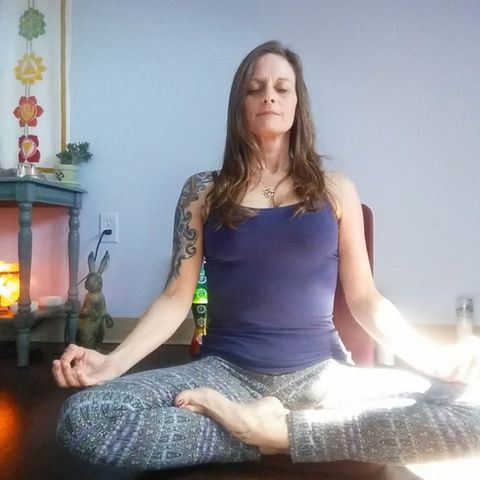
My name is Nicole White and I'll be your host.
This podcast is dedicated to helping you tap into your full potential of how you can heal and balance your mental,
Emotional,
And physical well-being.
Together let's explore our inner self,
Connect to our strength,
And manifest your true nature,
One full of love,
Purpose,
And passion.
Welcome to episode 9.
Worry much?
Thank you so much to all of you who continue to join me each week and your ongoing words of love,
Encouragement,
And support,
And sharing this podcast with others you think might also find it useful.
And welcome to those of you who are new.
Thanks for sharing some time and space with us today.
I greatly appreciate all of you as you continue to fill my heart and soul.
So thank you,
Thank you,
Thank you.
I hope all of you are finding some time and space in your own life to tap into your wellness toolbox and begin to build that and whatever that looks like for you,
As well as giving some space and opportunity to do things to fill your joy center and feed your soul.
I've been doing a good bit of yoga this week and meditation,
As well as using some music and dance in movement to help balance me out.
It's one of my favorites.
But also tapping into continuing to expand my education.
I am finishing up that certification program,
Hopefully tonight,
And I am working on that mental health integrative medicine provider certification.
I'm really excited down the line to share with all of you,
As well as my clients,
The tools and techniques I'm learning and being able to further incorporate for people.
It looks at nutrition and vitamins,
Minerals,
Plant-based medicine,
Body and breath work,
Yoga,
Massage,
Reiki,
Acupuncture,
And how,
You know,
When we incorporate all these amazing natural and integrative techniques together,
How it can really assist us in natural and holistic healing.
So excited about that and what it's going to bring and what I can provide to others.
Before we get into today and looking further at this idea of that big question,
Worry much?
Let's just have a little refresh real quick on what got us to where we're at today in terms of these podcasts and the building blocks of your wellness toolbox.
So we've started looking at some mindful awareness of connection more to the observer versus participator,
What it does to our mental and emotional state,
As well as our physical well-being,
How it interacts and reflects our communication cycles with others and those relationships.
We started looking at more awareness of our thought cycles,
You know,
How we can make our body moldy through the way we talk and speak to ourselves or to others and started to look more specifically at some of the use of specific word cycles or thought cycles and things like judgment and perfectionism and what that can really do to compound some of those emotional struggles we get into.
And so as you might be finding as we continue to open up these folders of awareness,
It allows more opportunity and empowerment for change.
The more we begin to recognize these unhelpful thinking styles and cycles we can get into,
You know,
As we've talked about in some of the past episodes,
We have the more ability for emotion regulation and change.
It helps with our physical body,
Inflammation cycle,
Serotonin,
Dopamine,
Brain waves,
Neurotransmitters,
All that cool stuff.
And we'll continue to dive further into that learning in all of these episodes down the line here.
And so we have these tools and techniques we're beginning to build upon and beginning to open these folders of awareness.
And again,
It allows empowerment for change,
Because only when we become aware can we really sometimes change,
You know,
If we're not really aware,
It can be difficult to incorporate change.
So today we're going to look a little further at the worry thought cycles,
The things that we can bring into our mindset that get us wrapped into these cycles,
How they impact our being.
And I'm going to share with you a tool or technique you might want to consider to help to dissolve and dislodge some of the cycles you might get trapped into.
Today,
We're going to specifically look at fortune telling and catastrophizing as well as some mind reading,
And what this creates and causes,
At least some of the things that it can create and cause for us,
As well as again,
You know,
A tool to maybe get out of that cycle.
So with fortune telling and catastrophizing to start there,
We can start to think that we can tell the future,
Like we somehow have a crystal ball,
And that crystal ball is right.
And we can do this in terms of maybe we're going to travel somewhere,
We have a doctor's appointment or a health situation come in.
For example,
With fortune telling and travel,
We might get into that catastrophic thinking again,
Sometimes these are looping together.
And with travel,
We might think of worst case scenarios in our travel.
When I work with people who have a fear of flying,
For example,
Sometimes they'll start,
You know,
If they have a trip coming up,
You know,
They may have to go to a work conference or something like that.
And,
Or,
You know,
A great family trip that they're even really excited about,
Not that we're not excited about work conferences,
But you know,
Maybe it's even a trip that they are really looking forward to,
But this fear of flying comes in and,
And that catastrophic thinking,
They start thinking of worst case scenarios and crashes and all those types of things.
And then sometimes they'll even go further and they'll go seeking and the seeking is they'll seek things to support that instead of how to bring relaxation and calming to the system.
So they'll start looking up crash information and start even maybe watching videos of planes crashing and things that again are really spiraling that anxious cycle,
The worry cycle,
And sometimes even panic.
We might get into it in terms of this fortune telling and catastrophic thinking that can happen.
If we have a headache,
You know,
We might start thinking we have a brain tumor or we're having,
You know,
Some kind of seizure or something.
And we might go into the WebMD and start now we've got like five different diagnoses and cancer in four different places.
And,
You know,
We start catastrophizing and then we'll start diving deeper seeking and trying to explore ways to further help us elevate that catastrophic thinking in ways again that are not supportive for ourselves or our health or how to manage the emotion.
But we can easily get pulled in,
Easily get pulled in until again we become more aware and we can get out of those cycles.
It's really common too like for people who can suffer through anxiety attacks.
Those are very treatable,
You know,
We just have to work on relaxing the body cycle,
Awareness,
Grounding,
Presence in where you're at and using anchors in your space are some techniques and examples that down the line we'll talk about.
But,
You know,
People who suffer through anxiety attacks can get into this catastrophic thinking as well because now like their bodies in that anxious body response cycle that we've talked about a while back and then they're starting to have like that elevated heart rate,
Shortness of breath.
Maybe as we talked about like when you're not moving the body also in that cycle you might get dizziness and light headedness and now they feel like they're going to pass out and a lot of kind of other things come into the mind in that catastrophic cycle in that example for you know just to kind of give you some mindset there.
We can also do catastrophic thinking in terms of you know maybe we have a doctor's appointment coming up or we're waiting to hear back and now even in that time we might have gone into the appointment thinking we're okay and now we've created all these things as we wait.
Or we might be hesitant to go and do a routine physical because we have all this catastrophic thinking of oh they're going to find this they're going to find that.
You know so lots of different ways that we can do that in terms of medical health and and symptoms and things and how it creates at times a somatic cycle in the system because of that inflammation and cycling and all those things we're beginning to build upon in our awareness.
We can also do some catastrophic thinking in terms of in the moment situations and making a single event become something much much larger.
For example if I were to spill my coffee on my lap in the morning on my way maybe getting ready to leave for work and that has happened to me.
You know I've been teaching this for a very long time you know the things I'm doing this podcast about and when I talk about this cycle of catastrophic thinking and in the moment I had for many years used that example and it had never happened to me.
But in the example I gave and and it is actually how I did respond and perhaps because I talked about it and prepared myself in that way but also just because of all the training and techniques I've done and work on myself in an emotion regulation and not getting into catastrophic thinking and all that all of those things.
But anyway in this example I could spill my coffee on my lap in the morning when I'm getting ready to leave for work and I could go into this catastrophic thinking one single event has now ruined my day.
Oh this is how my day is starting everything's going to go downhill.
My day's going to suck.
I can't believe this.
I'm so stressed out now.
Nothing's going to go right.
You know we can just make up all kind of nonsense in our brain about really okay I spilled my coffee does that suck?
Sure.
I obviously wanted the coffee.
That's why I made it.
Might have burned my leg a little bit and then again it did actually end up happening to me not that long ago maybe last year.
I'm not really good with the concept of time but when it did happen yeah it burned my leg a little bit that kind of sucked.
It made me a little late for work because I had to hurry up and change my pants but it was fine.
Like I didn't take it with me.
I didn't make it be anything more than just what it was in that moment and readjust the small adjustments I had to make to make myself comfortable.
You know I didn't want to go to work with wet pants for example.
So taking a single event and making sure we don't blow it up into something much larger looking at future events and remembering that we cannot tell the future and making sure that we are mindful of where we go in our catastrophic thinking and trying to create these scenarios that only elevate our emotions that we're not wanting to actually experience or create.
It can create wasted energy,
Waste your time,
Have you know that lack of mindful presence in your everyday and what you're doing because you're wrapped up in these mind cycles and the story creation and what it's doing to your body cycle and that anxious body cycle to keep you if you remember those words primed and ready to go you're like pumping the cycle you're pumping yourself up about these worry things that you don't even know are ever going to happen and probably will never happen and you're wasting time and energy and creating things and missing opportunities of just being present and creating joy and gratitude and what's happening right in front of you.
And just because maybe at one percent time you might be right about something that you think that you thought about and created think about it is it worth all that extra expended time and energy for your one little crumb of success of being able to think you can be a mind reader fortune teller and the catastrophic thinking.
So with the mind reading real quick that has to do with you know we think we know what other people are thinking what they're maybe even sometimes going to say maybe we think we know how they feel all these things we just assume we're correct and we begin to create again stories off these assumptions these things we've created in our own mind and now we see them as true and they can really impact us in lots of different ways in our interactions with ourselves and those around us.
These mind reading things again are often aren't pleasant we're often thinking worst case things that people are judging us that they're thinking we're going to think we're this that or the other you know I don't want to say that they're going to think I'm stupid they're going to think I don't know what I'm talking about or oh I just said that and now they're thinking this or they're thinking that about me and keeping in mind that when we do that we're also placing a judgment about that person.
So if you like think someone thinks you're is they're like staring at you having a conversation as though everything is fine and great and you think in their mind that they're thinking you're stupid well think about the judgment you're now placing upon them as who they are as a person is that how you see them that they're this judgmental person who can just pretend to care and be there and be present with you and in the meantime they're judging you and criticizing you in your mind in their mind.
Are you willing to ask them if that's what they think if you think they're thinking this or that or making this judgment are you willing to pause and say are you thinking this about me and also I'm you know thinking about the idea of this mind reading and we can assume and create all these ideas in our head and how you might have found sometimes you actually did check in you actually did ask maybe it was like with a family or a close friend a close friend you might have checked in were you thinking this or is this how you feel or how you felt and you might have gotten feedback that you were wrong.
Nope that's not how I was feeling you know it maybe it opened up conversations you were able to get a better understanding but the results were that you were wrong that your assumption was not correct those times that you checked in but yet you don't use that maybe as evidence to create a different cycle you know if we were doing research and we had this hypothesis that you know we're going to have an outcome and each time we tried to create that outcome we were wrong we probably would not continue to repeat the same exact thing over and over again thinking that we were right.
So in the opportunities maybe you gave yourself to check in to see if your mind reading was correct you might have found you were wrong so let that evidence be your evidence as well.
Some things these worry cycles create with fortune telling catastrophic thinking and mind reading you know they create worry cycles for us that we get looped into stuck into it can create things like excuse me social anxiety you know think about it if we're assuming all these other people are thinking these things about us and judging us then often we can get into an anxious cycle when we're out in a social situation in a conference situation and a work situation etc.
We can also have you know the really that creation of limiting limiting belief cycles and stories for ourselves and towards others and situations and scenarios in our life.
It can create what's called or term the imaginary audience and that is the idea that we think everyone's kind of honing in and and paying attention to everything about us when often that's not the case and when they are you know it's not in this judgmental way you know that judgment is our own judgment towards self the mind reading that we do is our own judgment towards our self sometimes when people have been through abusive cycles in their life they might have heard some of those judgments made towards themselves by others and so now they believe them somehow and they think others are seeing them the same way but as we increase awareness and healing we can also break that cycle so we can get into this and it can create this imaginary audience and in this imaginary audience we think everyone's honed in and paying attention and in that paying attention they're judging but often as much as I would love if we can all just be mindfully present in what we're doing it's you know not typically the case until we start becoming mindfully aware and really working on retraining you know where our sense of presence is but in that it's you know typically not the reality for many and so often people are wrapped up in the monkey mind in the have-tos and what they need to do on their to-do list and didn't do and you know all the things to keep your mind busy too so that's you know this imaginary audience thinking everyone's watching us and looking at us and meanwhile they're they're really not uh it has to do with like um helpful to keep that in mind if we have to give a speech or something um you know people are trying to pay attention but they're often not judging in the way that we think they are just as we are when we're listening we're usually trying to pay attention and have you know sometimes that busy mind also jumping around in other ways and then also another idea or example excuse me of what this these worry cycles can do beyond what we've talked about is this idea of the this idea of the imposter syndrome and so what that is referring to is when we think like people are going to find us out meaning that we could be really aware concretely that we're good at what we do that you know we continue to research our field and build new skills and build new tools and have had success in our career or our lives or education etc and we think that even though we know all those things to be true we think but somebody's going to figure me out they're going to figure out that those things aren't true somehow we start like changing the whole script they're going to figure out i don't really know what i'm doing they're going to figure out i shouldn't been should not have been given the lead on that project that you know i didn't deserve that promotion that i i really don't know what i'm talking about even though that's just not true it is not true uh you know you got the promotion because you showed what you showed to earn the promotion you were asked to be the lead on that project because you know your stuff and you've demonstrated that in organization and leadership skills so just recognizing kind of these things and those are just some examples of of this worry cycle and what it can create and those types of interactions and obviously what it does and keeping us in that anxious cycle keeping us looped into what we've been talking about in the anxious body cycle and all that that does to us and again all that wasted energy time that mindful um you know presence that we're not participating in because we're missing out because we're all wrapped up in storytelling and creating and script writing about things that are aren't often true and that leads to depression anxiety anger and resentfulness sometimes if we're thinking you know this person's got all this judgment against us then we might start even being resentful for things that we don't even know are true and then we feel hopeless helpless have some fear all kind of different things so just keeping those things in mind and before i tell you about a technique i just want to also touch real quick on the opposite of the spectrum and this is the minimization cycle that's when we can really minimize the impact of some things and and the minimization cycle will keep us into maybe bad habits it's very common in addiction uh it might keep us into situations it's also common in where um we might get where we have poor anger management and so we might what we might consider uh go for the jugular when we're angry and what i mean by that term go for the jugular is sometimes people with anger management uh difficulties and communication they will like pocket things that they know are most hurtful against someone and then when they are in that lack of emotion regulation they pull those things out of their pocket and kind of throw those daggers go for the jugular try to hurt you the most and then the minimization that happens is they come back later and they're sorry i didn't mean to do that you know i was just having a bad day super stressed didn't get enough sleep have a lot uh have a lot on my mind uh etc and so they can minimize we can also minimize that behavior for them so it can keep people trapped in toxic and sometimes abusive relationships they didn't mean that they were tired they had a hard day they were really stressed they loved me they would never hurt me that way so be aware of minimization how it impacts our relationships how it can keep us stuck in some un unhealthy and toxic dynamics but also again keeping in mind minimization can keep you stuck in your own bad habits or addiction cycle we can minimize the impact these harmful and toxic things have on our everyday life and have on those who are in our life and care about us so just to keep that in mind as well to wrap things up here i want to end here with a little technique that you could consider to help break yourself out of some of these worry cycles this technique is called keeping a worry log and so what it involves is you will choose a half an hour time in your evening you want it to be at least two hours before you go to bed so for explanation purposes let's say six to six thirty is your time so you have this half an hour worry time and you start keeping a worry log when you get up the first day you're going to start writing down anytime you have a worry thought and you're going to give yourself permission to pause it reminding yourself you have at six o'clock to begin to worry anytime through your day a worry comes in write it down pause give permission to pause and remind yourself you have at six o'clock to worry about it it's going to take some practice to do the pause but incorporate some of those mindful techniques of getting back to presence that you know through your breath through uh you know re-engaging and whatever is in front of you so writing it down pausing and now you get up to six o'clock your worry time you're going to pull out your worry log and you're going to first read through each one and cross out any that no longer apply so any that you're no longer worried about in that moment at six o'clock cross them off then you have whatever time is left to worry worry as much as you want about whatever's left on that piece of paper you got going on or maybe you do this in your phone on some type of app and so you cross off and now you have the rest of that time to worry as deep as you want about what's left on the list six thirty comes you remind yourself you have tomorrow at six o'clock to worry and you're going to now start a new new log so lead up six o'clock next day same thing cross off worries deep as you want till six thirty pause start new list write down pause until the next time so do that for a week and then look through look through and look at your pattern notice what worries you cross out notice which ones keep coming up and when it comes time to worry you no longer worry about them and it is going to create a concrete awareness for you not like through me telling you or someone else telling you don't worry about that it's going to help you see what you actually worry about and what you don't and then do that for another week and see what starts to dissolve on its own starts to dissolve on its own and see what continues to start to participate in your worry and through what we're going to continue to work on together you will perhaps learn some tools and techniques to get unstuck with those that keep resurfacing so that's the worry log it's really helpful for people to do that up to three weeks if you feel like you know that's something that might work for you and you want to give it a try you know think about it three weeks not too much long of a time if you consider the amount of time you might spend worrying and what it does to your physical mental and emotional health so that's the worry log again doing it for three weeks can be really helpful because you really get to see your patterns you get to dissolve some stuff you know after that first week when you notice what you keep crossing off you'll find that it's probably not written down again once it comes into your concrete awareness so that's everything for today thanks again everyone for sharing some time and space with me and all your feedback and support i really appreciate it i hope again you continue to build upon your wellness toolbox and fill your joy center and feed your soul and and find what resonates for you i look forward to spending some more time with you in the future our next podcast is going to be on monday so i will talk to you then have a great one bye