I really do believe people can cultivate a spiritual lifestyle by first exploring what their passions are and then building it from there.
Welcome to The One You Feed.
Throughout time,
Great thinkers have recognized the importance of the thoughts we have.
Quotes like garbage in,
Garbage out,
Or you are what you think ring true.
And yet,
For many of us,
Our thoughts don't strengthen or empower us.
We tend toward negativity,
Self-pity,
Jealousy,
Or fear.
We see what we don't have instead of what we do.
We think things that hold us back and dampen our spirit.
But it's not just about thinking.
Our actions matter.
It takes conscious,
Consistent,
And creative effort to make a life worth living.
This podcast is about how other people keep themselves moving in the right direction.
How they feed their good wolf.
Thanks for joining us.
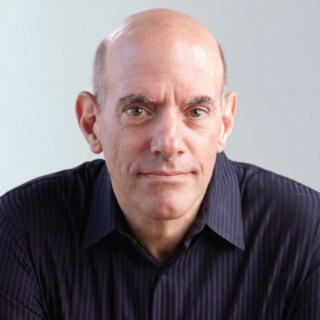
Our guest on this episode is Chris Grosso.
He's only the third repeat guest on The One You Feed.
Chris Grosso is a public speaker,
Writer,
And author of Indy Spiritualist,
A no-bullshit exploration of spirituality,
And Everything Mind,
What I've learned about hard knocks,
Spiritual awakening,
And the mind-blowing truth of it all.
Chris writes for Origin Magazine,
Huffington Post,
And Mantra and Yoga and Health Magazine.
He has spoken and performed at the Wanderlust Festival,
Celebrate Your Life,
Yoga Journal Conference,
Sedona World Wisdom Days,
And more.
He's a member of the Advisory Board for Drugs Over Dinner and hosts the Indy Spiritualist podcast on the MindPod Network.
Our sponsor on this episode is Wisdom Publications,
A non-profit publisher for 30-plus years of classic and contemporary Buddhist books and practical wisdom works on mindfulness.
Wisdom Publications aims to connect people with the teachers,
Tools,
And practices to develop a greater peace,
Happiness,
And freedom.
Go to wisdompubs.
Org slash one,
That's spelled out O-N-E,
And you can see our host Eric's list of his favorite six books.
And here's the interview with Chris Grasso.
Hi,
Chris.
Welcome to the show.
Hey,
Eric.
Thank you very much for having me on.
I appreciate it.
Yes,
You are,
I think,
Our third repeat guest,
So it doesn't happen often.
So we are happy to have you back on.
You've written a new book called Everything Mind.
I have.
Wow,
Man.
First of all,
I did not know I am only your third repeat guest,
So I am doubly excited now.
I'm also feeling a bit more pressure,
I've really got to make sure it's worth you guys while.
But no,
Really,
Thank you,
Man.
I really appreciate it.
Yeah,
Your new book,
Very much like your previous book,
The Indy Spiritualist,
Is really about your journey through the spiritual landscape.
The subheading is what I've learned about hard knocks,
Spiritual awakening,
And the mind blowing truth of it all.
So we will dig more into that book shortly,
But let's start off like we always do with the parable.
There's a grandfather who's talking to his grandson.
He says,
In life,
There are two wolves inside of us that are always at battle.
One is a good wolf,
Which represents things like kindness and bravery and love,
And the other is a bad wolf,
Which represents things like greed,
Hatred,
Fear.
And the grandson stops,
And he thinks about it for a second,
And he looks up at his grandfather,
And he says,
Well,
Grandfather,
Which one wins?
And the grandfather says,
The one you feed.
So I'd like to start off by asking you what that parable means to you in your life and in the work that you do.
Yeah,
Wow.
You know,
I forgot that you start with that parable.
Now I wish I could go back and listen to the last answer I had,
Because I have no idea where I went with it over a year ago.
Neither does anyone else at this point,
Probably.
I wouldn't worry about being original at this point.
Yeah,
No,
I just hopefully I don't duplicate myself.
I mean,
Where I'm at today,
When I'm hearing that,
It actually makes me think of what in Buddhism they teach quite a bit about the seeds that we have laying dormant in our store consciousness and how we water those seeds,
Whether they are positive seeds or negative seeds,
And we water them by what we do in our lives,
What we feed ourselves.
And I'm not speaking just food wise,
But what do we feed ourselves?
What are we reading?
What are we doing?
How are we showing up in the world?
Are we being of service in some way?
Are we taking care of ourselves?
So that's kind of what it represents to me today with where I'm at.
The seeds in my consciousness and how am I watering them or which ones am I watering.
But I really dig that parable,
Man.
I remember I really liked that the first time you guys shared it too.
That's a great way to start this segment.
Yeah,
I think,
You know,
I know you have a history of drug abuse and addiction like myself.
And that parable,
I think,
Has a particular significance for some people.
I think it resonates for everybody.
But for me,
Boy,
That bad wolf was so,
You know,
Out of control,
Well fed,
We shall say.
Right,
And you know,
The interesting thing is though it is,
In my experience,
Not as well fed today,
It's still there.
Oh,
Yeah.
You know,
Like I know that it rears its big bad wolf head every now and then.
And sometimes I give it more attention than I should.
But you know,
That's life.
And it's a practice.
And I just show up each day trying to nurture the good wolf and feed and care for that one.
Yeah,
That's one of the things I really like about the parable is that it indicates like this is the human condition.
We all have this.
And it indicates that it's not like a foregone conclusion.
This is a close battle,
Right?
It goes on.
It's not like we're going to,
You know,
Do enough meditation retreats where suddenly,
You know,
There's no longer that dual nature where we no longer have to focus on being the best version of ourselves.
I think that that never ends.
And that's part of what I like about it is because I think it really normalizes the fact that none of us are perfect and none of us are going to be perfect.
Oh,
Man.
Absolutely.
I even love when some Buddhist teachers will share stories about the Buddha after he had attained enlightenment and,
You know,
How he'd have gatherings and Mara would still come around and sometimes his attendance would kind of freak out like,
Oh my God,
Buddha Mara is here.
And he would welcome Mara in and serve Mara tea,
You know,
And,
Uh,
And that I think is a wonderful example of how even the Buddha,
You know,
After attaining enlightenment still had his wolf,
So to speak,
You know,
So it doesn't matter who you are.
It is part of the human condition bottom line.
So yeah,
It's just,
What do we,
You know,
How do we handle it?
What do we do when that wolf does show up?
So that,
That is a nice byproduct of practices like meditation or other spiritual endeavors.
They help us,
You know,
To show up more consciously for these things and,
And work with them a bit more skillfully though,
Like I already said,
Though,
Doesn't mean we're perfect.
You know,
Using myself as an example so far from it,
But it's,
It's a real effort that I,
That I make and I'm grateful for that.
Yep.
Well,
Myself included on that far from perfect.
So let's start off with the title of the book,
Which is everything mind.
What does that mean?
So everything mind really,
It considers everything in our lives is part of the spiritual path.
And that includes kind of like we've already been alluding to in a way,
Our triumphs and our heartbreaks,
The joys and suffering,
The light in the dark.
I've personally come to realize that these are all equally suitable teachers in lessons in life.
And,
You know,
A part of the reason I really liked everything mind for the title is because something I noticed that happens for a lot of people when it comes to the spiritual path and myself very much included in the early stages of my own journey was that I would and others tend to compartmentalize spirituality as something that's really only happening when we're formally practicing,
You know,
Whether we're sitting in meditation or attending a yoga class,
Working with a certain mantra,
You know,
Things of that nature.
But in my experience,
What I've come to recognize is that spirituality or even better yet spirit imbues all of life in every minute,
Whether I am consciously aware of it in that moment or not,
It's,
It is all that is happening.
It's like I said,
It imbues all things.
So taking that into consideration,
Another reason I liked everything mind for the title was again,
Something I felt victim to something I see others tend to struggle with is that they predominantly will associate spirituality with just the positive kind of love and light aspects of their lives and their experiences.
And of course that is absolutely a part of it,
But obviously life isn't always positive and happy.
So if we're looking to be inclusive in our practice,
I think it's of paramount importance that we honor the dark side,
The bad wolf and in a way where we acknowledge his presence and work with it.
I know our last episode that we had done together,
We titled it No Mud No Lotus,
Which was based on a saying that the Zen Buddhist teacher Thich Nhat Hanh uses quite often.
And I love that because to me that means,
You know,
Our best selves can grow out of the most difficult times,
Our pain and our suffering.
And so as we begin to live our lives from this place of everything mind,
Which again is a place that brings everything to our spiritual paths,
We can learn to compassionately work with and through the things that life hands us,
You know,
Good or bad,
And even get to the point where we can do so with an open and courageous heart and mind.
So you know,
That's a few thoughts on everything mind.
I like in the introduction,
Which was written by Ken Wilber,
He talks about everything mind is being another way of saying Buddha mind or Christ consciousness,
Universal mind,
Brahman,
You know,
Something like that.
So I dug that as well.
So I kind of like that people can take it and put their own spin on it,
Which is similar to Indie Spirituals,
My first book,
You know,
It's kind of what does it mean to you,
You know,
Take it and run with it.
I have my own ideas,
But I really like when people kind of take something and make it their own.
There was a lot in what you just said there.
I think the part about compartmentalizing is is so true,
Not just in spirituality,
But I think in all aspects of my life,
I think that for me,
As I became more comfortable being who I was,
Wherever I was,
And bringing all the parts of me to wherever I was,
The better off I was.
And that always takes courage.
I mean,
It happened today.
I was I was sitting somewhere and somebody came by and was like,
Oh,
You know,
What are you reading?
I was reading a book and I was like,
I show him this book,
You know,
It's like it's just some passerby.
It's a place I eat all the time.
And I thought,
Why not,
You know,
Just show him the book.
And he's like,
Oh,
Man,
I really like that.
And,
You know,
So it's just taking that little bit of chance to be open about who we are.
And I love the way that you blend music,
You know,
You're into hardcore,
You're into hip hop,
You're into punk rock,
How you blend that with what we traditionally think of as incense and sandals and prayer beads,
Right,
That all comes together right in the center of your life.
Yeah,
It's all it's all part.
Like I said,
Everything,
My man,
It's all part of the spiritual path.
And that's really wonderful for me,
At least,
And many others I talked to kind of approach life with this open attitude,
Because when we're not closing ourselves off,
Spiritually speaking,
You know,
When we're not only having these designated times of formal practice,
Which those times are important,
I don't mean to take anything away from them.
But when we get up from the cushion,
And we are bringing that practice with us out into the world,
Rather than leaving it there,
Then we're making ourselves available to spiritual experiences at any time,
You know,
And I'm using the word spiritual,
But we could replace that with life experiences.
But experiencing them in a way where we're fully there for them in the moment.
And as I write about in this book,
And in my past last book,
You know,
I've had those experiences at Slayer concerts and Motorhead concerts and Naughty by Nature concerts and skateboarding.
Naughty by nature.
Yeah,
Man.
Oh,
Yeah,
Naughty by nature.
That's right.
Yeah,
Man.
So it's like,
Because I'm open to it.
So you never know when something's going to hit.
And it's just,
I find it a much more exciting and skillful kind of way of living.
We're going to circle back to some of those topics in a minute.
I want to ask you a question,
Because this comes up to me a lot.
And it's sort of the logical brain working,
Right?
And that's usually not the best way to try and approach spiritual items.
But every once in a while when I hear this,
It's all connect,
Like it's all God,
Right?
Let's just use the word God,
Because it's easy.
God imbues everything,
Is everywhere.
Then there's a part of me that occasionally goes,
Well,
If it's everywhere,
It's kind of like,
Well,
Then nothing is more special than anything else.
And sort of like if everything's a high priority,
Nothing's a high priority.
And I just sometimes get my brain kind of gets hung up on that idea.
And I just think it's a,
I just brain it up as one of those areas that I kind of wander into intellectually where I go,
Well,
If that's the case,
Is anything,
Is any of it sacred if it's all sacred?
See,
And to me,
It's all sacred and none of it is,
You know,
It's kind of like,
Like Thich Nhat Hanh,
Again,
Going back then would say,
You know,
No coming,
No going,
No birth,
No death.
It all is and it all isn't.
And that's what I appreciate from Nagarjuna,
You know,
The old Buddhist philosopher,
When he brought to the table,
The two truths,
The truth of the absolute and the truth of the relative.
And the relative is this form level where we're doing,
You know,
This intellectual thinking and and it's life,
It's life stuff.
And it's just as true as the ultimate truth.
That's why there are two truths,
But understanding that that's only half of the truth and the other half of the truth where we know in Buddhism,
They don't usually use the word God.
Some,
Some Buddhists do,
But,
You know,
They might say Buddha mind or we could call it Dharmakaya,
Whatever everything mind if we want to.
Everything might.
Right.
Exactly.
Right.
Right.
But underlying this form experiences,
Relative experience is this all,
It just suchness,
This isness,
This everything mind,
You know,
It really,
But,
But again,
It's something you can't intellectualize.
That's the thing.
Like they say Nirvana,
For example,
A lot of teachers will save it as the extinction of all notions about Nirvana.
You can't talk about it.
You can't think about it because once you do,
You're bringing your own lens into it and that's not what it is.
You know,
It's the polar opposite of that.
So it's,
It's so tricky to talk about these things,
You know,
When really it comes down to the experience,
Having your own direct experience.
And that's why I write in this book about cultivating,
You know,
What I would call the path of direct experience,
But then even going beyond that because an experience is still just an experience,
But it goes even deeper than that.
You know,
It is really quite the rabbit hole once you step foot into this path.
But finding some humor and lightheartedness as well,
Especially because I do the same thing and I will intellectualize stuff all day long and,
And that's actually for me been part of my problem.
You know,
I have had a very hard time throughout the years making that journey,
You know,
From the head down to the heart and combining the two into a place of heart mind.
And on a good day,
Man,
Sometimes I'm kind of there and that's great.
But on other days I will still be reading things and intellectualizing it.
And even though I've had some experiences,
Which for me have kind of shown a truth deeper than we can really put into words,
I still,
You know,
I,
I still want it to make sense.
It's the,
That's the nature of,
Of being human.
You know,
The mind wants to understand,
We want to figure things out and there's nothing wrong with that.
And I just,
It is what it is.
As I mentioned earlier on the show,
Our sponsor for this episode is Wisdom Publications,
Which is a nonprofit publisher for the last 30 years of classic and contemporary Buddhist books and practical wisdom works on mindfulness.
And if you go to the website at wisdompubs.
Org slash one O-N-E,
You can see Eric's list of his favorite six books from this publisher.
And Eric,
You want to tell us about a couple of those?
Sure.
I actually am a little bit more excited to talk about the things from them I want to read because the six books that are out there are amazing,
But I'm really excited to have them back as a sponsor.
They've got so many great books.
I have to also love the fact that they were kind enough to send you books,
Ones that they knew you'd like.
And then for some reason,
And I don't know why they sent me a Star Wars book.
They sent you a book called an ongoing lesson in the extent of my own stupidity,
Which I'm not sure if there was a message behind that.
Yeah,
They said give this to Eric.
Can we rebel on the fact for one second that you actually can read?
It is amazing.
The Dharma Star Wars is a book that's on that page that I like hardcore Zen,
A few books that they've got that I was looking through that I really want to read.
One is called Zen encounters with loneliness by Terrence Keenan,
Which has got amazing reviews and looks really amazing.
Another book that I really want to read is by Lama Yeshe and it's called when the chocolate runs out.
And it's basically he's a he loves chocolate,
But he uses the book as a way to really explore and probe into our attachment to things and how even for a Tibetan Lama,
The same things are there.
But there's just so many great books out there at their site,
Whatever level of depth you would want to go into Buddhist publications.
These guys have it all on the page out there for one you feed.
There's also a book called going on being life at the crossroads of Buddhism and psychotherapy,
Which is one of my all time favorites.
So go to wisdom pubs.
Org slash one and you can see the books that I recommend and I would just recommend searching around the site and shipping is free if you spend $35.
And now back to the interview with Chris Grasso.
I've been interested lately in the concept that comes from Hinduism that there are four different ways that we sort of approach everything mind or enlightenment or non dual consciousness or the Godhead and and it recognizes some people do it through more of a devotional method.
Some people do it through more of an intellectual method.
Some people do it through more of a service method.
Right.
You know,
And I find that very comforting to me that there's different ways to get here.
And so instead of always trying to fight my intellectualism,
At least allow it to be part of the situation for me where I know it can be limiting,
But I think it's been better for me to recognize that's a valid way to approach truth and that I shouldn't,
You know,
Try and force it aside.
So so much sometimes.
But like you,
I think and it may be the drug addict in me,
Right?
That like I want the experience.
I want to feel it.
Damn it.
Right.
I want to feel it.
I love that you brought that up because I wrote a little about that in my first book.
But you know,
People are often surprised.
They're like,
You know,
Do you do yoga?
And it's like,
Well,
What kind of yoga?
You know,
Like you just said,
There's there's these four branches and many more if we're going to go deep into Patanjali's teachings.
But no,
I don't.
I personally don't do the posturing yoga asana yoga.
I don't have any problem with it.
I just don't do it.
But I very much would consider myself a Bhakti practitioner,
Which is,
You know,
The devotional path as well as the Yana Yogi,
Which is the intellectual part.
And you know,
But again,
That goes back to the intellect versus the heart and trying to find the balance between the two.
But yeah,
Man,
There's so many different paths and practices and wisdom traditions and,
You know,
On and on.
And that's the beautiful thing is that there is a way for literally anyone to find their own quote unquote spiritual way in this world.
In the introduction,
I write about a friend of mine,
Chris Stedman,
Who's an atheist.
And he wrote a really wonderful book called Faithiest in which he talks about the importance in his life of finding a way to work with people,
You know,
That do have a faith,
Regardless of what it is,
But meeting them in a place where they can come together and serve humanity for the greater good.
And to me,
I know Chris wouldn't call that spiritual,
But to me,
Just,
You know,
Because that's the context in which I kind of view life from,
I would very much call that spiritual.
And I think that's wonderful,
Man.
Like I don't,
I don't think you necessarily have to,
You know,
Have a formal God or religious practice in order to be spiritual.
I mean,
I,
That's stating the obvious because religion and spirituality are two different things,
But I really do believe people can cultivate a spiritual lifestyle by first exploring what their passions are,
You know,
And then building it from there.
I think that's a great way of going about it,
Especially with a lot of the younger people I talk with who are skeptical and have cynicism towards spirituality.
And I think that that is a very healthy thing to a certain extent to be cynical,
But still to keep an open mind.
And so with a lot of younger people,
If I'm talking to college,
For example,
That's maybe a way I would approach it with them,
You know,
Ask them where,
Where is your passion,
You know,
And say,
For example,
It's an art student.
Awesome.
You know,
There's so much spirituality in art,
You know,
Just being there completely present while you're creating,
You know,
This,
This beautiful piece of whatever form of media,
Art media it is.
Again,
To me,
That's way spiritual and it doesn't mean you have Krishna Das on in the background though.
You very much could.
Or you could have Slayer on.
Hey man.
Yes,
You could.
And you might.
In my case,
There's a good chance,
But actually it's funny.
I was my daughter and I not to get way off topic,
But we were my wife and daughter and I were looking at this YouTube video the other day of I think it was like star Wars,
A house that had decorated their lights to coincide with star Wars.
And I saw someone also did like a Christmas Slayer thing.
And so I put that on and it was my eight year old stepdaughter's first introduction to Slayer and she was so unimpressed.
It was hilarious,
But you know,
What are you going to do?
And she wanted to hear there's this acapella band,
Pentatonix,
And she's like,
Let's watch that one.
And she got all happy.
So,
You know,
Whatever it is.
To each their own.
So that leads into not the story about your daughter,
But the part before that leads into this idea of spiritual practice.
And in your book,
There's a lot of different spiritual practices.
And frankly,
There's lots of spiritual practices littered all over the place everywhere you turn these days.
Lots of different approaches.
One of the things that I've noticed in people that I work with and doing coaching and different things is that when there is ambiguity and there's not a clear plan or a clear path of action,
It's very easy to not do anything.
Sure.
And so I'm curious from your perspective,
How do people who want to engage in spiritual practice,
You know,
Want to do some of these things?
How do they map out a plan for themselves?
How do they come up with an approach?
When,
Where,
How,
How much,
How often,
How long?
Right.
I mean,
I think these are all really valid questions for the people who are doing things like listening to podcasts and going,
Well,
I'd like to be more spiritual,
But what does that mean?
And I couldn't agree more with you.
So the important thing for me in the way I write and teach is that I'm,
Even though I know we're talking a lot about Buddhism,
I'm not Buddhist,
I'm not Hindu,
I'm not Christian.
You know,
I have a great reverence for these wonderful wisdom traditions,
But I don't classify myself as any of them.
I have my practice and I draw from these traditions.
I mean,
If anything,
You could call me a suppose inner faith,
But I've never been a big fan of labels.
So for me,
Not being a teacher of a specific lineage,
It is important for me to lay out a bunch of different options for people because I know a lot of people that read my books are newer to the spiritual path.
Some of them I've been pleasantly surprised during there's 50,
60,
70s that came up with the Ram Dass counterculture movement,
You know,
Alan Watts and all of those guys and they're,
They're resonating with this material and that's been awesome,
But a lot of the people are newer.
And what I find with a lot of people I talk to you is they've been very churned off to the idea of spiritual practice because they have this misperception that it's dogmatic.
It's rigid.
It's,
You know,
I have to do this,
This and this.
Now if you're,
If you're going to embark on a certain lineage,
Absolutely,
That might be the case.
And I don't think there's anything wrong with that whatsoever.
I have wonderful friends that do very much call themselves Buddhist or Christian or Hindu,
You know,
And that's great.
That's what works for them.
And I deeply honor that.
But for me,
What's important is really to allow these people that are newer to have a feeling of freedom as they are exploring,
You know,
Cause I know for me when I was younger being told what to do,
Oh,
You know,
That was the worst thing in the world.
So I want these people to feel open and free.
And I know that we'll often hear teachers of older generations or even maybe younger generations to say that,
You know,
You don't want to hang out and quote unquote,
The spiritual buffet line.
And to a certain extent,
I absolutely agree.
However,
I think in the very beginning,
That is a valuable place to,
To spend a little time in because if you're just going to jump in,
You know,
Head over heels into one specific tradition without exploring the others,
You know,
To get a little taste,
How do you know for sure that's the one?
I mean,
Maybe,
Okay,
You've like,
You've had this really deep vision or calling and,
And right,
If that's the case,
Go for it.
But if it's not,
Then spend a little time exploring,
You know,
Get to know what each tradition is teaching,
What they're not teaching,
Get to know their practices.
And then from there,
I think you can make a more educated decision to move forward.
So but to go back,
You know,
All the way back to your question,
It's hard for me to kind of answer that since that's,
Again,
Going back to I'm not a teacher of a specific lineage.
So what I can say for myself,
The most important thing in my life and has been for many years is having a dedicated meditation practice,
Something that I do almost every day.
There are certain days where I just can't get to it if I'm traveling or whatnot.
But that's part of the not being rigid,
You know,
Is understanding that some days things life happens and you just can't get to it.
But on those days,
I can use what's called mantra practice,
Which is the repetition of either a sacred name or a sacred mantra phrase,
You know,
That means something to me,
Whether it's taken from Buddhism or Christianity or whatever the case,
You know,
So there's always a way to practice every single day.
And that's part of what I was saying earlier,
Where if we have this formal practice,
That's great and that's very important,
But it shouldn't for us stop right there when we get up from the cushion or leave the yoga studio.
You know,
To me,
If I'm washing my hands and I am aware that right now I'm washing my hands,
That is just is sacred a form of meditation that's formally sitting down because I'm there in that moment with that experience.
And that to me is meditation.
So that's the one thing I would really recommend anyone,
Regardless of what tradition you are or are not interested in,
Is to take up a meditation practice.
And there is so many different kinds of meditation.
You know,
There's no shortage of ways to find ones that will work for you in your time.
There's walking meditations,
Guided meditations,
Breath meditations.
I mean,
Just Google meditation,
You know,
Or hit YouTube up and you'll have no shortage of options to choose from.
So I do have a daily meditation practice.
It's something I finally managed to build after a couple decades of being intermittent.
But I find that like,
Well,
What am I going to do?
Am I going to do a breath meditation?
Am I going to do a sound meditation?
Am I going to,
You know,
Do a guided meditation?
I find myself almost sometimes getting hung up on what the practice could be because there's so many different meditation practices.
And so for myself,
I've been working on saying,
Okay,
Well,
For this week,
I'm going to do this kind of thing every day.
So I at least know because mid meditation,
If I'm not enjoying it,
I'll be like,
Oh,
I should probably be doing X,
Y or Z instead.
And I've tried to get away from that and just stick to,
All right,
This week I'm going to see what happens,
What the experience is of doing something like transcendental meditation for a week versus,
You know,
Versus mindfulness.
And that helps me to be a little bit less all over the place.
I think that's awesome and that's a way to keep it fresh too,
Because I know a lot of people,
You know,
Meditation can get boring.
If we're going to be honest about it,
It can be ecstatic.
It can be boring.
I mean,
You know,
You'll run the gamut of emotions,
But I think that's a really wonderful way of keeping it fresh is doing that.
I know when I go to the gym,
I,
I,
A while back I found myself getting really bored.
So I started reading a bit more on new routines and new regiments and I found something that really works for me where each week,
You know,
It's upper body is the focus or lower body,
Though you're still bringing each portion in every week,
But you know,
There's,
There's a schedule each week,
You know,
Each week it,
It,
It mixes up a bit.
And I made sure to,
You know,
Incorporate different exercises for same body parts.
And that way it keeps it interesting and it,
You know,
It makes it easier for me to get myself back to the gym.
And I can see how that would be very much the same for meditation as well.
So I think that's great,
Man.
Yeah.
I think it's trying to find that balance between a routine that becomes a boring,
You know,
Like,
Just drudge your way through it because you have to thing.
And the other side,
Which is that there's no real clear plan.
Because like I said,
For myself and for lots of people that I work with,
That's the biggest thing is we don't,
We're not consistent with what we do because we don't have a consistent plan.
Anytime there's ambiguity,
I think procrastination wins.
So yeah,
I do the same thing exercise wise about every six months.
I'm like,
All right,
I've kind of had it to this,
Like,
And I find something new to do,
But I try and find like,
Okay,
That's what I'm going to do.
And,
And I'm going to do it according to X,
Y,
Or Z plan or have that.
And that's,
I don't think everybody's that way,
But I certainly am.
Like I need some degree of here's what it is each day.
Because if I have to figure out what I'm going to do at the gym,
In addition to get myself to the gym,
Boy,
It's easy to,
There's a lot of ways to,
There's a lot of places to end up that aren't the gym on that journey.
Absolutely.
Right.
Right.
And so we're going to take this back to spirituality.
That's why to me,
I find that in,
You know,
It's,
It's been over 12 years since I stepped foot onto the path that,
Um,
In those 12 years,
I still have not felt compelled to pick like one specific lineage,
One wisdom tradition and stick with that because I,
I just find a lot of enjoyment in the teachings from all of these various traditions.
And it's not that I think they're all saying the same thing because they're obviously not.
There are certainly plenty of places where they intersect and that's always a neat dichotomy to see happening.
But that too keeps spirituality fresh for me and then not just keeping it from the teachings,
From the traditions,
But,
You know,
Again,
Bringing it out into the world when I step on my skateboard or a Slayer concert or wherever,
You know,
Like at a playing my little ponies with my daughter,
You know,
Whatever I'm doing,
Like just being there present with it.
And,
Uh,
Yeah,
Man,
It makes life really,
Uh,
Really pretty incredible.
We would be remiss to not talk about your Motorhead story,
Particularly with Lemmy's passing.
Um,
You know,
It's,
It's just timely on a bunch of ways and it leads us into the topic of interdependence,
Which was one of the big ones that I wanted to hit,
Uh,
In this interview.
So can you tell us the Motorhead,
Uh,
Lemmy story and the spiritual learning that that you got from that?
For sure,
Man.
Yeah,
It is very timely,
You know,
Of course,
Rest in peace to Lemmy.
Uh,
A metal God among gods for sure.
Um,
I was very heartbroken to hear the news of his passing yesterday,
Though I can't say completely shocked because his health has been deteriorating in recent years.
Um,
But yeah,
Man,
So I got to see them.
It's actually,
I've only seen Motorhead twice and this was the second time I got to see them a few years ago and it was really great because I had a photo pass,
Uh,
Cause I was covering it for my website.
And for those who don't know,
A photo pass means I get to go literally right up to the front of the stage and this is at a huge event.
So you know,
It was really a well done production.
And so there I am,
You know,
And the lights go out and Motorhead chants start and next thing I know,
You know,
The lights come on and literally like a foot in front of me on the stage,
There's Lemmy.
I,
You know,
I had positioned myself amongst,
There was a bunch of other photographers,
But I positioned myself very early,
Like right in front of his microphone.
And so,
You know,
I was,
I was pretty starstruck man.
Like that doesn't happen to me often,
But this is Lemmy and a big deal for me and a big influence musically.
So it was like a minute,
Two minutes,
Something like that into their song.
And he's playing this really beautiful Rickenbacker bass.
And I actually posted the picture on my Facebook page yesterday that from this portion of the book I was writing about,
And it was this really beautiful wooden leaf inlay.
It was a version of the Rickenbacker I'd never seen him play before.
And so,
You know,
They're,
They're tearing it up as Motorhead does.
And I don't know,
Man,
My thoughts just naturally started gravitating towards the Buddhist teachings of interdependence,
What Thich Nhat Hanh would call interbeing.
And I started to think about this bass and then I started to look deeper at it as Thich Nhat Hanh would teach us to do.
And I started thinking about the fact that,
You know,
That bass came from a tree.
And then it just kind of went off from there to thinking about how the tree had to have sunshine to nourish it,
To grow,
And there had to be rain in order to help the tree grow.
And all of these things that had to interbe with one another to create that the tree,
Which would then become the bass.
But then,
You know,
My mind started also thinking about how not only that,
But then there had to be these craftsmen at the Rickenbacker factory that created the bass,
You know,
From hand.
And you know,
Their parents had to meet in the first place and consummate and,
You know,
In order to have them and then their parents had to have them and Lemmy's parents had to have him.
And just this literally this whole interbeing of life,
How all things are interbeing at all times,
Both on the relative form level and the absolute,
You know,
It's all happening together at the same time.
It's this beautiful dance of the Hindus would call it the lila,
You know,
The dance of life all unfolding before us.
But it really I know it's kind of cliche to say,
You know,
It's all one man and or namaste.
But but there's a really deep truth to the fact that it is all one.
It really is all interconnected,
You know,
At these subatomic levels.
It's like a quantum soup,
You know,
From which all these form or relative things arise.
And they're all interbeing,
You know,
Think about our bodies within these kind of skin bags as Alan Watts would call them.
You know,
There's all these organs that are interbeing.
There's atoms and molecules and cells that all these things that are just interbeing with one another in order for our bodies to function on a daily basis.
And then we're showing up and we're doing whatever we're doing in the world and it's having its effect on others and it's just really quite a dance,
Man,
Quite a dance.
And and that's how I find I live life today is looking more deeply and and having these experiences again.
Like I said,
If I'm at a motorhead concert or on my skateboard or I also write at one point in the book about how I love to go out running and I'll often look at houses,
You know,
And and traditionally we'll see a house or a building and see it as this kind of solid entity.
But if we look deeper,
You know,
The house is a composite of wood and nails and appliances and,
You know,
Utensils and all of these things that had to come together in order to make a house or a table or a computer.
You know,
All of these things have to interbe in order to make these things.
An acorn tree,
You know,
Like an acorn had to fall into or be planted in the earth and there had to be rain and,
You know,
And it all had to come together to create this tree.
It's just that's life.
It's all interbeing.
And so when we start to really contemplate that more and have that experience and look deeper,
This separate sense of self that most of us have begins to dissipate a bit.
And in my experience,
The greatest source of my suffering was that,
You know,
I believed I was this isolated,
Separate self cut off from the rest of the world.
You know,
Very lonely,
Very scared,
Very afraid.
But the more I have these experiences and this deeper understanding of interbeing,
Life really is a much more peaceful,
Flowing and friendly experience.
It is far from perfect.
And you know,
There are terrible things that happen on a daily basis,
Not to me specifically.
But I mean,
I'm not saying that there it stops the rape and the terrorism and the all of the terrible things that do happen on an hourly or a minute by minute basis in this world.
It's all still there.
But there are also these other beautiful things that are happening.
And so that tends to be a bit more of my experience and it helps me to be a better person in this world and offer a better version of myself to others.
Yeah,
I love that tracing something back,
Like looking at something and thinking of everything that had to happen for that thing to come.
I mean,
If we spend an hour talking about everything that had to happen,
What we could spend far longer than that for you and I to have this conversation and for someone out there in the world to be listening to it right now.
And I talk on the show a lot about negative thought patterns and rumination.
And one of the things that I do is I do these sort of concentration exercises that give my brain something else to do besides spiral in their normal,
Morose depressive paths.
And that's another great one that I found is to do that sort of inner being exercise of pick something around me and start thinking about,
Okay,
What all had to have happened?
It gives my brain something to do besides churn in negativity.
It's interesting enough that it keeps my brain hooked,
Which is I think is one of the really important ways to stop negative thought patterns is you got to give your brain something to do.
Sure.
And at the same time,
There's a spiritual truth behind it that comes through.
And so that's another one of the things that I really like to do.
I don't do it as often,
But it's a really powerful way for me to get out of whatever spot I'm stuck in mentally.
Oh man,
That's great.
Yeah,
I completely agree.
And that's why even things like mantras as well,
They that's often referred to as mind protection because isn't it crazy,
Man,
That our thoughts every day,
I forgot the statistics you might even know,
But it's insane.
Like we have all of these thousands of thoughts every day,
Tens of thousands of thoughts,
And it's something like not even one or 2% of them are different than what we were thinking yesterday and the majority of those thoughts are rooted in negativity.
Yeah.
Isn't that crazy,
Man?
And we'd never ever get tired of it.
We might say we're fed up with this or that,
But if we really were,
You know,
Why aren't we doing something about it?
So I think it's because it's hard to do.
Um,
Sure.
I mean,
Like mantras are a good one.
But I think depending on your brain type,
For me,
If I'm really rooted in something in some sort of rumination,
It's like,
I think of the mantra like four times and then I'm right back to what I was doing.
And then I'm back to them.
I mean,
It's,
It's not sticky enough sometimes.
And sure.
So I find these sort of positive concentration games like the alphabet gratitude game where you try and go through the alphabet and think of something you're grateful for that starts with a or you think of a song that starts with a that you love or those things are sticky enough for my brain.
And there's enough like positive emotion in them usually that if I just keep sticking with that for a little while,
I find myself on the other side for a little while anyway.
Right.
And then it's,
Then it's none of these things are like,
You know,
It's like,
It's funny with all this spiritual stuff.
I've been thinking a lot lately about how none of it is ever done.
Just like going to the gym analogy is really good because I cannot go to the gym now and have that be good for three years.
Right.
Like I just got to keep going.
Right.
You know,
My teeth,
I got to keep brushing them every day for them to stay clean.
I think that I'm starting to accept it more and not fight it that that these,
These spiritual practices,
These little things I do to keep my brain and my heart and my emotions in the right place.
I just,
They're,
They're a persistent part of what I need to do to be happy in the world or content.
Yeah.
And I,
And I love that you said that because it comes back to me to my passion in the way I teach is finding what does work for you and in a way that you will be able to stick with it,
You know,
Whether we're talking about the gym or spiritual practice,
Like that's why it's so important for me and the way I write,
You know,
To offer a bunch of different things because I want people to be aware of what's out there,
You know,
Be able to get a little sample,
A little taste of this practice or that practice,
Because absolutely man,
Mantra might be it for one person.
It might be like the train that they can ride all the way home.
Whereas for someone else,
You know,
They'll do it for like 10 seconds.
They'd be like,
Nope,
Not for me.
And that's perfectly fine,
Man.
That's why it's so great that there's so many different means and methods in the world for everything,
You know,
For,
For life.
And it's,
It's,
It's really great that we have all of these wonderful options at our fingertips.
And I do want to say,
I love that alphabet gratitude game.
And I find that that's a great one for me.
I often will try to use that when I'm going to bed,
Not only does it help me fall asleep,
But helps me to fall asleep on a positive note because man,
What better time for our mind to really get worked up in the negative when it's bedtime,
You know?
So I love that.
Well,
We are at the end of our time,
Even though I've got about 15 more questions,
But I'm going to,
I'm going to end it with a quote that you had in the book that's not yours,
But you,
You,
You talk about it.
And I just thought it was such a great quote and I'm not going to be able to pronounce the guy's name correctly,
But it says if self centeredness produced happiness,
We'd all be enlightened by now by Chagdud Tolko Rinpoche.
Yes,
Actually that's very close.
Right.
Absolutely.
Yeah.
I've never done that.
Um,
But I,
That quote really stuck out to me like,
Whoa,
That's,
That's true.
Yeah.
Because we're pretty good at that.
Aren't we?
And here we are.
I think I've got that down.
Well,
I'll put links to the book in the show notes.
It was a very enjoyable read.
Like you said,
I think it's,
It's a very accessible,
Real book about spirituality.
And that was the,
That is the one,
I guess one more thing.
Cause I was going to,
I often ask people like,
What does spirituality mean?
And it's something I think about because I think it can be a turnoff of a word for so many people.
Sure.
But you've got,
You had a definition that I thought was really good.
And maybe we'll,
We'll end with this,
Which is spirituality is an inner journey.
One that takes us beneath the surface of who and what we think we are and guides each of us home to our truest self.
That's just my two cents,
But most importantly,
Find out what it is for you.
Yep.
And that,
What I love about that is there's just a,
I think it's completely true.
B it leaves all kinds of latitude and it's all about you.
What is your truest self?
Your spiritual search may look completely different than somebody else's.
It doesn't have to be church.
It doesn't have to be Buddhism.
It does.
I mean,
It's your,
What's,
What's your true self about uncovering that?
It's just about,
For me,
Spirituality is just about going deeper inside who inside of ourselves instead of always outside.
But I just love that,
That phrase you had there.
Thanks,
Man.
I'm glad you brought that in because yeah,
That's,
I think that actually sums up like the overview of the book quite nicely.
So cool,
Man.
Well thanks so much for coming on Chris.
I appreciate it.
I always love talking with you.
We could probably have another,
Like I said,
Few hours of this,
But we'll be since,
Since the other Chris is not with us this time,
He would be giving me the cut it sign.
Yeah.
So,
Well,
Eric,
Thank you,
Man.
It is.
It's really a pleasure.
I enjoy the show.
I am a fan,
So it means a lot to be back on and thank you for your time and having me as a guest.
Greatly appreciate it.
My pleasure.
Take care,
Chris.
You too.
You can learn more about this podcast and Chris Grosso at OneYouFeed.
Net slash Chris in the number two.
That's Chris Two.
Thanks.
Thanks!