How can you take ACT,
Make it small and put it into your daily life?
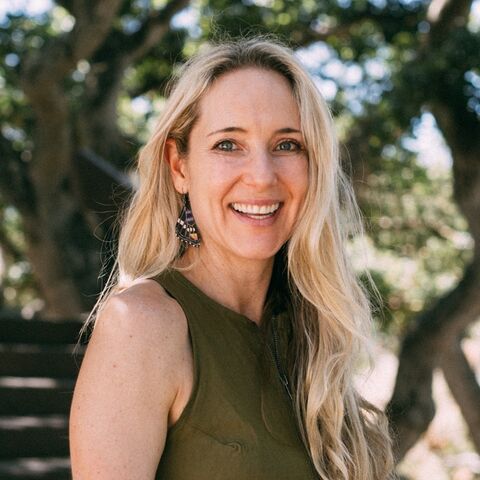
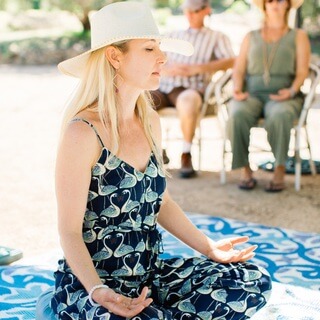
That's what I'm talking about today with Debbie Sorensen on your life in process.
Hi folks,
This is Diana and as many of you know,
Debbie and I wrote ACT Daily Journal together,
Which is a journal that breaks acceptance and commitment therapy down into six core processes where you learn about them,
Apply them in your daily life,
Journal about them.
And now we have a card deck that is out.
And in today's podcast,
Debbie Sorensen and I are going to talk about that card deck.
We're going to pull some cards,
Give you some examples of how we would use these cards in our lives or with clients.
And you get a little bit of a sneak peek as to what's been going on between us.
I'm excited about this card deck.
It's a beautiful deck and it's also hopefully going to be very useful to you.
Not everyone journals,
But a lot of people may find just these little simple practices can revive your ACT practice.
If you've been doing ACT for a long time and it's gotten a little stale or if you're new to ACT and it feels overwhelming,
Like there's so much to learn,
It breaks it down in ways that are very tangible and applied.
You could pull a card,
Put it on a mirror,
Pull a card,
Put it in your pocket or pull a card and read it to someone.
Thank you so much for listening to this podcast,
Your life in process.
And for those of you that want to do more ACT in an experiential way,
I'm going to be with Trudi Goodman and Alyssa Eppel at Insight LA looking at wanting things to be different than they are and how to integrate Buddhist psychology and stress science and ACT into practices to help you with that.
I'm going to be at Yoga Soup on May 21st and we're going to be online and in person for a two hour workshop on ACT.
You can pick up your card deck there.
And then I'm also going to be at Psychiatric Ground Rounds with Cottage Hospital and you can get links to all of those events in the show notes.
I hope to see you there.
We are wrapping up season four here.
It's been quite a season and it seems like the focus of season four has all been about relationships,
Rekindling old relationships like my friendship with Debbie here,
Building new ones like my relationship with Sonia Looney and the power of relationships to improve our health and our well-being and our compassion in the world.
I hope you enjoyed this season and I look forward to another one coming up soon.
I'm going to be taking a couple of weeks off to regroup and also put my voice out into the world in other ways.
I hope that you join me at some of the workshops that are coming up and we'll be having some great folks on the show in season five.
Stay tuned.
Russ Harris is going to be on the show and we'll be talking about concepts like letting go and nutrition and psychology.
We've got a lot of good things for you in store here on your life and process.
And don't forget you can also become a member of More Life in Process and you'll be able to continue with meditations with me.
See you all in a few weeks in season five.
So here we are.
I'm with Debbie Sorenson and we,
Gosh,
We haven't done a podcast together for over a year and a half.
And for some of our listeners,
This may be new for them.
They're like,
Who's Debbie Sorenson?
Who's Diana Hill?
We're cross-posting this on both our podcasts.
So maybe we can just introduce ourselves to start with and then we can talk a little bit about why we're joining forces again.
Sure.
I'm Debbie Sorenson.
I'm a psychologist in Denver,
A therapist.
I work with adults with stress and burnout and anxiety and other issues and co-host of Psychologists Off the Clock podcast.
And I am co-author along with Diana of Act Daily Journal and of this new card deck,
The Act Daily card deck.
And I have an upcoming book project that I'm working on.
I'm kind of putting the finishing touches on the manuscript at this point and it's called Act for Birth.
How about you,
Diana?
Introduce yourself.
Well,
Like Debbie,
Co-author of Act Daily Journal.
And I've also,
I'm a psychologist.
I'm in Santa Barbara,
California,
But I have a sweet spot for Colorado.
And I do a lot of different things.
I wear a lot of different hats.
So I work with training professionals through PESI and Praxis.
And I also lead a lot of workshops for organizations and for individuals on act and compassion.
And I have a private practice and coaching practice in Santa Barbara.
I'm also been along,
It's been fun to kind of,
We've both been working on a book during this period of time.
And it's been fun to check in on you because our,
I guess books all kind of come out around the same time.
So we've been in the similar timeline process,
But my project is a followup to the Act Daily Journal where I'm doing the self-compassion daily journal,
Which is a fun way to look at how to bring more compassion in relationship to your body and to yourself so that you can also be compassionate towards others in the world.
So that'll be fun to look forward to those like in a year,
I guess.
I know it takes a long process.
It's gonna take a long time,
But it's not gonna come out for a year.
So it takes a while.
And I think that this card deck is timely because a lot of folks,
Some folks may not be journalers,
But a lot of folks may be wanting to look at how to put act into their life and what does that actually look like?
That's what we've always been interested in.
You and I have a similar interest in that of this really fantastic model,
But then what does it look like when you come home from work and you're meeting your partner?
What does it look like when you're waking up in the morning and you want to start an exercise program?
How do you actually bring these practices into your life in a way that is workable and doable?
And so the card deck's another opportunity to do that.
Yeah,
I think that's kind of our mission here.
I think that we're both sharing here together is just this idea of making these concepts accessible.
And then,
You know,
It's really,
It's one thing to try these things out when you're in the therapy room or to learn about these ideas,
But to actually make it happen in your own life on a daily basis.
That's where I think that's what we both work on ourselves in our own lives and also really are trying to do with these books and card decks.
Also,
I think breaking it down into the six processes,
That's something that we did with the daily journal that I don't think had been done that way necessarily before of just,
Okay,
Here's the acceptance.
If we were to like take out this acceptance process and really talk about what does it mean?
What does it look like?
How do you use it?
Here's the cognitive diffusion process.
That is helpful.
That's helpful for me in terms of organizing these different processes.
And then how do you put them all together?
Obviously,
In the card deck does that.
So we separate it out into these groups of processes and we'll share some cards with you all.
But maybe even before we do that,
I'm just curious what's been happening in your life.
How are you doing since we've checked in,
But it's good to reconnect in this way.
Even book writing,
But what else has been up for you?
Yeah.
I mean,
I finished my book a couple of months ago and it's been nice to have my time back.
You know,
I mean,
I'm spending a lot of time doing my private practice and my podcasts and that kind of thing,
But I've also just been enjoying time to not be working quite so much,
Which has been really nice.
It's getting to be spring here in Colorado,
Which is nice to get out a little bit more.
And I mean,
Honestly,
Right at the moment,
I'm just more focused on like reading fiction and hanging out with my kids,
Watching the Mandalorian with them and,
You know,
Having downtime.
And it's been amazing.
I think there was that push to get the book finished up.
And so it's been really nice to have that freedom,
You know,
So it's been up and down.
How are you,
Diana?
What about you?
What's going on?
Well,
At this,
I'm coming out of sort of a bit of a too much on my plate as well.
But I think it's,
You know,
I have a teenager now,
Debbie.
And when you have a teenager,
Relationship stuff is intense.
And also just got back at midnight just a day ago from Costa Rica.
So I am coming back from leading a retreat there,
Which was phenomenal.
And also just when I lead retreats,
I'm 100% on.
And so coming back home,
Sometimes I need to refill a little bit of just sleep and rest and needing that time down,
Downtime.
How's your readjustment going back?
I'm always exhausted after a trip for a couple days.
Yeah,
Yeah,
I'm exhausted.
I think it's different when I lead these types of retreats because they fill me up too.
So I do feel like it's different than like going to a conference where I just like the bad lighting and the bad food kind of also wears you down.
So it does feel rejuvenating.
But all the things that I had put off,
Like,
Oh,
I'll do that after I get back,
Are all sitting in front of me right now.
So I'm sitting on my plate of to-dos.
And yeah,
It's just a lot to do.
But I am trying to practice what I preach.
And these processes and the card decks are really helpful to me.
Even when I was just going through,
We were going to talk about a few of them.
And when I was going through the deck to look at them,
They were good reminders to me.
And that's what I love about ACT is that you're never done with it.
You never get there.
It's something that you can open up over and over again,
And it's useful to you.
And oftentimes,
It doesn't even matter what process you land on.
I was actually having anxiety about doing this podcast with you and feeling nervous beforehand.
And that's where I turned to ACT again,
Because I had to remember why is it that I wanted to do this?
It's uncomfortable for me to come back,
Knowing that I'm going back on the Psychologist Off the Clock podcast after I left.
It has that kind of,
Oh,
My gosh,
What are people going to think?
And how have things changed?
Are people going to judge me?
And all of those feelings that come up when we are,
People probably can relate to this,
If they're going back to a reunion or they're going back to a place of work that they've been away from,
That self-doubt and the inner critic can show up.
And it was really helpful for me to go through some of the cards and remind myself of these processes that I have available that may be helpful,
Things like my values and things like how to respond to that inner critic when it shows up and how to accept discomfort.
Yeah,
It's funny.
I was feeling nervous,
Too.
And no matter how many interviews you do,
I always still feel nervous the day leading up to one.
I'm just a little preoccupied by it.
I think because this is one that we're talking about ourselves and I'm not just asking you questions,
You're not just asking me questions.
It's kind of this combination of sharing and talking about our work.
And I felt the same way.
I was kind of like,
You know,
I had a,
You know,
It's afternoon at this point.
So I had a few things earlier today and I just kind of felt like,
Why am I feeling this latent stress in the background?
Oh,
Yeah.
After I finish the interview,
I'll be able to just take that deep breath.
And I think I feel that way most of the time when I podcast.
And so it is helpful to be able to remember,
Yeah,
That's so normal.
And I'm doing this for a reason.
It's one of those things where you feel nervous about it because you care about it.
And that is one of the actual principles,
Right?
This idea that when you care about something,
Sometimes it's going to be uncomfortable.
Yeah.
And I,
You know,
I do,
For me,
My anxiety or nervousness does dial up or dial down based on how much I care about something.
And so because I care a little bit more about this episode,
It's a little bit more dialed up.
And it's actually helpful for me to remember that.
Like if I'm having more concern about something or it's more on my mind,
There's usually a value that's underneath that.
And that's where,
You know,
I think we do have a card,
A values card that says something about the values and pain card that says something about that.
And then what do we do about that?
You know,
When the pain shows up or the discomfort shows up,
Then maybe we pull on some of our acceptance skills or we pull on some committed action skills.
And that's actually what I did this morning was I was feeling it and I called a friend and was like,
Hey,
I'm feeling nervous.
I didn't even say all the details about anything.
I was like,
I'm feeling nervous about this podcast that I'm doing this afternoon.
And it was just helpful to have that social support and to get out of like kind of get out of your own self about it.
So what did you do with some of your,
You know,
Nerves?
Not much,
Just because it was pretty low level and I had a full day.
I had to,
You know,
My husband's out of town on a work trip right now.
So to get the kids to school and then I had a few clients and a few other things I had to get done during the course of the day.
So for me,
It was just a matter of I just sort of noticed it.
And it wasn't a very high level of anxiety for me.
It was just kind of in the background,
That sort of low level anxiety.
And so I kind of just,
I don't know,
Noticed it and then carried on with my day,
Which sometimes is what you have to do in life,
Right?
It's like I didn't let it derail me,
But I definitely noticed it was there.
Yeah.
Yeah.
Yeah.
That's a good that's a good contrast of sometimes it requires tending to it.
You know,
Like I'm going to go tend to that feeling and take care of that feeling within myself.
And and sometimes it's just letting it be there and not letting it be the focus of everything.
And I've got clients,
I've got kids,
I've got things to do,
And I'm just going to show up and trust that I'll show up and be myself when I show up.
So good.
Well,
We're already we're already diving in to some of these cards.
And you I think you had picked some out or were you wanting to pull them at random?
I have I have a pile here and I have not picked any advance.
So we thought it might be fun to just take a look at a couple of the cards as examples.
And the two of us can share a little bit about that particular process,
Either in our life or in our relationships or in our clinical work or something like that.
Do you want to start with one,
Diana?
You gave all your cards away.
Is this right?
You mentioned this.
We just got them like a week ago.
My love language is gifts.
Not that I not that I need to receive gifts to feel loved.
I like to give gifts.
And so we got this big box of cards like the day before I was leaving on this retreat for Costa Rica.
I was like,
Perfect.
Now I have a gift for everyone.
But I didn't keep one for myself,
But I have good thing that we wrote it.
I have the Google Doc.
And I actually did pull a few that were some of the ones that I actually were using today.
The first one is a diffusion card.
So diffusion has to do with how you relate to your thoughts and act.
And we've alluded a little bit to that,
That basically it's not always believing your thoughts to be true.
It's getting a little bit of space from your thoughts.
And this one has to do with choosing thoughts.
And I like it because I like the garden metaphor,
Which is always a metaphor that I use.
It says,
Choose which seeds to water.
Sometimes unhelpful thoughts like doubt and self-criticism can get in the way of doing things that are important to us.
Instead of giving attention to your mind's unhelpful thoughts,
Water your mind's seeds that are aligned with your values.
Encourage your positive thoughts to grow and let unhelpful thoughts to go go fallow.
So.
There's always that risk of like positive thinking,
And we were not saying just think positive thoughts here,
But rather you you always have.
Thoughts going on in your head all day,
All day long,
And even during this interview,
You're having thoughts,
I'm having thoughts,
The listeners are having thoughts,
And some of those thoughts are more helpful to pay attention to than others.
And you get to choose which ones you want to pay attention to.
So I like that concept and that card is when I use quite a bit.
Yeah,
I think for me,
That card is really about which which thoughts do you act on?
And I think I'm I definitely pay attention to that in my own life.
Sometimes,
You know,
Like all human beings,
I get so doubt or I,
You know,
I can get into all those kinds of unhelpful patterns that can derail you if you let them.
But I actually think one of the ways I use that particular concept is really is with my clients when I do thought awareness work and just help them take a look at,
OK,
What's going on up there in your noggin?
And what are some ways that maybe sometimes your thoughts derail you?
And I think sometimes just as an example,
That people when they do have self-doubt,
I think sometimes they shy away from things that they might actually really care about.
That might be really important to them.
And so that's when the skill that I'm working on with them is really about,
You know,
Can you have that thought and still do that important,
You know,
Pay less attention to it,
Give it less power.
So to me,
That's what letting it go fallow means.
It's like just let it be there,
But you don't have to act on.
Right.
Yeah.
And the behavior really being the focus,
Right,
That that you can have a thought and act on a thought and act in a way that is opposite to that thought.
We do that all the time.
Right.
And that can be quite freeing because a lot of times we feel like we're captive by the rules or the shoulds or the expectations that are going on in our minds.
It's quite empowering when you start to challenge your thoughts with your behaviors,
Not necessarily having to challenge the content of the thought.
Prove your mind wrong,
Right?
Prove your mind wrong.
I think we said that somewhere in Act Daily.
Yeah.
OK,
Do you have one?
Do you have one that you want to share?
I'm just going to draw one randomly,
But I will not pick a diffusion card because you just did.
Acceptance.
OK,
This one,
This card,
I can tell it's acceptance because on the back it tells you what process you're looking at.
These pretty blue cards.
OK,
It says the emotion police.
Many of us have learned that some types of feelings or sensations should be controlled or not expressed.
Today pay attention to moments when you're trying to hide or block your feelings.
Which inner experiences do you try to control?
Which inner experiences do you try to control,
Debbie?
I mean,
I think that probably all of them at some point or another,
Because I think that is so just what we've learned to do,
Right?
I don't know.
Let me think.
Recently,
I guess I have been trying to control stress and anxiety.
When I've been waking up,
Kind of stressing in the morning about all the things that I have to do,
And then I think to myself,
You know,
Stop worrying about it or,
You know,
I try to like get rid of that stressed feeling.
And I think that's a good example of one that we often get into that habit with,
Of trying to make it go away,
Right,
To sort of feel better.
So I try to reassure myself,
Like,
Oh,
It's going to be fine.
And it's like,
Instead,
I think there can be some wisdom in that.
Sometimes the wisdom means like,
Get out of bed and get moving.
Sometimes it means,
Whoa,
You know,
You really have too much going on right now.
You need to cut back.
And so the thing I'm working on right now is being less of an emotion police and more like using my emotions as a wise guide,
You know?
And if I'm noticing that anxiety day after day,
It's like,
Okay,
I need to,
You know,
Not take any more clients for a while,
Or I need to cut back on,
I need to say no to volunteering for this or that.
How about you?
What's your emotion police up to,
Diana?
Um,
Hmm.
I think the emotions that I like the least is when I'm irritable or angry.
It's similar to you.
Often there's a reason for my irritability or my anger,
And oftentimes it's like a bio psychosocial reason,
Right?
So there's biological factors that contribute to my irritability,
Like not getting enough sleep or,
Um,
You know,
It being a certain time of day or hormonal factors or things like that.
But like you,
Rather than trying to fix it or,
Or actually lash out from it,
Because I can act in ways that I don't like when I'm irritable or angry,
Trying to look at what,
Yeah,
What is the function of this irritability?
Why is it showing up and how can I respond in a way that,
Um,
Is tending to the situation at hand and staying aligned with my values?
So that may be sometimes stepping back and taking a break.
Sometimes it's going for a walk.
Sometimes it's expressing that I'm upset about something.
Um,
And being direct.
It's usually like with my partner or my kid about something.
So for me,
Irritability is an emotion I really don't like.
I actually really,
I,
There's some emotions that people don't like that I really enjoy.
I like sadness.
I could sit in sadness.
I could,
Um,
I don't mind anxiety that much because I'm,
I'm just run anxious.
So I think I've gotten comfortable with anxiety to some degree,
But irritability is a tough one for me.
This idea around it's our emotions all have functions.
They're all there for a reason.
We are humans with this variety of emotions.
We like some of them more than others.
And it's not that we always let the emotions run the show either,
Right?
Just because you feel it doesn't mean you have to go with it,
But it's rather having that observer stance of noticing when you're having emotion,
Just name it,
You know,
Like,
Oh,
I'm feeling this way.
I'm noticing the feeling that,
And then having enough space to be able to choose how you want to act,
Uh,
Even with that,
With that emotion there.
Right.
Yeah.
And sometimes you do want to speak up.
I think to me,
The example of irritability and anger,
You know,
It's on the anger spectrum is a good one because I think there are times when your anger is telling you,
I need to speak up about this.
You know,
Something about this isn't fair or is it violating my,
My values or my boundaries or something like that.
But there's other times when,
You know,
Irritability is showing up and you don't want to act on it,
You know,
Especially if it's towards someone you love who is,
You know,
Not necessarily the source of the problem.
I'm thinking when I'm tired and I'm running on a few.
80% of the time,
Not the source of the problem that gets the irritability.
So you don't necessarily want to be lashing out at people you love for no apparent reason,
You know,
But then there is a time and a place I think sometimes where it's like,
Actually my irritability is telling me that I'm actually not okay with this situation.
So maybe you do want to speak up and it's the right,
They say the wisdom to know the difference.
I think it's the wisdom to know the difference.
Yeah.
It's the discernment.
And that's where I feel like with the acceptance cards,
Which is what the process that we're working on here,
Acceptance has a quality of opening up and letting in that word,
Except the root of it means to take in,
To receive.
And so what we're,
What we're also accepting is we're accepting the discomfort so that then we can have that discernment so that we can see more clearly and not fighting the discomfort because when we're fighting something,
When our,
When our hands are gripped on something,
We don't have the ability to actually take wise action.
Acceptance is one of my,
I mean,
It is called acceptance and commitment therapy for reasons,
But I think acceptance is something that is very simple,
But also one of the most challenging of the processes to do and something we practice over and over again.
We accept with our mind,
With our body,
And then ultimately with our behavior.
It's a lifelong process.
That is for sure.
I think I sometimes use that example with my clients that I'm an act therapist.
I'm steeped in this kind of work.
I talk to my clients about it all day long and do I get caught up in non-acceptance and my own struggle with my experience?
Yeah,
Every day,
Multiple times a day.
It's not one of those things you ever really resolve and you're like,
Okay,
I've accepted,
I'm done.
You know,
It just doesn't work like that.
Okay.
Another card?
Yes.
Your turn.
Another process,
Another card.
Okay.
Let me see.
Ooh,
Okay.
This is a values card and I really like,
Debbie,
How we set up values with these cards because one of the concepts that I think is really powerful in relationship to values is a concept of impermanence.
And so we have a values card that says contacting impermanence.
When you connect with the fact that your life will come to an end,
You can uncover your deepest values.
We just go for the jugular there.
You're going to die.
Okay.
Given the finite amount of time you have,
What floats to the top as most important to you,
If you only had a month to live,
What would you most want to do?
Can you focus on what's most important to you today?
And yes,
We can think about values of,
Yes,
Our lives are coming to an end,
But I also like this idea of impermanence that everything is coming to an end.
So whether it's something you don't like or something you do like,
And when we start to see it in that way,
That everything is changing,
Then it helps us get clearer on how we want to show up in the here and now,
Given that change.
So knowing that this podcast is going to come to an end.
So what's most important to me and how I talk with you or knowing that I was on retreat,
The retreat was coming to an end.
As we got to the last three days of the retreat,
Every night we would go in the ocean and swim at sunset together.
It's like required ocean swimming at sunset.
And every night,
And then when we got to be like,
We only have two more left and we only have one more left,
I could see the change in the people of how long they stayed and also how they were.
They were much more present.
So the concept of impermanence is a powerful one and helps us get to our values pretty quickly.
Yeah,
That one's been,
I would say,
Pretty front and center for me recently because I have parents who are aging and going through some of their own ups and downs.
I'm aging.
I guess we all are,
Right?
I'm noticing it more recently,
I would say.
And I've had some friends who have had some pretty serious health issues recently.
A daughter who's finishing elementary school in a month or just a little over a month at this point.
And so I think at the moment,
That one is,
I just feel like life is zooming right on by and things are changing fast.
And I think there's this part of me that just wants to go back in time five years ago or wants to freeze time now.
And so I think it just,
To me,
It really highlights the importance of that,
Of just recognizing,
Well,
We have now.
We better kind of appreciate it while it lasts.
I also feel like when you realize that life is zooming by,
You can change your relationship with the time itself,
Right?
I remember that with my oldest when at the end of elementary school,
This feeling of sadness and loss and also excitement about what was to come.
Everything slowed down in those last few days of school.
And I could remember those last few days way better than I could remember maybe like the whole year.
And it was because my attention shifted to,
I want to be present for this and this is important to me.
So we actually can shift our experience of time by being in impermanence.
And that is,
I mean,
If you were being with people who are dying or with a newborn baby,
Your experience of time is so different because you realize how precious it is.
So that's a lot with your kiddo ending school,
Ending elementary school and the community that you love and all of that.
Yeah,
It's a lot for sure.
Okay,
Should I pick a card?
Okay,
I'm going to try another process that we have not talked about.
So I'm going to draw a committed action card.
Okay,
This is a good one.
I just drew randomly.
Look at my pile spread out in front of me.
Okay,
So this is committed action,
Focus on actions,
Not outcome.
And so what this card is about is how so often in life when we are working on something,
Whether it's a goal that we have or a behavior change that we're working on or something like that,
We really do get into the outcome,
Right?
Like,
I want to be able to check this off my list or I want to be able to finish this or make whatever change.
And this is more about focusing on the action instead of the end point.
And that's what the card says.
And it says,
What are three small actions you can do this week that reflect that value,
Focus on engaging with the action over the outcome?
So I'll tell you something that comes to mind for me right off the bat with this one.
Diana,
And then I'll be curious if you have any that come to mind for you.
I guess I'm just thinking about,
You know,
As the weather's warming up here in Colorado,
Just trying to get outside more and just go on more walks and that kind of thing.
And I really actually am not,
It's not so much like,
It doesn't feel like an exercise goal.
You know how sometimes we have exercise goals?
It feels to me a lot more just like,
Beautiful out.
I want to go to the park and I want to go walk around with my kids and get some,
You know,
Sunshine and vitamin D and fresh air and that kind of thing.
And I just enjoy it.
Like I went with that same daughter who's finishing elementary school.
We go on walks together sometimes.
And that's really the time that she opens up to me and talks to me about what's happening with her friends and that kind of thing.
So really much more about just being outdoors.
It's not,
It doesn't have that feel of like,
Well,
You should be going on walks.
It has the feel of like,
Wouldn't that be lovely?
Yeah,
I think it changes the way you feel while you're doing something.
And it also changes the,
Like sometimes the outcome isn't how you want it to be,
But you acted in a way that is aligned with your values.
And that will be sometimes when I'm working with clients that are maybe in a difficult relationship or they're like,
Say they're in a difficult relationship with a parent and they know they're going to go visit their parent.
And they may be as assertive and clear about their limits and loving as possible.
And their parent still criticizes them or their parents still isn't going to change or still comments on their weight or still makes,
You know,
Judgmental statements.
And what I do with clients is like,
Well,
Let's focus on your actions,
Not the outcome.
Do you feel that you were in line with your values?
Did you act in ways that if someone were videotaping you,
You'd feel proud of,
Or did you fall into patterns that were reactive to the outcome you were receiving?
Same thing with,
You know,
Behaviors around health behaviors.
Sometimes we have health conditions that aren't going to clear up,
You know,
Aren't going to get better.
And at the same time,
We can still treat our bodies in ways or take care of our bodies in ways that are aligned with our values.
So it decouples that outcome.
And I think that frees us up and gives us more power in the present moment to act,
As opposed to waiting for something off in the future that we hope will be different.
Yeah.
And I mean,
That it's not always the case that we act a certain way and we get a certain outcome that we want.
It just,
It doesn't work like that.
I love that example.
Like you can use the most beautiful,
Assertive communication skills in the world.
And the conversation still,
You know,
Feels like it was,
It didn't go anywhere.
Or,
Or you can take all these other steps and then something just randomly interferes with the outcome you had hoped for.
And that's why,
Yeah,
It's really,
I think,
More helpful to focus on that piece.
Like,
What did I do?
Did I act in line with my values?
And if so,
Great.
Yeah.
I was just talking with Katie Bowman,
You know,
My favorite,
Katie Bowman.
Yeah.
And she actually,
She was in Costa Rica when I was there.
And so we did a live thing together,
The two of us together.
And one of the things that we talked about is how this whole concept of health,
You know,
You read all these articles about health and how,
For some people,
Health is actually not a value for them or being healthy.
There's other things that they value more.
Like you're mentioning,
I want to go for a walk and be outside and be in nature and be with my kid.
And,
You know,
These other things may be more of a priority to you than I'm walking because it's good for my heart health.
And a lot of times we focus on that sort of these outcomes about health or our body size or weight loss or income that aren't immediately reinforcing for us.
And what is immediately reinforcing is the feeling of living out your values and the action in the here and now.
And that is going to be much more likely to help you continue that behavior long term if you feel that immediate reinforcement,
As opposed to some thing off in the future that you may or may not actually care a whole lot about.
That's right.
Should we do another one?
Yeah.
So this is something different in this card deck is that we have a whole set.
We added a process and this is the process of compassion.
And what's interesting is that when if you look at the six core processes of acts,
So we have acceptance,
Diffusion,
Values,
Committed action,
Being present and self.
Self is context,
Perspective taking.
Compassion,
And this is what something that Dennis Church has written about,
Is that compassion is a natural outgrowth of doing those processes.
And in some ways,
Some people at one point when Dennis was the ACBS president,
He tried to make it the heptaflex.
We try to put a seventh one and make it compassion.
But then Steve Hayes was like,
Well,
No,
Compassion is actually,
It's a value that naturally emerges as a result of these other processes.
So I think of compassion as a process.
And when you look at compassion focused therapy,
They look at compassion as one of the processes that does predict outcome and especially self-compassion in terms of benefits of therapy.
But I liked that we added that on.
And so we have a whole section on compassion in the card deck.
And the card that I pulled had to do with your inner critic.
And we write,
Curiously,
We're often meanest to ourselves when we're most vulnerable or stepping outside of our comfort zone.
What does your inner monologue sound like when you're trying something new or struggling?
Be on the lookout for your inner critic today.
What does it say?
Is it helpful?
So that's also,
I would guess,
I would say a diffusion card.
And I would add that once we start to notice our inner critic,
That we can also start to notice that there is another voice in there,
Which is our compassionate voice,
A voice that wants the best for us and a voice that is encouraging and kind and brave.
And that we can use that voice to help us when the inner critic shows up.
I think we might have another card on that as well.
That's something I use,
I think,
Clinically quite a bit is that so many people are,
You know,
Prone towards shame and toward beating themselves up constantly.
And I think sometimes people think,
Oh,
Well,
You know,
That's how I'm going to motivate myself is telling myself how many ways I'm failing at life.
And I mean,
There's research on how that doesn't work.
That tends to just get us in a shame spiral that goes nowhere.
But I also,
I like that metaphor,
And we wrote about it in Act Daily Journal,
And I've heard it other places too,
Right?
That if you were going to pick a coach or a teacher for your child or for yourself,
If you're learning something new,
Would you pick one that's just going to berate you and tell you how terrible you are all day long?
I wouldn't.
I would want an encouraging one and a kind one.
And so I think with my clients,
One of the things I'm often told is,
You know,
I'm not going to be a coach.
I'm not going to be a teacher.
I'm not going to be a coach.
I'm going to be a coach.
And so one of the things I'm often trying to do is to help them,
You know,
Notice that tendency,
To notice that tendency to be that mean coach and instead to try a slightly different voice with themselves,
You know,
That's a little more humane,
Like you're doing the best you can.
This is hard.
It's okay.
You're human.
Those kinds of things.
And I,
And I personally,
I find that to be a lot better.
I had an exercise on the retreat where I had people do like a imaginary timeline and go back in time and visit themselves when they were young and when they're having a hard time and what would they tell themselves?
And then I had them write down what they would tell themselves.
Like,
What would you tell your 13 year old self when you were struggling or your 16 year old self and write it down.
And then I,
We did this thing called watering seeds,
Gardeners and seeds.
And I had people sit in a circle,
Half of the people sit in a circle and they were the seeds and the other half of the people stood around them and we were the gardeners.
And we went into each and every person,
Each of these seeds ears,
And we whispered them,
Whispered to them what we would have told ourselves.
So we whispered to them things like,
I love you and it's going to get better.
I promise.
Or it's understandable you feel this way.
Or everybody feels this way sometimes and you're not alone or you can do this.
I believe in you.
And just hearing those words and watching the faces of the people listening to these words,
You could really feel that they were being watered.
They were really touched.
We already have a compassionate voice inside of us.
It's there.
It's just,
We often have a hard time offering it to ourselves.
Maybe we offer it to other people,
But we have a hard time offering it to ourselves and receiving it.
So that's where if our habit is to be critical or self-critical,
Like any habit,
This is just a mental habit,
We can change a habit,
But we have to practice a new way of relating to ourselves.
Yeah.
And it's really about an expanded perspective on yourself because I think so often we get this kind of like tunnel vision when it comes to ourselves where we look at things in a certain way.
And this is to me as a way of expanding and looking at the whole picture.
So for folks who are highly self-critical or shame-prone,
Usually they're just zooming in on those couple of narratives they have about themselves.
And this is about,
Well,
Let's see what else is there.
And maybe let's just see if we can kind of detach a little bit from that one point of view and see what else is there.
So this is where the processes kind of all reflect on each other.
It's like sides of a Rubik's cube where one is related to the other side.
So just by talking about the compassion process,
We're also talking about perspective taking and that expansive awareness.
And we have a number of different ones on perspective taking.
You pulled one?
I pulled one.
Perspective taking.
This one is on,
It says flexibility training.
And this is about when we make statements about ourselves like I am blank or I am not blank,
We can be more flexible by instead of getting confined by that story about ourselves,
We can try something different and do the opposite.
So we had a couple examples on the card,
Actually.
If you tell yourself,
I am shy,
You can try talking to someone new.
If you say,
I'm not a morning person,
Try getting up early.
So it's really about just being more flexible about yourself.
Yeah,
We get these self concepts,
Right?
We think of ourselves as something and then that tends to become a bit of a confirmation bias because we find information to support that belief of I am shy,
Right?
And we neglect other information.
We have the tendency just to keep on reinforcing it as opposed to doing something different.
And there is something that is very freeing when you break out of that mold of the I am.
I always look out for those statements and clients.
If anyone's saying,
I am,
I always,
They never,
Or they are,
They always,
Those to me are signs that someone is stuck in self as content as opposed to self as context.
They're not looking at the varied experience that sometimes I am this way,
Sometimes I am not.
Sometimes they are this way,
Sometimes they are not.
And that is definitely helpful.
Yeah,
People are complicated,
Right?
And I think that sometimes we forget that,
That we're not just one thing.
I do that too,
Right?
Where I'm listening when clients say,
I'm someone who,
Or yeah,
Define themselves too narrowly.
Or others too narrowly.
I think that actually gets people caught up in a lot of problems in their relationships when they define others as being too narrowly.
There's actually a,
There's a Buddhist concept of the four cups and the four cups are the first one a lot of people have heard of like,
If your cup is too full,
You're not going to be able to receive any new information.
So,
So if your cup is too full,
You want to empty your cup.
And then there's,
But the other three are interesting too,
Which is it's really hard to listen to someone if your cup is dirty.
And what they mean by that,
Like if your cup is dirty,
It's that you have a preconceived belief that's,
That's changing the way that you're receiving that information from another person.
And then the third cup is it's really hard to listen to somebody if your cup is turned over.
And that concept is like,
Then you're just blocking it out.
You just already have your idea of I am,
They are,
And you're not letting anything in.
And then the fourth one,
It's hard to listen or get new information if your cup has holes in it,
If you're not paying attention,
If you're just letting it pass on through.
And I like all of those because oftentimes when we're caught in the,
In the self,
We're caught in our cup is already full.
I already know,
Or our cup is dirty.
We have these preconceived notions or our cup is turned over and we're,
We're not listening to some,
Something that's different or a cup has holes and we're just distracted.
And that really with this perspective taking process and,
And developing our perspective taking skills,
What we're also,
It's related to being mindful and being present and staying open and aware.
Yeah.
Because I think that we have to first notice that this is happening.
So it is absolutely,
It's tied to the,
All the other processes,
Including awareness.
Yeah.
Have we done the being present one?
Is that the last process?
The last process that we haven't covered.
Do you have one ready to go?
I was just not very present for a couple of seconds because my dog was barking.
I don't know if you heard her.
My attention just got pulled by your cup.
Had holes in it.
Okay.
Plug them up.
Okay.
Being present.
Okay.
Wait,
I need to reference the Google doc for the being present.
Cause I had pulled a couple and I didn't,
You know,
Okay,
Here's the thing about being present.
We are so over inundated with mindfulness that we've gotten so habituated to it.
We almost are a little bit,
At least for me,
I'm a little bit aversive to even for the word mindfulness.
And at the same time,
I think it's the most important process.
It's the process that contributes to all the other processes.
So how can you,
How can you know your values if you're not present in your life to feel what's painful to you and what gives you vitality?
How can you practice perspective taking if your dog is barking and you're paying attention to something else,
Right?
How can you take committed action if you're not actually in the behavior and making a skillful choice?
So being present is probably the most important of,
Um,
Well,
I hate to choose one,
But it's foundational and it's,
It's in all of the other processes.
Yeah.
Why don't you pull in?
Cause you have them right there.
Okay.
Okay.
So I pulled a being present card.
It's called autopilot.
When we don't pay attention to what we are doing,
We can miss out on our very lives.
So take,
Make a goal to catch yourself when you're rushed,
Scattered,
Or disengaged and bring yourself back to the present moment.
If there's ever a card that I personally need that I have a million opportunities to work on a day in a day,
It is this one.
I mean,
Yeah.
Yeah.
Oh my gosh.
This morning I was doing all of these things and I was on my computer at the kitchen table getting ready to see a client.
I had like 15 minutes to do 40 minutes worth of work and I'm typing away and I,
I look up and my husband's face is like two inches from my face,
Putting his lips out for a kiss.
And I was like,
I didn't even know you were there.
He was kissing me goodbye.
And I was not even,
You know,
Just even conscious of it.
And it was one of those wake up calls of close the computer,
Take the minute to kiss your husband goodbye.
And that's what being present is for is actually to see what's before you,
What's available in the here and now that needs tending to.
And autopilot keeps us on our computer and not seeing our very husbands.
Right.
And I think for me,
Often I'll catch myself like just tuning out.
I mean,
I think I get in my head a lot.
And so,
You know,
I'm just doing something mundane day to day kind of thing,
Like taking a shower or doing the dishes or something.
And my mind is a million miles away and that happens to me constantly.
And so it's just this constant practice of reminding myself,
Okay,
You know,
Tune back in,
Notice what's happening.
And it's partly because,
You know,
If you're not paying attention,
You'll shampoo twice or miss your exit on the highway or whatever the case may be.
But I think it's more than that.
I think it's an internal thing too,
Because again,
You're so caught up in thinking about the future and thinking about the past that you're just missing what's happening in your life here.
And now you're missing the experience of living.
And so,
You know,
Anyone who's practiced mindfulness,
Whether it's formally or informally knows that you have to kind of continually redirect yourself back to the present moment,
Back to this breath you're taking or how you're feeling right here and now.
And so it's that practice that is being present.
It also is a relief,
I think,
When we're really stressed.
And because oftentimes our stress is about something in the future.
It's about,
As I mentioned,
Getting this 40 minutes worth of work done in this 15 minutes.
And if I were to get present and just be in the 15 minutes and get done what I can in the 15 minutes and give myself that permission,
I wouldn't feel as much of that stress,
That urgency.
Trust that in the next,
You know,
The next window,
I'll do what I can in the next window.
There's also something about,
So I think it's relief,
It's stress relieving.
And we don't know what,
Back to impermanence,
We don't know what's going to happen a week from now or a month from now.
And if we're always in the future or we're always caught up in,
You know,
Sort of mind wandering,
We're missing out on our very life that's available to us right here and now.
I have right before our talk,
One of the things that I will do for my stress relief is I go outside just for like a couple of minutes.
And I had come back to my garden and I picked these flowers that are behind me.
I picked them in my garden.
We had so much rain this year that I have like an overgrowth of chamomile.
I have like a chamomile problem.
And it was so,
Even,
You know,
I have all these things to do,
But just to go down and just take a minute to be with my chamomile and feel like this,
I don't know if my garden's ever going to look this good again.
It looks pretty darn good right now.
And who knows,
We may go into drought next year,
But just enjoying what is available to us,
It helps with so many things.
It helps with our stress.
It helps with our relationships.
And it helps us enjoy our life.
You can practice it even in the less enjoyable moments too,
Right?
When you're folding the laundry,
Doing the dishes,
Cleaning up after,
You know,
Kids' diapers or whatever it is.
Not that that's,
It's not the same,
But it's like,
You know,
Even in those moments,
You're being present,
Right?
You're being present with what is.
Yeah.
Okay,
Debbie,
I'm excited about this deck.
It's going to be out on May 1st.
And I want to just encourage people to go to local stores first to try and get it if they can.
If you have a local bookshop,
We're going to be selling it here at Yoga Soup.
And I'm going to be doing a live and online and in-person event at Yoga Soup on the 21st,
I think.
And we'll have the cards there.
You can also buy it at all the usual places.
It's New Harbinger's website and you can buy them online in various places.
And we hope you enjoy them.
And thank you so much for listening to the conversation today.
And thank you,
Diana.
It was really good to see you and have a chance.
It's been a while since we did a podcast together,
So it was really fun.
Yeah,
Good.
And I think I'm going to see you in like a week in Denver.
I know,
We're going to see each other in person soon.
It's so exciting.
It's been a long time.
Thank you so much.
And stay tuned for more good stuff on both of our podcasts.
Transcribed by https://otter.
Ai I want to thank my team,
Craig,
Ashley Hyatt,
Elaine Schmelken,
And thank you to Ben Gold at Bell and Branch for his original music.
This podcast is for informational and entertainment purposes only,
And it's not meant to be a substitute for mental health treatment.