How can we use poetry as a form of medicine?
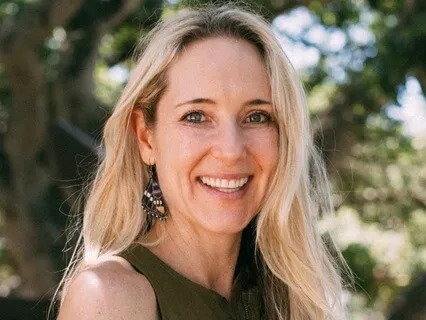
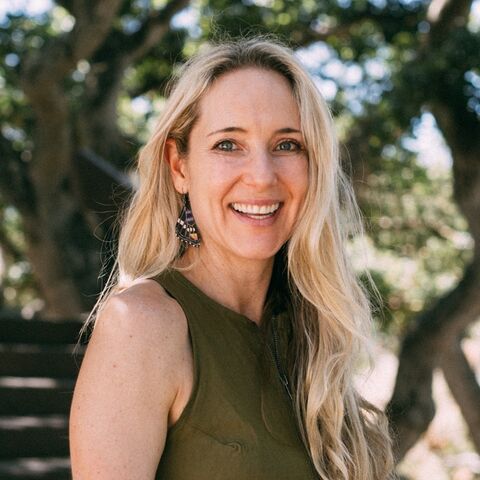
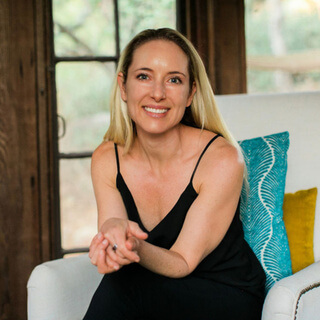
That's what we're going to explore today with Rosemary Witola-Trommer on The Wise Effort Show.
Welcome back,
I'm Dr.
Diana Hill.
I am a clinical psychologist and this show is about wise effort.
This whole month we've been focusing on wise effort and creativity.
How we can use our energy,
Our life force,
In creative ways.
Ways in which we are making things.
Whether we're making music,
Like in the last episode with Glenn Phillips,
Or we're making a book,
Or we're making poetry.
And how that making of things is actually part of our emotional processing.
It is also part of our connection and communication with one another.
I am so excited to share with you the work of Rosemary Witola-Trommer.
I've been using poetry in my work for decades.
I read poems every day on my retreats in Costa Rica.
I give poems to my clients.
I use poems in my talks.
In this most recent talk that I gave with Rick Hansen and Steve Hayes,
I was reading poetry.
Because poetry offers us a form of communication that uses our storytelling mind to get around the stories that we are stuck in.
And Rosemary's work has influenced me so personally that I wanted to selfishly have her on the podcast because I wanted to talk to her.
In her two most recent books of poems,
The Unfolding and All the Honey,
She writes about grief and the paradox of grief.
She says that although the collections aren't explicitly about loss,
They're all written in the key of grief,
Composed in that tender threshold space we inhabit after loss.
At the same time,
The poems are undeniably songs of praise for the ways we open for love and beauty and wonder,
Even for grief,
And how efficiently it invites us to embrace our humanness and the mysteries of our relationships with each other and the divine.
So in this conversation,
We're going to talk about poetry,
But poetry as an avenue to exploring grief,
Connection,
Love,
And we have a really beautiful treat of Rosemary reading some poems of hers to us.
And she'll also share about her creative process,
And she'll give you a fabulous tip on how to start a poem,
Which I am totally going to use tomorrow morning.
So enjoy this conversation with Rosemary Watola Traumer.
You're going to be moved.
You're going to want to be her best friend,
And you're going to want to go get her books right away.
Rosemary,
Welcome.
I'm so excited to talk with you.
I've been so excited all day for this moment.
I was just telling you this is like going to be a really fun episode for me and really a gift to be able to speak with you today.
Thank you.
Thank you.
I have that same enthusiasm showing up too.
Thank you.
Good.
Well,
I wanted to share a little bit about how I came about your work,
And then I would love to hear more about your story.
I actually,
A yoga teacher of mine read one of your poems in a class.
She always reads poems at the beginning of class,
And sometimes she incorporates them into the class.
And the poem that she read,
Which I hope you'll read to us,
Was the poem Surrender.
And when she read it,
I was so moved by it.
I went up to her after,
And it was,
You know,
What is this poem?
What is Surrender?
I need to have this.
Like I need it for every workshop that I ever do.
I've been reading it at pretty much every workshop that I've done since then,
Which is multiple,
You know,
Big online ones.
And I was just reading a sangha this morning and read it.
I've sent it to friends.
It led me down this beautiful rabbit hole of your work and then learning more about you through your poetry,
But then also that you write every morning.
You've been writing a poem a day since 2006.
I mean,
This is just really exciting.
So I want to learn more about the poem of Surrender,
But also more about you.
Well,
Thank you.
And I love hearing that the poem,
You know,
Resonated for you.
That,
Of course,
This is what I'm always hoping.
And I'll tell you just a brief story about it,
And then maybe I'll read it.
The poem came out of a writing invitation from Mirabai Starr.
I don't know if you're familiar with her,
But she's a beautiful writer herself and leads a grief community called Holy Lament.
And Mirabai was very important to me when my son died.
My son,
Finn,
Chose to take his life about three and a half,
Well,
Almost four years ago now.
And right after that,
Let's say maybe a month or two after a friend,
A mutual friend of ours put us together.
And Mirabai sat with me online and gave me her full presence.
And Diana,
That was one of the greatest gifts of that very difficult year was this moment where I felt her not try to push me or help me grow or give me advice.
She didn't ask me questions.
She just sat and gave me her presence.
Well,
That began a lovely relationship between the two of us.
And this first,
The title of the poem,
The Medicine of Surrender,
Came from an invitation that she had given in her grief writing group.
And I just went with it.
So here it is.
The Medicine of Surrender comes with no spoonful of sugar,
No promises,
No backup plans,
No returns,
No insurance.
The Medicine of Surrender never tastes the way you expect.
Never tastes the same next time.
Seldom has the hoped for effect.
And if there is some part of you that thinks it might not be affected,
That thinks it might hold back,
That part is most likely the first part to be flooded with the relentless truth of what is.
Oh,
Surrender,
The surest medicine that exists.
There are infinite side effects,
Wonder,
Freedom,
Rawness.
It's like opening the dictionary to the word heaven,
Or obliteration,
And knowing it's the same thing.
It's like playing spin the bottle with life,
And you French kiss whatever you get.
It's the only remedy that can help you be whole.
The only real medicine there is.
It's phenomenal.
You know,
The paradoxes that you put into that poem,
The heaven and obliteration,
That they're both in the surrender.
It's so accurate,
That feeling of the freedom and release that you have from surrendering,
Especially to something like grief,
And the complete obliteration,
And almost like the cawly,
Destructive energy of just like burn it all down,
Obliterate it all.
And you don't have a choice about that.
It's happening.
Yeah.
And the part of you that doesn't want to surrender,
That's the part that's coming for it.
That is the part.
I mean,
Obviously,
It was a poem written out of experience.
And what's so sweet,
Diana is,
And what I trust so much about writing is that if I can write what's true for me,
If I just write what's true,
Then I trust that as humans,
We,
Of course,
Are infinitely different,
But we are so deeply the same.
So that if I can write what's true for me,
The chances of it resonating for you are pretty good that you'll think,
Oh,
Yeah,
I know just what you mean about that obliteration.
Oh,
Yeah,
I know what you mean about how it comes for the thing that I thought I was going to hold back.
So that trust in just telling the truth when I'm writing has been enormous for me.
It's something that I cultivated,
I mean,
It grew over years and years,
Obviously,
Of writing daily poems,
But I didn't used to have that trust.
I think I used to much more try to rely on on this attempt to write something good,
Which I think always got me in trouble.
But if I could sit down to write something true,
Well,
First of all,
Then it's going to have it'll be worth it to me,
Right?
I'll be surprised when I write Oh,
Yeah,
Heaven and obliteration,
Actually the same thing.
That little moment of personal epiphany.
Now I trust that if I let myself go there,
It'll be there for someone else who's reading the poem also.
And when I titled the poem,
I just called it surrender,
I left out the very important first words,
Which were the medicine of and the medicine of your poetry.
It's been real medicine for me the way that I've been using it is reading it at night I've swapped.
Sometimes at night,
I just don't want to read a book.
And I don't want to be on my phone.
And a poem is the perfect thing.
You know,
It's like the perfect piece of dark chocolate after dinner,
Like you're full,
You can't do more,
But you want something sweet to send you off.
And so the poetry has been that.
And then it's also been in my in the morning as a prompt for journaling.
So a nice sort of like opening up my day before I journal and I do my meditation.
This is also by the way,
A lovely paradox,
Right?
Like they put you to sleep and wake you up,
Right?
And it's the same.
They're the same poems,
I'm guessing.
But,
But there it is,
Right?
Paradox always,
Always the poems best friend.
Yes,
The paradox.
But I wanted to know about medicine for you,
Because you talked about it that you started,
You wrote,
Actually wrote both of these books,
The unfolding poems,
And all the honey poems.
Well,
You're writing a poem a day.
So you got a lot in your bank to publish.
But you wrote them really close together.
Both of them after Finn died.
And I'm one and your father died as well that same year.
I'm wondering about the medicine of this for you like what how the poetry has helped you with your grief?
Oh,
A beautiful question.
Thank you.
What is the medicine of poetry?
I think we could say it's at least a few things.
The first of which is writing a poem is primarily foremost for me,
A practice of paying attention.
So that each time I sit down to a blank page,
And by the way,
For me,
It's almost always at night.
When I sit down to a blank page,
I have this kind of moment of inquiry,
What's here?
And I'm thinking,
What's here inside?
In the inner landscape in the inner world?
What feelings?
What questions?
What knowings?
And then I think,
Okay,
Well,
What's here outside?
What do I,
You know,
Sensually really in the world?
What do I smell?
What do I see?
What do I hear?
And then the poem becomes a bridge between these two worlds.
So it's really this gorgeous linking of the inner world and the outer world and letting them have a conversation.
What is the medicine of that?
That showing up that offering our attention to the world,
I believe changes everything about how I meet the world.
It causes an opening a spaciousness,
A curiosity.
I have been so aware,
Diana,
That that there is enormous growth potential,
I'll even say gift and beauty possible in the most difficult parts of our lives.
And that that only happens when we are able to meet pain with our presence.
When we bring presence,
Attentiveness,
Wonder,
Curiosity to what is most difficult.
It opens it up.
It makes it bearable.
It even makes it beautiful.
Does it make the pain itself beautiful?
No,
But it makes beauty possible.
All around that pain,
The pain is no longer the only thing.
That's perhaps the greatest,
You know,
That the medicine of that,
To know that the pain isn't the only thing that we are so much more than our pain.
To know that we're so much more than the pain of the world,
Not just our pain,
But the world's pain,
There's so much,
There is so much pain happening,
Right?
So to bring ourselves with wonder,
With awe,
With attentiveness,
With curiosity to what is most difficult,
I think,
Is profound,
Profound medicine.
And it's medicine we can give to ourselves,
But then we can give to each other.
One of the things that I've noticed in your poetry,
When you talk about that sort of paying attention and presence,
Is I can tell that you're,
You're paying attention to the world and the natural world in a really close way,
Too.
The way you talk about beats getting stained on your hands in one poem.
In your poem,
Tenderness,
Where you talk about a clementine and the loosening of the skin around the clementine,
And you use that as a metaphor for the loosening of,
You know,
Somebody else,
Like letting somebody in,
The openness.
And there's,
There's a way in which you're using the natural world as metaphors for us to understand our inner world.
And then,
And then we can get it,
You know,
In therapy,
We do that a lot.
And the type of therapy that I practice called ACT,
We use a lot of metaphor.
And the idea behind it is using language to get around language.
Because when we,
When we have the concreteness of our,
Of our story,
It's really like hard to get in there.
It's hard,
Like people will battle back with your story.
You know,
It's like right or wrong.
It's so black and white,
So,
So,
So much dichotomy.
But when you use a metaphor,
People can understand a concept instantly.
So the,
The poem of Tenderness,
I want to talk about that one a bit,
Because that was one,
I have,
I live in Santa Barbara.
We have so many,
You were up in Santa Barbara.
We have so many tangerine trees on our property.
And ever since my kid was,
You know,
Could walk,
He's been stuffing his pockets full of tangerines and bringing them home.
And there's tangerine peels everywhere.
And he knows how to find the loose ones and the smell of the tangerine.
And so your description was so fresh for me.
It like brought me there really quickly.
And then it was also so fresh for me of seeing couples in the therapy room,
Or me working with my own partner,
When our,
Our skin is too tight.
Versus when our skin loosens up,
And you can just peel it so easily.
And it's so sweet inside.
Oh,
Okay.
Well,
It'll be fun now to read the poem with that context.
And not maybe I'll just say a little bit how exciting it is for me to have you be using metaphors as as a way for people to show up and meet the world to meet themselves,
How much they open everything up.
I did a TED Talk about metaphors.
I think it's called the art of metaphor.
And,
And,
And how essential and beautiful and powerful it is to see the metaphors that we're using.
And to know that we can choose new ones that that's a bit and you don't have to be a poet to do it.
But one of the ways that I love to do it,
And I'll show you,
I'll tell you what I do.
This is like my little story about this is how I do the poem.
And then we'll read the poem and you'll you can listen in for Oh,
There it is.
That's what she was talking about.
So when I don't have anything else to write,
One of my favorite practices is to just choose an object,
Any object.
In this case,
It'll be the Clementine,
But it could be truly anything a doorknob,
A blade of grass,
An eraser,
Anything at all.
I think about it and and maybe maybe I'll pair it with a an abstract word like friendship or loss or innocence or judgment or anything abstract that we're curious about.
Not always that's optional.
But that's so good.
You could see eraser and friendship.
You can go with that.
And the truth is you can go with any of them anywhere like they will all take you anywhere.
And I promise I promise that you can.
You can't go wrong with us like it will always offer itself to your imagination every single time something will happen.
So I take for instance,
The this object,
Let's just say the Clementine and then I make a list of its properties.
What is it?
You know,
What color is it?
And what is the shape like?
And what is its texture?
What does it smell like?
And then I make a list of its uses or what it does.
And then the final question is,
What do you have to teach me?
And I just open myself up to that.
Sometimes there's something very obvious.
And sometimes there's nothing at all,
Which is just as interesting.
You know,
Just coming to the Clementine thinking,
What do you have to teach me and it has nothing.
That's also fascinating.
Wow,
Look at me.
I am asking for friendship advice from a Clementine.
So here's the poem that came of tenderness.
So easily the thin rind pulls away from the Clementine to reveal what is tender.
What is sweet.
It matters.
I think the way we offer ourselves to each other.
I think of how it falls open the peel of the Clementine.
I think of how sometimes when I ask how you are,
You to fall open and give me everything.
What a gift when I don't need to pry.
What a gift,
The bright scent of conversation,
How the ting of it lingers in the air.
I long to open for you this way to trust begins here.
Yeah,
What can a Clementine teach us about trust?
What could the Clementine teach us about trust about tenderness about about intimacy?
Yeah.
Yeah.
So much.
Yeah,
So much.
Who are you talking to there?
Who in this particular poem?
This one was for my husband.
Okay.
Just this.
I mean,
Don't we all know what it's like when someone is totally present with us and we don't have to dig or you know,
How are you?
Oh,
Fine.
Okay,
And tell me about your day.
It was good.
Okay.
And you know,
In like that in that digging in that prying it.
There is also there's the sweetness then that can come from Hey,
Tell me about you.
Oh,
This morning,
You know,
I felt so lonely when Oh,
This morning.
I was so excited because you know,
And just to have that little ease.
Not that it isn't also fabulous when someone we get to work for it a little I'm not saying that but but you could use so I did this therapy training this couples therapy training up in Northern California like a decade ago.
And it was emotion focused therapy,
Which is sort of a well known approach.
And I dragged my husband because I dragged him to my,
My work retreats.
And,
And in it,
They actually asked us to come up with a metaphor for when we're in a stuck spot.
What is your metaphor of you being stuck with your partner so that you can then say to your partner?
Oh,
Ours was the fog bank,
You know,
Like,
I'm in a fog bank.
I can't see past you.
I actually don't like you right now because I've been in the fog.
But I know there was another time when it was sunny.
But I thought you were great.
This view was awesome at some point,
But right now I'm not seeing the view.
And then what you do in this in this couples work is you use that metaphor because it's actually not as harmful than saying,
I kind of hate you right now.
Exactly.
It's a it's a way of saying we're in it.
We're in it.
So my skin is loose.
You peel me like a tangerine,
Or I could feel like I could peel you like a tangerine.
And there's kind of something sexy about that,
Too.
And then,
Or my skin is really tight.
I'm like,
Kind of all closed in and I can't share my sweetness.
I can't share my Tang right now.
It's a great way to communicate with each other through Oh,
I love that.
I mean,
I mean,
Isn't that gorgeous about the fog bank?
And,
And how and you're so right,
Diana,
That the metaphor somehow takes away some of the harshness of the direct language.
And it becomes this common language that we share.
So it also creates this intimacy.
I think that one of the other things that thrills me about metaphors and finding a metaphor is that once we slip one on,
We realize,
Oh,
Well,
I just tried that one on.
And now I could try on another,
And another,
And another.
And this has been,
For me,
One of the most profound ways for showing up for grief.
One thing that I did not know,
Until until I did,
Was that not only after a traumatic loss,
Or even probably a non traumatic loss,
We are in relationship with the loss of the person.
But we're also in relationship with grief itself.
And and that becomes its own relationship.
And I've been very curious in my own writing,
Again,
How is poetry the medicine?
One thing that it allowed me to do was to see through play,
Really,
If I would choose something different for grief each day,
And I did for a long time today grief is a cottonwood tree.
Today grief is a chair today grief is a window,
I wouldn't know when I began.
How why it was a window or a tree or a chair,
I just knew that I was going to see what did it have to teach me.
One of the thrilling things then was that each time I would do that,
I would notice how it opened it up.
This is again,
That bringing curiosity,
Bringing wonder to it.
So that even though it hurts very badly,
This is one way playfully even to bring wonder to it.
But I think part of the teaching for me was that it changed so much.
And I think we can get into a stuck place.
Oh,
I'm sad,
Or I'm whatever it is that we are.
And I could realize,
Oh,
Every day it changed.
Every time I'd sit down to write about it,
I could see there was a new flavor.
There was a new nuance.
And it kept me in fluent space as opposed to a stuck space.
Yeah.
Well,
From a psychological perspective,
What you're doing there is you're able to approach it,
And maybe be with it a little bit longer,
Too.
Because if it's a chair,
It's not you.
You've done this naturally.
This is actually a skill that we teach people to do,
To pull it outside of you,
Take the grief,
Pull it out of you,
Physicalize it,
And look at it.
And it's like going in the closet with the monster in it,
And you're opening the door,
And you're seeing what's in there.
And then you can be with what's in there maybe a little bit longer.
And then you said in relationship with it.
What are you here to teach me?
Because there's so much of your poetry.
I mean,
There's so much grief in both of these books,
And so much beauty coming through in both of these books of poems.
Tell me a little bit about the writing every day thing.
I meditate every day.
I don't write a poem every day.
That feels like a beautiful practice.
And to do it for almost 25 years.
Not quite.
20 years.
19.
Almost 20.
Yeah.
Sorry.
To do it for almost 20 years.
For 19 years,
You've written a poem every day.
Yes.
So as you know,
Then,
From your own daily practice,
What happens when we do anything every day is we,
Well,
A,
Have a habit of it so that it doesn't seem like as big of a deal,
Right?
It might sound like a big deal to write a poem every day.
And I certainly thought so when I started.
I thought,
Oh my gosh,
No way.
I could never do that.
Not even for 30 days,
Which was my original goal,
Just to write for 30 days.
That sounded too hard.
But when we do something again,
And again,
And again,
It does create this gorgeous fluency.
It creates this willingness to open to it in new ways.
I mean,
We get bored with it,
Of course,
Over time.
But we also get turned on in new ways each time.
Also,
We get to see ourselves go through all kinds of phases with it.
I mean,
It began just as a challenge from another poet who said,
You know,
Try and write a poem a day for 30 days.
Pick two people to do it with,
Because one of them will flake out.
And then you're just accountable to each other to do that.
And it was so thrilling for me,
Diana,
Because part of what happened when I began doing a daily writing practice was that it shifted my original focus,
Which was to write a good poem.
That's what I thought I was there to do.
Well,
I couldn't do that every day.
I thought you can't write a masterpiece every day,
Which really helped with my perfectionist.
Okay,
If I can't write a good poem or a great poem every day,
Then what can I do?
And that was when I started to realize,
This happened over time,
Of course,
But I realized if it wasn't going to be good,
I could at least write something true.
And that shift has been one of the most profound shifts in the poetry practice.
But as you know,
Anything you're learning in your daily practice shows up in every other part of your life also.
So it doesn't have to be good.
It just has to be true has become one of the promises that I make to myself.
Another one of the promises I make to myself every day is I cannot know the ending when I start.
This is so important.
I think this is good for couples relationship conversations,
Too.
Do not know the ending before you open up the conversation with anyone or your teenager or your friend or your Yeah,
Right.
Partly and part of I totally see how that might help.
Part of the reason why I feel like that's so important is when we do already know what's going to happen,
We completely cut ourselves off from any epiphany.
There's no chance for surprise.
And that has become my favorite thing about sitting down to a blank page is that every time I do it,
I have no idea what will happen.
Every time I feel like I am on the edge of something exciting.
Well,
So are we as the reader too,
Because it we don't know where it's gonna go when you start off.
And it often goes to a completely unexpected place.
Right?
Where are we going?
So in this way,
Also,
I feel like it helps our relationship with mystery,
It helps us be more comfortable in our relationship with the unknown,
Which of course,
Is every moment of our lives.
So the real point of the poetry practice,
Although I used to think it was about writing poems,
What I now know is,
The poems are just a byproduct,
And the real practice is showing up.
The real practices that showing up to like I was saying earlier to wonder what is here.
And if I can do that every day with a blank page,
Then I can do that in any moment.
Again,
And again,
It's it's to me.
It's so thrilling.
I just feel like the poetry practice opens up our humanity,
It opens up our ability to show up in everything and everything.
Yeah.
Well,
I'd love for you to read us a poem about getting wet,
The acceptance poem.
And what this made me think about actually was when my youngest he desperately wanted to learn how to swim,
But he was one of these kids that never wanted to get his head wet.
You know,
Just from birth,
Like any kind of water on the head,
He just he had a lot of sensitivities as a baby and as a small child.
And I remember him taking him to the pool,
And all of his friends would be swimming,
And he'd want to swim.
And I remember having like a heart to heart with him and saying,
Honey,
If you want to swim with your friends,
You're going to have to get your head wet.
It's like I had to break it to him.
This is the reality that we're going to have to face here.
Let's do it.
And it was this moment of like the radical acceptance of I don't want to and I have to get wet.
So when I read this poem,
It made me think of that.
And it's such a beautiful poem about acceptance.
It's it's unexpected.
It has a little bit of this unexpected part to it.
Right.
So I'll just say when I wrote the poem,
I was in Georgia.
And the rain there is so different from the rain here where I live.
I live in a place of cold rain.
And this was this was warm rain,
Which was lovely.
Georgia is also the place where my son took his life.
And so each time I go back,
I am kind of met with that I am met with the the loss that happened there.
And it's always with me when I'm there.
Acceptance.
Today grief is a long steady rain.
And the thing to do is to walk in the long and steady of it.
The thing is to let the face get wet.
But the clothes get wet.
But the hair get wet and plastered against the cheeks,
The neck.
The thing is to meet the soaking world and the soaking skin and the soaking shoes and the soaking dreams and not pretend it's dry.
Whatever longing there is for dryness.
It is soaking too.
Because it's raining.
The thing to is to walk in the long and steady rain.
To walk in the sodden,
Soaking world.
To trust that it will not rain forever.
To breathe in the scent of the wet,
Wet earth to kiss the rain to be kissed by the rain to be wet in the wet,
Wet world.
I remember when I wrote it.
Well,
First of all,
Let's say this is a great example of what I was telling you today grief is and here's the today grief is palm,
Right?
It's just another one of them.
And,
And what did it have to teach me of acceptance,
Right?
That you will be wet,
Sweetheart,
That is what's going to happen.
But I remember what was fun was just using repetition in this poem and bringing in the word walk,
The word wet,
The word rain and letting them come back again and again and again and again,
Even that phrase,
The thing is the thing is the thing is,
And just let all of that repetition because that's kind of what the rain was doing,
Right?
It was this repetitive falling and falling and falling and falling and there was no escaping it.
And in this way,
Again,
I think poetry becomes play.
Even so I'm writing obviously about something very difficult.
And yet,
The pleasure in it,
There's pleasure in it.
And this paradox,
Then that shows up in a practice of allowing ourselves to meet what is most difficult and see the pleasure that can emerge is so powerful.
There's some really intimate poems that you write to him,
To Thinh in here.
And how old was he when he took his life?
Just a couple weeks before his 17th birthday.
Yeah.
And your relationship with this teenage son and the way that you continue to have a relationship with him through the poetry.
I mean,
You give us a window into these really intimate moments between a mother and son.
And as I'm bringing up my own boys,
Of course,
It's made me think about me and my boys.
And in thinking about you as a mother,
What has it been like sharing that in such a public way?
Yeah,
That's an interesting question,
Diana,
Because before I started writing poems about grief,
And about this most difficult thing in my life,
For decades,
I've been sharing poems about everything,
Right?
So I already had a sharing practice deeply in place,
You know,
At the time.
I stopped writing poems right after he died.
I didn't write poems for 49 days.
And still had,
I think,
The practice of showing up that was very available to me.
I was very aware of this being the real practice,
Even though I wasn't writing poems.
But what I noticed then was that when I did begin to write poems again,
And to put them into the world,
There was nothing else to be writing about,
Right?
But missing him,
My relationship with grief,
And my relationship with what's still here,
Right?
My daughter,
My husband,
The land,
My friends.
So all of these things,
Then bringing them all back in,
They're still there,
Although not with this new flavor that came through everything.
And so I didn't really think twice about it.
I'd already had a habit at that point for almost 20,
Well,
No,
For about 15 years at that point of putting them on a blog,
And sending them out in an email.
So that's what I did.
It was already what I did.
So I just continued to do what I already did.
And I honestly didn't think about it much.
It didn't feel that different from what I'd already been doing.
Although,
Let's be honest,
I also every now and then have a moment where I'll think,
Oh,
My God,
You just sent that out to 1000s of people.
And then I'll have a small freak out about it.
Because usually I don't think about it.
I just hit send and it's done and I go to bed.
But every now and then I'm like,
Oh,
Oh,
Honey.
You're naked.
And I think this is part of it,
Too,
Is that when we practice anything,
Whether it's practicing writing a poem and showing up,
Or practicing sending out a poem into the world,
When we do it when the stakes are lower,
That I think that's what allows us to continue to do it when the stakes are high.
It's because we have already like a muscle,
Right?
We've built it up like a muscle.
And now we have the ability to do that without without even thinking it's it's,
It's a habit.
Yeah,
There's a habit to it.
There's also the it didn't destroy me last time I did this or the 100 other times,
You know,
There's the you've been through the other side of it.
So your nervous system remembers that you're okay,
In some way.
I've been picking some poems for you to read some of my favorites.
But after talking about Finn,
I'm wondering if there's a favorite poem of yours that you wrote about him.
Oh,
Um,
Oh,
Gosh.
I mean,
There's quite a one that comes to mind.
I mean,
Yes,
You know,
You have thousands.
Yeah,
Let me.
I'm just thinking of the one about putting about going to sleep.
Yeah,
You know,
I just opened that one page 27 on all the honey.
Oh,
Good with the stars all around.
Oh,
Well,
That isn't the one I meant.
But you know what,
That is a really good one.
Because it this poem,
Actually,
I wrote for him the week before he died.
And he was having a very difficult time.
He was in Ecuador,
And was calling me frequently struggling around things happening with his friends mostly,
And,
And also with some physical things.
And was so agitated,
And I wrote this poem thinking that it was for him.
It was much later when I read the poem,
Let's say many months later,
After he died that I read this poem again and thought,
Oh,
Oh,
Sweetheart,
You wrote this for you.
With the stars all around.
I wish you the peace of sleep.
Your breath,
A canoe that carries you toward the next moment without any need for you to touch the oars.
How easily you arrive.
Oh,
To trust the world like that.
Trust you will be carried,
Not just in sleep,
But in waking dreams.
Trust no matter how high the waves.
The skiff of grace has a seat for you.
Oh,
To let go of the oars.
There is no steering toward what comes next.
Diana,
I had no idea what was coming next.
Just like he didn't.
I mean,
None of us ever do.
But looking back now at that poem,
There was nothing that could have prepared me for his death.
I think there was nothing that could have prepared him for the choice that he was going to make.
And who knows what came next for him?
We don't know,
Right?
I have no idea.
And so to let go of the oars,
To let go of them again and again and again,
Knowing that if we trust life,
I think trusting life is also trusting death.
I don't know that we can really separate them.
But that's a deep trust that I think I'm continuously learning to live into.
For you as a mother,
To let go of the oars,
Especially at that time when your child is calling you,
You know,
And you're in another country and they're so far away.
And that's not the time when our instinct is to go to bed and let go of the oars,
Right?
Everything's like,
I'm flying out.
I'll be there.
Yeah.
Yeah.
My parents had a poem in their bedroom growing up.
It was calligraphy.
I actually think my mom took a calligraphy class and she calligraphied it.
She's a painter and did some.
.
.
I just remember it so clearly,
The black calligraphy and the little art pieces that she did around it.
And it was from the prophet.
I don't know if you've read this one.
Your children are not your children.
Yeah.
Your children are not your children.
They are sons and daughters of life's longing for itself.
They come through you,
But not from you.
And though they are with you,
They belong not to you.
Yes.
You can give them your love,
But not your thoughts.
They have their own thoughts.
You can house their bodies,
But not their souls,
For their souls dwell in the place of tomorrow.
The house of tomorrow.
The house of tomorrow.
Which you cannot visit.
Not even in your dreams.
You can strive to be like them,
But you cannot make them just like you.
For life goes not backward,
Nor tarries with yesterday.
You are the bows from which your children,
As living arrows are sent forth,
The archer sees the mark upon the path of the infinite,
And he bends you with his might,
And his arrow may go swift and far.
Let your bending in the archer's hand be for gladness.
For even as he loves the arrow that flies,
So he loves also the bow that is stable.
Yeah.
Such a poem.
Such a poem.
I did not get it when I was a kid.
I was like,
Why is this one in the bedroom?
We wouldn't.
These things you can't know until you know,
And then you can't not know.
Until you're a parent and you're like,
Oh,
I'm the bow,
And that arrow is flying wherever it's going to fly.
It's not,
I can't.
Once it's out,
It's on its way.
Yeah.
That poem about the stars,
It's interesting.
I had that one earmarked in here because I read it to my son.
He comes into bed with me and I read it to my son at night.
I was like,
This is a good one.
This is a good poem to put you to bed with.
He said,
Oh,
That would be so good to take on a camping trip when I'm away from home and we could read it.
We could think about going to sleep at night.
Oh,
That is so sweet.
The story behind it has so much more oomph to it now that this was you writing to your son,
But really writing to yourself to let go.
Yeah.
Yeah.
Do you know,
It's making me smile too.
Finn and I had a ritual when he would go off to camp,
We would talk to each other through the stars.
So that was always our,
You know,
I'll talk to you through the stars.
Every night I'd talk to him through the stars.
Yeah.
Yeah.
There's a lot in here about your daughter too.
I mean,
Your whole family,
I feel like I know you.
I know your daughter.
I sense the intimacy with your husband.
It's like,
It's all good.
But yeah,
There's lots about her in here and the two of you,
How you navigated grief together as well.
Yes.
You know,
I think that I have been aware,
Especially in the beginning,
You know,
Poem after poem after poem was about meeting the loss of Finn and meeting grief.
And one thing I was aware of at the very beginning,
Like day one,
Diana was that I had lost a child physically,
And I still had a child here presently,
And just how much of a responsibility I had to still be her mother,
And to still take care of her,
And to make sure she knew how loved she was,
And to put a lot of focus and attention on her also.
You know,
Even I'm thinking about the second day,
She said something like,
Mom,
You've got to eat.
And there was no way I could eat.
And yet I thought,
Oh,
My gosh,
I am eating,
There is no way this girl gets to worry about me.
You know,
So I had this awareness that that I needed to take care of myself very well,
To take care of her.
Another way that looks,
For me is to make sure that I continued to write the poems about her also.
And then I put them in her room.
So you know,
I always leave them on her bed so she can read them.
And for her to know that,
Yes,
I mean,
There's a lot of focus that goes toward grief.
And for me also,
How healthy it's been to put a lot of focus toward what's still here.
Nourish that.
Yeah.
Which leads to this poem about practical application.
You said no one had ever,
No one had ever read that.
You asked me to read this poem for,
Like,
Well,
I'm a psychologist,
And I like the behavioral activation,
Practical activation,
Because we can be in grief.
And then sometimes we've developed a relationship with grief,
And then sometimes we need some practical application of just being in our life.
And I loved this because it just,
Well,
There's so much that you remind me of me.
I mean,
I think that we would be good friends,
And we would go to the farmer's market together,
And we'd work in the garden,
And you know,
I have all these fantasies about you.
But we'd make some pie.
So let's talk about the practical application.
All right.
I'll read the poem first.
Practical Application Knowing now how one moment rewrites every moment after it.
How,
In an instant,
The heart can trip over its own beat and need to be retaught how to love.
How irreversible takes only a second to say and yet contains all eternity.
How quickly our breath can be claimed by the tides of forever.
For this,
I buy deep pink tulips for the table.
For this,
I make Dutch apple pie.
For this,
I walk through the canyon in moonlight.
I remind myself,
No guarantees.
For this,
I pull you in and hold you.
For this,
I stand still in the spruce trees and breathe.
I call it the ambush when I have no idea I'm about to start crying.
But then,
You know,
I think this,
Yeah,
This poem really does talk to that.
How do we still show up in our lives knowing how quick it can all go?
How does that change our understanding,
Our full body understanding of how precious it is to be here,
To hold each other,
To stand in the trees,
To breathe in that scent,
To bake that pie?
What a gift,
All of it,
Gift.
Well,
Rosemary,
What a gift to be reading your poems morning and night and then have you read them to us and to share them in this way,
Hear the stories behind them.
I want to keep talking to you.
I could do like a two-hour episode here,
But this has been so beautiful,
So phenomenal,
And your poems have just been medicine for me,
For my clients,
For the people that I'm sharing them with.
And I love that you have that.
And it's such a gift to us to be able to have these podcasts because we learn from each other and we get more.
I mean,
This is,
I feel like this is an act of creativity,
Right,
To talk to a poet on a psychology podcast,
Right?
And it's opened me up and I'll use it in my practice.
So thank you.
Thank you for taking this time and I'm excited to continue our conversations.
Thank you,
Diana.
Thank you so much for listening to this episode of the Wise Effort Podcast.
Wise Effort is about you taking your energy and putting it in the places that matter most to you.
And when you do so,
You'll get to savor the good of your life along the way.
I would like to thank my team,
My partner in all things,
Including the producer of this podcast,
Craig,
Ashley Hyatt,
The podcast manager,
And thank you to Bangold at Bell and Branch for our music.
This podcast is for informational and entertainment purposes only,
And it's not meant to be a substitute for mental health treatment.