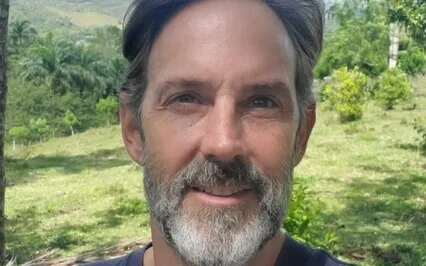
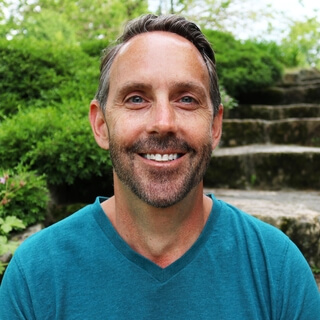
Welcome to Life Lessons and Laughter with your host,
Glenn Ambrose.
Hello,
Hello,
My friends.
Hello.
So what's happening?
Happy Sunday.
It's a Sunday right now when I'm recording this.
So yeah,
Aubrey and I kind of missed each other a couple times with all kinds of stuff going on.
So I just decided that I'd hop on and record one myself.
I got to do some traveling,
Go see my son and stuff.
So I just kind of wanted to get one on the books here for tomorrow night.
So the other day I was sitting here and I was getting some information.
Like this is welcome to my life.
This is what I kind of do.
Like sometimes I'm just sitting around and something captures my attention like a thought and I'll start following it.
And I start getting like downloads of information,
Kind of different ways of looking at it and kind of clarity and what I call clarity on things.
So that was happening the other day and actually I had a few of them.
The one I'm talking about today was around the increasing global sensitivity.
Sensitivity is increasing and it's increased in lots of different ways.
Some of them are like what people call sensitivity disorders.
I think we're going to find in the future that they're not actually disorders.
There's a specific reason why people are coming in with these heightened sensitivities like autism and stuff like that.
But that's a whole other story.
What I'm talking about today is we're just more sensitive than we are.
And this is one of the reasons that there's problems generationally,
Especially now because we don't understand future generations or previous generations for that matter because they're not like us.
There's a bigger difference in the generations about who we are as people foundationally.
So what I mean by that is like for 100,
000 years people were very similar.
Like on their outlook,
You did what you were told.
You beat your kids if they didn't pay attention.
That sounds cruel to us now,
But that's how society was for 100,
000 years.
So for us to go from not beating our children to where we are now in two generations,
That's a dramatic shift.
And we're starting to go like,
Wow,
Like my parents beat me or the way that my love was shown to me conditionally as opposed to unconditionally kind of messed me up as a kid.
Like that didn't happen two,
Three generations ago.
Like people weren't laying in therapist's office going like,
Oh,
The way my dad yelled at me when I was six and it really hurt my feeling.
Like people weren't doing that.
It was accepted.
It was just how we were,
But we are changing as a species.
So our sensitivity is heightening so we can enter into the direction of more loving relationships and a love-based reality.
So this is what's happening generationally and globally.
So I was tuning into that aspect of the sensitivity increasing generationally,
And what was coming in was I started seeing the correlation why people are arguing over everything.
So sensitivity is where we are heightened.
Our sensitivity is heightened.
So what that means where we are,
It's kind of hard to explain.
So where we are as a species,
We are in the learning curve of all this.
So people are coming in more sensitive.
We are more sensitive,
But we're living still amongst a bunch of people who aren't sensitive.
They're either not embracing the levels of sensitivity within them,
And they're just kind of holding on to old-school beliefs.
No,
That's how it should be,
Man.
That's how it was,
You know,
That type of mentality.
Some people just aren't capable of opening.
We still have previous generations that are still here,
So their energy and their belief systems aren't fully changed yet.
We're still getting used to this heightened sensitivity and trying to figure it out.
And a lot of what's happening is,
Like,
I think one of the problems is we are not in control of our emotions because we're new to even feeling them to the level that we are.
This is part of our heightened sensitivity.
If your sensitivity levels are heightened,
You're going to feel emotions,
Right?
So if you're not used to feeling emotions or navigating emotions,
They basically take you over because you're not in control of them.
They're in control of you.
So I think that this is kind of where we are right now.
We're not really in control of our emotions the way we need to be.
You know,
Everybody's running around honoring their emotions,
Honoring their emotions.
And I get it.
Of course we have to feel our emotions.
We have to feel them.
They're there for a reason.
But it's way over the top right now,
And I think it's because we're in a learning curve.
Like I said,
We're literally honoring our emotions.
We're honoring them.
Think about what that means.
We are honoring our emotions.
What do you honor?
Something that you kind of put up on a pedestal,
Right?
You honor a god.
You honor somebody who did something amazing maybe that you can't do.
So we honor things that we put above us.
So we are not in control of our emotions.
We shouldn't be honoring them.
We should be feeling them.
We should be respecting them.
I think we're honoring them.
We're going too far.
Now,
Granted,
I understand that this is semantics.
I'm trying to make a point.
Some people mean honoring just means to them allowing themselves to feel it.
I'm just trying to make a point.
So don't get hung up on the word that I choose and what your meaning of that particular word.
Just try to understand what I'm saying.
Because I'm trying to put words to something you can't put words to.
So don't get hung up on the words.
This is a spiritual concept,
So it's grand.
So the words are just pointers towards things.
So we're not really good at being in control of our emotions,
Yet our sensitivity is heightened.
So what's happening is,
Like,
What are our emotions there for?
They are there to let us know that whatever is triggering the emotion is more important than the norm.
Okay?
So,
Like,
We have a brain that thinks,
And we also have emotions.
So what's the difference between those two?
Well,
Our brain is supposed to navigate most situations in life.
How to handle a driving situation.
What to do if the grocery store runs out of an item that we have.
How to express our point about a baseball game.
Lots of just day-to-day things.
That is our job's responsibility,
Our brain's responsibility.
It's our brain's job.
If we're in a heightened level of sensitivity,
And we're not in control of our emotions,
It triggers our emotions,
Too.
You see?
So our heightened level of sensitivity,
What's happening,
Since we're not in control of our emotions,
Is our emotions are getting triggered over everything.
Over a baseball game.
That was a horrible call.
They got a fire.
That's an injustice.
We have to find the referee and threaten his family.
I mean,
This stuff has literally happened.
Like,
They've had referees' families get threatened.
The lives of their families over a sporting event.
I mean,
Wow.
You know?
I mean,
Of course that's not the norm.
Bring it down to something maybe that you can relate to easier.
Compare.
Don't identify.
I'm sorry.
Don't compare.
Please identify.
Identify with how what I'm saying might resonate with you.
So where does this fit into your life?
What do your emotions get triggered over that they shouldn't be getting triggered over?
Do you take it personally if they run out of broccoli at the grocery store?
Like,
Is this some absurd,
Insane problem that shouldn't be happening on the planet and it's ridiculous and I want to talk to the manager?
Or even if you don't take action on it,
Is that what your brain is telling you?
Like,
That's when emotions are triggered.
It blows things out of proportion because there's all this.
What emotion does when it gets triggered is it becomes – it's there to capture our attention and say,
Hey,
This is important.
Right?
So are your emotions getting triggered on things that aren't important?
That's my point.
Running out of broccoli,
You can find a way.
Your family is not going to starve.
It's really not that big of a deal.
So your brain can figure out how to address that.
Maybe you can use something other than broccoli in that particular recipe,
Maybe cauliflower.
Like,
Your brain can figure out things to do.
Maybe you can decide to eat something else for your next meal.
Do you see it doesn't have to be an emotional situation,
Which everything is nowadays.
Everybody is arguing over everything.
Like,
It's the end-all,
Be-all.
You know,
Everything that happens.
So if we get in control of our emotions a little bit better,
I think this is part of our learning curve.
Getting in control of our emotions a little bit better so we can actually just be like,
Oh,
No.
Like,
This isn't anything to get emotional over.
Like,
It's okay.
You know,
I can use my brain for this.
We have to be more in control of our actions and how we interact with reality instead of just getting pulled away from our emotions.
And then if anybody says,
Well,
Geez,
Like,
You're awfully emotional about this.
You're not validating my emotions.
And then there's more emotions.
Like,
Whoa,
It's a cheeseburger.
That's it.
That's it.
Like,
Relax.
You know,
This is why we're feeling like everything is so damn important.
People get outraged and just livid at each other over what?
Because we disagree on a solution to a particular issue?
We both want – and this is what it is.
We get so carried away with our emotions that we can't even process information.
So,
Like,
This is why people on the same side of an issue are all arguing about the issue with each other because one person says,
Well,
We need to do this to solve the problem.
And the other person says,
Well,
I think we should do this to solve the problem.
And we go,
Like,
Well,
You're against me then.
It's like,
No,
You're both trying to solve the problem.
Don't you see that that's the most important thing?
That you guys both see that this is a problem and you think it should be solved?
Like,
That's way more important than agreeing on a solution.
Breathe.
You're not enemies,
You know.
So,
Yeah,
This is what I'm seeing.
It's the global – and it's global,
You know.
It's generational.
We are coming in more sensitive.
And those of us that are already,
Of course,
On Earth and been born here and been living here,
The atmosphere is getting more sensitive.
Well,
That's the wrong term.
The atmosphere is becoming of higher vibration,
Which is conducive to a more sensitive world,
You know.
It's changing atmospherically,
Man.
And we're changing as people.
So,
Like,
We're down here trying to adjust to the constant vibrational raises that the Earth is going through because of what's happening here on Earth.
You know,
It's getting about this close to being absurd to not believe that there's a spiritual shift happening on the planet at this point.
Like,
I mean,
I understand,
You know,
Like for the last five,
Ten years,
I've understood that,
You know,
I can see it because I talk about spirituality all the time.
And,
You know,
This is the lens in which I look at life.
So,
Of course,
I'm going to see it more.
But at this point,
Like,
It's manifesting in so many ways on Earth.
There's so many changes happening here on Earth.
Like,
And I understand that your perspective on what those changes are and what they mean will affect this.
But at some point,
I'm hoping that people are starting to just entertain the possibility that there might be a spiritual shift happening on the planet.
That's all.
Just I'm not asking you to believe in it or anything.
You know,
You just look at it through your own eyes.
You have the right to your own perspective.
But if you're not making sense of reality here on Earth,
If you're looking around at Earth and you're just going,
There's so many problems,
Everything's falling apart.
It just doesn't make any sense.
Everybody's arguing.
Everybody's hateful.
Like,
I don't understand what's happening.
Like,
If you get to that place where you just can't make sense of what is going on in the world,
The reason you can't make sense of it is because you're looking at it from the wrong perspective.
Like,
Everything's like that.
This is not a new concept.
You know,
It's the chaos theory.
Like,
You know,
A lot of times you're too close to it.
So you got to take a step back to gain perspective.
And then all of a sudden things start falling into place.
You're like,
Oh,
My God.
You know,
This is how I make sense of things all the time.
It's about stepping back and looking at the global scale,
The global changes and going,
What if?
Like,
I don't say,
Well,
I'm going to look at my life as if a spiritual awakening is happening and that the vibration of love is rising.
And I'm going to try to figure out some sort of reality that backs that.
That's not what I'm doing.
What I do is I go,
I don't understand this,
Why this would be happening.
Like,
Logically,
It just doesn't make any sense.
So maybe I'm looking at it wrong.
What if I take a step back?
And then all of a sudden I take a step back and then I go,
What if there's a God that loves us?
Or what if there's an impersonal universe that just wants its own expansion?
That's all it wants.
It's just created to expand and it just wants to continue expanding.
I am part of that universe.
So therefore,
If I expand,
It expands.
Well,
What would my personal expansion be?
Well,
I don't know.
If the universe created me and I'm part of it and the universe is obviously intelligent,
It has some sort of intelligence to it.
What could the system possibly be for me to become,
To expand?
Like,
What would that look like?
What would the universe set me up?
Like,
How would I know?
How would the universe get me to do what it wants me to do,
Which is expand?
Well,
Maybe it would make me feel good when I do things that expand.
And it would make me feel bad,
Experience negative emotions when I do things that make me constrict.
That would make sense because most people don't like to feel bad,
So they'll probably do that less.
And they like to feel good,
So they'll probably do that more.
And so,
Even if this is some impersonal universe and there's no loving God,
That would make sense.
The universe wants to expand.
I'm part of the universe.
It wants me to expand.
So the things that make me feel good,
Like love or becoming more of myself,
That makes me feel good.
So therefore,
I'll do it more.
And the more I do it,
The universe will expand.
And so it gets what it wants,
Just scientifically.
Maybe that's how things run.
Or maybe there's a loving God that actually cares about me and wants the best for me.
Still would have the same system,
Right?
Doesn't matter if there's a loving God or if it's universe intelligence.
The same system applies.
If God just loves you and just wants you to be happy,
Then the things that make you happy make you happy.
It's going to set us up so we become more of ourselves.
Well,
How are we going to know what becoming more of ourselves is?
Well,
It makes us feel good,
So we're more likely to do it.
And then when we do things that God doesn't want us to do because it hurts us,
And God doesn't want us hurting ourselves,
Then that feels bad because he loves us.
So things he doesn't want us to do,
It makes it feel bad.
And the things that he does want us to do,
It makes it feel good.
See,
It's the same system.
It doesn't matter what you believe.
What matters is that you lean in the direction of what makes you feel good.
So this is how I make sense of stuff,
Is taking a giant step back,
Gaining perspective,
And then just going,
What logically makes sense?
And even that,
I've even looked into that.
Who says my logic is the right way?
And now there's a certain part of it that we all have different perspectives,
Right?
This is why I don't anchor down and say,
I know the truth about everything.
And quite honestly,
If I go within and check with my heart and information downloads and all this stuff,
Intellectually,
I think there probably is some truth to what I say,
I think,
But I don't know.
I'm not the universe.
I'm not God.
But again,
It's along the same lines.
So I go,
Okay,
What makes sense to me?
Well,
If a universe wanted me to figure things out,
Why would it have things that don't make sense?
Like if I step back and I gain perspective and I look at life one way and it doesn't make any sense whatsoever to my human brain,
And then I look at life another way and it makes perfect sense in my human brain,
Why would I think that the way that doesn't make sense is probably true and the way that does make sense is probably false?
Why would I come to that conclusion?
I think the way my brain works is probably in alignment with what created me,
May it be a universe or a God.
So I go,
Okay,
Well,
Maybe what makes sense is more likely to be true than what doesn't make sense.
So I take this type of mentality and I look at it and I go,
What if there was a spiritual shift happening on the planet?
And what would that consist of?
How would it manifest?
Well,
We would have to change the consciousness,
The way people think,
The way people interact with life.
Okay,
How the heck would that happen?
Well,
The way they think would have to change.
Like,
Okay,
So we'd have to turn people toward,
People would have to be naturally more inclined to head in the direction of love and less inclined just to accept things the way they've always been.
Yeah,
Okay,
Is that happening on the earth?
Yeah,
Man.
This is why I think that the spiritual shift started probably in the 60s with the hippies,
Because they questioned everything.
Longstanding belief systems got questioned.
They started talking about love being a way of doing things.
I think that that's when it started.
So bring that into now,
Now we have people arguing about everything.
Well,
Yeah,
Of course,
It's going to get worse before it gets better.
Because,
You know,
Think about spiritual awakenings.
And don't even call it spiritual awakenings.
Who has changed their life dramatically for the better?
And how has it usually happened?
As a general rule,
Probably 90,
95% of the time,
Maybe 99% of the time,
When people change their life dramatically,
When they stop living dysfunctionally and start living functionally and more love based,
It's happened through suffering.
Why?
Because we're very habitual beings.
It's hard for us to think of changing.
It's hard for us to flush down the toilet all the social conditioning that we've been raised in through generations,
100,
000 years of generations conditioning us,
Making us believe this dream of the planet.
It's hard for us to flush that down the toilet and pop open to a completely entire new way of looking at life and interacting with it.
And that's all the spiritual awakening is.
It's just a shift of perspective,
A shift of perception.
So you just start looking at things differently.
How,
Like,
How do we induce that in people?
Usually through suffering,
Because it's only through suffering where we're willing to let go of everything we thought was true and open up to something completely different.
So,
You know,
Has that been happening?
Yes.
That's how it's been happening.
And is that increasing?
Yes,
It's increasing.
Okay,
Could that happen globally?
If we're looking at a spiritual shift taking over the planet,
Yes.
See,
This is how I come to these conclusions and all this stuff.
You know,
It's not baseless.
It's just common sense to me.
When I start going deeper and then you start looking at these kids.
This is why,
Like,
To me,
The millennials are such a great example,
Because,
Like,
You know,
We've been complaining about the millennials for the last since they came into this planet,
Like the last 30 years.
Oh,
These millennials.
Oh,
They don't have any work ethic.
They don't want to work.
They just,
You know,
And I've been saying that,
Like we've been saying,
They just want everything handed to them.
That's us hanging on to the old way of being.
Really,
If you look at what the millennials have been asking for,
And I've done research on this and I've talked about it before.
I've done detailed research on millennials and what they are asking for and what they want.
Through a marketing mentality,
Because they've researched it,
Of course.
And basically it said that they wanted to work for companies that made a positive difference in the world.
They wanted good pay and good vacation,
Like good free time,
Flexibility,
That type of stuff.
So flexibility,
Good pay.
And everybody's been barking at them for 30 years and they still are going,
Oh,
You think you can just have that?
It's like,
Wait,
Wait,
Timeout,
Timeout.
Because we didn't just have that.
We think that they shouldn't just have that.
Why shouldn't they have that?
Why shouldn't they have a job where if they bust their ass every day going into work and do a good job,
They get paid an actual good living.
Where they can actually afford a good place to live and afford a car.
Most people working jobs 40 hours a week or more cannot afford their own house.
Fact.
They can't afford their own house.
Most of them can't afford a one-bedroom apartment and a car payment.
Fact.
Most people working a 40-hour job cannot afford a one-bedroom apartment,
Which is a roof over their head,
And a car to drive,
And food.
And when the millennials stand up and say,
We think we should be able to afford that,
We jump down their throats and go,
Oh,
You're so entitled.
Wouldn't it be a better world if people that worked 40 hours could afford a one-bedroom apartment and a car payment and food and go on a nice vacation with their family?
Wouldn't that be nice?
Wouldn't that be a wonderful world to live in?
Hit the brakes,
Peeps.
Think about what you're saying.
Think about what you're judging other people for.
So now we've had this whole generation that we've been putting down.
Now look at the workforce that we're in.
I just did a podcast on this.
Look at the workforce that we're in.
These millennials are taking over the workforce,
Plus there's so many people stressed out because the work conditions are so horrible,
Plus all the crap that went on in COVID,
That we're actually shifting the entire job market.
That's never happened before in human history.
It's now an employee job market instead of an employer job market.
Employers can't rule with fear anymore.
And before you start standing up and going,
Yeah,
That dynamic isn't good,
Baloney,
Man.
These people have been making,
There's been a funnel upward of money forever.
And I'm not saying it has to be completely,
Perfectly even.
But what I'm saying is,
Why should people not be able to live the basics of life,
A decent life,
And actually an enjoyable life?
Even be able to go to Mexico or the Dominican Republic or Europe on a vacation.
Yes,
Working 40 hours a week,
You should be able to do that,
I think.
If we lived in a utopian society,
If we lived in a world that we would actually like,
Yeah.
I think people working at McDonald's busting their ass or digging ditches also deserve to go to Europe with their family.
I believe that.
And I would like it if our world represented that.
And that's the direction that we're heading.
Because people are just like,
No,
Man,
It's not worth busting my ass while the CEO makes $150 million.
You know what?
The CEO can make a million.
It doesn't have to be even.
The CEO can still have,
We can still have the levels where if you work real hard and rise up the ladder,
You get to experience more.
Maybe you get to go to Europe,
Africa,
And Asia instead of you being able to go having a house in Europe,
Africa,
And Asia.
Why do they have to make $150 million?
Why does the difference have to be so great?
Why do the workers at the bottom have to make,
I don't even know what the minimum wage is anymore,
$15 an hour?
Or $17 an hour while they're making $150 million?
Why can't they make $1 million or $2 million and have everybody else make like $40 an hour?
Why not?
Wouldn't that be a better world?
Of course it would.
They don't need $150 million a year.
It's ridiculous.
So this is the type of changes that are coming into the world.
This is why I'm saying you got to start believing at some point.
These things aren't accidents.
I've been talking about them for years.
Go back and listen to old podcasts.
Listen to a podcast I did five years ago talking about the same thing,
About the millennials.
And then see how it's manifested into reality now.
It's in the process of manifesting into reality as we speak.
People are getting $10,
000 signing bonuses just to agree to stay at a job for one year.
Above and beyond their pay.
Above and beyond their pay increase.
It's happening.
We're not going to be ruled out of fear anymore.
People are starting to claim their self-love.
It's a beautiful thing.
But there's a learning curve.
I guess this is how my brain works.
And I know that not everybody's brain works this way.
But to me,
It's extremely helpful to understand the big picture instead of just bits of information.
So this is why I talk about this type of stuff.
I've painted this big picture about global transformation and generational transformation.
And global spiritual shifts and all this stuff.
And the reason I'm doing it is to give you an overview and a big perspective.
And then you go,
OK.
And not to get you to believe it.
Just to get you to entertain the possibility that maybe that's happening.
Then you're like,
OK,
Maybe.
All right.
And then zoom down into the microcosm.
That's the macrocosm.
Zoom down into the microcosm and start going,
OK,
So how is this manifesting in life?
Oh,
Well,
The workforce change.
OK,
That's smaller.
That's more specific.
And I'm seeing it happen.
OK,
How's it manifesting in my life?
See,
Then you can stop making sense of it.
And it holds more weight.
And it becomes basically more important because you're like,
Oh,
Man.
OK,
There actually is a shift going on.
And there's two things to happen when things are changing.
You either go with it or you resist it.
There's always two options in everything.
Ying and yang,
Man.
That's the world we live in.
So there's two options.
You either go with it or you resist it.
So what do you know?
So like if you if you understand the changes that are happening and now we're leaning into a more loving way of being and a more sensitive world,
Then we can start learning to how to learn how to interact with it in a better way,
A more appropriate way.
We can start adjusting our behaviors with what we know,
And then we can go with the changes better instead of getting caught up in the resistance of it and suffering and then eventually popping open because we can't take the suffering anymore.
Right.
So learn to go with the changes.
Look at what's happening in the world,
Not the negativity.
The negativity is signs of resistance.
Those are those are people who are going,
No,
We're not going to change.
We're going to hold on to the old way.
And the universe is going like,
Yeah,
No,
You're not.
It's not really up to you.
It's changing.
Our reality is changing.
It's just a matter of do you want to change with it or do you want to resist it?
You know,
This is why I moved over.
Well,
That's why I visited the VR.
As soon as covid came in,
I was I could feel that it was a large wave of energy.
I didn't know what it was going to consist of,
But I could feel it was big and I was like,
I whatever this is,
I pictured it like a wave of energy.
And I'm like,
If I go with this wave,
It could be a hell of a ride.
If I resist it,
I'm going to get wiped out.
So I started meditating more and more and more going,
OK,
What do I personally need to do to go with this wave of energy?
And it's the same concept.
Life is moving forward and changes are happening.
So I'm constantly looking forward and going,
What do I need to know?
What do I need to do?
What changes do I need to make to go with these changes that are happening?
What adjustments do I have to make to go with it?
You know,
Because it's going to be a hell of a ride,
Man.
A whole reality,
You know,
Human beings being on Earth for what,
A couple hundred thousand years,
Possibly depending on your belief systems.
And now all of a sudden we're finally turning to love like this is the most important time in human history.
You know,
You think becoming like homo sapiens to homo sapiens sapiens was an important shift,
Which I think happened like a hundred thousand years ago.
That's nothing compared to this.
This is even bigger.
You know,
We're actually creating a new paradigm based on love globally,
You know,
So start looking at these these issues and start looking at emotions and understand I am not my emotions.
I am not my thoughts.
You know,
The biggest learning curve,
I think,
Or the biggest thing taught,
One of the biggest things taught in the last 20 years has been I am not my thoughts.
I am not my mind.
You know,
I am I am the consciousness that's aware of these things.
And we put so much work onto that.
You know,
We're also not our emotions.
Our emotions are there to work for us.
They're they're an asset when we're in control of them and they're not in control of us.
They are not rationally thinking.
They're not supposed to be in control of us.
They're not supposed to be determining what we do.
We're supposed to determine what they do.
We're supposed to be like,
Oh,
OK,
Wow,
I just got hit with a blast of emotion.
Oh,
My God,
I'm extremely sad.
Oh,
OK,
So it's so I need to feel this sadness.
You know,
Maybe somebody that I love just passed.
And it's like,
Wow,
This this person was really important to me.
And I really enjoyed them being around in this earth.
And experiencing things with them.
I really enjoyed their presence while they were here and they're not anymore.
And that makes me sad.
OK.
You know,
That's OK.
It's OK to be sad.
It's OK to allow yourself to feel sadness.
But but what a lot of people are doing,
We're labeling the fact that somebody passed away as something bad or it wasn't supposed to happen or it wasn't supposed to happen then.
Why?
What do you mean?
Like what?
Where does it say that?
Like who said everybody was supposed to live to 89 years old or a particular age?
Like that's no other animal or tree or anything on this planet has ever had an agreement that it lived a certain amount of years like I don't.
So so we're labeling that as wrong,
As bad.
And then what that does is it anchors us into the emotion.
So then we can never get through the emotion.
We can never work through it and come out to the other side.
You know,
Lots of cultures in the past experiencing sadness when somebody dies isn't anything new.
Hanging on to it for 30 years is,
You know,
And I'm not saying that not ever did a person do that a hundred thousand years ago.
I'm just saying it's not the norm where it's more of a norm now.
Like a lot of cultures had a grieving process.
You know,
So people there was there was life on the other side implied.
So,
You know,
Sometimes it was a year,
Sometimes it was shorter and people would allow themselves to feel that emotion.
And then when that time was over,
They're like,
OK,
It's time to get on with life now,
You know,
And did that day magically stop all their sadness?
No,
Of course not.
They weren't.
They're not robots.
You know,
I'm sure that they still have to deal with some.
But my point is,
Is that they weren't they weren't labeling the fact that somebody died as bad or there's something wrong with the universe.
Something went wrong because we can never heal from that.
We can never work through the grief of that because it wasn't supposed to happen,
Which is a lie.
It was supposed to happen.
That's why it happened.
So so when so like,
You know,
We are supposed to get on with our lives and yeah,
Maybe it'll take six months for one person.
Maybe it'll take five years for another person.
Who knows?
You know,
But my point is,
Is we are slaves to our emotions.
We're not we're not sitting there going,
You know,
In a lot of ways.
And this is what I think I have to point out what we're doing wrong so we can start thinking of it and maybe going,
OK,
Maybe there's another way to go about this.
So when our emotions we just value our emotions so much,
I'm upset and I have the right to be upset.
I have the right to be upset.
Why would you want the right to be upset?
Like,
How does that serve you?
You just get to walk around upset,
You know,
Like what?
So this is what I mean.
We're not rational when it comes to dealing with our emotions.
We just defend our right to have them.
At all costs,
At our.
So we suffer more and longer and we never get over anything and we end up just walking through life suffering all the time.
Then you wonder why everybody's on antidepressants.
Yeah,
Because they're depressed.
Why?
Because everything that's happened in their life,
They haven't worked through any of it.
They're just honoring their emotions and they have the right to be angry and they have the right to be sad.
And don't tell them how to grieve.
And like,
Geez,
Man,
You're not your emotions.
You are much more than that.
Emotions are there to give you a sign.
Hey,
This is important.
You might want more of this if it's a positive emotion.
You might want less of this if it's a negative emotion.
Can you make some adjustments in life so you don't experience this anymore?
Yes.
Cool.
Make those adjustments.
No,
It's just part of life.
Okay.
Go through a grieving process and get on the other side.
Stop working.
You're still alive.
The other person that passed is fine.
They're on the other side.
You're not honoring them by walking through the rest of your life suffering.
That's not what they want for you.
So while you're still here,
You should be working towards at least getting back on with your life and experiencing some level of happiness.
Of course,
It'll never be the same,
But you can experience levels of happiness.
So we have to start getting in charge of our own emotions.
Our consciousness needs to be in charge.
And I think that this is why everybody's getting upset over every little thing.
Because if somebody cuts me off in traffic and I get upset,
If somebody looks at me and says,
Well,
Glenn,
Maybe they were going to the hospital.
Maybe they're kids sick.
Maybe you don't need to get that upset at this particular person for cutting you off.
Everybody screams,
You're not allowing me to be angry.
You're not allowing me to feel my emotions.
It's like,
Holy crap,
Like over everything.
So you get to walk around in anger and spewing venom all over your work friends and everybody in your life.
To tell them the story about how you get cut off in traffic.
So you can be angry and that's your right.
And then you can do the same thing when they run out of broccoli.
And you can do the same thing when your friend didn't pick up the phone when you were sad.
And you can do the same thing.
Like,
My God,
Everything is triggering people's emotions.
Like we're supposed to use our brain too.
We have more than one tool.
We have emotions.
We have our brain for everything else and even for the big things sometimes too.
But when we're in charge of our consciousness,
When we're in charge,
We can be like,
Okay,
Is this a brain situation or is this an emotion situation?
Or when our emotion gets triggered,
Since it's a non-thinking entity,
We can go,
Whoa,
That captured my attention.
Okay,
Is this something I should be upset about?
Let's put it in a perspective.
Is it really going to affect my life that much?
No,
Now we're using the brain,
Right?
Our other tool.
No,
It's not going to,
You know,
I can find a workaround.
Like we have to make our happiness important.
We don't.
We sacrifice our happiness at any given thing.
Somebody cuts me off in traffic,
I flush happiness down the toilet because I have the right to be upset.
If they run out of broccoli,
I flush happiness down the toilet.
Because I have the right to be upset.
Because they should have ordered more.
If somebody talks to me inappropriately,
I flush my happiness down the toilet because they shouldn't talk to people that way.
My God,
Everything,
Everything external is just robbing us of our happiness.
We're just flushing it down the toilet over everything that happens.
And then we wonder why we don't have enough.
That's why,
Man.
Like,
Let's give up.
Let's give up.
Let's give up.
That's why,
Man.
Like,
Let's get back into control.
You deserve to be happy.
Make that your primary goal.
I deserve happiness.
Yes,
You do.
You deserve to be happy.
Well,
Doesn't it make you mad that that person cut you off?
Not really.
I don't really know what was going on with them.
Maybe there was some sort of an emergency.
Maybe their mind wandered.
I don't know,
But it doesn't serve me.
It doesn't increase my level of happiness.
If I start judging them and walking around angry,
It doesn't increase my happiness and it doesn't change anything.
So therefore,
I'm not going to do it.
See,
That's the thing is all this anger and emotion.
It doesn't solve anything.
It doesn't make anything better.
It's just addictive and you just experience more of it when you allow yourself to experience it all the time.
Instead of engaging your brain and going,
Is it necessary for me to get emotionally upset over this?
No,
It's not.
It's not worth that.
My happiness is more important.
Okay,
Cool.
Then I'm going to choose happiness.
So this is just a practice.
Man,
Stuff gets to me too.
So it's just I'm trying to plant this seed.
So we just start chipping away at this stuff and stop being such slaves to our emotions and start engaging our brain and going like,
Just because my emotion got triggered doesn't mean that I should allow it to stay triggered or allow it to be triggered.
If your emotions get triggered on a regular basis and you start going,
Wait,
Hold on.
I'm going to engage my brain to see if I actually should get upset over this.
Is there any positive benefit to me getting upset over this?
No.
Is there any adjustment I can make to make sure it doesn't happen again?
No.
Okay,
Then whatever.
I'm just going to go in and allow myself to feel this emotion for a few minutes so I don't stuff it and it'll be gone.
Okay.
Oh,
Wow.
Yeah,
I feel this tension in my chest.
Oh,
And then it moved up to the top of my head and I feel this releasement up to the top of my head.
Whew.
Okay,
There.
Most little situations,
It's 20 to 30 seconds worth of emotion.
Just do that.
Let it go.
Feel it so it will go on its own.
But you got to change your mindset about it.
You can't think like,
Oh,
I'm supposed to be angry and then go,
Oh,
I'm going to shift my mindset and let this emotion go and then wonder why you're still angry.
You got to use the brain and be like,
Okay,
This isn't worth getting emotional over.
There's no benefit to me getting emotional over it.
So I'm not.
So my emotions get triggered.
I'll release that little patch and I'm going to reframe the way I look at this.
So I'm not a victim of the situation and I'm just going to move on with my life.
And if you do that in little situations,
You'll get more in control of your emotions.
If you just a lot.
Every time your emotions get triggered right now,
Every time people's emotions get triggered,
They think that it's righteous.
They think,
Well,
I'm upset.
So I'm supposed to be upset.
So I have the right to be upset.
No,
Not necessarily.
Does it benefit you to be upset?
Then why give yourself the right?
Like you have to get in control of your experiences.
Just because something upset you doesn't mean that you should be upset and you should get upset over it every time,
Like for the future.
That's how most people are living.
Like something upsets us.
Like that pissed me off.
Okay,
So like my question is like,
Okay,
What do you want to do with that?
Do you want to find another way to look at it?
Do you want to release the emotion?
No,
It pissed me off.
I have the right to be pissed.
Well,
You have the right to be anything you want.
You have the right to be an ax murderer if you want.
I mean,
There'll probably be consequences,
But I mean,
Yeah,
Sure you have that.
Okay,
So what is the right to be angry get you?
You can get to the point where you have to stomp around and be angry.
And then when I,
You know,
This is a traffic thing.
So when you get cut off in traffic,
You'll get angry again.
And then it'll trigger the anger that you felt this time and that time.
So now you'll have twice the amount of anger.
So do you see how we're doing this?
We're honoring our emotions too much and they're building up,
Building up,
Building up.
Now we have 32 cutoffs in traffic that we're angry about,
That we're just fueling,
That we're saying it's good that we're angry.
We're honoring it,
And,
You know,
And it just goes on and we get angrier and angrier and angrier.
And this happens with everything.
It happens with arguments at the water cooler.
It happens at the grocery store.
It happens at the airport.
You know,
I was at the airport in December.
I'm like,
Oh my God,
Like people are flipping out and literally getting into shouting matches over nothing.
Literally nothing.
Like one was,
What were they doing?
They were standing there and somebody said like,
Is this the right line to stand in for this?
And somebody else goes,
Well,
I've been standing here before you,
So I'm not moving.
I don't care.
You know,
Like that's not what I was asking.
I was just asking if this is the right line for me to stand in to check my bag.
Don't talk to me like that.
I was here first.
Huh?
Like this stuff isn't even making sense and these people aren't crazy.
These are normal people.
Like you can tell,
They live a functional life.
They're probably very nice people.
They have nice luggage.
But people,
You know,
We're conditioned that getting emotional and lashing out is our right.
It doesn't serve us.
We have to be in control.
Yes,
There are times that we can be emotional,
But it's never good to deal with a situation out of emotion.
It just clouds our vision.
It's okay to feel the emotion.
It's there to give us a message,
But it's not supposed to be dictating our life and making decisions for us.
And we're not supposed to trust our emotions.
Maybe that's the disconnect.
Like,
There's a gigantic difference between trusting your heart and trusting your emotions.
Those are two different things.
Like I live my entire life trusting my heart,
Living with my inner intuition and stuff like that.
That's not my emotions.
My emotions cloud me from that.
So yes,
You can trust your heart.
You cannot trust your emotions.
They are a non-thinking entity.
They're not supposed to be trusted.
They're not supposed to be telling you what you're supposed to be doing.
You know?
So that was it.
That's the message.
Hopefully some of that sank in and you guys can start thinking about your emotions a little bit.
All right.
Thank you.
Thank you and thank you.
I am out.
And I'm pretty sure Aubrey will be back next one,
But we will talk with you soon.
Take care.
Looking for more?
Check out over 200 episodes of Life Lessons and Laughter or click the link in the description of this episode to connect with Glenn directly.