Hello everyone and welcome back to another episode of the podcast.
This week is a particular favorite.
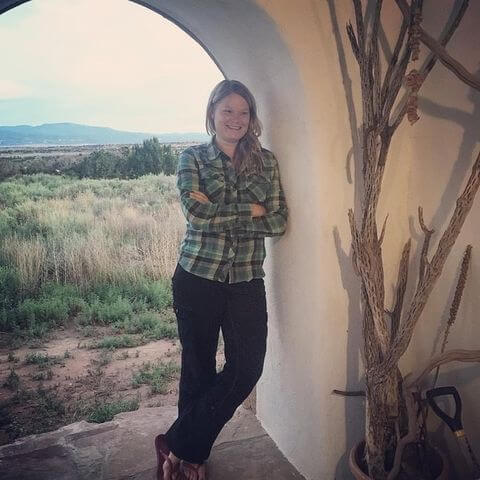
My guest is a favorite of mine and her name is Kylie Weathers.
Now when I was reading about Kylie's life,
I thought to myself,
Oh my gosh,
I am going to have to have this guest on my podcast because the story of all the different chapters of her life,
I thought,
Oh my goodness,
How did this all happen?
For example,
Kylie was a Mormon missionary in 2005,
But then she was sent home because she's gay.
She then had a gay wedding in 2008 and then a Mormon temple wedding in 2012 to a man.
They had a child and have since split up,
But are best friends.
They live really close to each other and they have a fantastic co-parenting relationship.
So I read all of that and I thought,
I need to know more,
But also Kylie was a recreation therapist at the Veterans Affair Hospital in a small rural Georgia town and she's also worked at several at-risk youth facilities as a recreation therapist.
But now Kylie has queerly attached and she's an attachment coach after being certified by the Personal Development School.
The conversation that we had was so amazing and so delightful.
I was really sorry when our time was over that it actually had to end.
And let me just tell you,
Kylie's miracle,
Well,
It blew me away.
So now enough of me talking and let's get into the meat of the podcast.
So here's the Bite-Sized Blessings podcast with Kylie Weathers.
And in April of 2014,
On a Sunday,
I'm taking a nap after church,
My son's six months old.
I wake up screaming in the worst pain I've ever felt in my life,
Like completely horrific.
It was horrifying pain.
And I realized I was paralyzed.
And yeah,
I'll try and tell this one without getting too weepy,
But I'm still processing a lot of it,
Right?
It's been 10 years.
So it was really scary.
And I realized that I also hadn't like urinated since the day before and I realized very quickly that I couldn't.
And I'm like yelling for my husband and he comes in and he can't get me up.
It's just too much pain.
And that was the only thing that I couldn't sit,
I couldn't stand,
I was just like on all fours.
And it took about 15 minutes to get to the garage to get me in the car to get to the ER.
My first question always is for everybody,
If you had to go to a conference or a party,
You had to go somewhere where you had to introduce yourself and say,
This is who I am,
How would you do that?
Oh,
Man.
I think,
Well,
I would start with hi,
I'm Kylie Weathers.
And I love connecting with people.
And I love talking about conflict.
And putting those two things together is like my happy place.
So any conference that is about that,
Like,
I'm gonna show up,
Let's keynote it,
You know what I mean?
Like,
I love talking about connecting through conflict.
So just anything around that.
And what does that mean for you connecting through conflict?
God,
I mean,
I don't know how familiar you are with,
Like the lesbian community.
But there are just kind of this like undertone of conflict in relationships,
It seems.
And as I've been talking more about this queer attachment,
What I've been speaking on is the fact that like,
We're not talking about how much conflict we're actually facing,
And how the way we're choosing to repair,
Right,
It's just sweeping stuff under,
Right?
So this conflict is like leading to contention,
And then just abandonment fears and fears of rejection,
And then we're back together.
And so nothing's like really,
Right.
And so the idea is like,
Yo,
There's another way to do this,
Like,
We can actually connect through this,
Like conflict doesn't mean anything other than it's a moment where we're not congruent.
Let's pause here and figure it out.
You know?
Yeah.
And I'm listening to you.
And I really think I was like,
Oh,
We could apply this to so many.
Any and everything,
Any connection you have,
You're going to find conflict,
It just that is.
And so when we're so afraid of that moment,
It ends up actually sabotaging our connections all the time.
We people please,
We get hyper vigilant,
Right?
I see it even sometimes in my son,
Right,
Where he's like doing that thing,
Where is she watching me?
Like,
Am I good?
Right?
Like,
We just start reacting to how to stay away from it,
How to avoid it,
Instead of like,
How do we move through it?
So we're actually a stronger connection beyond this point.
Yeah,
And I think for a lot of people,
Conflict is terrifying based on their on their childhoods.
And so do you think your childhood had anything to do with the work that you're doing now?
Yeah,
I think absolutely.
The work I'm doing is all around attachment theory.
And so I'm certified in integrated attachment theory.
And I think what,
Like kind of drew me into that aspect of this was just,
Yeah,
I had a very boxed in childhood.
I was I was raised Mormon.
I don't know that I knew I was queer,
But I knew something,
Right,
I knew something.
And when I did get caught at 16,
Right,
It flipped everything.
And it was a big conflict point,
Right?
Like you cannot be gay,
And be in this family and be Mormon.
And so great,
Amazing,
Loving parents,
Right.
But also like,
I don't know if you've seen there's a there's a meme where there's like this little child and it has like,
Pride wings and trans wings and it shows an adult like with the scissors and it says something like don't be your child's first bully,
Right?
And it's a really impactful image.
And I don't know that I would use the word bully,
But it was harmful,
Right?
Like it was harmful.
It set my life in a course that I absolutely was terrified to be rejected.
And that's why I've started talking about queer attachment,
Because we are kind of going through this different way of attachment because society is saying Nope,
You're wrong.
God doesn't love you.
Right.
And that's just still happening.
Right.
I have a friend back in April lives in Idaho,
Single mom,
Lesbian has this small little pride decal on her truck.
And I actually posted on TikTok,
The whole exchange is recorded,
But 14 age boys pull up alongside her and just start yelling mean,
Terrible things,
Right.
And just harassing this grown ass woman in this big ass truck,
And they had no qualms like just brazen as hell,
Just out on a lunch break,
Right.
And to say that,
Like that stuff's not still happening,
Like it's just bogus,
Because it is it is and it does affect the way that we show up in relationship because coming through childhood and just being told that you are wrong,
Like,
I say this a lot,
But I feel like we,
We talk a lot about coming out,
Right,
But we don't talk a lot about the being in And I think it's beautiful that we're so resilient,
Right?
I think queer community is so beautiful and resilient.
And it's such a good example of that.
And I think,
Yes,
Let's champion that.
And like,
Let's stand strong on that point.
But also,
Like,
We have been traumatized.
And and just a lot of us are realizing we're gay,
Because we're falling for someone.
And so then we're coming into these first queer relationships.
And so many clients that I've talked to say the similar thing,
Which is,
It is so different.
It is so different than,
You know,
Relationships I've had with men.
And so it becomes kind of this like all consuming,
It can become this enmeshed thing.
And it's hard when the conflict starts popping up.
Because do you have a foundation?
Do you have a foundation of emotional safety?
Do you even know what it means to be emotionally safe?
Right?
Like,
What is your blueprint?
Thank you for bringing up that really,
I mean,
This is the first time I've heard it.
This really interesting and unique point of what is it like to be in because you did,
You did allude to it as a kid,
You're like,
I'm different.
Something's different.
And you just kind of intuitively knew that.
But,
You know,
I don't know how much of a deep dive you did with it as a kid.
But just intuitively,
You knew that something was different than the culture or the society you saw around you.
And so when you eventually came to yourself that whatever happened when you were 16?
Was it shocking?
Or was it?
Was it?
Oh,
Yeah.
Was it a reclaiming of this is who I am?
I mean,
I know,
You're a teenager,
You're young,
But yeah,
Yeah,
That's a good question.
That's a good question.
I being raised Mormon,
There is a huge emphasis on chastity,
Right?
There's lots of discussion on chastity,
And like,
Sex before marriage,
And lots of like,
Man and woman,
Right?
There's a whole document that was released,
I think in 19,
What year was that 1985,
Let's say the church put out the proclamation to the world,
The family,
And it's very,
Very like man and woman,
Man and woman,
And your job as a woman is to like procreate and give birth and nurture these children.
So for me,
That was just the way I wasn't,
We weren't in my family.
And kind of,
It was encouraged not to date before you were 16.
So I hadn't had any,
Like,
Really experiences.
As far as any of that goes,
I hadn't really like explored anything.
I was very like,
Yo,
I'm gonna be the best Mormon I can be,
Like,
Let me quiet this thing and just turn it off.
I don't know if you've seen the Book of Mormon musical,
But there's a whole song on it about turning it off.
You just that's,
That's the way.
And so yeah,
I think that was just sort of like a,
What do you do?
You know?
Yeah,
Truly.
And,
And what is especially fascinating is,
You know,
I read on your bio that then you ended up marrying a man and how did that happen?
Yeah.
So the,
Actually,
I was just saying this to a friend,
I feel like I've lived so many different lifetimes than I have,
And it's because I was so incongruent.
I just knew that I needed to be with someone,
Something,
Right?
I couldn't be alone.
And so it's kind of a while,
But I,
I tried real hard to be Mormon,
Right?
I tried really hard.
And then I went to a Mormon college,
BYU-Idaho,
It had just become a four-year university.
Held on real hard there and then decided to serve a mission for the church.
And I was called to serve an 18-month mission in Argentina.
And I only made it about six months because gay.
And so I came home early.
I don't know if you know,
But you're with a companion 24-7,
So in a really high intense situation,
So gay.
And I came home early and it was,
It was a lot of shame to that.
Lots of like,
You know,
Why are you home early?
And my family was supportive and like,
I was able to come home and they were kind and we tried to kind of like have me hang in,
But it just became this thing.
I was like,
I just like women,
You know,
I remember them asking me like,
Does that mean you're a lesbian?
I'm like,
I don't know,
But it keeps happening.
So when does it matter?
And so I actually ended up getting married to a gal and we were married during proposition eight in California.
And I'm not sure if you're familiar with that,
But that was just,
That feels like another lifetime.
And so we were married for almost three years.
And part of what had connected us is that we both had been raised Mormon and she ended up going back to the Mormon church during our marriage.
And so that obviously ended the marriage.
And that was a tough time.
And I was very alone.
I had not essentially like been disowned,
But I was pretty disconnected from my family.
And when you leave the church,
You pretty much lose all your community.
You've got some like ride or die friends,
Right?
That'll hang,
But you lose a lot.
And I was in rural Georgia and it was already like we were closeted,
Like we weren't out out about that.
And for about a month,
I think I just was like trying to like,
See if we could.
And one night I just called my mom and I don't know,
It just,
By the end of the week,
I was showing up at the church building and telling the bishop that my name was Kylie Weathers.
And I think,
You know who I am,
Because she had been going back and I want to talk to you.
And within six months,
I was back full fellowship in the church.
They had called me to be what's called the president of the Relief Society,
Which is like you're over all the women group,
Like they needed help.
And I was a damn good Mormon,
Right?
Like I loved it.
I loved it.
It was just hard to be gay.
And so I went back and I very quickly met my son's dad and we just hit it off.
And I don't know how to really explain the like physical part of it,
Other than like it worked and it was,
It was okay.
Right.
And we got married in 2012.
And by the time,
Let's see,
2018 comes around,
I had started finding out some things about the church that weren't sitting well with me.
I was already feeling kind of like I'm nuanced.
And obviously I'm not loving how they're treating the queer community and stuff that kind of just started coming up.
So I read some things and I shared it with my husband at the time.
And he,
I think he took a few days to read it and came back home was like,
All right,
We're done.
And we were.
And then pretty quickly,
Like,
I just started consuming all the gay content I'd been missing.
Like,
Cause I couldn't watch any of it,
Man.
Like you can't be watching L Word and like trying to know.
And like,
So Gentleman Jack,
Oh my God,
Shout out Gentleman Jack.
And I ended up listening to a podcast that was all about that show.
And I found an online community and it was like,
It just became like,
I'm out again,
I'm out again.
And this is what it is.
And I'm a lesbian and I love our family and I love like what we've built.
But the words that my therapist had given me were just that,
Like,
We could choose this like known safe life,
You know,
For an unknown over this unknown fulfilling life.
And I think that's what we had been doing.
And so it was actually a beautiful,
I don't want to call it an ending because it hasn't ended.
Right.
It's just been a beautiful shift.
And it's been amazing to see how my son has benefited from that.
So what I tell people is I left the first time I left the church the first time because I was gay and I left the church the second time because it isn't true.
And for me,
That was the sticking point that was like,
I'm good,
I'm okay.
And I can say I'm a lesbian now without crying.
And you know,
I'm like out here starting a queer ass business.
And it's just like,
So it's been amazing.
I launched Queerly Attached at my first Pride back in this past June.
And it was amazing to like be in a wellness tent of other providers and like,
Just be so excited to talk to people about this stuff.
And then also to know like,
Where I'd come from,
They didn't know that,
Right.
My co parent and my son came,
They helped me get stuff,
You know,
Up on my table,
Like it just was a really beautiful weekend.
And it's been a journey,
But you know,
I honestly don't think I would change anything about it.
Wow.
And I think you've really created,
I mean,
You live,
Does your ex-husband just live down the block from you?
You've created this It's like literally like right now I'm looking at a building out my window on the other side of that building is his.
Oh my gosh,
What a gift for your son.
Yeah,
He,
We are very like determined that this is what we want for him.
And I'm not,
That's not to say that it isn't difficult,
Right?
Like I don't want to paint this like whatever,
But it hasn't been fraught with contentious conflict.
It has been moments of conflict that have led to connection.
And he is dating a gal and they have been for I think it's been about three years now.
And I love her and she's a hundred percent like part of more people that love my son.
And they,
They have been this beautiful example to me of secure dating and like how I know I want to be moving,
You know,
As I'm dating again,
Right now I say I'm securely single,
But I have,
I'm just very clear on how my attachment style put me through that rollercoaster.
I know it,
I know it did.
I was anxious,
Preoccupied and having community,
Having connection,
Especially emotional connection was the most important thing to me.
And I didn't realize how undisconnected I was here back home.
Right?
So it's this idea of like staying within,
Right?
To stay without all the other drama.
Yeah.
Yeah.
And I was gonna just,
I wanted to ask how many different attachment styles are there?
And these things are,
These attachment styles that we learn,
They're really based in our childhood experiences with our parents.
Is that true?
Yes.
They can be formed there.
They also can be formed in other relationships,
Right?
We can have other traumatic relationships like emotion plus repetition,
Right?
That's going to like knock the thing in.
And so we get wounded in these ways.
And then when we don't understand or care for these wounds,
A lot of times what happens is when these things that are traumatic happen to us,
We can't bear being disconnected from this attachment figure.
Right?
And so we make it mean something about us.
Well,
It must mean that I'm not good enough.
It must mean that I'm too loud or I need to be quiet.
Or I allow,
Like a lot of people pleasing comes from that,
Right?
I know what happens when I say no,
And it doesn't feel good when they do this,
Right?
So when as children,
I'm going to guess a lot of us probably didn't have parents who understood emotional regulation,
Like,
Thank God we're starting to come around about this,
But it's like the number one thing we should be teaching in schools and it's not there.
And so we're not dealing with parents who are treating their inner child or processing whatever happened in their childhood.
It's just this cycle.
And so for me,
I've just decided as a parent,
Like,
No,
I'm not going to just be inflicting wounds on my child just because I have a moment where I'm upset and I'm short with him at five years old or how like he's 10 now,
But at a young age,
You don't understand that I'm stressed and this and that and blah,
Blah,
Blah.
You just know that you got snapped at for asking something probably super simple or you're getting rushed out the door and screamed at,
Right?
We like forget that these little people are like actually little humans.
And we are supposed to be the role model,
Like how to deal with these big feelings.
And the only thing we model is how to react,
How to react all the time or reacting and showing our kids react,
React.
And so for me,
I did grow up in a pretty reactive household.
And it did become kind of just this be quiet,
Just stay in your lane.
And I don't blame them for that.
You know,
I think a lot of times this generation of parents are like,
Well,
We did the best we could,
You know,
And it's like,
Yo,
For sure.
I hear valid all of that.
I'm just asking,
Can we sit down and have a conversation about what I made it mean at three when this happened,
Right?
Because whatever I made that mean,
It really dug into part of my identity.
And I don't know if you've seen Inside Out 2,
But shout out like what a show.
It's literally what I'm coaching,
Right?
Limiting beliefs become part of our identity.
And so when we start to face up with them,
We have to get down to the root to see like what's the messaging underneath it.
Where is that coming from?
When did you first learn that?
When did you first hear that?
Right?
So the other attachment styles you asked about,
So sometimes it gets a little confusing.
I just kind of say like this,
Like you've got a secure attachment,
Right?
Which means I feel safe and also independent.
Like I feel like I'm good at this distance,
Right?
We have boundaries.
We need to understand which distance we need to be at in order to both feel good.
Like shout out Prentice Hemphill.
There's a fantastic quote by them.
I think it says something like boundaries are the distance between which we can simultaneously love you and me,
Right?
Boundaries are the distance at which I can simultaneously love you and me.
There it is.
And when you have that security,
You understand your needs.
You understand the boundaries that are required to meet those needs without just offloading them on someone else.
That's a secure attachment,
Right?
Now I would say there's probably not like a ton of us out there,
Right?
A lot of us are using words like,
Hey,
I'm earned secure,
Right?
I say learn secure,
But either way,
Right?
I'm earned secure.
This is,
This is something that I recognized in myself and I started to work at it.
I say it's a practice.
I practice secure.
Every choice,
Every moment is that's how much you have to do to deprogram,
Right?
Every choice is a pause to decide how can I answer securely?
I know what my reactive way would be,
And I know what that way looks like.
I don't want to choose that anymore.
Let me look at this.
And so you've got your secure attachment and then you've got three insecure attachments.
And I think about it like as on a spectrum of anxiety,
Right?
And so you've got your anxious preoccupied,
Which those are people like maybe if you're like text bombing and if you're in a fight,
Like we're staying up till three in the morning and getting the shit done.
Like we are not sleeping until I feel soothed,
Right?
Like just this,
Like we need to be back in connection,
Repair,
Repair,
Repair.
And then you've got on the other end of the spectrum,
Dismissive avoidant.
And that's a lot of like stonewalling.
Maybe it's ghosting,
Just like no.
And a lot of difficulty expressing emotions,
Difficulty naming the emotion.
They may seem very independent,
But actually it's just a lot of bottled up stuff,
Right?
And it can become explosive,
Of course.
And then in the middle of that spectrum,
You've got fearful avoidant and kind of a common thing in there is a wound of like distrust.
Maybe they were raised in sort of a chaotic environment,
Right?
A lot of like,
I didn't know what to expect.
Like sometimes the emotional support was there and sometimes it wasn't.
And it's just this like guessing game.
Hypervigilance can be a big thing that you may see when you have a fearful avoidant attachment.
And I want to add that an attachment style is not like a disorder or a diagnosis or this like permanent state,
Right?
This is on a spectrum.
It doesn't mean that like I'm always showing up anxious,
Right?
However,
You can kind of see in these strategies that we end up forming to maintain safety,
Which is all we're trying to do,
Right?
We're just trying to maintain safety.
And we've come up with these strategies to do that in the quickest way possible,
Because that's,
That's the job of the mind,
Right?
Get back to safety.
But like our subconscious doesn't understand that,
Like,
That's not quite the safety we're looking for.
Like that's survival,
Right?
That's surviving.
I'd like to be thriving.
It's like trying to get that message across.
So that's what the work is,
Is really just trying to gently,
Right?
We don't have to be like digging back into the past.
Like it's not this like,
It's not talk therapy.
It just isn't.
I say that the best part about coaching is it's not therapy.
It's not.
It's another tool.
It's a,
There's not just one modality to help yourself get through.
Some of these things are just hard and hell,
I am,
I have resourced the hell out of myself.
I go to therapy every Tuesday at three.
I love it.
I love my therapist.
Shout out.
And I also have two coaches that I'm working with,
Right?
I know that this is the only life I get.
That's how I,
That's my belief on it.
And so my belief on this life is I don't want the spiral of what happens when you are in those like attachment style thinking.
It doesn't feel good.
I know now what it feels like to have a regulated nervous system.
And I would not trade that ever again for a connection.
I just won't.
Like,
And my new standard is I will not self-abandon.
I don't want you to self-abandon.
And that's the relationship,
Right?
If at any point self-abandoning is happening,
We're not,
We're not even together anymore because you're not you and I'm not me.
So self-abandonment,
Not an option.
Thank you for all that.
That was amazing.
You're a great speaker.
Just going to put that.
Sorry,
I did kind of go on.
Oh my gosh,
I was just like listening.
My jaw dropped,
Loved every explanation that you gave.
And I love that you use the word programming or deprogramming because I think a lot of us go through this life,
Go about our days,
Our weeks,
Our months,
And we don't understand how we are being programmed,
Have been programmed by our families,
By the society,
By the culture at large,
By the world.
And one of the great works of our lives,
I do think now at this point with how saturated all this,
The world comes to us on the internet,
Is to unpick,
Unbreak,
Un-knot all of those ways we're constraining ourselves or keeping ourselves small so that we can conform to what the world is telling us we should be or our families tell us how we should be,
How we should be in the world.
Yeah.
And you turn 40 and you're like,
Hold on a second,
Like,
This is,
I don't know.
This can't be it,
Right?
I think,
Well,
One thing,
The first thing in the coaching we're going to do is I want to start with an assessment.
Like,
We're going to do an attachment assessment.
Like,
Let's figure out what the baseline is.
Let's see what these strategies are that you're using.
What are these behaviors that are looking like maybe avoidance or anxiety?
How is this showing up in your relationship?
How is this showing up in your parental relationship or coworkers?
It can show in any way.
It seems to really spark in romantic relationships.
And we seem to be drawn to the opposite side of the spectrum.
And so there does become this like push or dynamic kind of this rollercoaster thing.
And the attachment assessment,
What I've been giving is then what I'm calling a secure blueprint,
Like essentially a blueprint,
Because that is what it is.
It is this like,
Here's what you're going to look like.
Here's how you build.
Here's how it should be.
Make sure you look like this.
Make sure it's this,
That,
The other.
We don't even know what it is.
We don't even know what the blueprint is.
And so as we start to discover these limiting beliefs,
And we start to uncover the fact that like,
Yo,
I've been confusing emotional intimacy for emotional safety.
And I actually throw trust in from go,
Right?
And turns out I need to be trusting me instead of just throwing in.
And that's the type of thing where my whole belief on this is,
Yo,
Once you realize that's not even really like you can be whoever you want to be.
It is a rewrite.
It is a clean slate.
It is a like,
Yo,
Let's give you a blueprint that's going to like,
Bolster this shit.
Like you be whoever the fuck and let's start with this foundation of emotional safety,
Right?
We're going to learn how to experience that.
So much of this is honestly just learning how to feel the feels.
We aren't taught.
Like emotions are in the body and like we don't we don't even know we don't even understand what they are.
We don't.
We don't have time for them.
They're useless.
They're loud.
They're annoying.
They're not at the right time.
Like there's just this avoidance to just sitting and feeling the thing.
And so that's,
That's what the blueprint is,
Is really just how to get like spirit,
Mind,
Body.
It's embodiment.
And once that starts happening,
Then it really starts to get fun because you realize,
Oh shit,
Like I really can create in every moment.
Like I really can create whatever I want in every moment.
Because when you square up with a choice and you look at how many options there are from each choice,
Brings off so many other choices and it's just like choose your own adventure at that point.
Like what's not fun about that?
Plus it's quiet and you're like,
Oh,
This is peace.
Like the first time I felt like contentment,
It was like I felt it and I was like,
Am I doing something wrong?
Like what?
It's too quiet.
Like there's no way that there's not doing something wrong.
And I wasn't.
I had just gotten really in tune with my emotions and anytime I felt a sensation,
I would literally stop and spend time with it.
And that's,
That's the blueprint.
And then the thing is,
That's been so amazing with this coaching is like,
It's honestly the words people keep using are,
Is wildly effective because it's not like we're going to sit through and have to sift through all this stuff.
And honestly,
If you're in therapy,
It's even better.
Great.
Go have talk therapy there.
Let's come here and practice the hell out of this stuff.
Let's actually like practice this and see how we can apply it.
And you do have the benefit of knowing my past and knowing what I've come and knowing,
You know,
We don't get to know our therapists,
Right.
And that's great.
We need that.
Thank you.
But it's coaching.
It really is like,
Hey,
It's your game board,
Man.
And like,
You can walk it this way,
But look,
There's other options.
It doesn't have to be so chaotic.
It really is just how much do you value peace?
Like it comes down to that.
You value peace.
And if you value your peace,
Then how do you keep choosing emotional chaos is so incongruent.
And it's why it hurts.
It's why it's there's so much friction.
It's like literally like taking sandpaper and just like rubbing it on your arm and be like,
Well,
Look what I can do,
Right?
Like it doesn't,
It doesn't help.
And we just keep doing it.
Yes,
We keep doing it.
And I value peace so highly.
And I could talk to you for 10,
000 years,
I swear.
You're just so fun to talk to.
And you're so easy to talk to.
But I have to get to the main question of the podcast.
Oh,
Shit.
We're not even main?
You're gonna have to shut me up because I will go on.
Which is,
You know,
I would love for you to share a story or stories.
It can be more than one,
Two different stories where you feel like you've witnessed or experienced or had an encounter with something that was magical or miraculous or life changing.
Something mysterious.
I actually read that in your description as I was like,
Getting this loaded up.
And my first thought was like,
Oh,
I don't have anything like that.
And as I was saying that to a friend,
It hit me,
Yes,
You do.
And so this is a pretty big part that I left out of my little recap there on my life.
But after getting married and going back to the Mormon church,
Right,
I quickly get pregnant with my son.
And I had had back problems before I had like herniated my discs,
My lower lumbar discs in 2007.
So in 2013,
I have my son.
And in April of 2014,
On a Sunday,
I'm taking a nap after church,
My son six months old,
I wake up screaming in the worst pain I've ever felt in my life,
Like completely horrific.
It was horrifying pain.
And I realized I was paralyzed.
And yeah,
I'll try and tell this one without getting too weepy,
But I'm still processing a lot of it,
Right?
It's been 10 years.
So it was really scary.
And I realized that I also hadn't like urinated since the day before.
And I realized very quickly that I couldn't.
And,
You know,
I'm like yelling for my husband and he comes in and we can't get me up.
It's just too much pain.
The only thing that I couldn't sit,
I couldn't stand,
I was just like on all fours.
And it took about 15 minutes to get to the garage to get me in the car to get to the ER.
And unfortunately,
I made the mistake of saying that I had chronic back pain and pretty quickly they tagged me as like drug seeking.
And I learned how to advocate for myself through the next three days.
They sent me home with a shot of diazepam,
Still hadn't urinated.
As I'm like sleeping that shit off,
I wake up about midnight and I started Googling it because it still was the same and the pain was back,
Right?
I started Googling it and I'm like,
I wake my husband up and I'm like,
We got to go.
I think this is something very serious and we've got to go,
It's an emergency.
And so we do it again,
Get back in the car.
I ride all fours for an hour.
So I'm in rural Georgia,
I ride all fours for an hour to the next hospital.
And same story,
Except this time they were cooperating with the other ER to said,
Which was,
We think it's a kidney stone.
And I told both of them,
It's not a kidney stone,
I've had kidney stones,
This is not that.
Well,
We think that's what it is and we got to get you in for a scan.
So somebody finally cast me,
Finally get cast,
Go in the scan,
Come back out.
It's not a kidney stone,
We don't know.
And sorry,
Like literally it was just another discharge at eight in the morning.
But the reason we had chosen that hospital was because,
I think this is part of the miracle,
It was because I had an appointment with a neurosurgeon there.
Four days from then,
I would have been going because I had noticed that something in my back had started and my foot was starting to drag,
Right?
So there were signs that something was wrong.
And I had been calling since March and they couldn't have got me in until April 10th.
So here we are on April 6th,
This has happened.
And so we went to that hospital because that's where he was.
And I called them and said,
This is what's going on.
This is,
I'm at my second ER,
I'm downstairs,
Can we please get me in today?
And they were like,
We can't,
But since you're here,
We can do x-rays.
So just go around this corner and you can do the x-ray.
So we'd go around this corner and his husband's pushing me and I look up and I see this doctor.
Now I'd only looked at the website like one time,
But I look up and I say,
That's the surgeon.
And like I pointed out,
I'm in this back room,
There's nobody else in this hallway and he's coming down.
He's all scrubbed up.
And I said,
That's the surgeon.
Stop,
Stop,
Stop.
So I stopped and I said,
Look,
My name's Kylie.
This is what's going on.
I'm supposed to be,
He says,
Come back at one o'clock.
And so I remember we went to Barnes and Noble,
Which I think is so funny.
And we bought the book Boss Baby before it was a movie and that became my son's book.
And so anyway,
We go back at one o'clock,
Within five minutes,
He comes in and says,
You have a really rare thing called Cauda Equina syndrome.
And that's what I had Googled.
And he says,
This is an emergency and you will be paralyzed if we don't get you in right now.
Unfortunately,
They weren't just okay with the MRIs that I had in January,
Which he told me you should have had surgery back then.
And so they wanted to also get a myelogram.
And so that meant another day.
And so got the myelogram,
They finally get me in for surgery.
He says,
It looked like a grenade had just gone off.
There were disc pieces everywhere.
And the Cauda Equina is like the end of your spinal cord.
It's like a tail,
Like all the nerves,
Right?
So to the very base.
And so what had happened was the discs landed on that,
And so it shut everything down.
And so they were able to clean it out and get everything out.
But because so many hours had passed,
It was about 65,
70 hours at this point,
I had permanent nerve damage in my right leg,
And my right foot,
And still so much pain.
It fixed the problem.
But everything was really whack.
And like urinating became,
It was very difficult.
It changed sex.
Everything was hard.
And they basically said,
Like,
It's going to be a really long,
Long,
Long recovery.
And whatever feeling you get back,
Like around the 18 month mark,
That's probably going to be the best you get.
So grief,
Grief,
So much grief.
I'm a six month old,
You know.
So the amazing part is,
It was a really hard road.
And you know,
I was fortunate I got medically retired from my government job.
I worked at the VA hospital as a recreation therapist.
I loved it.
I was an athlete.
I loved playing sports.
I was really excited to be like this active mom with my son.
But that was that.
I was done.
I couldn't.
I was in a wheelchair for a while.
I had a cane for a long time,
A scooter.
And then finally in 2017,
It was like,
There's got to be something else.
Like this isn't,
This is not a life.
Or it wasn't for me.
And I know now a lot of that was because I just wouldn't accept it.
I was so busted up.
And on so much medication.
I was on so much medication.
So they tell me about this thing called a spinal cord stimulator and that it will trick the nerve damage.
It will trick the pain signal from my brain.
And basically it will help my leg pain,
Which just feels like constant fire.
Like that's what,
Right.
So I get this thing.
We did a GoFundMe.
Honestly,
If you Googled me,
You might still see it.
We did it like a friend did a GoFundMe and we were able to raise it and it was amazing.
And at this point we were very poor students.
We had decided to get my husband back into school.
We had moved back out to Idaho,
Went to BYU,
Idaho.
He was going to do that.
And I'm at home with the toddler and just in bed a lot,
A lot,
And I'm in a lot of pain.
And so the spinal cord stimulator helped,
But it still wasn't like,
It just,
It didn't do what we thought it would.
So within six months,
Then I had implanted a pain pump.
And so this pain pump has a catheter that goes right into my spinal cord.
And so then they have in my pain pump,
Like Dilaudid or hydromorphone goes directly into that area.
So that is what I say got me back up on my feet.
Like the pain pump kind of gave me a like semblance of like ability again.
But the problem then became is now I'm this like able-bodied person with this chronic shit and I'm just not,
You know,
Not really wanting to talk about it a lot.
Right.
But also not being able to explain like why it wasn't working or like just so much shame,
So much shame,
So much grief.
And so the nine-year mark rolled around last 2023.
And every time,
Cause it rolls up on my Facebook,
I start complaining in January,
By February,
I'm like,
What's wrong?
By March,
I'm like,
This neurosurgeon won't get me in,
Like you see it.
And so always at the beginning of a year,
It would just creep on.
And I made the decision last April that last 2023,
I don't want to feel this way at the 10-year mark.
Like I refuse to feel this way because I knew,
I knew how it impacted my life.
And I also knew that the way that I was feeling about it was impacting my life and creating further loss.
And so in 2024,
January,
I read this book,
The Untethered Soul by Michael Singer.
And I read the first three pages and it just clicks.
And I put that book down and I start practicing it,
Listening to the other voice,
Just listening and observing.
And it just clicked all of my training.
I had been,
I had done the attachment certification back in 2022.
I've been in mental health since I graduated college.
I do nonviolent communication.
I do like every,
All of that,
The conflict,
But this piece clicked it all and made it just like,
This is it.
And it changed my life immediately.
Like,
I'm not kidding,
Immediately.
Within a week,
I was having a very healing conversation with my parents,
Like practicing this new way of speaking.
I began calling what I used to call my bad leg,
Started calling it my healing leg.
And I started noticing a shift in my pain.
So yeah,
The miracle of that being that I would have knocked somebody out if it said to me,
You know,
Your thoughts have so much to do with this.
And I'm not saying that I am like,
It's gone,
Right?
I,
They just told me a month ago,
I need to have a fusion.
Like it's time for that.
They told me that 10 years ago and I said,
Not at 30.
And they told me a month ago,
And I'm saying not at 40.
It's not that it's just magically healed,
But the way I think and feel about it is healed.
And the pain is just different.
It's just different.
And I coached my son's baseball team the last two seasons.
And I started my business,
I started my business because I'm like,
I don't,
I don't want to live this way.
Right.
And I don't have to choose to live this way.
And if I can choose to accept what happened to me,
It's not that you let it go.
It's just that like,
It can be sad and you can keep living and not losing,
You know,
And it's just shifted everything.
2024 has been the most healing year of my life after what has felt like 10 years of being paralyzed by this pain and what happened.
I have to tell you that that book,
I've had it forever and I haven't read it yet.
Please read it.
I recommend it to everyone.
I tell people actually that two months after that shift,
I ended up picking the book back up because I was like,
I never finished it.
I just got like blown away by the first three pages in that book was now a testimonial of what my life had just been like this,
This like I had,
I was doing it and it was and as someone who's like always fighting to like,
I'm not doing things right or wrong.
It was like a very like,
This is what my life feels and looks like now.
And I've been coaching it,
Right?
I've been coaching all the attachment.
All of it is now this like beautiful thing that I've been able to gift to other members of this queer community that wildly effective.
Hell yeah.
It's wildly effective.
I know.
I know.
I have to ask what is on the first three pages?
Well,
I mean,
It's just where he kind of talks about like,
It's not,
I think it's the introduction even worse,
But he just talks about this idea of like self.
And like,
If we're listening,
No,
Here it is.
Chapter one,
The voice inside your head.
I am not about to read you this book,
But he just talks about like,
When you're thinking about things,
Sometimes you'll notice there's this voice or this story going off.
And you're like,
He said,
He basically asked,
Who is that?
Like,
It's not you because you're listening.
So what is that?
And it just clicked for me because I'd already been doing parts work,
Right?
Internal family system.
I'd already been doing parts work.
I'd already kind of made contact with this like idea of an inner child and an inner teenager.
And I have this imposter and I have this other part that I call the grant,
Like Graham processor.
Like she's very pompous.
Right.
Like I have these parts that I know are part of me and that I was just trying to move on from.
And really it's about integration.
Right.
And so when I was able to like click with this idea of like,
There are stories going off all the time in my head.
And if I instead,
What I tell people is like,
Instead of being judgmental,
Be curious,
Like just be fucking like I say,
Nancy drew the fuck out of it.
Like literally just be like,
What is that about?
Like what?
Right.
Like I made a post the other day on Instagram.
Basically,
This idea,
You know,
You hear people say all the time,
Like,
Why am I like this?
You know,
Like,
Why am I like this?
And my thought was like,
Yo,
You just flip the tone on that.
It's an entirely different experience.
Like critical tone.
Why am I like this?
Curious tone.
Why am I like this?
Right.
Same fucking words,
Different intention.
And it's going to send different experiences through you.
It just will.
Because our thoughts are really powerful.
I have to tell you that I was just thinking,
Um,
You should have a t-shirt or your slogan should be Nancy drew the fuck out of it.
I keep saying it and you're the person that laughed at it.
So do you think?
Oh,
Yes,
I do.
I do think.
I feel like I'm aging myself because I'm like blues clues.
I know that's way old.
No,
No.
Nancy drew the fuck out of it.
I loved it.
Nancy drew.
And you know,
George was gay.
I don't care what anybody says.
Yeah.
True story.
True story.
Um,
Thank you so much for sharing that,
That story.
And I think I can't even emphasize the courage and just resilience that you have.
I'm sure you're aware of it,
But just going through that entire process,
Um,
Which was I mean,
Again,
That inner voice,
Right?
You knew something was wrong.
Yes.
And how many times have we heard the story of the person who goes to the hospital and they go,
Oh,
They pat the person on the head and they send them home.
Yep.
And so you knew you were like,
I have to go somewhere else.
You have to advocate for yourself.
And it's,
I,
That is probably my biggest message when I do speak on the back really is you have to advocate for yourself.
And remember,
We all come in there and have this like white coat syndrome.
We get all scared that well,
Doctor knows best.
No,
You're a fucking consumer.
And you chose that ER.
Right.
That's why I tell people just like that.
You chose to be there and they are going to be paid for you being there.
Make sure that you get treated.
Right.
Um,
I actually ended up in the ER the night before my launch in June.
Um,
And lots of like PTSD essentially,
You know,
I can't stand being in there.
And I was so fortunate this time.
And I thought it was so beautiful.
Actually,
I was in such a state.
I was in horrific pain.
It had come on out of nowhere.
It was in my kidney.
And I was like,
This is happening again.
No freaking way.
Right.
Like,
No way.
Just terrified.
I'd just been told a month ago I needed a fusion.
Right.
So just I'm a mess.
And I keep telling them,
Look,
This is grief.
Like I know I'm a mess.
I'm snotting.
I'm crying.
I just kept saying,
This is grief.
I had a horrific experience in two yards,
Like with similar situation.
And I,
I'm sorry.
I'm okay.
But he was so kind.
He was so kind.
I've,
I have never been treated so kindly by a medical professional.
And he sat there and he listened to me and he offered me pain medication without making me feel bad and made sure that my pain was treated.
And they could see that sitting in this awful chair is not going to be it.
And they found a room for me with a bed so that I could lay down and like,
It was amazing.
It was amazing to like,
Have that experience and to sit there and to realize your body so much is just remembering what happened.
And that's what happens sometimes in these moments of conflict.
Like it might not even be true that you're unsafe.
I was sitting across from this very safe man,
Right.
But feeling so unsafe just because of what happened before.
Right.
Definitely trauma.
And so in these moments of conflict,
Sometimes it just comes up and like,
You're,
You're so mad.
You don't even know why you're so mad anymore,
But it is because,
Hey,
When's the last time you felt this thing?
Right.
How many times did you feel?
I have a huge,
I'm not considered wound.
And so I noticed now when that's been tripped up,
Right.
But I know I can trace that back to childhood.
So all of it,
All of it together has become just like,
Clearly attached and it is like,
I'm just so enthusiastic about it because it has,
My life has literally shifted.
Like there's just no denying that.
And I love that I ended up on your podcast first,
Honestly,
Because reading that description and thinking,
I don't have anything like that because the one piece of my story that's not out there yet is me talking about my back and I haven't understood how it can be part of it.
So thank you.
All right,
Everyone,
I hope you enjoyed this interview with Kylie Weathers and appreciated hearing about her journey and about her story to where she is now.
I need to thank Kylie for being a guest on the podcast and for telling me every single story,
Including the one about her back and her subsequent journey with it.
Thank you to everyone who listens to this podcast.
I'm ever so grateful for all the ratings and all the reviews.
Thank you for listening.
And here's my one request.
Be like Kylie.
No matter what kind of situation you're in in your life,
No matter what kind of challenges you face,
Advocate for yourself.
Because all of us,
We have this deep knowing inside of us,
This deep intuition about our lives,
About what's going on with ourselves and with our bodies.
And we really are our best advocates.
So be your best advocate.
Let people in life know where you stand.
And guess what?
You'll never be disappointed and you'll never steer yourself wrong.
See you next week for the very next episode of the podcast.
And until then,
I hope your week is filled with beauty,
With laughter and strangers who ultimately become your friend.