
The world’s largest free audio library for everyday wellbeing
Real people. Real life. Real time.
Retreat categories
All RetreatsYoga RetreatsWellness RetreatsMeditation RetreatsYoga Teacher TrainingWomen's RetreatsYoga Retreats in BaliYoga Retreats in United KingdomYoga Retreats in AustraliaYoga Retreats in ItalyFind Your Perfect Retreat
Discover transformative Retreats led by Insight Timer's best teachers.Reconnect, recharge, and return renewed.
The world’s largest free audio library for everyday wellbeing
Blog categories
Mental Health and WellbeingTips and GuidesScience and ResearchTraditionSpiritualityAt WorkTop Articles
How to Meditate
Meditation is something everyone can do. Practicing can help improve your health and wellbeing.
Explore MeditationMeditation Timer
Free meditation timer with customizable intervals, bells, and ambient sounds.
Meditation Timer Online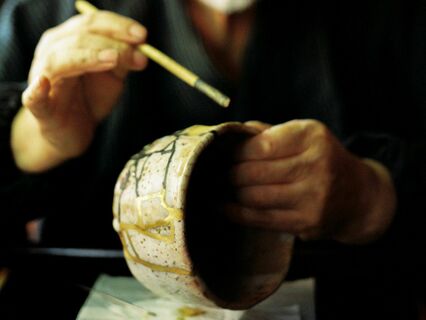
COURSE
Kintsugi Art - A Metaphor For Healing And Transformation
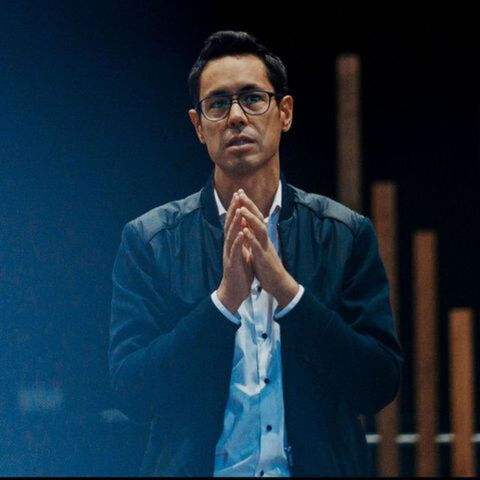
With Motoki
Kintsugi is the Japanese art of putting broken things back together again. Kintsugi can teach us to find new perspectives in challenging situations for personal growth. The Kintsugi philosophy is a rejection of perfectionism and perceived external beauty, and at the same time an acceptance and demonstration of acceptance and demonstration of the courage to face brokenness. Kintsugi also means committing to a longer process - because repair takes weeks and months and involves longer periods of rest. We will walk you through the Kintsugi Process along the acronyms: K — Kindness: I — Investigate N — Notice T — Time and Touch S — Stillness and Solitude U — Urushii G — Gold I — Intention
Meet your Teacher
read more
9 Days
2.1k students
4.8 stars
8 min / day
Healing
English
4.8 (137)
Recent Reviews
Fungisai

June 7, 2026
Thank for this useful course which helped me to gain insights into parts of myself that I hadn't been aware of, and that will aid my healing process. It's been really enlightening to learn more about Kintsugi and also apply the principles to my life ☺️🙏🏿.
Belina
April 20, 2026
The simplicity of the technique of Kintsugi is healing and deepens our connection with ourselves and with others
Sandra
March 12, 2026
One of the best courses I’ve taken! Thank you 🙏🏻
Maddy
February 25, 2026
This was so beautiful and helpful. I slowly listened to this over many weeks and I will return to the beginning and listen again. Thank you 🙏
Sylvie
February 9, 2026
Really interesting perspective 🙏✨
May
January 15, 2026
Absolutely beautiful!
sherrie
November 22, 2025
A beautiful course which softly embraces your brokenness and provides the tools and insights to repair it.
Peggy
November 13, 2025
A beautiful metaphor, artfully described throughout the course. Thank you.
sher
September 17, 2025
Beautiful!
Sheena
September 14, 2025
I have been going through a difficult medical situation and this course has helped me greatly stay calm through my healing and view my journey with a new golden perspective. As an artist this course has also inspired me to create new art and has rekindled my love for Japanese culture. Thank you Motoki.
Jeannie
September 5, 2025
Beautiful course.
Glenn
August 25, 2025
Thank you 🙏🙏
Arani
August 2, 2025
Beautiful and profound. Thank you 💜🙏
Hope
July 7, 2025
Very inspiring and interesting course. I love the gentleness with which it was presented. No hurry. No rush. Take your time to reflect and heal. I had many insights and am eager to share this course with others.
Susan
June 16, 2025
The metaphor of kintsugi for healing is a powerful one. Thank you for this peaceful and contemplative journey.
Zachary
May 22, 2025
I liked the prompts that encouraged me to slow down and reflect, to imagine a new narrative within brokenness. This started me journaling again and thinking more intentionally about the tools I already have to heal myself
Janet
May 18, 2025
🙏
Barb
May 8, 2025
Beautiful message and voice. I loved using the letters to break down this idea for deepest exploration. Thank you. I plan to listen again soon to help setting my intentions. I highly recommend this short, profound course.
Helene
May 2, 2025
Wow! I absolutely loved this!! I looked forward to each new day of your teachings.. such a gentle but powerful message delivered by you! You are a gentle wise master who has opened me to these beautiful teachings.. wonderful, so insightful and with such a dignified but gentle way.. you are a beautiful beautiful soul! I will embrace more of your teachings and redo this course! The piano beginning and ending, is just so so beautiful! Ahh.. it enhanced and completed your teachings beautifully !! I feel so grateful I’ve been exposed to your teachings.. Thank you, Thank you! Helene 😊❤️👏🏻
Vicki
April 30, 2025
A beautiful metaphor and so well presented. Thank you
More from Motoki

Trusted by 37 million people. It's free.

Get the app


