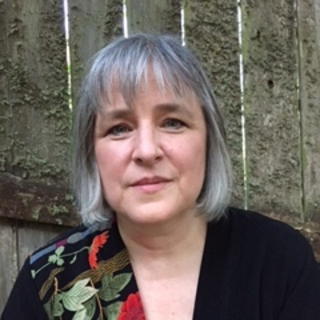
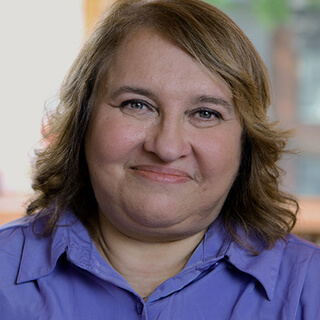
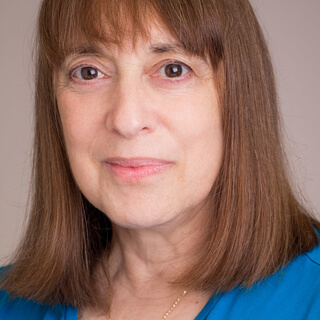
I am with Brenda Shoshana who is a long time meditator and who has spoken a lot about Zen.
Nice to meet you.
Hello.
We were speaking about how authority and looking for the answers outside ourselves is dangerous.
It's actually dangerous and it can run our whole lives.
Yeah,
Yeah.
And so,
When we talk about authority,
We often are split.
There is the authority and there's the person who submits to authority or rebels against authority.
And so,
How do we embody that in the discussion instead of just talking about it?
Well,
In order to,
For me,
Just to embody anything is just to really,
Really be true to myself and to tune in to what I'm feeling,
To be conscious of it,
To be present to it,
And to let it speak.
It's like I'm not speaking,
It's speaking,
That voice within.
So,
Why aren't we,
For the moment,
The voices of authority?
And so,
I'm going to,
And you're going to,
Tune inside and find the authority inside speaking and let ourselves be surprised by what it might say.
I love that.
And do you know what just came to me?
Because when I first heard that,
To be the voice of authority,
I flinched.
I said,
I don't want to be an authority,
But then I realized,
It was such a wonderful moment when I heard that,
I realized it's also a very beautiful,
Powerful experience of being the authority.
It doesn't mean dominating anyone or anyone looking up to you or pushing anyone.
It means listening to yourself,
To your own true voice.
Thank you.
It's such a beautiful realization.
Yeah,
Yeah.
I think we probably have,
Maybe others too,
A very negative response when we think of an authority doing something imposing upon us.
Yeah,
Yeah,
Yeah.
So,
I'm going to elaborate on what you're saying,
Just kind of essentially say the same thing with maybe a slightly different way.
But when I hear the word authority,
I think of it as something that's external and that's imposing something on me.
Or I think of,
Maybe if I become authority,
It's imposing on other people.
And what you're talking about,
And that I resonate with,
Is the notion of authority as being in resonance with what is truly a sense of myself and a sense of where I'm at,
What I want.
And it's not an authority that imposes on anybody.
Rather,
It's a sense of the power of that sense of truth,
Of reality.
Yeah,
That's wonderful.
And I love that.
I love that.
And it's a different,
A completely different experience then of authority.
It's what we call in Zen,
You know,
They say often,
Who's the master of your life?
And the answer is you are.
However,
It's another way of saying the same thing,
To be your own,
To be authentic,
To be truly authentic,
To occupy your own truth,
To live it,
To embody it.
I think that's a really completely different take on authority,
And a very healing and healthy one in my view.
Yeah,
Yeah.
And so,
You use the phrase to occupy your own truth.
And as I was listening to you,
What I noticed is that my spine straightened ever so little.
It may not have been visible,
But I felt inside kind of a sense of straighter,
Expanding a little bit,
Like taking more space,
Having more space.
I love that.
That is so wonderful.
I've had that experience myself at moments when something was true,
And it touched me.
My spine would,
Which it is like you're doing,
As I said,
Your spine would go up.
It's like you feel taller.
You feel more,
It's like being,
Not in control,
But in command of your own self.
And there's more sense of dignity too,
Because it's a feeling of honoring your own self,
That honoring of it.
That's a wonderful and rare event,
Because mostly we honor this person,
That person,
We bow to them,
Which has nothing wrong with bowing.
If we're bowing,
I think to say,
Thank you,
Or I respect you,
I honor you,
That's fine.
But there's a different kind of bowing also,
Which is like not so much just submitting,
But scrunching over,
Becoming smaller,
Giving up what's true for you to some kind of an authority.
It's a very painful,
A very painful process,
And very,
In my view,
Very dangerous process.
Yeah,
Yeah,
Yeah.
So,
That sense of finding,
But that sense of,
You say,
Being in command,
But it's being in command that's different from how we usually think of command,
Because how we usually think of command is there is the commander,
And there is the person who is being told what to do.
And it's the same thing.
So,
What's it like to have both?
What's happening when we're both?
I love that,
When we're playing both roles,
When we're the one in command,
But I'm not commanding,
I'm not bossing myself around,
I'm just making,
As you said,
Space for myself to live and to speak my truth.
To speak,
Not to speak in order to hurt anyone,
Or to push anyone down,
Or to command anyone,
But like a poem,
To express what's real and what's meaningful.
Yeah,
Yeah,
Yeah.
And so,
You use the phrase making space,
And that sense of to express what's real and meaningful.
So,
Making space for what's real and meaningful.
Wow.
I would say that if we could do that all the time,
I don't want to get into a fantasy and a hope,
Which is naturally,
You know,
That's unfortunate.
But I would say that that's a very,
Very beautiful activity.
Let's just call it,
When the activity comes of making space for what's real and meaningful in one's life,
Everybody benefits.
That's what I've noticed.
So,
Everybody around you benefits,
Because their back goes up straight or two.
And it's like,
Well,
If you can do it,
They can do it.
It's like you give them permission to live that way as well.
That's very different from an authority which says,
Oh,
You better do it,
Or else.
But this way is giving people permission to have their own space,
To occupy what's meaningful for them.
And when they share it,
It's wonderful to hear what's meaningful for someone else.
It can inspire you too.
You don't just fight it off.
It's a mixture of giving permission and also leading the way,
Showing the example.
So,
Kind of,
It's demonstrating that it's possible.
It's inviting.
It's,
Yeah.
Yeah.
And it's allowed.
The word allowed comes to me.
That's a big word for me.
Is it allowed?
When I was raised,
There was always a question,
Is it allowed?
You're not allowed.
This isn't allowed.
That's allowed.
And,
You know,
At some point,
Who's the one who's allowing it,
Not allowing it?
What do you mean?
This is life happening.
And it's a very interesting,
It's beyond giving permission,
The word of allow.
It's just like this thing,
Allow life to happen.
Giving permission implies too much that authority,
That it's okay or it's not okay.
But allowing there's some quality of something emerging,
Something spontaneous,
Something that has space.
Yes.
Yeah,
Exactly.
Beautifully put.
Exactly.
Like,
Will you allow the sun to shine in the morning?
Are you going to,
Oh,
Thank you very much for,
Like,
Will you go to the ocean?
Will you allow the waves to come in?
You could stand there.
I mean,
Who do we think we are?
It's so wonderful to allow,
I mean,
Just to be in harmony.
It's like being in harmony with what's happening and also what's happening inside of you.
There are waves out there,
The sunny day,
The cold day,
But let's,
There's also the waves inside of us.
Yeah.
So,
There is very implicit in that is the idea that it's important,
It's worth it to pay attention to what's happening inside of you.
It's crucial.
Yeah.
It's crucial.
It's crucial.
You know,
My goodness,
So much,
Everything now,
Especially with the online life,
Grabbing our attention,
This story,
That story,
This person,
You know,
It's being grabbed.
And so,
Being mindful is really,
Really,
Can be very hard at times because we're being,
It's almost like an assault of different stimuli,
You know,
That really try to grab your attention.
But to be mindful is just to return home,
I would say,
To what's actually happening inside of you and inside of your world,
And to allow it,
And allow it.
Because you won't let yourself be aware of something if you're not willing to allow it.
Yeah,
Yeah,
Yeah.
Then you want to block it out otherwise.
But I think allowing comes even before mindfulness.
I mean,
It helps it a lot.
Then you don't have to resist the mindfulness so much or get so distracted by everything.
Just to know that we could allow ourselves to live.
It sounds very simple,
But it isn't.
Very few,
I think,
Really allow themselves to live.
Yeah,
Yeah,
Yeah.
And so,
To just maybe,
What you're saying brings up for me the sense of what happens in meditation.
And for me,
Of what happened when I decided that I was not going to be able to meditate a certain way,
And that it became a moment for allowing myself to be with myself.
And so,
What you're saying kind of makes me smile and have a sense of support for that.
Beautiful.
I think it's so courageous that you said,
I can't meditate that way.
And that,
First of all,
Takes courage and awareness and to allow yourself to be yourself.
Whoa.
That's true meditation anyway.
That's it.
To allow you to continue the journey of being yourself,
Which never ends till we die.
It's not like getting somewhere else,
Becoming someone else.
Yeah.
So,
That can go into something that might feel strange to some people who equate the that,
Oh,
Self is a bad thing.
You have to go to no self.
You have to,
And so.
Right,
Right.
I love that.
I agree with you.
And I'm so glad you said that.
We say,
And then nirvana is samsara,
Which means that samsara is self.
Everyday life.
I get hungry,
I eat.
I like this one,
Maybe I don't like that one.
I'm dealing with the relative world.
Here I am.
I'm here.
And we don't want to use our practice to block that out or to hate it,
Or to reject it.
That's a very big danger,
I think.
But to see that nirvana,
All the beauty we ever wanted.
And Ada Roshi always said nirvana is samsara.
All this relative world is heaven.
And nirvana,
It is,
Depending on how we react to it.
That's the whole point.
Depending on what we do with it.
We could hate it.
We could reject it.
We could try to impose ourselves on it,
Then it's going to be,
Yeah.
Or we could make it,
We could allow it to,
We could allow the beauty of it.
The beauty of the relative self.
There is a relative self.
And it's not bad.
I mean,
If we try to deny that we have feelings and thoughts and desires,
That denial will knock us down.
But if we just allow ourselves to know them,
To be with them,
To honor them.
What I have found in my practice,
When I do that,
Is the ones that are not helpful,
That are negative,
They over a period of time,
They do diminish greatly or disappear.
Because I'm not resisting it.
I'm not pushing it away.
I'm just exploring it.
I'm with it.
But I'm not hating it.
If you're hating it,
If you're hating this self or whatever you have right now,
It makes life very painful.
And so it's a difficult road to take,
That road.
There are many,
Many confusions,
I think,
In the way people meditate.
They want a result.
I want to become a good person.
I want to become a Buddha.
I want to want to become,
Become,
Become.
But it's all about this moment,
Than who you are right now.
And here you are.
Yeah.
So what you're talking about is not editing.
You're saying,
Oh,
I'm going to take away these things,
Or this thing is not acceptable.
I kind of remove it.
But really,
That sense of making room for all that you are,
All that I am,
Letting it unfold.
And as it unfolds,
Then there is the possibility of actually seeing the consequences.
And based on knowing that,
Slowly,
That experience you're describing,
That over time,
By giving that free reign for everything,
Then there is a chance going more towards what works for you,
Than what doesn't.
Absolutely.
I think that's how it works,
Actually.
I think there's a much wiser wisdom that does it.
I'm not going to personalize that wisdom.
But you know,
Like when we eat a meal,
We don't know how we're digesting the food.
We don't know how.
We don't know how we eliminate the waste.
We take the nourishment.
There's a wisdom that does that.
We take the nourishment,
We eliminate the waste.
The same thing with life.
It's like digesting life.
We're eating the meal of life.
And when we really eat it,
And are aware of it,
And taste it fully,
Then we can digest it.
There's a waste,
The part that isn't beneficial.
I think it will naturally just go away,
Or become fertilizer for something else.
And the part that's nourishing,
There it is.
And it requires a lot of trust.
Because in our normal life,
We don't live with that kind of trust.
You know,
We're guarded,
We're watching,
We're scared,
We're looking for the best authority to listen to in town.
And this constant search for a teacher.
I love what Joko Beck,
Who is,
She's not alive now,
Wonderful Zen teacher,
Wonderful woman,
She said,
Life as it is,
Is the only teacher.
Yeah,
Yeah,
Yeah.
Life as it is,
Is the only teacher.
Yeah.
And so what you're talking about is that sense of trust,
That it will actually work out.
In the way it does.
It works out in the way,
Not the way you want it,
Maybe.
Yes,
Yes.
Not the way you imagined or fantasized.
But even trusting the way it works out,
Even if it looks painful,
Or upsetting,
Or I didn't want this,
Too bad.
Yeah.
It's allowing the whole picture,
It's allowing all of it.
And then ultimately,
It might have been the perfect way to work out.
But who knows?
It's not about that.
It's about just allowing life to be life.
Yeah,
Yeah.
And so that's the opposite of the trying so hard to control,
Based on a narrow idea of what is right and wrong and following some authority about it.
But having,
Allowing the space to let life unfold.
I love that.
I love the way you put it.
Yes.
And that makes me,
It makes me want to sit much more when I hear that.
Not,
Oh,
You better do it,
Or else blah,
Blah,
Blah.
You're going to die soon,
And you don't have time left.
All of that.
For me,
What works for me is,
Oh,
I could allow it to,
I love the process of everything unfolding,
Because that's also the way life,
That's my experience of how life is.
One minute it looks very dim and upsetting,
And the other minute,
Very beautiful,
Right?
And then we're scared to death,
And then we're completely overjoyed.
So just allow all that.
It's like a waterfall with all kinds of stuff flowing.
And that's what we're experiencing it.
Here we are.
I would say not to hate your experience,
Not to hate yourself.
People identify with their experience,
Which you might not later on.
It's your experience.
But there's a lot of beauty and a lot to learn,
And a lot of,
I'm experiencing in my life,
I have experienced a lot of,
Especially since COVID,
I must say,
Because there's been so much intense,
It's been like an intense retreat since COVID in some ways.
And then,
Well,
Issues coming up.
It's a good time to grow.
You can go the other way and get really upset,
Or you can say,
Okay,
This is a good time to grow.
Let me allow life.
Yeah.
So that sense of having that contemplative attitude toward life,
Which does not mean being separate from it,
But that there is a part of you that's aware that life unfolds,
Life may bring you in unexpected directions,
But there is movement,
There is something there.
Yeah,
Right.
Exactly.
You know,
I love this discussion,
And I would say to me,
Just for me,
My experience,
Which I'm sharing,
One of the biggest,
Biggest,
Biggest mistakes is to hate life,
To reject it,
To consider it bad,
To identify with the mistakes we've made,
And who calls it a mistake anyway?
Yeah.
It's just,
I mean,
If you didn't,
How could you learn if you didn't make a mistake?
It's not even a mistake.
It's just what happened.
It's how you look at it.
It's how you receive it.
Yeah,
Yeah.
And going back to the authority,
There is that very negative authority within each of us.
There is within me,
That's for sure,
That judges me,
That tries to boss me around,
And they say,
You didn't do this,
You did that,
Always watching,
Pushing,
Still to this day,
It's much better than it was,
But it's still to this day,
And we can just welcome that too,
Because if you welcome it and you notice it,
Say,
Oh,
Hi,
Here you are again,
Hi,
If you do that,
It takes a lot of its energy and power away,
Strangely enough.
Yeah,
Yeah.
It's just part of the whole phenomenon.
It has a part.
It's not the king that's going to,
It's just part of the whole scene,
Not to deny that we have that,
And I certainly have that in me,
But the more I'm aware of it,
The more it does subside,
And there are times it emerges,
Of course,
But it's a process.
It's just the whole,
I would say not to have any goals or pictures of how you're supposed to be as you continue to sit and practice and meditate,
Whatever you do,
To allow it to be revealed.
It's going to probably be something much more beautiful than you ever imagined.
Yeah,
Yeah,
Yeah,
So you're talking about embracing even that very negative part of ourselves,
And that sense of,
In some ways,
While at times it can be really excruciating and be really difficult,
There's also that sense of something is unfolding,
And you're in the first rank,
First place to see it.
Yeah,
Exactly.
If you can allow it,
Then you can really see what it is,
And maybe you could make friends with it,
And maybe you could even,
Maybe it'll begin to like you a little bit.
Maybe it will change,
Too.
Of course it will,
Because everything has to change.
There's nothing but change,
So if you're not resisting and fighting and hating it,
That holds it stuck,
But if you're just observing it,
Allowing it,
Then it has to change,
Because that's the rhythm of life.
Everything doesn't last that long.
And so,
A moment ago,
You had the gesture,
You're talking about resisting,
And you put your two fists together,
And it's a great expression of resisting,
And so it's interesting of how the movement of the two kind of clashing in this way,
And one pushing,
The other pushing back,
But it can become kind of a dance,
And then you're no longer in that moment of resisting.
There's things that are opposite,
Maybe,
But there's a dance that's coming out of it,
And there's harmony.
Yes,
And you know,
Look,
Say this,
I like the hand part here,
Something is coming at you,
And you're resisting,
So you're keeping it stuck,
You're both stuck.
Say something is coming at you,
You see it coming,
But you're not resisting it,
You're making room even for it to move along.
Yeah,
Yeah,
Yeah,
Yeah,
Yeah,
Yeah,
And so you're taking energy away from it.
So,
As the hand is advancing,
Instead of blocking it with the other hand,
The other hand kind of gently sets aside,
And then it starts a movement.
Yes,
Then it's not stuck,
And it just,
It just,
You know,
Allows,
It's allowing when it goes like this,
It's allowing whatever it is to come to come.
Yeah,
And it's really,
That's how I see it,
It's like allowing.
Yeah,
It seems very scary at first,
I better block this thing out,
But that doesn't work well that way.
Yeah,
You keep it stuck,
And you're losing a lot of energy,
Fighting this,
And who needs it,
You know,
It's like just,
It will come,
And with its own energy,
It'll just keep going if you're not blocking it.
So,
This seems like a very nice place to end.
I want to just check if you have something more you want to add,
Or if it feels right here.
I want to say thank you,
And that's what I want to add,
Because I really,
You know,
It's a joy to talk,
And to explore these matters with someone else who cares about it,
And each of you illuminate it for the other.
Yeah,
Yeah,
Yeah.
That's what we are here to do,
I think we can all illuminate it for the other,
Say it a little differently,
Or share an experience.
So,
Thank you.
Thank you.
Thank you,
Brenda.