Hello,
Welcome to Serenity Wellness Podcast.
My name is Nicole White and I'll be your host.
This podcast is dedicated to helping you tap into your full potential of how you can heal and balance your mental,
Emotional,
And physical wellbeing.
Together,
Let's explore inner self,
Connect with our strength,
And manifest your true nature,
One full of love,
Purpose,
And passion.
Welcome to episode 36,
State of Flow.
We have been working on building our wellness toolbox within increased awareness of unhelpful patterns we may be stuck in,
And also gaining more tools to get out of those patterns and create new cycles and new awareness within that process.
An important part of our living is also how we are flowing and this state of flow in our life.
A state of flow is how we engage in and digest our day.
Even the start of our day can be a rushed or avoidant flow.
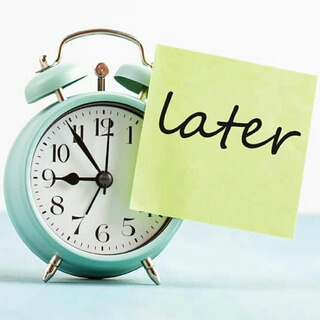
We may set an alarm,
For example,
And hit snooze five times.
Then we find ourself rushed and running around trying to get out the door,
Barely even opening our eyes,
Or even giving ourselves an opportunity or time for nourishment,
Sometimes not even taking care of our basic daily hygiene needs.
So this rushed feeling that we might start in how we engage with the beginning of our day.
That state of rushed energy often will stay with us through the day.
It's a big contributor to road rage.
We can often find ourselves rushed and feeling this rushed energy when we're running behind or running late,
And then take that out on other drivers on the road,
Because maybe they're not as rushed.
And then we are not mindfully aware in that moment of our own stuff,
And that it's our own time management that is creating this for us.
This is something I used to struggle more with,
But at times I can still have this happen for me.
I,
At times,
Will get stuck in traffic going to work,
But it's behind a farm tractor of some sort,
Which is I greatly appreciate that kind of traffic versus what I was used to growing up and where I'm from in the Coatesville area.
A lot of busy car traffic and chaos and noise and horn beeping,
And you have to kind of be a little bit more of an aggressive driver when you're driving kind of more in a high traffic area or in a city.
So all of those different things and how they used to contribute for me,
Although that has changed,
I,
At times,
I definitely try to structure my day in the way I'm going to be talking about today,
But I,
At times,
Also can kind of lose track of time and feel a little rushed in the morning.
So when this happens for me and I get stuck behind,
In this example,
You know,
A farm tractor of some sort,
It is a learning and teaching opportunity for me to check in.
So I'll take that moment to check in with my body,
Allow myself to breathe through and relax,
Releasing any tension,
But also checking in and noticing what I am bringing to this experience in terms of my own maybe lack of time management that morning or awareness that time was kind of going by and I lost track of it.
So it gives an opportunity of body and mental awareness,
But also to check in and see what's going on with us and what we're bringing to the table there as well.
So this time and space of how we start our day,
Again,
Can influence how we go through our day,
But also just the waking up and when we first start experiencing and get moving,
We could have this road rage.
We will often have higher levels of frustration or edginess,
And our minds can often feel scattered and overwhelmed.
When these things begin to happen and we create these types of experiences,
Then we can often get looped into a pattern of avoidance and procrastination in the rest of our day as we're going through it.
Another start of the day flow could be more of that avoidance flow.
And this can be when we feel overwhelmed by the day ahead,
Feel anxious or depressed,
And it will often lead to a lack of desire to even engage in the day,
That desire to just stay under the covers and not move or distract ourselves with unhelpful and unhealthy thinking styles of feeling defeated and getting looped into those negative cycles or avoidance behaviors like just getting lost on our phone or something like that.
So this too will impact the rest of the day.
With our negative stories,
They're often full of judgments towards ourself or our circumstance,
That resistance to acceptance.
These thoughts will prime us emotionally and often continue through the day in that emotional experience of how we are perceiving and digesting the things that unfold around us.
So to help with this start of your day flow,
You might want to look at the first 30 minutes of how you're waking up to start.
What are you doing during that time?
And have an awareness of how that is actually impacting you.
Are you getting on social media,
Watching or reading the news,
Telling yourself defeating or avoidance type stories or thoughts?
Be mindful of what social media also does for you emotionally and creates for you as well as the news,
Especially first thing in the morning.
I highly recommend for people to give themselves at least 30 minutes before engaging in that,
Especially the news,
Maybe giving yourself even a little longer.
But again,
Social media is something that often will impact us emotionally and mentally in ways that we might not always connect with or be aware of.
So take some time to just check in and see if that has any impact on you.
But also giving yourself permission for this 30-minute window to not engage in any of that,
To allow some time and space to just wake up and start your day in the flow that you will create,
The flow that you prefer.
So how are you starting your first 30 minutes of your day?
Being mindful of the social media and the news and maybe giving some time and space for that.
Allowing yourself to notice how those things affect you.
Again,
Social media is a great tool in some ways,
But we often are not aware of those feelings of comparison,
Sometimes jealousy,
Resentment,
That I think it's called FOMO,
The fear of missing out,
And not recognizing that it's social media.
People often only present certain aspects of themselves there.
Or sometimes people get pulled into deep political debates and things like that,
Right as they're opening their eyes and getting themselves all kind of jacked up and angry.
So be mindful of how you're starting this 30 minutes and what you're bringing in and how it might impact you personally.
In order to create more of the ideal morning for yourself,
You might want to consider writing this down.
So what you would do with this is at the top of your page,
You might write something like my ideal start of my day is,
And then you start to free write.
So allow yourself to just free write what that would look like for you.
Maybe it'll take about five minutes or so,
Maybe a little longer,
Maybe a little bit less,
But without any restrictions to the mind,
Just free write my ideal start of my day is,
And then let yourself rewrite what that looks like.
After you're done,
Then go back and read it.
See what you can pluck out from that and start to apply to your life.
Allow yourself permission to create that space for what you desire it to look like.
I know that we can often have other things in our life that structure us,
Such as,
You know,
Our jobs and our family obligations and things like that.
So that is certainly the case often,
But be mindful of your own capacity to structure the rest and what you really want that to look like.
In this start of your day and the flow and how that's going to go into,
As we'll talk about some of the other dynamics of your day.
So when considering this and things to maybe have in your mind of things that might be helpful for you to add or consider into that 30 minute start of your day is,
Again,
That time and space from your phone and social media or the news,
Allowing yourself to maybe have a mindful cup of coffee,
Tea,
Or juice.
We talked about that when in the episode about mindfulness,
But drinking that in a mindful way,
Slowing down,
Taking in the fragrance,
The taste,
The warmth or cold feeling in your hands of the cup or mug you are holding,
Letting yourself feel it and taste it as you put it in your mouth and swallow it.
So letting yourself experience the moment instead of just breezing through the moment with mindfully drinking coffee,
Tea,
Juice,
Or whatever it is of your beverage in the morning.
Maybe considering having a 10 minute meditation space for yourself in that 30 minute period of time.
Or also maybe thinking about taking one of those mindful showers that we talked about before,
Allowing yourself to connect with the experience of just taking a shower and not bringing these other people in the shower with you that you will bring into your mind that will create chaos,
Confusion,
And disruption.
You will feel much different taking a mindful shower than a shower that we will often get into bringing all this other noise in our mind with us.
That reminder of a mindful shower is again when you're just taking a shower.
You're connecting with the feeling of the water as it hits your body,
The feeling of the suds against your hands and how it feels to lather your hair or to wash off the suds.
What it smells like,
Feels like,
Sounds like,
Putting your head under the water or out of the water and noticing the difference.
And if you have thoughts come through,
Allowing yourself to observe them,
Notice they are there.
And you can also let them then go down the drain versus float away if you're in that experience.
So that's the example of a mindful shower.
You might also want to incorporate just some light conversation in that 30 minutes with maybe a family,
Friend,
Or loved one.
Just giving yourself some time and space in this 30 minute start in the flow of your day to design it in a way that is more suitable for what you want to experience.
When you're looking at the in-between of your day,
You want to look out for the emotional and mental lingering from how you started your day.
So some of those things that we just talked about.
As you start going into your day,
Try to tap into some mindful awareness of any lingering you may notice.
Because again,
The more we are aware,
The more it allows for an agent of change.
So as we increase our awareness and how these things impact us and our day,
Then it gives us more of an ability to tap into different tools or techniques to change that pattern and process for ourselves.
As you're working through the in-between of your day,
Notice also if you are feeling scattered or disorganized.
If this is there,
Check in with your environment to see if it is also contributing.
Is there clutter around you and disorganization?
Do you notice you have a lot of time wasting looking for things or feeling flustered as you look around you and things seem chaotic?
Our external environment is a reflection of our internal environment and also impacts how we feel.
Dedicating some time to organize your space can assist you with your internal organization.
Taking just small steps will make a huge difference over time.
And as we've talked about in previous episodes,
It creates its own internal motivation loop as we begin to slowly get rid of clutter and disorganization.
This includes your bedroom or where you sleep.
Having an organized and clean space to close your eyes to and wake up to will support your system.
We often will also spend time in the kitchen at the beginning and end of our day,
So another area to be mindful of how it is in terms of disorganization and clutter.
Be mindful of how you want that space to be and how it makes you feel.
For example,
We might leave dishes and things on the counter as we go to sleep.
And then we wake up and we move into that space and it will impact how we feel when we move into the space.
We might have as part of our routine cleaning up the kitchen in the morning,
But is that creating really the energy that works best for us when we enter the space?
And I know we don't all wake up in the morning.
Sometimes our schedules are different.
Sometimes people work third shift and stuff like that.
So I'm trying to be mindful of not saying the morning,
But just want to point that awareness out.
So when we're getting up,
Whenever that is for us,
Being mindful of how we do feel when we walk into,
For example,
A kitchen and if it's cleaned up or if it's full of dirty dishes,
Clutter on the counter and the table.
And so if we're mindful of that difference in feeling and we find that having it cleaned up and organized when we go in,
Whenever that is in the start of our day,
Makes us feel a little more organized internally,
Well,
Then we use that as a motivation loop in the evening to get things cleaned up and put away before we go to bed.
We can think of the end result to get that motivation going.
How am I going to feel when this is done?
What does this feel like when I walk into the kitchen,
If I leave all these dishes versus if I spend 15 to 20 minutes finishing cleaning up and getting them put away,
How will that make me feel then when I wake up to that space?
So you can ask yourself a little about the end to get yourself moving through and get that motivation going if that's something you feel that you need.
Again,
With that reminder,
We do not have to feel motivated to get things done.
So just want to remind you of that.
You also in this in between of your day,
You want to check in on your procrastination behaviors.
These time wasters often create added frustration and we end up having self-defeating thoughts.
But once we recognize how much time we waste on our phones,
Social media,
Mindless games,
Etc,
We can then start to embrace this awareness and value our time more fully instead of throwing it away.
When we get into procrastination and avoidance cycles,
Again,
We often will waste time.
And then we get anxious or feel self defeated or have resentment towards ourselves as the day moves on of all the things we didn't get done that we wanted to get done.
Or we are aware that if we added up the time in our day,
We wasted two hours on social media that was really mindless nothing when we could have used that time for something else that would have been much more fulfilling in terms of completing tasks or things that are important to us.
If you find that procrastination or feeling disorganized with the things that you have to get done through your day or would like to get done through your day as a challenge,
Then you might want to also consider in that 30-minute beginning flow of your day to have an opportunity,
You know,
Maybe five minutes or so of that time to do your checklist for the day.
And that reminder of keeping it at five items.
You don't want to go above that because we will often then feel overtaxed and overwhelmed.
Human research,
As I've talked about before,
Shows us that the most effective way of list writing for the day is to keep it at five things.
So you write the five things down and then prioritize what they look like and have yourself aware that you might not get all of them done.
Over time,
If you practice that,
You'll get better at it because you'll have a better estimation of how much time is required to complete certain tasks.
But initially,
We often will over or under exaggerate the amount of time we need to do things.
And so we can maybe not have even enough time in our day to complete the five things we think we will,
But also life can tend to bring us some things we didn't expect in our day that might get us off kilter a bit there too.
So allowing that wiggle room and realizing that even if you have five things down,
You might not get them all done.
But that might be another tool that will help you feel a little more organized and a little less likely to procrastinate because you'll have a little bit more of a plan in place.
If you are a procrastinator,
You might also want to check in on what it is that is making you feel the desire to procrastinate.
So that example of feeling disorganized or uncertain would be one.
Sometimes we might also be procrastinating because we don't want to feel the emotion involved in the task at hand.
So if the task at hand is going to cause us a little stress or bring in memory of something that upsets us,
We might avoid for that reason.
We might also avoid because we have a connection to more of a perfectionist mindset where we have a fear of failing in some way or that we're not going to do it right,
So we avoid so we don't have to feel that as well.
Those are some examples of procrastination.
I'll be doing a future segment on that specifically as well because it,
You know,
Can require a little bit more of a discussion there.
But just some things to keep in mind in terms of your own procrastination.
Also in this in-between of your day,
As well as the start of your day,
You want to be thinking about nourishment.
Making sure you are dedicating time to nourish your mind and your body.
30 minutes of movement in a day can create a drastic difference in our whole body system,
Whatever that means for you.
Maybe it's a walk,
Maybe it's a brief exercise routine,
Maybe it is doing some yoga,
You know,
Whatever works for you in terms of movement.
It doesn't have to be something high,
Intense,
Cardiovascular,
But movement is so important to our full body system and trying our best to have at least 30 minutes of movement in our day.
And the nourishment with what we bring into our body in terms of food.
Pay attention to what you're eating and how you're choosing to fuel your body.
Recognize if you are trying to create energy with overfilling yourself with sugar and caffeine,
For example.
Recognize if you are eating.
Sometimes people will go through their day and they tell me they forget to eat.
And then they get to a place of starvation and they're,
You know,
Eating really quickly or eating things that are unhealthy and then it causes even more digestion.
So paying attention to your eating overall,
What you're bringing into your body,
And making sure you're giving time and space to eat.
Also recognize how you're eating.
Are you even giving yourself the time to eat when you are eating?
Or are you shoving the food in your face and then finding that you have digestive problems or maybe you're overeating or maybe you're not even experiencing and tasting the food that you're eating because you're shoveling the food in your mouth so quickly.
So if we slow down as well and incorporate mindful eating,
Then it will also help with digestion,
But also our experience with food.
It will help with this state of flow and how you're flowing through your day so that you're not rushing through it.
We want to again be on the lookout and paying attention to things we're doing in this state of flow through our day that involves resistance,
But also that avoidance or rushed cycle.
So if we're rushing when we're eating,
We're also creating that rushed energy.
And again,
It can drastically impact our ability to digest food as well.
If you have a difficult time slowing down in your eating,
You might try first eating with the opposite hand.
That will help to slow you down.
You might just try five minutes of mindful eating where you're just trying to not only maybe use the opposite hand to slow you down,
But maybe you're really mindfully trying to take so many chews before you swallow,
For example,
Whatever resonates for you there to just try to slow down and experience and connect with the food you're eating.
And again,
That will help prevent digestive problems,
But also it will help prevent overeating cycles or emotional eating experiences,
Which we'll talk about down the line when I get into life mapping.
But also in this nourishment of our body,
Pay attention if you are drinking water.
Water is so important in terms of our hydration system and our overall body health.
With low hydration and having that dehydration experience in our body,
For example,
The liver,
That organ is connected to our emotion regulation as well.
So if we are dehydrated,
Our liver will respond in an emotional way,
And we can have higher levels of frustration and anger.
So be mindful of your water intake through your day.
That's just one example.
I mean,
It hydrates ourselves,
Our body.
We're primarily water-based.
If we're dehydrating ourself,
It affects all of our organs in different ways.
So that liver is just one example of the high,
High importance of drinking water,
And also how it has to do with our hunger cycle and awareness of that.
So there's a lot that water in itself can do for ourselves,
And being mindful and making sure that we are replenishing our body system.
In terms of what I talked about before with over maybe trying to regulate our energy levels with sugar and caffeine,
You might also want to check in if that has anything to do with how you're sleeping and how much sleep you're getting.
Typically,
It's about seven to eight hours for adults is that kind of window of necessary sleep.
Sometimes it's a little shorter,
Very rarely much shorter than that.
Sometimes it's a little longer,
But not much longer because if we oversleep,
We get overtired and more of a sleepiness cycle through our day.
So checking to see if you are over-caffeinating or using sugar as a way to increase energy,
But that if it also has to do with you not getting the proper amount of sleep.
If you are aware of this,
Then it gives you an opportunity again for change.
It lets you decide what you want that to look like and how to maximize your time so that you are also maximizing sleep time,
Which is vitally important.
Us having good sleep hygiene and getting a good sleep affects our mood,
Our emotion,
Our ability to think,
But also our body when we are in a sleep cycle is doing its own thing in terms of rejuvenation,
Healing,
All kind of stuff that is a whole nother category of talking about.
But it's so important for us to get a good sleep and the amount of hours that is right for us.
You can also consider working with the seasons where you live in terms of sleep hygiene.
I am in Pennsylvania,
So we have the four different seasonal changes.
So we are in fall now where it's getting darker earlier,
A little colder,
And then we'll move into winter where it gets dark much earlier.
And obviously here in Pennsylvania,
It gets kind of cold at times.
But with that,
If we allow our bodies to work with the earth energy wherever we are located,
You can adjust this description to what your seasons are like.
But for here,
If we allow ourselves to adjust with the seasonal changes,
For example,
Then in fall,
We're starting to move more into eating,
For example,
With the earth,
The things that are in season here,
Sweet potatoes,
I love them.
So always happy about that.
But living in a way of nourishment with our earth energy around us and what is in season in our area at that time,
But also with our sleep cycle.
It will be getting dark where I'm at soon at like five o'clock.
So it doesn't mean we're necessarily going to go to bed at five o'clock.
But as we start transitioning with seasonal changes and our own sleep hygiene and wellness,
Then we have less of a full body resistance.
A lot of times people can have difficulty with increased depression or lower energy,
For example,
In the winter,
Because we're also not getting as much vitamin D.
But we also have this level of resistance that winter is a hibernation time.
So if we start gently adjusting,
And yeah,
Maybe we're not going to bed at five,
But we're unwinding in a different pace and space and maybe going to bed a little earlier,
Because then it's allowing us to also wake up a little earlier in a more kind of homeostasis with the beautiful earth around us supporting us with that energy.
So that's just something I wanted to kind of put in there because again,
It really can help with our emotional cycles as well when we allow ourselves to try to work with what's around us and the energy and seasons that we live within.
The last thing to consider here in terms of the state of flow and the flow of your day is related to sleep hygiene.
This refers to the hour before you go to bed.
Just like we talked about with the start of your day and what you wanted that to look like,
It applies also to the end and how this will impact your sleep rest cycle.
You want to try to support yourself naturally by avoiding things like your phone or television.
The lighting system in that does affect our own body's melatonin production,
For example,
And that is what helps us to get into restful sleep.
A little side note on melatonin.
I know that at times people take melatonin supplements.
Please be mindful that when you are taking melatonin supplements,
It is recommended for five to seven days.
Anything much beyond that will increase depression as well as affect your own body's ability for melatonin production.
Melatonin supplements are not supposed to be long-term.
Sometimes people will take them for years and not recognize the negative impact it may be having on their body.
So if you've been on melatonin for an extended period of time,
I would encourage you to consult with maybe your physician or holistic practitioner to see what they might recommend for you.
You can also think of things,
So that was about,
You know,
Trying to avoid our phones and televisions at night in this hour before bed sleep hygiene.
You might also want to think about other natural ways that you can support relaxation,
Things like lavender or grounding oils like cedarwood.
Lavender is often the most common one known,
But you can put some lavender on your wrists or diffuse it in your air.
Maybe put some on a pillow or,
Excuse me,
A tissue under your pillow.
So that will calm the system down.
Or chamomile tea,
For example.
I recently spoke at a psychiatric hospital that's,
You know,
As many are medication-based and my presentation was on holistic healing.
And I was able to talk some about some of the life mapping stuff that I do with people as well as holistic health options with natural ways to heal mental health.
And I gave this example of the sleep hygiene in terms of what can happen on units in psychiatric hospitals and how sometimes even children can be given Benadryl to go to sleep at night instead of maybe using tools like lavender,
Some breath and body relaxation,
Some guided meditations,
Or even yoga poses that are specifically designed to create relaxation in your body,
Diffusing lavender on the unit.
So there's other options too that we can look at to support ourselves naturally and holistically to help unwind at night and get into a good sleep hygiene routine.
You want to also maybe consider if you are reading,
Be mindful of what you are reading as well as how it's impacting your ability to fall asleep.
Sometimes people will read content that is maybe not really the most conducive thing to read before you're going to bed.
It might create nightmares or disturb sleep cycles,
Anxious responses in the body,
Worry cycles in your dreams.
So thinking about the content and type of reading you're doing before going to sleep is important,
But also be mindful if reading the hour before sleep is the best for you.
Sometimes it over-engages the mind and then it's hard to settle the mind when you're wanting to then go to sleep.
So again,
As we increase our awareness of how things truly impact us,
Then we can know if they're the best things to have in place for ourselves.
Only you can pause within yourself though and check in.
I'm just kind of giving you some guides.
Another thing to consider is maybe even taking a warm bath or shower.
If you take a bath,
You can maybe add some Epsom salt in there,
Which side note helps substantially with the magnesium in our body,
Which we are often very low on,
But also it impacts the inflammation cycle,
Which as we've talked about impacts pretty much everything.
So that's a little side note,
But something to consider adding to your evening bath.
But just the bath itself or warm shower might help to relax and calm your body.
But again,
Check in and be mindful in terms of self and how it works for you.
Sometimes for that,
It wakes people up.
So they don't want to do that,
Obviously,
If they're trying to go to sleep.
So be mindful if that's a good tool for you.
These are just some options and things to consider and think about.
You might also want to include some of those other things I mentioned in terms of brief meditation before you go to bed.
Finding some yoga or stretch poses that are in alignment with going to sleep and relaxation.
Maybe listening to a guided meditation if that is helpful for you.
If you find your mind racing,
Maybe having a light conversation with a family,
Friend or loved one to try to process what's happening.
Noticing and recognizing that as you try to adjust your sleep,
It can take a little time and your body will also take a little time to adjust before you really experience the full benefits.
So kind of having a bit of a dedication to this experience so that you can get into this state of flow and your body can start working with it.
If you find as you're trying to go to sleep a little resistance there,
You know,
Maybe you're used to falling asleep to a TV or something like that so you might notice your mind is a bit busy.
You can consider having a white noise machine in the background.
That can be helpful sometimes.
But you can also maybe work on connecting with your breath.
So letting yourself just connect with the feeling of breathing and that rise and fall of your body.
You can connect to a mantra such as I am tired,
Or I am sleepy.
I am feeling relaxed.
If the mind starts getting active,
You can observe the thought,
Allow it to float away and remind yourself you have time tomorrow to think about it.
If it keeps coming back,
You can consider that mind dump technique we've talked about where you just have a piece of paper next to your bed that you can jot down whatever circling around.
And that gives your subconscious permission also to realize it doesn't have to keep thinking about it.
The information will be there for you in the morning or whenever you wake up in terms of your flow of your day.
You can also try the progressive relaxation technique that we went through.
And as a reminder,
There is that experience where I take you through the progressive relaxation.
I wish I remembered what episode it was,
But I don't.
So I'm sorry.
But there is that progressive relaxation experience as well.
I think it's like an inner stillness.
I'm sorry,
I should have looked that up.
But you can try that progressive relaxation.
And what that is,
As a reminder,
You are breaking your body into like three segments.
Section three is your head,
Section two is your torso,
Arms and hands.
And section one would be your legs and your feet.
Starting at section three,
You take in that nice deep breath,
Tightening up the muscles in your face,
That section three area,
Holding the breath for five seconds and the muscle tension,
And then letting go,
Releasing the tension and the breath,
Imagining the stress and tension leaving your body.
And you do the same for section two,
And then section one.
And you do that about five different rounds.
You will find the mind begins to settle because you cannot be thinking about all the mind clutter and connecting to the monkey mind when you're counting,
Experiencing,
Tightening and releasing.
So those are some techniques that you might want to consider bringing into this sleep hygiene or the hour before bed.
You may also want to be avoiding any food at that time.
Because again,
You don't want to get your body active in digestion that takes energy and gets it moving and can cause digestive problems.
And then when we talked about caffeine and sugar,
Maybe really noticing when your cutoff time is for that to be effective in falling asleep.
So that's usually,
You know,
Several hours,
You know,
Maybe 10 hours or so really before you want to go to sleep.
I didn't really do the math.
So for example,
For me,
I tried to be asleep by around 1030 at the latest,
And I really try not to drink anything caffeinated past about one o'clock in the afternoon.
So I think that's about 10 hours ish,
Less than that,
But you get the gist.
So those are some ideas and things to think about in terms of what is your state of flow,
Recognizing increasing your awareness of the things that might not really be in alignment with how you're wanting that state of flow to go.
Understanding that some things are structured in your day,
And you have certain responsibility maybe at certain times,
But also being mindful of what you do have control over creating in your life,
And giving yourself time and space to create that.
Remembering that you have to have patience and compassion within it,
As it will take time for the adjustment to happen.
Thank you,
As always,
For spending time and space with me today.
I greatly appreciate all of you.
If you want to find out what we have going on,
Check us out online at Serenity Wellness Center,
C-E-N-T-R-E dot com,
Or serenitywellnesstools.
Com.
We have a lot of cool workshops coming up in terms of some photon light therapy,
Herbal workshops for mental health,
As well as Healthy Boundaries for the Holidays,
And some other things.
So you could check us out there to find out more.
And I also have some Reiki trainings coming up.
As again,
Or again,
Thank you all.
I look forward to talking with you soon.
Have a beautiful day.