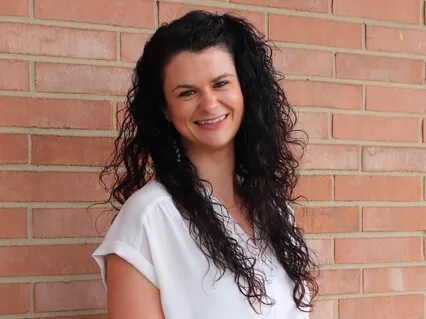
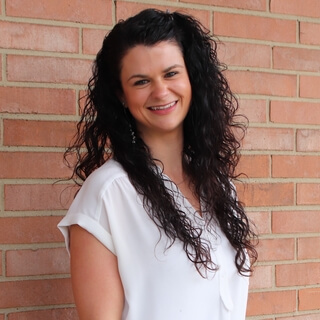
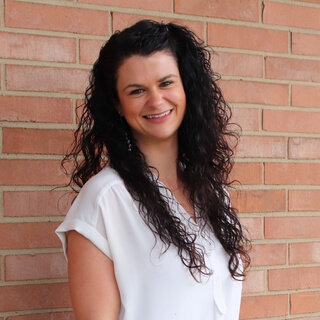
Hello and welcome to Alternative Therapeutics introductory course to meditation.
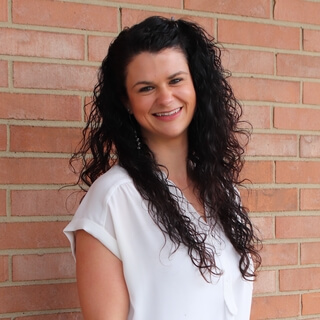
I'm Brittany Cirillo,
The owner and clinical director at Alternative Therapeutics.
And today I want to touch on the basics of meditation.
Why is meditation important?
Why do so many people use it and find it helpful?
And I want to also address some of the common barriers that people might come up against in trying out a meditation practice,
And also touch on some of the basic questions that a lot of people might have when it comes to adopting a meditation practice.
So let's get started.
I want to talk first on why meditation is important,
And why so many people tend to use it.
So the number one reason I think that people tend to utilize meditation is to decrease stress and to feel calmer.
And I think that is really important in today's day and age because of how much stress so many of us experience on a day to day basis.
The stressors that we undergo in today's day and age far outweigh what we were evolved to really deal with.
You know,
In the caveman days,
We were equipped to,
You know,
Use our fight or flight mechanisms to get us out of danger if a saber tooth tiger were to enter our cave suddenly.
Our fight or flight mechanisms would spring into action.
We would fight,
Flee,
Or freeze usually,
In order to get us out of those those circumstances.
Now,
Our fight or flight mechanism is on high alert all the time,
Due to constant input from our environment,
Whether that's phone calls,
Emails,
Responsibilities at home responsibilities at work,
Responsibilities with your spouse,
You know,
Social media,
TV,
You know,
All the different input that we have in today's day and age is really too much for our brain and body to handle.
And we really weren't equipped to process that kind of information and and let it go efficiently.
And so meditation can really be a powerful way to allow our body to,
You know,
Process that information and let it go and not have it weigh on us and build up as chronic stress within our brain and body.
And so,
You know,
The moral of that story is that many of us live in a fight or flight overdrive system these days.
And it can have a long,
Many different long term effects on the brain and the body.
Many people that experience chronic,
You know,
Long term stress might experience poor memory,
Poor attention,
Difficulty regulating emotions.
People will often have trouble sleeping,
They might have chronic pain.
It's essentially an inflammatory process,
And it can create all kinds of,
You know,
Poor health conditions.
And so it's really negative for the brain and body to experience chronic stress and not have a way to deal with it.
And that's why I'm so passionate about teaching meditation to our clients and just spreading the word about meditation because for one it's it's free.
That,
You know,
There are a lot of different ways to pay for meditation these days on different apps and so forth.
But it's really a free practice.
It doesn't require much,
Doesn't require any tools or special skills or fancy equipment or anything like that.
It is accessible to all of us,
And it,
The research is really quite astounding in showing how beneficial this practice is when we implement and implement it into our daily routines and self care practices.
So again,
I really can't emphasize enough how important it is for people to start implementing this into their into their self care practices.
Additionally,
If you are a client of Alternative Therapeutics,
You know,
In the years that we've been in business and the,
You know,
Six,
Seven years at the time of this recording,
Years that I personally have been working with clients using psychotherapy or talk therapy with neurofeedback,
I have found that those who implement a regular meditation practice alongside their treatment with us really improve leaps and bounds beyond those who do not end up implementing a meditation practice along with counseling,
With neurofeedback,
With EMDR,
Whatever treatment you are receiving through Alternative Therapeutics.
It calms the brain,
It calms the body,
And it allows the brain to take in the changes that you are receiving from EMDR,
From neurofeedback,
From biofeedback,
Whatever it is you're doing with us.
And it really allows the brain to take those changes and run with them and and create those positive impacts in a much more efficient way.
So again,
If you are a client of Alternative Therapeutics,
Most likely you are if you're listening to this recording,
I really strongly encourage you to take this seriously and and strongly consider making it a part of your your daily routine.
Okay,
Enough on my soapbox there.
Let's get back to the content of what I wanted to cover today.
So you know,
We talked about stress and how it has impacts long term on the brain and on the body.
So let's talk about some of the benefits of meditation and what research has been able to show us through the years.
So you know,
One thing that I'm really passionate about is I really find that meditation seems to be a health revolution.
You know,
Back in the 40s 50s 60s even,
It was not common for people to exercise as a way of,
You know,
Staying healthy.
It was not,
You know,
People you didn't see people going out for jogs.
You didn't people you didn't see gyms.
People didn't have gym memberships that just didn't exist because the research wasn't really there to support it.
So people didn't do it.
But people were oftentimes more active back then.
They were outside a lot,
They were gardening.
They you know,
Did they had to walk more or ride their bike.
They people were because of lifestyle then were forced to be more active than than we are in today's day and age.
And so now I think a lot of us end up feeling guilty if we don't engage in regular exercise.
We know we should write our doctors tell us it's really been ingrained in our heads by now that exercise is really important for our brain and for our body.
And I feel the exact same way about meditation and I think that that is going to be the next it is becoming it already is the next health revolution more and more doctors to you know,
Typical MDs are are diagnosed or are recommending meditation to their patients and there's a there's a lot of reason for that because of all the research that's come out.
But the research has shown that meditation actually helps to grow the brain.
It helps grow the parts of the brain that are really important for controlling our emotions for thinking logically and clearly for making rational decisions.
And it helps calm down the parts of the brain and actually shrink the parts of the brain that are associated with fear and trauma.
And that's been shown through functional MRI scans of the brain.
So I think that that is just so fascinating.
Physical benefits,
There's a ton of physical benefits,
Including boosting immune function.
So we get sick less often when we practice regular meditation.
And again,
I think that that points to the ability of meditation to calm down that that inflammatory the inflammatory processes that that stress triggers,
Blood pressure improves,
Cortisol levels improve,
And that's a stress hormone in our body.
It helps reduce pain,
It is shown to increase longevity,
Meaning that we live longer.
And not only do we live longer,
But it helps to slow the aging process in terms of cognitive decline.
So some studies have pointed to the ability of meditation to reverse or not reverse but reduce and slow that aging process where people normally start to experience poor memory and reduced ability to problem solve and things like that.
Meditation helps helps to significantly slow that process,
Which is very exciting.
Some emotional benefits that research has shown for for meditation practice is reduction in anxiety,
Depression,
Attention deficit disorder.
As I've touched on,
It helps improve emotional reactivity.
So my big saying that I often use with clients is respond,
Not react.
So it allows us to be in touch with what's happening on our inside,
Being able to recognize the emotions that we're feeling and recognize the sensations in our body and choose how we want to respond to various situations instead of just reacting from a place of,
You know,
Anger or fear or frustration or whatever it might be.
So people are much better able to control,
You know,
What what comes out of their mouths and how they react and how they behave,
Which can have obviously,
A lot of positive impacts,
Whether that's work,
Socially and relationships and so forth.
Helps improve impulsivity.
So again,
A lot of people,
You know,
If somebody has an ADHD diagnosis,
They might struggle with impulsiveness.
With addiction,
Oftentimes there's impulsivity involved,
Helps improve feelings of well being.
As I mentioned,
It helps improve improve attention and focus,
Empathy,
So ability to put yourself in other people's shoes and recognize the emotions of others,
Very important.
And overall,
Just helps improve our self awareness,
Our awareness of ourselves of how we feel about things of how we react to things,
Which has,
You know,
Huge benefits in many different aspects.
And the secrets,
You know,
These are not secrets.
As I mentioned,
Meditation is being prescribed more and more by various different providers.
And prisons have started implementing,
Teaching meditation to their to their inmates.
The military is using meditation skills,
Law enforcement agencies and big corporations.
Some big corporations are now implementing neuro for meditation practice,
I hope neuro feedback one day,
Meditation practice amongst their employees,
Because it's been shown to increase productivity,
People can do more with less time when they have a regular meditation practice.
So that is really,
Really neat to see as well.
So I want to touch on as well some of the common things that I hear from clients and from the clients who struggle to implement these practices on a daily basis.
One of the major ones that I hear a lot is feeling like you're not good at it or feeling like you just can't get a handle on on meditation.
And I am here to say you are not alone and feeling that way I too have struggled with that,
Because I have a very active mind.
My mind is constantly jumping from thought to thought.
And for me,
It takes quite a while in my meditation practice,
I would say a good five to 10 minutes for me to even start to slow down that process.
And so just just wanting to say you're not alone in feeling like well,
I can't control my thoughts,
I really can't get my mind to turn off.
That is not what meditation is about.
There's a great book I read on the topic of meditation.
And the author states that trying to control the brain and tell the brain to stop thinking is like trying to control the heart and tell it to stop beating,
You know,
We don't have voluntary control over that the our brain thinking is a is an involuntary reflex,
Okay.
And so to think that you're going to sit down and close your eyes and just,
You know,
With a flip of a switch,
Turn that off is really,
You know,
Is not practical.
That's that's not realistic.
And so just coming,
Approaching meditation with that understanding that you will have thoughts,
You will be distracted,
You will feel bored at times or just want to get up and feel like this isn't working.
I'm done with this.
It is a part of the practice.
Okay,
So if there's one thing that you take away from all of this,
I want you to take away that it's that it's not meant to be a,
You know,
Zen time of no thoughts.
That is not the expectation here.
Okay.
And along with that,
You know,
Another common excuse,
I can't get my mind to stop.
Again,
That is a part of it.
We're going to give you I'm going to discuss in more detail what tools we're going to use to help you direct the activity of your mind.
Okay.
So I might feel that it's too weird or spiritual or out there.
And you know,
Meditation has its origins in the Buddhist practice as as many may know.
But that does not say that those who meditate are practicing Buddhism,
You know,
By any means.
Meditation is a secular practice of giving the mind some space and some freedom and a break from the,
You know,
Day to day monotony of thinking,
Doing,
Achieving,
Going from task to task to task.
Meditation is not a religious practice.
It certainly can be a part of a religious practice.
And you know,
I think it's getting less and less weird,
So to say,
Because so many people are doing it,
It's becoming more mainstream.
The Calm app now has commercials on TV.
LeBron James,
You know,
Has come out and said,
You know,
That he uses the Calm app,
And he's been a spokesperson for meditation.
And so there's just been a lot of big names that have have,
You know,
Been talking more and more about this.
And so that that gives me a lot of hope that this is going to continue to become more and more mainstream and less and less thought of as some weird hippie practice.
And another probably the biggest excuse that people will give with meditation is that they don't have the time.
And trust me,
As a mom of two,
Little ones,
Two under three,
And you know,
Business owner,
Wife,
All of the above.
I totally get that.
I totally get that excuse.
And I've used it myself many times.
But you know,
It's really not a good excuse,
Because the research shows that all that's needed to gain benefit from a meditation practice is five minutes a day.
And I think all of us are kidding ourselves if we think that we can't spare five minutes a day for this practice.
You know,
Take a look at your social media activity,
Take a look at the amount of time you spend watching TV or playing games on your phone or chit chatting mindlessly with co workers.
You know,
These are times where you could be inserting a couple minutes of meditation practice and really doing some some major healing for your brain and really benefiting yourself in the long run.
So I really don't,
I don't have time for that excuse of I don't have time because we all have time and we can all we can all definitely make this a priority and squeeze it in if it's that if it's that important to us.
Okay,
So a couple things to think about.
So what are the basics of meditation as far as you know,
What do you need?
How do we get started?
So meditation 101.
First thing you want to do is try and find a quiet place that you are unlikely to be disturbed.
This can be difficult.
I totally get that.
You know,
It's really great if you can set up a separate space in your home that can be your meditation Zen space that would that you know that's the ideal that would be lovely,
You know with different sounds that you like or find soothing smells,
Whether that's candles or aromatherapy or whatever.
I personally really like to be outdoors or be able to hear nature,
But it doesn't have to be anything fancy,
You know,
You could be just sitting in a chair in your dining room.
That's fine.
But yeah,
You want to try and you want to try and limit distractions if you can and,
And something important along those lines is,
Is communicating with those in your household about what you're doing and why it's important to you and help them create that space for you.
If you show them that this is important to you and that,
You know,
Kind of create that boundary people will learn to respect it.
Okay,
It might be a little weird at first it might,
You know,
Take some be a little learning curve on their part but I encourage you to just communicate your needs and hold those boundaries for yourself.
Secondly,
You want to get comfortable.
So if I'm at work,
Which I often if I have time between clients I'll squeeze in a meditation in the afternoon,
A second meditation in the afternoon because I usually do mine in the morning.
But you know I might take off my shoes I might unbutton my pants if they're feeling a little tight.
I will get some pillows and I like to have my elbows propped up.
And yeah,
Just do what you do what you have to do to be as comfortable as you can.
You know,
Sitting or lying down I get that question a lot so I prefer to sit because I am one of those people who's likely to turn a meditation into a nap.
And so it's a lot easier for me to avoid that if I'm sitting,
And so I like to have my back supported so I'll be usually on a couch with my head free because if my head is supported also then again I'm more likely to fall asleep so head free back supported sitting is,
Is my preference.
And then you will choose an anchor so more often than not,
I am doing guided meditation practices so having somebody else talk me through it.
And you may choose to start that way as well because it helps usually keep you on track better.
You may also choose not to listen to anything and just guide yourself and that is,
That is great that's that's fine.
You will choose an anchor it or if you're listening to a guided meditation they will often choose an anchor,
And I want to touch on this term really quickly what anchor means so an anchor is,
If you think of a boat what does an anchor do anchor helps hold a boat in place it keeps it from drifting off in one direction or another too far right.
So the anchor is the same with our mind.
So when our thoughts start to come in and pull us in a direction,
Our anchor will bring us back to the present bring us back to our center.
Okay.
So anchors can be anything from usually it's the breath that's most common anchor uses focusing on the breath.
Others might be focusing on relaxing different parts of the body,
You might focus on the sounds around you,
You may use a mantra to repeat in your mind to keep you anchored and keep you present.
They all,
You know,
None is better than the other they all just serve the purpose to give your mind something to do when you start to notice yourself drifting off into into thoughts.
Okay.
So each time you are in a meditation each time you catch your mind wandering you're going to come back to the anchor,
And I want to come back to that that point I was talking about earlier with the excuses with the mind is going to wander.
It's just a part of the practice it's going to happen probably 100,
1000 times in a 10 practice Okay,
And that's okay there's nothing wrong with that.
In fact,
It's beneficial.
So each time that you notice yourself getting caught up in thoughts and getting swept away in a in a train of thought.
When you recognize that and then use your anchor to pull yourself back to the present.
That is in our with alternative therapeutics our tagline training your brain you are training your brain each time you do that to strengthen its ability to not get swept away with environmental things or with with fleeting thoughts and things of that nature.
It allows us to stay centered and in control.
Okay,
So don't get frustrated if you have to do that 100 times in your in your five minute meditation practice.
That's okay,
Because every time you do that,
You're strengthening that muscle the strengthening that ability in your brain to stay more centered and focused.
Okay,
Awesome.
Let's see.
So the last thing that I want to touch on is,
And I always coach my clients in this as well is okay so Brittany This sounds great.
I am so excited to start training my brain strengthening my brain,
Increasing my ability to stay calm and control my emotions and increase my focus and attention.
Now,
You know,
How do I,
How do I make this a part of my life.
And I think this is a really important part because we can have all the knowledge and,
You know,
All the skills,
But if we don't apply them,
Then it's not going to happen and we're not going to get the benefits from it.
So one thing that I always talk about is how to create a new habit.
Okay,
So a couple tips for creating this new habit in your life.
Start small.
So just start with five minutes a day and see if you can start making that a regular part of your day.
And if that's been pretty easy then start increasing the time.
For me,
I really like a 15 to 20 minute meditation,
I for myself,
As I mentioned earlier,
It takes me a good you know five to 10 minutes to even start to feel settled in to my meditation and so I like to give myself a little bit more time.
So I personally shoot for 15 to 20 minutes but start small start with just five minutes and work,
Work up from there.
Tie it in with another habit that you already have.
So you know,
For me,
I've tried it many different times a day.
I personally like to do it first thing in the morning so I'll set my alarm,
You know,
30 minutes early,
I'll get up and wash off my face brush my teeth,
Start my coffee,
And I'll sit down and do my meditation,
And it's just a part of my routine.
And for you,
You might want to tie it in with something else that's already happening so say you want to,
You know,
Do it on your lunch hour.
So you'll stop working for the day.
Normally you order lunch to have it delivered by Uber Eats or whatever you do your meditation in that 20-30 minutes that it takes for them to deliver it and then you,
You know,
Then you have your lunch.
So you just want to it makes it a lot easier to make it a regular practice if you tie it in with something that's already a habit that's already occurring on a daily basis,
Because then you're,
Then you're less likely to forget.
Another tip is to commit yourself to 30 days so give yourself a month of doing this every single day,
Making it a priority,
Not putting it at the bottom of the list and just making it happen for 30 days and see what you see what you notice.
If you do it for a day or two,
You know,
Meditation has its benefits immediately you know most people feel calmer afterwards,
But the benefits really start to pile on when you have a long term practice and when you continue the practice.
So commit to 30 days,
And you know before you judge it before you decide whether or not it's something you want to continue in your life so start there,
Give yourself 30 days and commit to that.
Another helpful tip is setting reminders.
So you know if you use Google Calendar if you use alarms on your phone,
You know,
Our technology has many different ways of helping us to not forget things,
So use those reminders to your advantage.
Okay.
Find an accountability partner perhaps your spouse wants to try meditation perhaps you have a friend,
A colleague,
Somebody that you can say hey,
I want to try this for 30 days you want to try it with me,
Or maybe you can just,
You know,
Make a social media post and say I'm going to try this.
You guys check in with me and hold me accountable to it really helps us stay stick with something when other people know about it when it's not just in her head that we're going to do it because we can.
It's easier for us to let ourselves down and to let other people down,
So try and find an accountability partner.
And the last tip is just remember why you're doing this,
You know,
When I started to talk about the benefits of meditation and how stress can impact us.
I don't know if anything stood out to you but if something did as far as,
You know,
Wow I could really use this for x reason or y reason.
Keep that in mind.
You might even journal or write down a list of what all the reasons that you want to start incorporating meditation practice how it might impact you personally your relationships your work so forth,
And keep that list handy because that can really help to keep you on track.
Okay,
So those are my tips for helping to make a habit.
And I think that's,
That's all I needed to talk about as far as the introduction to meditation goes.
I am also,
I'm also including several different types of meditation I wanted to give a,
I wanted to give a overall view of different types of meditation that can be helpful using different anchors.
Some are kind of outside the box,
You know,
Walking meditation I have a loving kindness meditation one for affirmations and so these are all I just want to give you a broad sense of what,
What kinds of meditations are out there,
And also provide some obviously all these are free,
And I wanted the reason for me coming up with this course and these different meditations is because it became frustrating trying to point clients to different apps and so forth for them to use and oftentimes the apps are wanting you to input credit card information or have you pay for it and I just got tired of that and I said you know what I'm going to come up with one for my clients,
Specifically,
And really kind of give them an overall view of meditation and so I hope you find this helpful.
And if you ever need any,
Any help or support please reach out to myself,
Brittany,
Or your own personal clinician for more tips and support in starting your meditation journey.
Have a wonderful day.