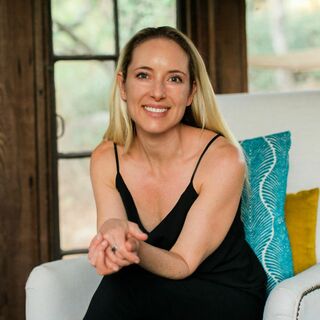
What is the difference between meditation and therapy,
And how can they support each other?
And if you want to start a meditation practice,
How would you go about it,
And why would it be helpful to you in the first place?
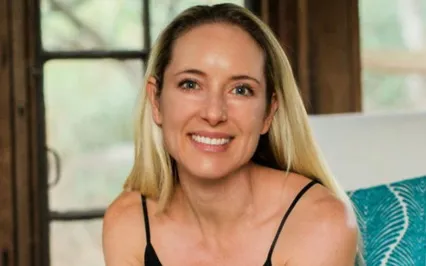
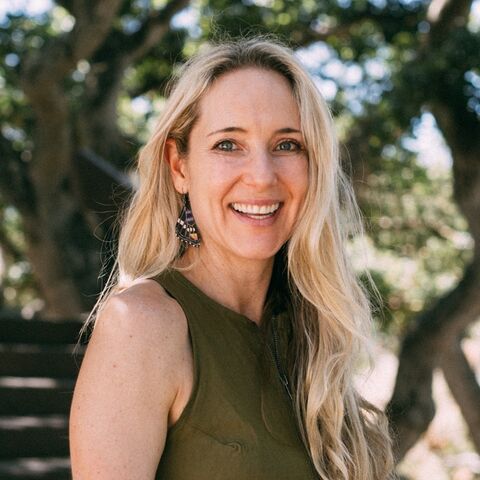
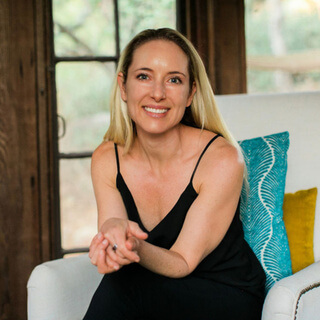
Those are some of the questions that I'm going to explore today with Trudi Goodman on your life in process.
I'm Dr.
Diana Hill,
And I'm a clinical psychologist,
But I'm also a long-time meditator and yoga practitioner.
And over the years,
My meditation and yoga practice has really influenced my work as a therapist.
They tend to be transactional in that they both benefit each other.
And today,
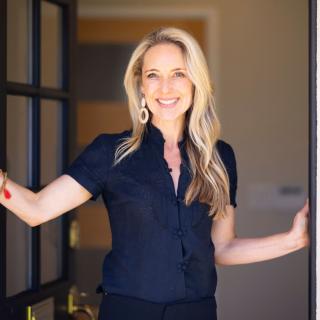
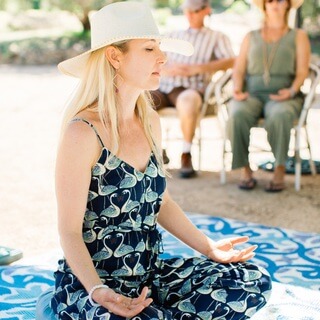
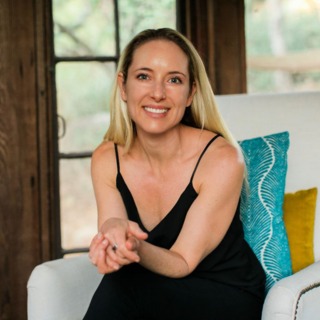
We get to talk to Trudi Goodman,
Who is the founding teacher of Inside LA and co-founder of the Institute of Meditation and Psychotherapy,
Who's taught at universities and retreat centers worldwide for over 40 years.
She's trained in mindfulness and Zen since 1973,
And she holds a graduate degree in developmental psychology from Harvard and is one of the senior Buddhist teachers in the US.
Trudi is also a contributing author to the Clinical Handbook on Mindfulness,
Compassion and Wisdom in Psychotherapy,
And Mindfulness and Psychotherapy.
This episode is really interesting because Trudi has a background as a psychotherapist and is also a meditation teacher,
And she really seems to weave them together in her current teachings.
This episode is as twisty and turny as Trudi's life is.
We explore everything from her experiences early on working with Piaget to her relationship with her husband,
Jack Kornfield,
To how to start a meditation practice.
And one of the strategies that she teaches towards the end of the episode,
Which is stepping back,
Was incredibly powerful.
Stay tuned to the end where I will give you some suggestions to get started if you are interested in starting a meditation practice.
So I'm hoping that we can talk about whatever you want to talk about because the more that I've learned about you,
You've had such a twisty turn of things,
And you've also created so many beautiful things in the process.
I just want to learn about you and what you've learned in the process of your life around letting go,
Opening up,
Loving awareness,
Whatever it is that you think you want to teach.
Well,
Thank you.
Thank you.
When you said I've had such a twisty turning life,
I thought it's really true.
Thank you for seeing that.
Because I tend to look at it in sort of geographical segments,
And I think,
Oh,
Well,
Nobody in California really knows anything about my life before California.
And I have one or two people,
Very rare people,
Who knew me in the other life before California,
The New England life.
And that has meant a lot to me,
Sort of that little thread of continuity.
So hearing you mention it,
It's very integrating,
And I appreciate it.
I think we have a tendency of wanting to oversimplify people,
And especially people that we look up to or we admire or have done great things.
We just want to create the simple story of who they are,
Kind of stamp them.
Like Trudy Goodman,
She's at Inside LA,
And she's a meditation teacher.
And the more that I have learned about you and your twists and turns,
I'm always fascinated by you being a psychologist,
Having studied with Piaget,
Being a mother,
A young mother.
I'd love for you to tell me a little bit more about the pre-you,
The New England you,
Before coming to LA.
Sure.
Yeah.
I can tell you a little bit about Piaget.
I can.
.
.
Well,
Actually,
That segues into young mother,
Too.
Yeah.
I'd love to hear about how your early experiences in psychology influenced you as a mother,
But then also how you integrate them now as a Buddhist teacher,
You know?
I mean,
Since you mentioned it,
I'll start with Piaget,
Because I had really.
.
.
Talk about a simple story.
He was sort of godlike in my young eyes back then.
He was the person who I thought had really looked at child development in this granular way,
And had based his co-theory on his work with children in a way that,
Sure,
Anna Freud did it,
But this was somebody alive that I could actually learn with.
And so I enrolled in his institute,
And it worked out.
It was easier for me.
It was after my first divorce.
My dad was working for WHO,
So my parents were living in Geneva.
So it made it easier for me to move to Geneva and enroll in the school that Piaget started,
The Sciences de l'Education,
Sciences of Education,
He called it.
And I was fluent in French already,
So I could take his classes and enjoy them.
And however,
Diana,
I soon realized that he wasn't interested in children at all,
Actually.
And he was pretty open about it.
He said,
Well,
You know,
I studied children because I figured children would recapitulate the ontology of intelligence from early people until today.
And I couldn't interview early people,
Prehistoric people,
They're gone.
So I interviewed children.
That was my first sort of,
Huh,
Uh-oh moment,
Because I was there.
Because I was a young mother,
I had a two-year-old,
I was really interested in child development,
Because she had not ever crossed my mind before I had a baby.
But just watching her little mind develop and unfold,
And I just was fascinated with simple things like how you could hide something,
Like let's say I had a piece of paper towel and I don't know,
A piece of peach,
And I could hide it,
And at one point,
It was gone.
She wouldn't even think of lifting,
And then watching at the time when she would think of lifting the towel,
She knew it was underneath,
Even though she couldn't see it.
I was just fascinated by how babies know things,
And then how toddlers know things.
And Piaget offered this chance to study the birth of intelligence,
And it was a disappointment to realize that he wasn't interested in what I was interested in.
And looking back,
Diana,
I think I was really interested in perception and really more dharma questions,
Questions that have to do with epistemology,
How we know things,
How consciousness works.
So that was a series of disappointments,
But it wound up being kind of empowering because I realized what I cared about,
Which hadn't been quite articulated in my mind.
I think I was 23 at that point.
I realized,
Oh,
I want to know about consciousness,
But I think the gift of Piaget,
Whom I had studied carefully,
Was realizing what I actually cared about the most.
And that's such a,
Yeah,
I think such a good example of,
One,
The facade,
The sort of belief,
The story that we have about people,
And then we get behind closed doors and we realize,
Oh,
Wait,
That everyone is human and also not everyone is always what we believe them to be.
And then that other aspect of when things go wrong,
Oftentimes it elucidates what matters most to us.
We can kind of realize,
Oh,
What really mattered to you was this idea of awareness and understanding and being interested and curious about the true development of a human mind,
Which you're still doing now.
I think there's threads of that in your work at Insight LA and as a meditation teacher.
And I'm curious,
How did you get from there to becoming interested in insight meditation and spirituality?
What was the bridge for you?
Well,
I think after the Piaget experience,
I realized I was actually interested in something that I had never even thought of before,
Which was the emotional life of children.
And I developed that interest actually by going into therapy,
My own therapy.
And I went into my own therapy,
Diana,
Because I had had a,
You know,
I found myself at 23,
A divorced single mom.
And I kept meeting these lovely men who wanted to take me and my little girl under their wing and marry me and make me all comfortable instead of struggling as a single mom.
And I kept not wanting to,
And I didn't understand why I would break up these nice relationships.
I went into therapy and I really,
It just,
That changed my life because I learned a lot about my own fear and my own anger and just why I couldn't stay really in a relationship.
And I,
In going back to my own childhood and learning more about that.
And I had very nice,
Normally neurotic parents,
But,
You know,
It was nothing dramatic,
But still like with everybody,
Right?
There are things that happen to us that really have to do with the way our parents were parented,
That have to do with the way their parents were parented and the traumas that they brought into their lives.
It's just,
You really begin to understand a kind of deep time when you do that kind of therapy.
But I think one of the most interesting things about my therapy was that my therapist,
And this was,
You know,
The early seventies,
Was a meditator.
And bringing meditation into a therapy room is a little bit controversial.
I mean,
I think less so.
He never did.
But he told you he was a meditator?
Is that what it was?
Only when I was interested in meditation.
No,
No.
He was a psychoanalyst.
He was very resourced.
And then,
Yeah,
He's not even showing his wedding ring at that point,
He's a psychoanalyst.
No,
It was kind of crazy the way it happened,
But when I started meditating,
I kept bringing all these experiences into my therapy and he would understand and it came out more that way.
In fact,
It's so interesting you should say that because when I became a therapist,
I would never mention or teach people to meditate.
We were trained to have very strong parameters around the therapy sessions.
And it wasn't until many years later,
A woman with tremendous anxiety,
And she found out that I was a meditation teacher,
A young one,
But still,
And she got furious with me.
And she said,
How could you have withheld such a valuable resource from me when I was struggling with such anxiety,
And this meditation has helped me so much,
And you're one of the teachers of it.
And that was a turning point for me,
Diana,
When I realized,
Wait a minute,
These boundaries and parameters need to be more flexible and attuned.
Well,
It's something that actually I grapple with,
And maybe you can help me with this because you've left being a therapist to put all of your energy and resources now into not only you being a meditation teacher,
But fostering the teaching of meditation and mindfulness to many through Inside LA Meditation.
And it's just this tremendous resource available to people.
And I want to thank you for that,
Especially during COVID when people needed a place to go,
Inside LA was a place to go while you are locked up inside and you needed community.
And you also do an incredible job in the arena of social justice.
So I can sing your praises for hours in terms of what you've given and the service you've given,
But I grapple with that for myself because I wear all these hats.
And I do feel like sometimes I'm in the teaching,
Podcasting,
Not therapy world,
And I hope that if my clients were listening,
They'd feel okay about me because there's also something about that one-on-one relationship with your therapist.
You don't want to hear about their relationship with their spouse or their kids.
And then likewise,
When I'm in the therapy room,
I feel like I have all these resources from my work in spirituality or meditation or yoga that I do want to offer my clients.
You feel kind of like you're living a little bit of a double life sometimes,
And I want to be more integrated in all the places where I show up.
It's hard.
Yeah.
And I think you really can be.
The reason that I stopped doing psychotherapy was just really for the most part a practical one because I moved to California and I couldn't get licensed there without doing all my hours all over again.
It wasn't really that I turned my back or felt that meditation was more valuable than psychotherapy at all.
I really believe in the powerful synergy of practicing both.
I think what you bring to your clients,
Which is just priceless really,
Is the fact that you do know both of these worlds and you are in a position to encourage them when it feels right to begin having a meditation practice.
Therapy is about learning how to be more aware in your life.
There's so much overlap between the two.
There really is.
Learning to perceive the patterns,
The conditioned patterns from which you operate.
Those are really important skills in both disciplines,
Right?
It's just that meditation also addresses a dimension of our psyches that the psychotherapy world doesn't address,
Which has to do with what I would call the spiritual or the newness or the opening of the heart to reverence and the explicit cultivation of states of love and compassion and joy and equanimity,
Right?
Therapy also addresses aspects that meditation doesn't.
We have to refer meditators who are trying to find all forms of healing out of their meditation practice say,
No,
You know,
Wounds that happen in relationship need to be healed in relationship.
You need some therapy.
So I don't know,
I guess I always liked the set theory,
You know,
So it's like these overlapping,
Each has its own sphere,
But there's so much area of overlap.
You can do very simple grounding practices for five minutes or something at the beginning of a session with people and that actually helps them.
It helps them connect with their hearts.
You know how it is when people will come in and almost as a defense against some of the painful,
Vulnerable emotions will just start reporting to you what happened during the week or the day or,
You know,
And you want them to drop underneath that discursive reporting because it really is a way of separating from the emotional reality and the vulnerability of that they may actually be feeling and sensing,
But not wanting to because it's painful,
Right?
And I feel like the course of therapy goes so differently when I take,
I guess it's a little bit,
It's a twinge of courage,
I think,
As a therapist to do something unexpected than just come in and start talking and to say,
Let's just pause for a moment and feel our feet on the ground and let's notice sort of the speed of our thoughts or the speed of our breath.
Maybe just notice the tension in our body and get here and take that time at the beginning of the session.
And then hopefully I think what we're coaching people to do is to do that when they enter into their workplace or when they enter into a conversation with their partner.
And it's all these like sort of micro practices that you do in the therapy room with your therapist that then you apply in your life,
Hopefully.
And meditation and what you teach is a much deeper dive.
It's the hour long intensive or the half an hour long intensive of that little taste of the tasting.
Hey,
This is Diana.
And I want to remind you at the end of every episode,
I give you a daily practice.
So stay tuned all the way to the end to get your practice for this week to apply these principles to your life.
You can download a PDF of the practices so that you can have them on hand for each episode.
Check out my show notes or yourlifeandprocess.
Com.
Okay,
Back to the episode.
And I'm curious about how your teaching of meditation or of awareness has evolved over time.
And of course I have to ask you about Jack Kornfield because who doesn't think about the two of you as a pair?
And your pairing is later in life too.
It wasn't in your 20s that this happened.
So I'm so curious.
Of course,
We're all so curious about that.
How has your approach to meditation and awareness evolved since those early days?
And then also what role has Jack played in all of that?
So Jack was a teacher that I sat with in the 70s.
We've known each other since we were in our 20s.
We even flirted with each other then because we were single.
Cute.
Cute.
And Jack came over once and he doesn't remember this,
But I remember it vividly.
He walked into my apartment and right in the front room there were like guinea pig cages.
I mean,
I lived alone with my daughter at that point.
So there were toys,
There was just her stuff,
Right?
And I just remember him taking in the guinea pigs,
The big pictures of her on the wall,
And I could almost feel him withdrawing.
He was like,
I'm not ready for this.
So he was a teacher of mine in those days,
Along with Joseph and Sharon and some other Vipassana teachers.
But I was practicing Zen at the same time I had ordained as a lay Zen Buddhist first in 1974,
Actually side by side with John Kabat-Zinn.
That was actually my home path that I loved the most.
But I did reconnect with Jack later on when I moved to California because he started calling me and asking me if I wanted to be in his teacher training.
And I said,
I was so rude,
I said to him,
Well,
Sure,
If I can co-teach it with you,
I'm already a teacher.
Yeah,
You're going for the gold,
That's right.
I wanted to join the group because I needed to learn how,
I didn't want to continue teaching Zen.
I felt that the Vipassana world and the Insight meditation teachers,
There were more of them who were psychotherapists,
I felt that they bridged the disciplines a little bit better.
There was just more flexibility in the Insight meditation tradition in general,
This generalizations than in the Zen world.
You can move your body a little bit more in Insight meditator than in Zen.
Yeah.
So,
Yeah.
You can readjust.
You know,
When I was teaching Zen,
I was hardcore.
We were hardcore.
We were loving to our students,
But the practices and how we taught them,
You know,
It was intense.
And when I began to teach Insight meditation,
I brought some of that intensity at first.
I mean,
I can't believe it now,
But people would say things like,
You know,
I hit a wall with my loving kindness practice and I would just say,
Keep going.
I mean,
Now I would talk with them,
I would support them,
I would sit back away from it,
Try something different for a while,
Come back to it.
I just have so much of a gentler and I feel actually more integrated with my therapy skills approach as somebody at this stage of life,
In this age,
I'm constantly learning,
Diana,
And I'm learning to change the way I teach and the language that I use in the light of what we are now learning about social justice and racism.
To me,
This is all fascinating,
Painful,
But fascinating because it's helping me uncover biases that I didn't know and that are encoded in the language we use as teachers.
I don't know.
It's like this present that you just keep opening and there's more and more inside,
You know,
In terms of what's possible to learn as a teacher.
So what are some of the foundational teachings when you're talking about insight meditation?
Because some of the listeners that may be listening to you,
They may be here to listen to you because they're like,
Oh yeah,
Trudy Goodman,
I want to know more.
I want to hear everything that she has to say.
They're your followers.
But some people may be truly new to these concepts,
Even if there's a differentiation between Zen versus insight meditation.
What are some of the core principles,
Some of the teachings,
Some of the approaches to insight or Vipassana meditation?
So for your listeners and your followers,
Diana,
Who may not be so familiar with this meditation,
It's basically about awareness.
Awareness is at the core of all of the different practices.
And awareness means essentially getting to know yourself better and better.
And it means getting to know yourself in all these different ways and contexts.
So it's partly your emotional being,
Your psychological self,
Getting to know your presence or lack of it in the body,
How you inhabit your own body,
Getting to know how you work with this constantly,
Really at this point in our culture,
Pathologically distracted minds that we all have due to all the reasons we know with our devices and so forth,
And never being alone anymore,
The way we used to be.
I mean,
We're always connected.
And I'm guilty of it,
Too.
I pick up my phone,
You know,
How to work with and use the superpowers that we've been given with our consciousness and our attention,
So that we can be fully present in our own fully present in all the moments of our lives.
And so that the awareness that we bring,
The attention that we bring to what we do can be suffused with some tenderness and some kindness and some love.
And this is something that I feel can be learned in relationship and in community.
And when I talk about community,
I mean the community of all beings,
Including nature.
Because nature is a place that we can find what our heart longs for,
Even if we're all alone,
Which is that sense of being loved.
When you're out in nature and you're experiencing how everything is giving all the time,
The air,
The sky,
The trees,
The earth,
That,
To me,
Is an integral part of mindfulness and also of ethical living.
Because when you love nature and the creatures and the plants and,
You know,
You can't not begin to love and care about your fellow creatures,
The humans,
As problematic as we definitely are and complicated.
Yeah,
You start to walk a little bit more gently on the earth when you feel connected to it and appreciative of it and are receiving its goodness.
You want to give goodness back.
And,
Like,
What are the steps to that?
If somebody is interested in some of the things you're talking about,
Of greater awareness of my inner world,
Greater awareness of my impact on the world,
More loving kindness,
What are some of the things that you would guide people to do?
Where would they start?
I come from the Buddhist traditions,
Zen and insight meditation,
And have studied,
Actually,
In all three traditions.
But I also worked in the earliest days at the very beginning with Jon Kabat-Zinn,
Because we were,
Actually,
We were childhood friends.
Our dads worked together.
Oh,
My goodness.
We'd known each other since we were teenagers.
Do you have a photograph of that?
We want to see it.
That's adorable.
I do have a picture.
It's not of just the two of us.
It's us sitting with my family.
Yeah.
I think in that picture,
I think I was,
I don't know,
14 or 15,
And he was 15 or 16,
The older man.
So we were friends since we were kids.
And so I worked with him in the early days of what we called the stress reduction and relaxation program in those days.
And in those days,
Whoever was teaching mindfulness was already a deeply experienced and seasoned meditator,
Somebody who had probably been practicing for 10 years already.
And nowadays,
It's a little different.
Many,
Many teachers are teaching mindfulness who don't really have the deep roots in their own practice yet.
So I would recommend that you take a class,
Because I think it's really hard to do this all by yourself.
And one of the silver linings of this chilling pandemic is everything's online now.
Insight LA was the first center to pivot to being totally online.
But after a few months,
Other people had figured it out and jumped in.
So there's lots of resources available.
I would take a class in either the basics of mindfulness or mindful self-compassion is another beautiful way to begin,
Which was started by my friend Christopher Germer and his colleague,
Kristen Neff.
But I would do it in a context or a place that has vetted their teachers.
Because there needs to be sensitivity to trauma,
Which we didn't understand decades ago.
You know,
I would sometimes wonder why people would just leave suddenly.
And now I realize,
Oh,
To begin to do a mindful body scan where you bring awareness to all the parts of your body while you lie still.
Oh my gosh,
That can be very triggering for people.
And one woman said to me,
You know,
My brother used to hold me down and torture me basically.
And every time I would lie down to do the body scan,
That's what I would remember.
Or,
You know,
Other kinds of experiences that are equally painful.
So you want to have teachers who have some depth of training is what I would say.
When I feel good about Insight LA,
Because I do feel we have certain standards for our teachers,
But there are other reputable places too.
It's just something to learn that really can enhance your life and make you happier and bring more sense of connection to community.
And also,
Frankly,
How you might help out.
Because one of the greatest antidotes to loneliness is helping somebody else.
We think self-compassion.
But when you're totally compassionate toward yourself,
You realize I'm not different from you.
I mean,
Sure,
The details and karmic affinities of our lives are very different.
But as human beings,
We share a heart.
We share the wish to be loved and happy and that our life has some purpose and meaning to it.
There's a reason that we exist and so forth.
It turns into more of a flow when you do these practices where you practice self-compassion,
But then you also cultivate compassion for other and then are able to receive compassion as well.
And I love the sort of concrete,
Let's start with the class.
And in the same way that if you were to start an exercise program,
You'd want a teacher that's going to show you how to do the lunge without injuring your knee.
There's a way to do the lunge.
Do it.
And if you repeat that lunge lots of times in the wrong way,
It's going to hurt you.
So there is some skill and training and experience that you want from your teacher.
And I would add,
There's also a commitment to the practice.
In the same way,
If you were going to start an exercise program,
You don't do it once and then do it a month from now once,
But carving out the time and the commitment and the care for yourself to try it,
Try it out and give it a chance and let yourself be a beginner in the beginning.
Because part of being a beginner is that things are kind of awkward and hard and your mind is going to go all over the place and you're not going to want to sit still and your phone's going to buzz and all these things that are part of what makes life hard for us out in the world are going to happen on your meditation cushion.
And the good news is you're learning how to be with those things differently.
So that's where,
At least for me,
The kind commitment to myself around practice,
Even if it's a small commitment,
Even if it's only 10 minutes that I'm committing because my life is busy or my kids are up early or whatever,
Keeping it as much as I can,
Like protecting it.
Like I protect my six o'clock dinner time for my family.
I protect my morning practice.
And it's really a priority because the rest of my life flows so much better when I'm doing this practice with my mind and my body and my compassion work.
So that's great.
So we start with a practice and I'm curious for you,
How has your practice evolved and what does it look like?
I just want to say before I answer this question that I think you probably,
You sound like you're a really good teacher.
So all your listeners,
I want you to ask Diana for resources of where to go and where to learn.
And because,
And it also takes you off the hook as a therapist because you can refer them to classes.
You know,
You're not trying to do everything in the therapy sessions too.
And it can be classes that you teach.
I think that's okay.
I really do.
Especially these days with Zoom.
And my own practice,
I love it.
I'm so grateful for my practice.
I love,
Love,
Love it.
Even though as you say,
It's challenging at times.
It really is challenging.
But what good thing in life is not challenging?
Raising kids is challenging.
Being in relationships is challenging.
Finding work that we enjoy is challenging because you never enjoy all the bits of it.
There's always parts that are difficult or boring or that you're not good at.
Right?
So I think of it just as you were saying,
It's a slice of life.
And so whatever comes up in life is going to come up in meditation.
And people,
I mean,
This I've seen so clearly now that I'm elderly and have practiced for so many years is that it's not just about quieting your mind or stopping your thoughts or applying these practices to yourself.
You do that at the beginning just while you're learning.
Now,
What I really practice is a teaching that I've modified somewhat,
But it comes from a 13th century Zen master named Dogen Zenji who taught a practice that he called the backward step.
And essentially what he was saying is,
You know,
Just take a step back and receive what's happening because we're so conditioned to go out toward experience with our agenda for it,
Whatever it is.
You know,
We have an idea of how it's going to go,
How we want it to go.
We see often what we want to see.
I mean,
I'm so guilty of that.
I had a whole marriage where I just saw what I wanted to see.
And I call him my husband because it's affectionate now.
And my husband used to say to me,
You know,
You just don't see people's dark side,
Do you?
So we see what we want to see.
And so Dogen Zenji was saying,
Step back,
You know,
Just take a breath and step back.
And I actually do it physically sometimes when I'm sitting.
And if I notice I've gotten lost in some kind of idea,
The minute I notice,
I actually shift my body back a little bit.
And just that movement of shifting the body back into a posture of receptivity where,
You know,
You're not going after things.
You're letting things come to you.
And you're not going after states or experiences.
You're just seeing what comes to you.
And how can you be with that?
That's awakening,
You know,
Because the contents of whatever's happening in this moment,
That's the contents of our awakening.
It's the ingredients of this particular moment in your life,
This particular moment in your entire lifespan,
This particular moment in all of eternity.
So stepping back to experience the moment in that way,
To receive the breath instead of controlling it the way you might do in yoga when you're practicing pranayama.
Just let the breath breathe you.
Let the sounds come to you.
Sensations in the body,
The thoughts that appear,
The emotions that rise and fall in the heart.
That's how I'm practicing these days.
And I can do it when I'm out and about too.
In fact,
You can try it right now,
Everyone who's listening.
Look at something and focus on it,
Whatever it might be.
And notice it's almost like all your attention is pouring out your eyes.
And now just broaden your gaze and make it a little more panoramic.
So right now I'm looking at the green dot of the camera on my computer,
But I'm also now spreading out to see the lamp,
The window,
The walls,
The desk I'm sitting at,
The ball,
The exercise ball I'm sitting on.
You know,
It's like I'm expanding and the specific thing blurs out a little bit,
But instead I have the panorama.
And if you practice doing that,
Don't do it while you're driving,
Okay?
But,
You know,
But you can have these little microchips of moments where you step back and you receive the world and it's so nourishing and it brings such a sense of gratitude.
And as I mentioned before,
Reverence really for each conscious moment of aliveness that we have.
It's beautiful and we can practice that.
I was looking at my diploma on the wall,
Right?
We can practice that with something neutral,
But imagine,
I'm imagining bringing that practice to something that's less neutral.
Like I'm in a fight with my husband and I'm in tunnel vision about with my ideas about what that I'm right or I'm trying to get my point across in that same kind of way.
And the step back practice,
The panoramic practice,
And,
You know,
I've heard Jed Brewer talk about it actually activates different areas of our brain when we have that more expansive visual view as well.
I love that,
Which feels very much like a practical thing.
It's actually something that we,
I'm always interested in what,
How to do this off the cushion,
Right?
And it's like a practical thing that you could do when you notice you're caught up.
And when our threat system is activated,
We tend to go into the I-mean-mine narrowed view.
So this is a nice strategy to use.
What you can do is actually physically take a step back,
You know,
And take a breath.
And you're not withdrawing,
But you're there,
But you're also just backing a little farther backing a little farther away from the heat of the moment.
The same is true when we see something that's beautiful and we want to grasp it and we want to hold on to it.
We want to be mine if we step back and appreciate.
I mean,
I'm kind of doing that with you right now.
I'm like,
This is a beautiful human.
I want to take her in with a more broader perspective.
It brings up what you said at the very beginning,
Diana,
About letting go.
And how do you do that?
It's really hard to do that.
I also look to nature and I look at,
You know,
A leaf and how does a leaf let go and fall?
Or I look at a blossom.
This is something that's very comforting to me now as I'm aging.
I love to look at flowers,
How much I love them when they're all fresh.
And then what happens when they start to crinkle and wrinkle around the edges?
And then they start to droop and get sort of floppy.
And I'm really practicing looking at the beauty.
This is a perfect time of year.
And so for me,
All of this helps in some profound way with letting go.
Seeing that,
Okay,
This is part of the cycle of life.
This is part of the cycle of nature.
This is part of the seasons,
The light and the dark,
The ebb and the flow of breath,
Of tides.
I know that might just sound kind of maybe mystical or abstract,
But in the concrete noticing,
It's actually super helpful.
And often I have to just say,
I can't let go,
But I can let it be.
I can just let it be what it is.
But it's still going to bother me.
When you brought up the leaves falling,
I remember during COVID when I was homeschooling my boys,
In fifth grade,
We were talking about leaves changing color and falling.
In the fall,
I was teaching them science.
And so I started researching a little bit about leaves changing color and what causes the leaves to change color.
And I was fascinated to learn that it's actually all the chlorophyll in the green of the leaves is super nutrient dense.
It has a lot of nitrogen in it.
And so the chlorophyll travels from the leaves to the trunk of the tree and the branches during winter when the tree needs more resources.
And then the leaves change color because they no longer have the green.
They're just the true nature of the true leaf,
Which is this orange and yellow.
And then they fall.
And I feel like for me,
When I let be or let go,
I can feel that resourcefulness come to me,
To my trunk,
To my body.
It actually strengthens me in the way that a tree is strengthened by letting go of its leaves.
But it's also sad.
There's a sadness of,
Oh,
This beauty that's no longer there.
You know,
Someone told me once,
What you lose in college and you gain in wisdom.
And I was like,
Yes,
It is so true.
You know,
The process of aging and letting go and change that is painful,
But also can also be strengthening for us.
That's a beautiful,
Beautiful way of looking at it.
I love that,
That it strengthens your trunk.
And we have to find these ways of sustenance and loving and caring for ourselves,
Especially these days where we're looking at a possible resurgence of COVID.
And how do we care for ourselves in the midst of this?
And I love that idea of pulling the resources into my trunk,
You know,
Literally.
And the other thing is every tree needs a forest.
It's really important to have company.
And I thank you for this work that you're doing of sharing your life and work and people you're interested in with others,
Because then you create that forest,
That community.
And just like we've learned that trees do literally in the forest,
Then we can lend each other the nutrients and the support to survive a tough time.
And for those that want to sit with you and learn from you,
You teach every week through Inside LA,
Is that right?
I teach every Sunday.
Now,
I have to amend that.
Now,
I'm opening and sharing with other teachers.
I have a Sunday morning sitting group at Inside LA from Pacific time,
11 to 1230.
And other teachers that I choose also teach that group.
But I'm there a lot.
And I'm working on writing a memoir right now,
Diana.
So I'm not out and about teaching as much as I usually have been.
I'm taking some time to reflect on my life and share some of the stories of my life that just made me who I am.
I don't want to write another meditation book or mindfulness book.
We have so many wonderful books.
So I felt,
I think I initially conceived of it as a legacy project for my grandkids.
And then I thought,
Well,
Why would I confine it to just my personal grandchildren,
Right?
How about the grandchildren of the world,
Especially women who might be interested in these stories?
I think we can live out our values in many ways.
So you're still living out your value of teaching if you're spending your time writing on Sunday,
Because that will come to us,
Those teachings we have to be patient for.
And we'll get them when we get to read your memoir.
And they'll be long lasting.
So thank you for taking the time to write that down.
I know it.
I think memoirs in particular are really hard to write.
I didn't know.
I thought,
Why do this?
Why didn't I write some fiction thing if I wanted to write?
But I'm learning a lot,
Learning a lot and taking my time and enjoying the process because there's no hurry.
That feels important to me to just enjoy the doing of it.
And also,
If people are interested,
There are obviously classes of all kinds at Inside LA,
And you can find them at InsideLA.
Org.
I'm really interested in learning more about your work,
Too,
Diana.
So I'm guessing that everybody on this podcast knows about it.
But if they don't,
Why don't you tell us?
Well,
I'll tell you about my teachings at Inside LA so we can keep this full circle that I'm going to be doing some deep dives into ACT,
Acceptance and Commitment Therapy.
That's right.
In the new year with Insight.
And I'm going to be doing an overview of ACT.
And then I'll be doing some dives into the core processes.
And you can find out more about that on my website,
On the events page.
And Acceptance and Commitment Therapy that Diana's talking about was one of the very first therapies that incorporated mindfulness practice before there was a thing called mindfulness movement or anything.
And I just want to give a shout out to that.
Yeah,
That and Marsha Linehan's work with DBT,
Which is actually where I started,
Was with Marsha Linehan.
And she was a super hardcore Zen practitioner.
So you can feel that flavor in DBT of just the intensity of Zen.
And she was very much eyes open when you're meditating.
That's how she practiced.
Okay,
Trudy,
Thank you for your time.
It's wonderful to be with you.
Many blessings.
And I will hopefully see you.
Hopefully.
Okay.
Bye.
Bye.
Take care.
You too.
I loved this episode with Trudy.
And I want to boil down for you some ideas if you're interested in getting started with a meditation practice,
What you can do.
So for your daily practice this week,
It's all about getting started into the routine of meditation.
So the first thing that Trudy talked about and that I think is really important is to take a class or find a teacher from a reputable source.
There's a lot of meditation teachers out there.
And it really does help to have someone that has experience and a depth of experience.
Some places that I think are great to go to to look for that are obviously Inside LA,
Mindful Heart Programs is also wonderful.
And if you're looking for some excellent yoga teachers,
I can't say enough good things about my home studio,
Yoga Soup.
So I'll put all of those in the show notes for you to check out.
And they all offer online classes.
The second thing in starting a meditation practice is to let yourself be a beginner.
Letting yourself be a beginner means it's going to be a little bit challenging at times.
You may not quite get it,
Quote,
Right.
And your mind may wander all over the place.
But stick with it.
You'll start to notice that over time as you continue to practice,
You'll get more into the hang of it.
And your mind will give you less of a hard time.
The third thing is to make a flexible commitment.
I would recommend committing to a few days each week for your meditation practice.
Commit to having it in the same location if you can,
In the same kind of setup and at around the same time.
Those types of cues are really helpful in establishing a routine.
And once you get into the routine or habit of meditation,
It'll be easier to continue for the long term.
So the third thing is how do you set yourself up?
When you do sit down for meditation practice,
It's a good idea to have a long spine.
So if you can sit on a cushion and do that,
That's great.
If you can sit on a chair or even up against the wall.
But having a nice long spine is really beneficial for breath to move in and out of your body and also to keep you awake.
Sometimes we tend to doze off or can get a little bit wandery when our body is not alert.
So starting with a long spine and then choosing a practice that you're going to do on a repeated basis to get into the habit of it.
Some of the options that you could choose from are a loving awareness or compassion practice or a noticing your breath practice or an open awareness practice where we're expanding your awareness to two different sensations and thoughts that are going on around you.
I think a good place to start is with a mindful breath practice.
And I have a link to a mindful breath practice in the episode show notes that you can look that you can try out.
And then finally,
Try taking your practice off the cushion by doing the backward step that Trudi recommended.
When you notice yourself getting caught up in your thoughts or getting narrow minded or your body feels constricted,
Practice taking a breath and a step back.
You can lean back or you can step back and take in that broader view.
That backward step can also be really helpful when you notice in your meditation practice,
You start to lose track with your breath and get caught up in your mind wandering.
Take that mindful step back.
Okay,
Try out these practices.
I look forward to hearing how they go for you.
Let me know at podcast at yourlifeinprocess.
Com or on Instagram at Dr.
Diana Hill.
Or you can call me at 805-457-2776.
Leave me a message there and I just might play it on the show.
Take care.
Thank you so much for listening to this episode of Your Life in Process.
When you enter your life process,
When you become psychologically flexible,
You become free.
If you like this episode or think it would be helpful to somebody,
Please leave a review over at podchaser.
Com.
This podcast is for informational and entertainment purposes only and is not meant to be a substitute for mental health treatment.