Hello,
Welcome everyone!
Welcome to my monthly Self-Gentleness in Action live.
And one week later than normally,
Because normally I'm here on the second Friday of every month,
But like I explained in August,
My best friend had her birthday last week.
So today I'm here and I'm so happy that you're all finding me here today.
So Self-Gentleness in Action.
And the topic of today is caregivers' responsibilities.
So basically we could say Self-Gentleness for caregivers.
And we will dive a bit deeper into caregiving and what it is,
But just know that I see caregiving as a very broad concept.
So whether you are a caregiver in the official or professional sense,
If you are a parent,
If you are taking care of your parents,
If you are a teacher,
If you have siblings that rely on you,
If you have friends who call you all the time because you are so wise and empathic and loving that you are the one that they like to be taken care of,
Then you are a caregiver.
So I would love to know who are you,
Where you are in the world,
And are you a caregiver,
And also what are the challenges that you see sometimes.
And now I have a really funny thing because of the feeling that I have to sneeze.
Do you know that feeling?
That your nose is tickling a little bit?
I'm going to pinch it a little bit.
So if I start to sneeze,
You know how come.
All right.
So let me see who's here.
Hi.
Good morning,
Beta.
Lovely to see you.
Good morning to you in Australia.
How are you doing?
Hi,
Luanne.
Oh,
It's warm and sunny with you in Massachusetts.
That's great.
So when is it getting really cold with you,
With the snow and everything?
Hi,
Mona.
Lovely that you are here.
Welcome.
So yeah,
The beginning of September,
I'm residing in the Netherlands.
And then the beginning of September,
The weather was really beautiful.
And then from one day to the other,
The weather turned and it became really cold and rainy.
And I know that's okay for autumn,
Especially in the Netherlands,
We're used to it.
But the transition was way too fast.
But then yesterday evening,
I was outside and I felt the air starting to be warmer and nicer.
And there was a little bit of wind.
It was warm.
And today we had such a beautiful day.
So I'm really feeling like the sun gave me energy back again.
So if you are new here,
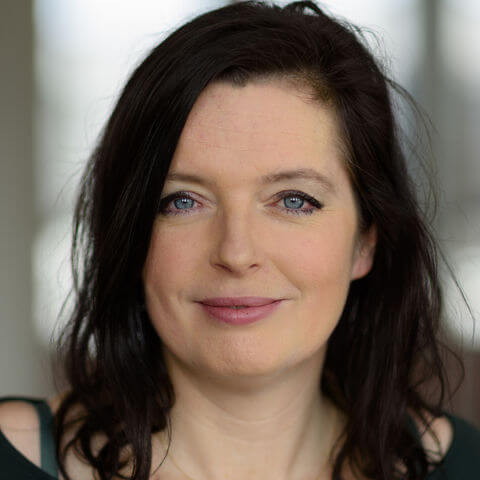
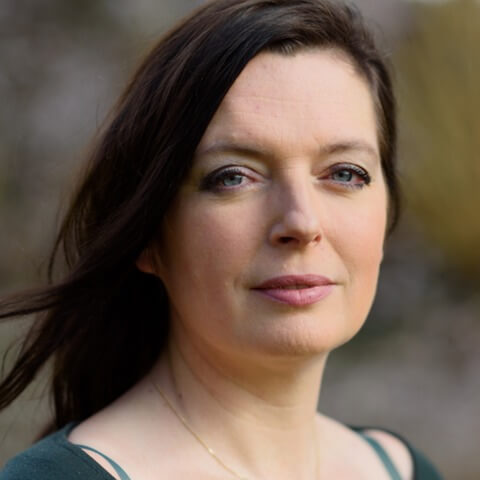
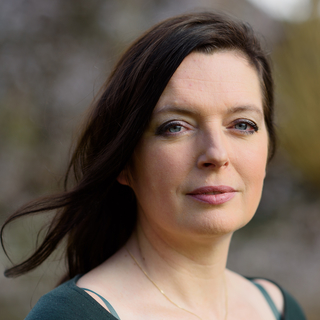
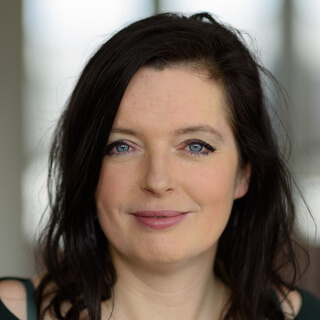
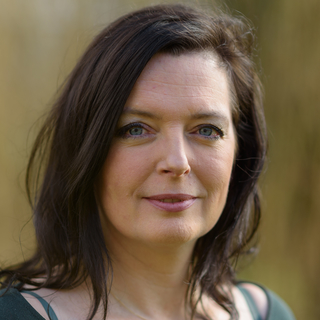
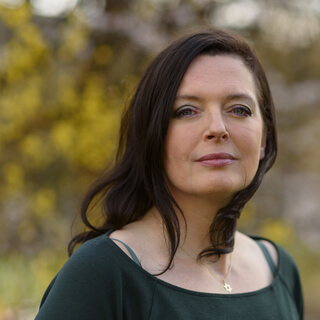
My name is Femke Bakker.
I'm a self-gentleness teacher,
A meditation teacher,
An insight timer,
And I'm also working as a behavioral scientist at the university.
And I would love to tell you more about self-gentleness.
And what is self-gentleness?
Well,
If you've never heard of it,
That can be.
But I promise you,
After this live,
You will never forget the word self-gentleness anymore.
It's a concept that I've coined.
And the definition is radically accepting yourself as the most important person to consistently deserve your own gentleness.
So how come this definition?
Well,
Self-gentleness is in a sense related to self-love.
But where the word love and the word self-love can create a lot of resistance and high expectations and a lot of fuzz also around the word,
Because,
You know,
What is love exactly?
We use the word love a lot,
But the actual meaning from it differs per person.
And even more,
For a lot of people,
The word love,
And especially self-love,
Can feel like something that is really,
Really hard to achieve.
Here comes self-gentleness,
Which is,
I realize more and more,
It's like a perspective,
A philosophy of life.
And self-gentleness,
Radically accepting yourself as the most important person to consistently deserve your own gentleness,
Is a process that will take the rest of your life.
And that's fine,
Because you will get better and better at it.
And that process will help you to approach self-love closer and closer and closer.
And what I've developed are tools that you can use to support yourself in this process.
And it's important to know there is not one system that applies to everyone.
What I try to teach here is to explain to you and let you experience how self-gentleness can feel for you,
And to offer you some tools and practices so that you can find,
In your own unique way,
Completely tailor-made to you,
How you would like to become self-gentle and how you can become more and more self-gentle.
And I think self-gentleness is a very important key to self-love.
Because when you start applying this as a perspective,
In the beginning it might be sometimes going well,
Sometimes going not so well,
And that's totally fine.
At a certain moment you start to feel a shift within yourself.
And I often say that I'm a master of self-gentleness.
And what I mean by that is not that I'm 24-7 self-gentle,
But I mean that I notice when I'm not,
Because I'm not 24-7 self-gentle.
Also I run into situations,
Into myself,
Into old patterns,
Into struggles,
Into friction,
Into looking at the newspaper,
Feeling not so self-gentle.
All these things I also run into.
The art of self-gentleness is recognizing when you're not and then knowing how to find your way back to that self-gentleness.
And there's the paradox.
Also that process needs to be taken with the same self-gentleness.
So let me speak about myself.
Sometimes the realization that I'm not self-gentle,
It is enough for me to boom,
Get back there.
But sometimes when a situation is more challenging or it's harder for me to relate to that inner knowing that I deserve to be radically self-gentle,
To be consistently self-gentle,
Then I have to search more.
And it can take minutes or maybe hours or days and maybe even sometimes weeks.
Or it is a topic that I go in and out of self-gentleness.
But you know what?
That's all fine because that is also life.
And we are human beings.
We live our lives.
And one of the beautiful things of our lives is that things change.
Things are sometimes harder than other times.
And the art is then to learn to deal with that and to be confident that you have your own back,
That you know whatever happens and however bad I might feel,
I know my way back.
I know how to find my way back with self-gentleness towards more self-gentleness.
So today's topic is about caregiving responsibilities.
And let me just take a look who else is here and what you have said about that.
I see Marjorie and Peace,
Laura,
Welcome,
Emily.
Yes,
Emily,
I'm recording this as an audio.
And then after that,
I need some time to edit it.
Then I need to submit it to Insight Timer.
They need some time to process that.
But then it will be published.
And if you are a member of my Self-Gentleness Group here on Insight Timer,
Then when a new audio or a new product is released,
I will let you know there.
So today,
I think it was the Self-Gentleness in Action Session 7 that was released.
Then the one from August will be released in the beginning of October.
And then I hope that mid-October also the recording of this one will be published for you to listen back to.
So good question.
Thank you for asking that.
And if you're new here and you want to hear more about my work or you want to listen to my courses,
Then there's my profile.
If you click on it,
You will be following me.
You don't have to look me up later on.
So that's really a very handy card there.
Hi Angie.
Hi Gilbert from Florida.
Hi Firefly.
You say any chance I can switch the audio only sound in one ear and not my setup?
Let me take a look.
Very good that you're saying that because I indeed forgot to put the quality up.
Is this better?
Firefly?
I hope so.
This is the best I can do at this point.
All right.
Great.
Good.
Good.
Thank you so much for telling me that it was something that I forgot.
All right.
Let me click that one down.
Melissa also.
Oh,
Much better.
Great.
So that's a big difference.
Good.
All right.
Let's start.
Yes.
So the topic of caregiving is also to me an important one,
Because if you ask me how long I've been a caregiver in my life,
Then I'm afraid to tell you that it has been almost all my life.
That might sound weird a little bit,
But I think my caregiving started already when I was something like eight years old.
That's my personal story.
I've talked about it in my TEDx talk.
I recorded that TEDx talk.
Also it's an inside timer,
So you can listen to it if you're curious more to the background.
But to keep it short for now,
So my mother is a psychiatric patient,
And when I was five years old,
She was committed to a mental hospital for quite some time.
And then when she came back,
My sister was born just before that.
And when she came back,
Things were not the same anymore,
A little bit hard.
And in some time,
My parents also divorced.
And me and my sister,
We stayed with my father.
So I started to take care of my sister,
And in a sense also of my father.
Not that he asked me to,
But he had to commute to his work.
He left really early in the morning,
Came back home really late.
So I felt a responsibility to make sure that there would be food to cook.
I was taking my sister to school,
Took her from school,
Made her lunch,
All those kind of things.
And next to that,
When I went to my mother,
Who was living on her own,
But sometimes struggling,
Especially when I was a little child,
She's now way more stable,
Then I also had to take care of her,
Especially when the time arrived that she had some episodes,
That she was not really herself and basically needed some professional help.
But that's not always there immediately,
Those are challenges.
So this is how I entered my teenage years,
And it also meant that I was never really a teenager in the sense that I was rebellious or fighting against things.
I was very responsible,
I took a lot of responsibilities on myself.
And I remember that when I was 14 years old,
That I felt like I was already an adult.
I also looked already like an adult,
And I think a lot of people thought also that I was already 18 or 20,
Even though I was like 14 years old.
So this stayed with me.
I have a really lovely sister,
But I sometimes still feel responsible for her.
And I think the reason why that caregiver role sticked with me,
Because I'm a person you come to for questions,
Support,
Unconditional love,
Advice.
And that has been the same always,
Even when I was a kid.
So it was also with strangers.
I remember as a kid being in the train by myself,
I was traveling along by train already pretty young.
And one way or another,
There would always be people sitting across me who would start to tell me their life stories,
And sometimes really sad life stories.
So this is something that I have.
And I think it also has to do with that I am a caregiver.
I'm a natural caregiver.
I love people.
I love most people unconditionally,
Or at least I attempt to love as unconditionally as possible.
I love to give advice.
I love to support people.
And that's in a sense also what I do here.
I'm not here to tell you what you should do,
Or how things have to be done,
Or what is the truth.
I'm here to tell you about my own experiences,
How I developed self-gentleness as a way to change my perspective,
To change my beliefs,
And live a life that feels good,
That feels easy,
That feels happy.
And of course,
Things still happen,
But then I know I have my own back.
So what I wanted to say,
The truth is,
And I'm telling you this because you might recognize that if you are a caregiver,
Or really empathic,
Or you're the one that everyone comes to,
Your friends,
Your family,
Your colleagues,
Because this is what I also have in my life.
At a certain point,
I realized that somewhere in my childhood,
I developed the sense that I was a strong one.
I was the one with the broad shoulders that could carry the world.
And that's a good thing.
It's good when you feel strong,
When you feel that you can have a lot.
However,
Only way later,
I realized that it was in a sense a survival technique.
As long as I believed I was strong and I could be there for others,
In a sense I was also saving myself,
Supporting myself.
Because if someone would come to me feeling really,
Really bad,
And I would not be strong but show what was really going on within me,
Then that person could not be helped.
But who would help me then?
You understand the essence of how you can get in such a role.
And there are a lot of qualities in being a caregiver.
And I think there is also a lot of rewarding part in being able to give care,
To be there for others,
To love others.
However,
The problem starts when you are caring more for other people than for yourself.
And this is where self-gentleness comes in.
Because you know,
People will tell you,
Well,
You have to set boundaries.
You just have to say no.
You can prioritize yourself.
But if you are already in that role of caregiving,
And if you have picked up beliefs like I had,
I'm the strong one.
I will save the world.
Who else can they go to?
What else can they do?
Or you might have your own personal beliefs.
That's something for you to explore while you get also something out,
Out that prioritizing other people.
Then you cross your own boundaries.
And then you only will set your boundaries if it's basically too late and you're so overwhelmed,
So tired,
So exhausted,
That you cannot differently than push back really hard,
Which then shocks you,
Because you're an empathic,
Kind person,
And it also shocks the person to whom you set the boundary.
So that self-gentleness perspective is especially good for caregivers,
Because it will help you to have the quality part of your caregiver's role,
The love,
The support,
The wisdom,
The trustworthiness that you have,
But then to apply all those qualities also to yourself.
And yes,
That will create sometimes friction.
That will create sometimes situations where the other person might,
Or the other persons might feel bad about you,
Or might blame you,
Or might call you selfish.
Well,
About selfish,
That's really not true.
I will say more about that in a minute.
But that is also okay,
Because that is part of that process.
Because it's also true that the moment that you cannot take care of yourself anymore and you are depleted,
You are not of service to the people you care for.
Why?
Because you don't have the energy.
You don't have the open mind to see solutions rather than problems.
You might start to secretly,
And maybe not even so consciously,
Resent the people you care for,
Because you feel that they are depleting you,
While in essence,
You are depleting yourself.
Because you're not taking care of yourself.
So you've all heard this analogy.
I say it a lot here on Inside Timer,
And I always think that I made it up,
But that's not true,
Because I notice that a lot of people use this metaphor,
But it's a good one.
So when you're in an airplane,
The cabin personnel,
Before you take off,
They tell you that whatever happens,
You first put the oxygen mask on yourself before you help anyone else,
Even your small children.
Why is that?
Because if you don't have oxygen,
You cannot help no one.
And that's the same with that self-gentleness.
When you are not gentle with yourself,
When you're not caring for yourself,
At a certain moment,
You cannot be there anymore for others.
You might burn out.
You might start to resent.
You might have a lot of frustration.
You might get ill.
So many things can happen.
So that's why this is a really important step for everyone who is caregiving.
And whenever someone calls you selfish,
I just mentioned it,
Then that's really untrue.
If someone tells you that you are selfish because you want to take care of yourself first before you can take care of them,
And they basically demand of you or expect of you that you will prioritize them at your own expense,
At your expense,
At your depletion,
Then who is selfish?
The moment I realized that,
Something in my head changed a lot.
When I say it now,
And you might find it really plausible when you hear this,
And maybe you realize this already,
But I remember several years ago when I realized this,
For me a lot changed that I was not selfish for wanting to take care of myself because it's not just important for me.
It's also important for all those other people that feel dependent on me.
And there is another insight that I want to share with you.
So,
There was someone who was really depending on me,
Especially when this person was having a hard time.
And at a certain point,
They were going through a hard time and sent me a text.
But I was at that point also in a very difficult relational situation.
And I was already in the process of meditating and becoming self-gentle,
But that was just the early phase.
But I realized I just cannot right now,
And I felt so bad,
I felt so guilty.
But I knew I had to take care of myself first before I could be there for them.
So I texted back,
I'm so sorry,
I love you,
I wish I could be there for you.
But I'm in a situation now that is not good for me and I need to take care of myself first.
I will let you know when I can be there for you again.
I'm so sorry,
I had to say that,
And by now I would think I would say maybe once I'm so sorry.
But I think the good thing is that I mentioned it timely.
I also could have crossed my boundaries and then maybe get really angry or frustrated or depleted or too tired or whatever it might have been.
And I could not have been really of service.
It would not come also actually from my heart because I knew I had to take care of myself.
So this is what happened.
I started to take care of myself.
I remember I closed my phone,
Really completely,
And I started to meditate,
Which is for me a really,
Really great way to come back to myself,
To tune in,
To calm down,
To find some peace,
To find solution to problems.
Because when you look at problems,
You don't see an answer,
But when you take your attention to yourself and you calm down,
You get to neutral territory or maybe even feeling a bit better,
Then those other possibilities that you couldn't see will be there.
So I helped myself to feel better and then several hours later,
I think because this happened in the morning around 10 a.
M.
,
I think around 5 p.
M.
,
I sent a text,
How are you doing?
And then I got what I always call a presence.
They wrote back to me,
After you told me you couldn't be there for me,
I felt devastated.
I was having a panic attack,
It was really,
Really hard.
But then I remembered that I could soothe myself and that is what I did.
I just sat through my panic attack,
I started to soothe myself and I started to look around and see what nice things I saw around me.
So that was their way to solve that.
And then actually,
In the way they described it,
Their mind opened and they started to feel way better.
And what I realized when I got that message is that this gift was also a gift to me.
Because me,
In my crazy belief that only I could save the world,
Only I could be there for them,
That only I could solve it,
They didn't themselves.
And I would never have realized it,
I would never have seen it,
Nor would they,
If I had crossed my own boundaries to be there.
By helping myself,
I realized I also helped them,
But in a very different way.
I didn't put everything on my shoulders,
But I said,
I love you,
I will come back when I can.
And this did something that made them aware that also they could soothe themselves.
And that was such a gift to me and I remind myself very often of this.
And of course,
You always have to take a look at the context.
Not everyone can always do that and not in every situation it is applicable,
But in many situations it is.
So this is something that you can always assess.
When you feel that immediate urge to be superwoman or superman and come to the rescue,
Tune in with yourself first to feel,
Am I able to do this now?
Do I have the room?
Do I have the energy?
Do I have the power?
But also to ask,
What is now the most helpful thing that I can do for this person?
Is it indeed go there and save the day?
Or is it showing my love,
My support,
My belief in them and see what happens.
And depending on the situation,
Maybe you need to monitor it if it's your child or maybe if you have a parent you take care of who is having Alzheimer's,
Then that might complicate things.
But always check that some people can do more than you think,
At least in my experience.
But because I carried that old belief with me that I was the strong one,
That I am the only one who can save the world and that is of course rubbish.
That belief was in my way to take care of myself.
So my question to you now is,
Do you have a belief that might be in your way to not take care of yourself when it's supposed to be?
So here on Insight Timer there was a time that we worked with workshops and one-on-one mentoring and there was this lovely person that really needed to be self-gentle but this person had so many responsibilities with family and friends while this person really needed to take care of themselves too.
At a certain point I asked,
What do you get out of it?
Huh?
What get I out of it?
Yes,
What do you get out of it?
So in my case it was feeling strong.
Being there for others made me feel strong and I needed that when I was a little kid to feel like I was that adult that could do all those things.
But of course I couldn't,
I was a kid.
I know that now.
It was way too much but this is what I developed and this is a pattern that I carry with me and I think it will stick with me until the day I die but I'm aware of it now and I'm consciously trying to balance it.
I'm consciously trying to feel when can I cross my boundaries because I really want to be there for another person and I see they really need me or can I say I have to take care of myself first.
And that depends on how I am,
Depends on how the person is.
So it's not a golden rule that you can apply to everything.
Again here,
The context,
The nuance of your situation,
How you are,
How the person that it's about,
That is really,
Really important.
So I think these are the most important things that I want to tell you about that process of caregiving and so how,
Of course,
How do we do that?
Well,
Self-gentleness is my answer to you and again,
Self-gentleness is not one system.
No,
It is a perspective or,
As you will,
A philosophy of life and in this philosophy,
You are radically accepting yourself as the most important person to consistently deserve your own gentleness.
So that radically means that you will be gentle with yourself also when you mess up,
When you do things wrong,
When you're not feeling good about yourself,
When you look in the mirror and you think,
Hmm,
That's my theme next month,
The body image and that will be on the 10th of October or when you feel guilty or when you say no to someone,
All those moments,
You can be gentle with yourself.
Even when you believe that you don't deserve that gentleness,
I'm here to tell you that you deserve it always.
Why?
Because you are who you are and you are exactly right as you are.
You don't have to fix yourself.
You don't have to change yourself.
You don't have to be a better,
Perfect person than you are right now.
If you allow yourself to be who you are right now,
Then that's fine.
That is great.
And of course,
We grow,
We learn about ourselves,
We become aware,
We want to help ourselves and that is all great.
But do it for the feeling of it,
That you feel more ease,
That you feel more pleasantness,
That you feel more rest,
That you feel more peace,
That you feel better.
Let that be the goal,
You know,
To do the things that make you feel ease,
That make you feel good and that's it.
You don't have to fix yourself to be a better person.
You don't even have to improve yourself to be a better person.
All you have to do in my book,
In my perspective,
In my self-gentleness perspective,
Is to allow yourself to be as you are more and more and to embrace that.
So radically,
In my definition,
That refers to the relationship with other people and that is very important here when you have caregiver's responsibilities.
The relationship to others,
That is that you are radical,
That you are consistent,
Sorry,
I was speaking about radical first,
Now I'm speaking about consistent.
The consistency is that also when someone really,
Really,
Really needs you and you know and feel that if you are there for that other person,
You actually are harming yourself.
And harm,
I don't mean that in a big way,
It can also be just that you need sleep for instance,
Then I just hope that you can be consistent in your self-gentleness.
And the sooner that you communicate about what you need,
What you want,
What you don't want with that other person,
The gentler it is also for that other person.
Because like I said,
If you wait too long,
Things can explode for you and that other person.
Alright,
So what I want to do right now,
I'm taking a look at the comments to see who is here,
Maybe some experiences of questions and then I will guide you in a meditation so you can experience for yourself everything I was telling here.
I'm planning to take you in a guided meditation where we will just take care of ourselves.
Okay,
Let me see,
Can I move this,
Yes,
Oh there is a lot,
I'm so sorry if I cannot get to your question.
P says,
I've been practicing self-gentleness as I process grief,
Finding myself in a freeze mode.
Do you have any advice for grief and recovery?
Yes,
I have dear Peace.
Grief is an excruciating feeling that actually aches so much in your body,
But it's also a process that you need to go through.
It's like the other side of the coin of love.
You have loved and then you grieve at a certain moment when the relationship ends for whatever reason that is,
Right,
It can also be because someone transitions and the grief is really really hard so the most self-gentle thing that you can do for yourself at that point is to soothe yourself,
To hold yourself,
To let yourself cry and make yourself feel safe while you cry.
Okay,
So when you look at earlier recordings from my lives,
Look up for those that I speak about emotions.
I speak there about the emotion-serving process,
Or at least I call it so.
It's based on the work of John Rosenberg who says that when you bring your attention to the physical emotion,
The physical sensations of an emotion rather than the stories behind it and you just keep with that body experience.
So for grief I can imagine you feel tears on your cheek,
You feel a knot in your stomach or you feel yourself aching as if your heart is pulled out or whatever the feeling is.
If you stay with the physical sensation only,
Without adding stories,
Explanations,
Thinking,
Having thoughts about why you feel like that,
Then this physical sensation will stick with you for 60 to 90 seconds and then it calms down.
And then it might return because especially when it comes to grief or sadness it's not something that you can solve just like that.
But then again,
You focus on all your physical sensations without adding the stories.
So in the case of grief you might have thoughts about never seeing the person again or whatever.
Thoughts that might upset you even more,
Make the grief go deeper.
But you try to bring your attention only to your body and then you'll notice that the grief and the sadness will come and go and come and go.
And this is basically the process of getting through grief and it can take a long time.
But when you show yourself that you have your own back in that process,
Then you also start to trust that it is okay to experience those emotions as a physical sensation.
And then you will notice that at a certain point they calm down a bit.
And if they don't,
You soothe yourself.
So when you hold yourself,
You caress yourself,
You rock yourself,
You're producing oxytocin.
And you actually produce that just the same as when someone else would hold you and caress you and rock you.
So you can help yourself in that too.
Most importantly,
Be self-gentle,
Think soothing thoughts,
Probe soothing thoughts and don't expect to go from grief to happiness or from grief to optimism.
That's way too far apart.
But what you can do is be with the grief,
Soothe yourself and then see if you can find thoughts that bring you a feeling that feels a little bit like a relief.
For instance,
When you're grieving,
A second phase can be that you are just angry,
Angry that this person is not here anymore.
And it might sound like an unpleasant emotion,
It might feel unpleasant in your body but then again you go on that,
You serve that emotion again.
But anger gives you more power than grief.
So then you stick with that anger for a moment and you just let that anger be as a physical sensation and then you might find a new thought that might still not be a very pleasant thought but it might feel as a relief from the anger.
And this way you help yourself slowly,
Slowly to start to feel better.
But when it comes to grief,
This is a process,
I don't know if you are familiar with the work of Kubler-Ross,
She wrote about the different phases of grief and it's true.
These phases are real and you go back and forth to them.
I've grieved a lot already in my life,
A lot of people that I really loved died or got out of my life and it's not pleasant but the more I embrace grief with self-gentleness,
The more I feel I have my own back and that I can deal with it and then I realize it's the other side of the coin,
If I would not have loved,
I would not have grieved but would I have wanted to have missed that love,
No,
No,
It's part of it,
It's an expression of the love only in a different way.
I have a free track on Insight Timer and I cannot show it in a card but it's called When You're Missing Someone and it's a visualization especially for those that are missing someone to connect with the love that you have for them within you,
In your heart and to feel that that love is still there even though they are not here and I hear back a lot from people that it's helpful so you could try that out and I'm sending you so much love and strength for that.
All right,
That was a rather long story but that is okay.
Blissful Light says,
It's emergencies or urgencies or complex situation when one may have to be there for others even when maybe or is harming for self.
Yes,
Of course,
When there are urgencies and emergencies and you feel that you have to be there,
I'm not saying that you should not because sometimes it is needed but if you live a life where other people are all the time in emergencies and urgencies and all the time coming to you and at a certain point it stops for you and you become the emergency and it becomes the urgency that you have to take care of yourself.
So that's why I'm trying to give you this new one story,
Check with yourself,
Check with the other,
See what your beliefs are about saving the other person.
Is that really needed now or can I help in a different way or can I help at a later moment and that's for every situation,
Every person,
Another moment.
All right,
I will take one more,
Let's see.
I so love this community.
I so love how everybody is supporting each other,
Saying lovely things to each other.
Jerry,
Jerry,
Is this your birthday today?
No,
No,
No,
No,
I remember it was a little bit later.
Yes,
But happy birthday to you,
I will say it again,
Yes.
So I just saw one thing here,
Angie says,
Oh,
The comments are always moving up just when I see something.
Angie says similar experience,
Samke,
My mom was never hospitalized but had electric shock treatment.
It was very violent,
Serious mental health issues.
I had too many adult responsibilities as a child,
Cleaning,
Shopping,
Making meals,
Paying bills,
Et cetera.
Yeah,
Angie,
That's really tough.
I feel for you and I know where you're coming from.
That's really hard.
So also for you,
Then check what your beliefs are about the caregiver's role,
Right?
Because also you've been trained,
Conditions may be a better word,
As a kid already to be there,
To be responsible.
So you don't always have to be responsible and not always have to be responsible.
All right,
So let's meditate,
Right?
Take off my glasses.
You can close your eyes.
And let's just start by putting our feet on the ground.
And then notice how the ground feels.
You might still have socks or shoes on.
That's okay.
You don't have to take them off.
Just feel how the ground feels through the sole,
Through the sock or just your bare feet below.
Is it soft?
Is it hard?
Is it cold?
Is it warm?
You can also notice that not every part of your foot is having the same connection with the earth.
Some parts are leaning stronger,
Like your heel probably or the joint of your big toe.
And then where you have an arch,
You might touch the ground way looser,
Not so strong or maybe not even touch it.
So just keep your attention on your feet for a moment and feel your big toe,
Your big toe from your right foot and you press it against the ground for a moment and you notice how you press that.
We'll do the same with our left toe right now.
Yeah,
You feel that.
And now you put your heel,
Your right heel,
You press it against the ground.
And now you take your left heel and you press it against the ground.
And now you just relax your feet on the ground again.
So this is a grounding exercise and that's something that is really,
Really important.
When you are overwhelmed by your caregiver responsibilities,
You get into your head because you try to reason yourself into doing more.
You try to solve all the problems that there are.
There's just too much to do.
So grounding yourself is a really great exercise.
And if you feel,
So bring your attention back to your feet and feel that connection.
If there is this sense of supportiveness,
I love always to imagine that I'm here on the planet with my feet on the ground,
That I'm actually feeling the planet,
Feeling Mother Earth,
Carrying me,
Supporting me.
And that's an awesome feeling.
And if you want to strengthen that,
You could even imagine that you have roots growing out of your feet into the earth,
You know,
Like a tree.
They grow deep and wide.
And you feel now that connection.
You feel that you are part of the planet.
You're part of the earth.
And you are supported.
You're carried.
No matter what.
No matter what happens.
No matter how overwhelmed you are,
You can bring your attention to your feet and feel that connection and get a sense of support.
All right,
Well done.
Now,
I invite you to bring your attention to your heart,
Your heart space.
This is in the middle of your chest.
You can put your hands there.
You can also leave your hands in your lap,
But you can also put your hands on your chest for a moment.
And now you bring your attention to your heart space.
So,
You just imagine that in the middle of your chest,
There is a little light.
Beautiful light.
Beautiful color.
You can pick the color,
The one that you like.
It's lovely.
Try to imagine.
Use your fantasy.
So,
Some people fantasize with images,
Others fantasize in different ways.
Just use your fantasy to imagine that beautiful,
Colored,
Little light in your chest,
In your heart space.
Now,
Just imagine.
Think of a person that you're caring for.
It doesn't matter who that is.
Just pick the one that pops up right now in your head.
And now tap into that little light.
Feel that little light.
That little light is responding when you think of this person.
It's like a little fire that becomes stronger.
A little beautiful light that becomes stronger.
It feels.
It is.
It is the love that you feel for this person.
Because,
You know,
If you're a caregiver,
You have lots of love within you.
You have so much love.
And you are so used to give that love to everyone.
And that's okay.
Because you are love.
So,
Feel that love.
Imagine this person being with you,
Standing in front of you,
Standing next to you.
Whatever feels good to you.
And they're with you.
And they're happy.
And they're smiling at you.
And they feel your love.
And you feel their love.
Oh,
It feels so good.
So,
Keep your attention to that heart space.
And just,
I will be silent for a few seconds.
So,
You can just feel how it feels in your chest.
Ooh,
Let's give it a color that expresses the love that you feel for this person.
It doesn't matter what color it is.
Just the one that feels good.
Now,
Imagine now that this light is turning into a big,
Fat laser beam.
And you have this person you care for in front of you.
And now this big laser beam of love is sending all the love to this person.
Ooh,
You just see it flow from your heart.
And it cannot be depleted.
Because you are love.
This is all your love.
It is not depleted.
It just flows toward them.
And when you bring your attention to them,
You notice that they are receiving it.
They are smiling.
They are happy.
They are basking in this beautiful light of your love that is coming their way.
Oh,
It's such a good feeling to have this flow of love.
And now,
While your love is flowing,
You suddenly realize that also they have this beautiful light in their chest.
And they are sending it your way.
Ooh,
Like a big,
Fat laser beam from their heart to yours.
It's just flowing.
And you can feel how this flow is almost becoming circular from you to them,
From them to you.
Ooh,
And it now starts to fill your whole body.
Because it's so much.
So it fills your whole chest.
And it fills your arms.
It fills your shoulders,
Your neck,
Your head.
It's like a fountain coming out of the crown of your head.
And it's sinking into your belly,
Into your buttocks,
Into your pelvis,
Into your thighs,
Your knees,
Your calves,
Into your feet,
And into the ground,
Into Mother Earth.
And the love just flows to you and from you to this person.
And you see,
When you look at them,
Also they are so connected.
They are so filled with this light.
That now together,
It is as if you're in one big bubble of this beautiful light,
This beautiful bubble of love together.
And if you notice that you smile or you have to laugh or maybe you have to cry,
All is well.
This is just a very beautiful situation where you are here right now.
This is so lovely.
All right,
Now.
Now you put your hands again on your heart.
And you now tell this person,
I'm going to speak the words.
And you can repeat them after me mentally or out loud,
Whatever feels good to you.
You're telling them,
I love you so much.
I so love to take care of you.
The bond that we have,
The relationship that we have is really,
Really important to me.
And I want to be here for you.
And I also know that because I am part of our bond,
I want to give the same care to me.
The love and patience and support I give you with so much love,
I really would love to give that also to myself because it will be better for us.
Now look at this person that loves you,
That you're so connected with,
And see that they are nodding,
That they are agreeing.
And I will tell you something.
They have something to say to you.
So put your hands on your heart and just receive what they are saying.
And I will tell you what it is.
They will tell you this,
I so love you.
I so love that you're taking care of me.
And I so appreciate that you are always there for me.
And I feel sometimes burdened that you are doing this.
And I would so much love to take that weight off you.
So yes,
I want you to take care of yourself.
I want you to give yourself the same patience,
The same love,
The same care as you give me.
And I'm sure we will work it out.
Because you deserve the best.
Everything you give to me,
You deserve for you.
And I love you.
Now take a moment to let these words sink in.
Take a moment to realize that the love between you,
That has been a driver of that love and care,
Is also there for you.
It rests within the bond that you have.
It rests within the caregiver responsibilities.
It's part of it.
It's not just you sending and giving and never returning.
No,
It works both ways.
And it is so beautiful.
Now this person tells you,
Honey,
Sweetie,
I love you.
Put your arms around yourself.
And imagine these are my arms holding you.
And if you want,
You can join me.
I'm holding myself right now like my person is telling me.
Rock yourself like I would rock you.
Caress your own cheek like I would do so.
All is well.
You are loved.
I want you to take care of yourself.
Rock yourself.
Soothe yourself.
Hold yourself.
And I know that if you take good care of yourself,
You can take better care of me.
Because your heart will be in it.
Your love will be in it.
And you will not resent me.
Because it would drive me crazy if you would resent me.
So yes,
Love yourself.
Be gentle with yourself.
Caress yourself.
Notice how you are holding yourself,
Caressing yourself,
Rocking yourself.
How does it feel?
Can you receive that from yourself?
It might be that you are feeling emotions,
That you were touched or moved or sad.
And it's all okay.
It's all is well.
Especially if you've been caregiving for a long time.
It might be hard to allow this care in.
But that's okay.
That's okay.
Bring your hands again to your heart.
And see that little light that it all started with.
And feel how that light now turns inside of you.
Feeds you,
Fills you.
Feel how it energizes you.
How it shoots through your whole body to your head,
Your arms,
Your belly,
Your back,
Your buttocks,
Your legs.
How good it feels to be calmly with yourself.
Knowing that you are loved no matter what.
Knowing that you do not have to deserve love,
You don't have to deserve care,
You don't have to deserve gentleness.
It's your birthright.
Because you are you.
And you are.
You are exactly right as you are.
You've always been and you always will be.
No matter what.
You deserve your own gentleness.
Radically.
Consistently.
Yeah.
If you need to say goodbye to this person in your fantasy,
Do so.
Say something,
Give them a hug,
A kiss.
But if you're okay with just letting them be,
That's also fine.
And I'm asking you to bring your attention back to your feet where we started.
Notice how your feet are still grounded.
Still connected to the earth.
Feeling that support,
Feeling that strength.
You might even feel it stronger than before because you're more tuned in with yourself right now.
Now one question.
And don't overthink it.
The first answer that will pop up in whatever form,
That's the answer.
This is the question.
What can I do right now for myself to make me feel a little bit better than I do right now?
What can I do right now for myself to make me feel a little bit better than I'm doing in this moment?
And whatever the answer is,
When you get out of the meditation,
See if you can give this to yourself.
And if this is really impossible right now,
I know,
Life has some demands.
Then promise yourself you will come back to this later.
And take care of it later.
Why?
Because you always deserve your own gentleness,
Your own care and your own love.
Alright,
Now.
Your feet on the ground.
Your hands in your lap.
You can wiggle your fingers,
You can wiggle your toes.
Stretch your spine.
And then you take a minute or so to slowly open your eyes.
Just take your time.
Nurse Nancy,
I'm so sorry to hear that.
I'm happy that you're here today to make that connection with yourself.
That must still be very hard for you.
It's beautiful what you're saying here.
Thank you for sharing that.
You're most welcome,
Angie,
And I'm happy to see that you,
After five decades,
Start to feel and understand that you're not responsible for other people,
But for yourself and your own care and love.
Thank you for sharing that.
Chrissy,
Thank you so much for your donation.
I really appreciate it.
Thank you so much.
So,
What I would love to share with you is my Insight Timer course.
It's called Start Being Self-Gentle Today.
It is a course of four days,
And it looks like a seven-day course,
But that is because the last three days are bonus tracks that you will use every day.
What you learn in this course are the core,
The fundaments of self-gentleness.
And if you start to apply those for,
Let's say,
A month,
30 days every day,
And the bonus practices are each just a few minutes long,
So it will not take you more than 10 minutes a day.
It's an evening practice,
A morning practice,
And a midday practice from each few minutes.
Then after a month,
You will start to shift that perspective to more self-gentleness.
And then,
Of course,
I have way more tracks here on Insight Timer,
And basically all my courses have self-gentleness as a core perspective,
Even though in my older courses,
Like the one about political tolerance or about authentic leadership or about picking your performance,
I do not speak explicitly about self-gentleness,
But they are all connected.
They're all connected to this perspective of being gentle with yourself.
So there's a lot to explore on my profile of Insight Timer,
My tracks,
My premium tracks,
My courses.
You can check the link in my bio,
All that you can do.
And I hope you have found some value in today's talk.
Thank you,
Nurse Nancy,
For your donation.
I really appreciate it so much.
Thank you.
All right.
So this was it.
Then there's a little extra,
And that is that coming Wednesday,
24th of September,
I will be here not with self-gentleness in action,
But I've been asked by the organization of I Am Day to give a special talk this day.
It's part of a larger program.
A lot of Insight Timer teachers are also going live also on Insight Timer for that.
And it's the celebration of the 100th birthday of the publication of the book by Florence Koffel-Schinn.
It's called The Game of Life and How to Play It.
So the 24th of September is 100 years ago that it was published.
We celebrate this in one day,
And I was asked to give a special talk on this day,
Which is called I Am Love.
And I'm not sure if I can share that live,
But I'm pretty sure that when we close off,
You will see that live.
So that's coming Wednesday.
The time is different also.
The time is 10.
30 Pacific Time,
Which is 7.
30 Central European Time.
And then you know the conversions.
And if not,
You can see it in the app of Insight Timer for yourself.
And then the next time I will be here on the 10th of October with a body image.
So if you ask me what topic,
What area of your life you have still trouble with being self-gentle,
Well,
It's body image.
And I know that many,
Many have this with me because we are conditioned explicitly and implicitly to have a specific kind of body.
And that specific kind of body changes also with every new fashion phase.
So yeah,
I apply self-gentleness there a lot,
Sometimes with more success than others.
So I would love to speak with you about that and then meditate together to once and for all become self-gentle about our bodies.
It will also be great if body image is not just how it looks.
It can also be if your body is not functioning in a way that you would want it to function.
That's also an image that you might have of your body.
So we will cover that just as well.
Blissful Light asks,
I like the meditation exercise,
I find it a soothing fantasy,
But how can I integrate it knowing that the person I've cared for is not someone that reciprocates care?
I'm now creating a new way to release a relationship with love,
But wonder in what way I could understand the meditation we just did in this kind of situation.
Yeah,
That's a really great question.
In essence,
But that might not be easy,
This person might not reciprocate this love or this care to you in real life.
And that just says something about this person because they have grown into a situation where they just cannot do that.
And you are realizing that.
So it might be really hard for you to do this meditation with that person because when you do it,
You will think,
Yes,
But,
Yes,
But.
And that will not support you in a way like this meditation could do.
So the answer is that you don't imagine the person as you know them,
But you imagine their pure self.
I believe that every person is lovable,
Is made of love,
Wants to love.
But of course,
When we look around in the world,
We see many people who are not able to do that and we cannot even believe that they are like that.
But maybe you call me naive,
But I believe that.
So you tap into that,
Let's say,
Soul quality,
You could call it.
But if you cannot,
And that's very feasible,
Because there are people that I also cannot do that with,
Then you practice with a different person.
You pick someone else or you take something that represents them.
Maybe they have a pet and you just imagine it is the pet.
Or you make a fantasy figure.
In essence,
It's not so important which person you pick.
You could even pick someone that you are not caring for,
But just someone that loves you a lot.
But the most important person is actually someone that you can accept their love and care from.
So that's good.
I'm really happy I saw your question,
That I can add this.
So if you did the meditation and it worked for you,
And you would like to apply it to a person that you have friction with,
In that case,
Then don't work with that person.
Take someone that loves you,
That you can allow the love in,
That you can imagine that this actually would be like that.
Because it's about you.
It's not about that person.
It's about you.
You taking care of yourself.
And you choose a person in your fantasy that you can believe that this process could happen.
That is more important than taking that actual person.
Because if you do it with someone that you feel good about,
This will spill over to other people in your life.
Not immediately.
Not the very first time.
But over time,
When you do that.
So thank you for asking that.
I think it was a really important question.
And I'm happy that we addressed this.
Alright.
So I love to see you next Wednesday,
If you can,
At that time.
I know,
Petta,
For you it will be middle of the night.
So I hope to see you then on the 10th of October again.
And for everyone else,
If you can join,
Do so.
And if not,
Then I will see you in October when we will speak about our bodies.
Sending you so much love,
So much self-gentleness,
So much care and love and support for yourself.
I really enjoyed hanging out with you today.
And I hope to see you Wednesday or in October.
Have a lovely weekend.
Bye bye.