Hello and welcome to another episode of Incorporate Mindfulness.
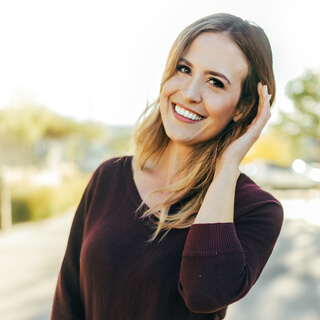
I'm your host,
Michelle.
I'm an occupational therapist,
Yoga instructor,
And mindfulness teacher.
I believe that together we can create positive change one mindful moment at a time.
So settle in for today's mindful moment,
Learning to listen to your body and build confidence,
The many benefits of teaching yoga to kids with Kelly Winkler.
In this episode,
I interview Kelly Winkler.
Kelly received her bachelor's of science in human development and family studies from Penn State University,
And she has an extensive background in working with children as an elementary teacher and also working as a child life specialist.
But it wasn't until 2017 when she really started to feel a strong pull towards yoga.
This largely came about as she watched her preteen really struggling with anxiety,
And she saw all of the ways that yoga and mindfulness were benefiting her daughter.
She later went on to become a yoga instructor herself.
She has received yoga certifications through Kidding Around Yoga,
And she is now also a Kidding Around Yoga teacher trainer.
Her passion for mindfulness later led her to creating the Mindful Moments for Families and Schools podcast.
Kelly has the belief that the most important thing you can teach a child is self-confidence,
Strength,
And the power to create their own inner peace.
Kelly and I are both so passionate about the benefits of yoga and mindfulness,
Specifically in working with children,
And I am so excited for you to listen to our episode.
I hope that you enjoy.
Hi,
Kelly.
I am so excited to have you on the podcast today.
How are you?
I'm great.
How are you,
Michelle?
Thank you so much for having me.
I'm excited to be here.
I am so excited.
So,
We had a conversation just a few weeks ago.
I was interviewed on your podcast,
And I really enjoyed chatting with you so much that I invited you to come back and chat with me.
So,
Thank you so much for being here.
Yeah.
Thank you for having me.
It was a great conversation,
So I'm looking forward to today.
Good.
So,
I've told our listeners a little bit about your background,
And I love your background.
I want to dive into it a little bit more because we have so many similar interests.
But first,
I want to tell me a little bit about how you got interested in yoga and mindfulness.
Yeah.
So,
I was exposed to yoga and tai chi actually during college,
And I dabbled in it a little bit,
But it never really took hold.
I was really self-conscious,
Actually,
When I first started practicing yoga because I'm not very flexible.
And so,
I didn't stick with it because I kind of felt like,
You know,
I wasn't really,
Quote,
Unquote,
Good at it because I could barely touch my toes.
And so,
It didn't take hold.
But then I,
Again,
Found yoga during my pregnancies,
Mainly for the physical aspects.
I was having a lot of back pain,
So my doctor recommended I try some prenatal yoga.
So,
I got a DVD and did that during my pregnancy.
But again,
It didn't really take hold.
And then fast forward 12 years later,
When my oldest daughter was really struggling,
She was always an anxious kid,
But she was in middle school and we hit a really rough patch with her and her anxiety spiked.
And she ultimately ended up being diagnosed with obsessive compulsive disorder and panic disorder.
But we went through a period of time where it was really hard for her to go to school.
She was in therapy and we were doing all sorts of things and her therapist recommended that she try yoga.
So,
I got her into a teen yoga class and it was like,
Her eyes were opened.
And she fell in love with it.
And then I was like,
You know what,
I'm going to practice again.
So,
I started a practice and I saw it in a whole new light.
Just I saw how she was able to use the tools and the breath work and I actually fell in love with breath work first was my like really doorway into my yoga and mindfulness practice.
And so,
I started practicing and I found relief because I also have anxiety.
And so,
I was finding relief for myself.
I saw the positive impact that it had on my daughter.
And so,
I immediately started I'm a teacher by trade.
So,
I immediately started looking,
How can I bring this to other kids?
And I started researching,
I found a kids yoga training that was like 20 minutes from my house the following month.
So,
I signed up right away.
And that was history.
I went through that training.
And actually,
After the first day in that training,
I got in my car and I cried because I found this is what I'm supposed to be doing.
I always have always,
Always worked with children and always had a pull to help kids in some way.
I was a teacher,
But I never really felt 100% in that I always wanted to help them emotionally.
There had been times where I thought maybe I would go back for school counselor or go back and get my family therapy certification.
And once I found this piece,
I was just like the light bulb went on.
And I was like,
You know what,
This is it.
This is how I can help children to deal with their emotions and all the things.
And so,
Then I went back and got my 200-hour training.
And it sort of just kept going one step in front of the other and building my business.
And then I eventually left the classroom and doing this full-time now.
Nice.
Yeah.
Gosh,
Just as you were talking about finding yoga and just leaving that class and crying,
Honestly,
It gave me chills because I know that feeling of just feeling like this is right where you're supposed to be.
And I'm so glad that you found that.
And I can just hear that in your voice and I can see it in your face.
Those of you listening cannot see because we're just doing a podcast.
But I love that.
I also,
I love that your physician recommended that your daughter seek out yoga practices.
And I also want to highlight that because that is something that I hear so rarely and I think that is so needed.
And similarly,
As I shared with you in our interview and you just shared with me that you have anxiety,
I also have anxiety and yoga and mindfulness was really so probably one of the most beneficial things for me and helping to calm my anxiety.
And nobody told me about it.
You know,
I didn't,
I thought that yoga was exercise.
And so,
Which it is for a lot of people.
But I treated it as I'm not flexible enough.
I am not,
I don't know how to do all these crazy poses.
So,
I always avoided trying it.
And it really wasn't until I was in college that I ventured out and started trying it.
And so,
I also want to just applaud your physician.
That's amazing that they gave you that recommendation.
And how cool to see the ripple effect of just you seeing the changes in your daughter and also having this passion for it and then just seeing where it's taking you now.
That's a really cool story.
Yeah,
It's changed my life.
Like,
I can't even the words can't even express how it's changed my life.
I mean,
I struggled many,
Many years with social anxiety,
And stepping into this path.
And really,
These tools that yoga and mindfulness can give us to help us to deal with that anxiety.
And now I'm able to take that and I'm able to go and do presentations in front of hundreds of people,
Which I never could have imagined years ago.
I would have told you crazy if I said I was going to be able to do that.
So,
It's really impacted my life,
Impacted my kid's life in so many ways that it's hard to even express.
And now you have a podcast and you're talking and putting yourself out there all the time.
And I bet,
You know,
Years ago when you're really in the throes of dealing with anxiety and not sure how to handle it,
You probably couldn't even foresee where you are now.
No,
Not at all.
Yeah.
So,
What are some of the things that the changes that you started noticing in your daughter?
If you could share that a little bit,
Maybe just walking us through her journey of starting a yoga practice and maybe how she felt initially,
Because I think a lot of people that are trying yoga for the first time may have some resistance or may not really understand how it's going to help them emotionally.
So,
What was her journey like of starting and how it progressed along the way?
Yeah.
So,
Her counselor,
Her therapist was trying to do some techniques with her prior to her going to the yoga class,
Breath work and trying to encourage her to try to meditate and do some of those tools that we do in yoga.
And she was really closed off to it.
She was really experiencing a lot of intrusive thoughts that went along with her OCD and feeling very out of control and very panicky.
And she just would say,
It's not going to work,
It's not going to work.
And when we finally got her into the yoga class,
It was sort of a perfect scenario because I found out that one of her gymnastics teachers from when she was young was also a yoga teacher.
And she was doing a yoga class out of the gymnastics studio.
So,
My daughter was comfortable in the location of the gymnastics studio because she had been there for many years.
She was no longer practicing gymnastics,
But she was comfortable with the teacher.
And so,
It was kind of like this perfect scenario.
And she went into the yoga class and she came out smiling.
And when we got to talking about it,
You know,
And I think what really happened for her was that,
Number one,
She found out that she could use her own body in ways that she hadn't realized before.
She was not a very athletic kid.
So,
She did participate in some sports,
But on just like a very small level.
And it was not something that really she was drawn to,
You know,
Using her body in a physical way.
So,
I think that was eye-opening for her,
First of all,
That she could,
Her body could do these things and she learned,
You know,
She could do a handstand and,
You know,
And all of that.
So,
That was kind of like empowering for her,
I think.
But the most empowering piece became her meditation practice because with all of the intrusive thoughts she was having,
She began to realize that she could have a sense of control over that.
And so,
She really,
Really took to the meditation piece and she started,
You know,
Of course,
Doing the meditation during her yoga classes,
But she was doing it at home every morning,
Every night.
You know,
On the way to school,
She would put in her put in her headphones and she would do a meditation.
And so,
It was really just empowering for her that she could really because she felt so out of control with her anxiety and her panic that the yoga and the mindfulness tools gave her a sense of control.
So,
That was kind of her journey moving through and she is still is a faithful meditator.
She's going to be a senior now,
She's going into her senior year in high school.
And so,
She doesn't get to practice the physical practice of yoga,
The asana as often as she does practice once in a while,
But she still meditates every single day,
Sometimes twice a day.
So,
That's still been a really powerful tool for her.
And yeah,
She just shares that with people as she,
You know,
Shares it with that she's into theater and so,
You know,
She shares that with her theater group.
And so,
It's been amazing to watch.
I love that.
Thank you so much for sharing and I am just and want to honor her for having the courage to go on that journey.
I think I know for myself,
Sitting with those anxious feelings or those like repetitive thoughts can be challenging and something that we often want to avoid.
So,
Going into a mindfulness practice,
Knowing that you're going to have to sit with it for a little bit longer,
I think it does take a little a lot of courage,
I will say.
And it takes really diligence of continuing to practice.
So,
I'm just I'm so proud of her and I love that story.
So,
She was introduced to mind like meditation through her yoga instructor as well.
And then she was listening to meditations.
Any specific types of meditation or like platforms that she really enjoyed?
I know a lot of our listeners are always looking for different resources of places that they can look.
Yeah,
She used some of the apps.
So,
She used the Calm app for a little while and then also Insight Timer we've used.
I like that one.
I like that one.
She also would just sometimes go on YouTube,
I think and look up different kinds of for different purposes and things like that.
Actually,
She also for a year she played volleyball for her high school and she found meditations before games and she would bring it to her coach and say like,
Let's do this on the bus ride to the game and things like that.
So,
She would just look up different kinds of meditation and try them out.
So,
Okay.
I love that.
And what an advocate.
I bet she has helped so many people just by sharing that insight.
And I do think that by sharing some of these difficulties that we have with anxiety or OCD or whatever it is,
You don't even have to have a diagnosis.
We all have these mental health waves,
Ups and downs that we're going through,
Especially after what we've all gone through over the last year and a half.
And I think we're only just beginning to see the effects long term of what that's going to look like.
And so,
I think that the more that we can be open and share,
Obviously in a container of people that we feel respected by and that we feel we can be vulnerable,
But it allows other people to recognize that they're not alone.
And for us to offer tools and share with one another.
And looking back,
That was something that I really wish that I had the courage to do.
I started experiencing anxiety similar in high school and then really escalated in college.
And I felt ashamed.
I didn't know how to tell anybody when I was experiencing.
It felt embarrassing and it felt consuming.
And so,
Just having the courage to really open up about what's happening gives people the courage to also share.
And then we can share these tools with one another.
So,
She sounds incredible.
I'm so proud of her for that reason because first of all,
She's become such an advocate for herself first and foremost.
And her teachers say all the time that they're just amazed by how she advocates for herself and advocates for her peers.
And when we first started going through this challenging time with her,
There were people who discouraged us from sharing our story.
And I'm glad that we didn't listen to that and that we shared because it's important to normalize this struggle that so many people have.
And I always ask her if it's okay when I do interviews like this,
Is it okay to share your story?
And she's very,
Very open and she's now starting to use her social media platform to share about anxiety and OCD.
And I'm really proud of her for that.
Wow.
She sounds like an incredible girl.
Gosh,
I'm like,
I want to interview her.
I love hearing the perspective of the children,
The teens,
Adolescents.
I love hearing their perspective of what they're going through and what they've tried and what works for them.
And I think that they are really the first advocates for their peers.
So,
That's amazing.
So,
You've talked a little bit about how,
Obviously,
How it helped your daughter,
How she was introduced to yoga and the transformation that you've done for her.
And I think that's really important because it's so important to know that you have the experience of being introduced to yoga and the transformation that you saw.
What are some of the other benefits of yoga for children specifically?
And let's also talk a little bit about some of the younger children as well.
If you can,
The younger and teens,
Certainly.
But that's one of the questions I get asked all the time is how is yoga going to benefit my little preschooler?
And I'm like,
I'm going to be in the office forever.
So,
Just reign me in if I go on too long.
I mean,
Of course,
There's the first most basic benefit of the physical practice of yoga,
Helping to strengthen our children's bodies,
Giving them balance and flexibility,
And coordination,
And all of those physical benefits of the actual physical practice of yoga.
But to me,
That's just the minimum of the benefits that they're going to get.
They're going to get increasing their body awareness,
Right?
Many kids,
Especially our little preschoolers,
Don't have a strong body awareness.
And for those kids,
Maybe with who seek out extra sensory things,
Or constantly we find them constantly moving and bumping into things and things like that.
Yoga can be really beneficial for them to increase their body awareness.
Where is their body in space?
And as we do these activities where we're asking them to hold their body in certain positions and pay attention to the way their body feels in those positions,
It really increases the language around their body,
First of all,
And just the awareness of where their body is in space.
So,
There's that.
There's that.
And also,
It improves their emotional regulation,
Which is the biggest piece to me.
You know,
We are in yoga classes teaching children to pay attention to how their body feels,
Pay attention to their emotions,
Making that connection between their emotions and their physical body,
Or their thoughts and their emotions and their physical body.
That mind-body connection is so important.
And making kids aware that their body gives them cues and little signals and it's communicating with them.
And if we can teach them to understand those body signals,
Then we can teach them how to respond to situations instead of reacting to situations.
We can teach them to have that pause button where when somebody steals a toy from them,
Instead of them reacting by hitting a child or screaming or whatever their reaction might be,
We can teach them to respond to the situation by taking that pause,
Taking a deep breath.
And you'll be amazed that some of these three-year-olds that learn to use their breath and take that pause and then learn to respond to the situation in a healthy way.
So,
That's a really,
Really huge piece.
Along with that,
As we teach children,
As they begin to understand that they have this sense of control and power over their body and over their reactions and over their feelings and thoughts and all of those things,
We can really increase their self-esteem and their self-confidence by leaps and bounds.
There are many children who have been taught that they just can't sit still.
That's the message that they get from their teachers,
Their parents,
The adults in their life.
How many even adults do you know that have maybe are diagnosed with ADHD and they just say,
I can't stop moving.
I can't sit still.
I'm just a hyper person.
That's messages that they've been receiving since they were a child.
We can really teach them that they have this extra energy in their body and they can learn to use that energy in healthy ways and then be able to find stillness when they need to and find focus when they need to.
That's also our concentration and our focus improves.
There's just so much,
Like I said,
I could go on and on about the benefits of yoga for our little kids,
For any age really.
It's one of those things that it is a lifetime of benefits that we can give our kids.
I always go to this example.
I have four kids.
My daughter that I spoke about earlier is my oldest.
And then I also have two boys and another daughter.
My younger son,
Who's now 11,
Also has anxiety.
He's diagnosed with generalized anxiety at this moment.
But he also experienced a trauma when he was seven years old and that really amped up his anxiety and attached his anxiety to health anxiety.
When he either feels sick or maybe just feels hungry sometimes,
It can trigger a panic attack.
Or if he hears somebody else talking about being sick or if they're learning something in school about health-related issues,
Sometimes that can trigger a panic attack.
When he was.
.
.
This time must have been so hard.
I'm just thinking this.
Yeah.
Actually,
The beginning of the pandemic actually was almost,
I think,
A little bit of a relief for him because we had to stay inside.
And that was his key of what he wanted to do.
He didn't want to go to school.
He didn't want to be.
.
.
He was always afraid he was going to get sick at school and that kind of thing.
So actually,
In the beginning of the pandemic,
His anxiety was relieved a little bit because we were all in the house together and that was his safe zone.
Yeah.
Coming back out of the house was the challenging part for him.
But I bring him up because when he was eight years old,
I said he experienced this trauma.
We lost my grandmother to a massive heart attack and he was standing next to her when that happened.
So it was really a challenging time for him.
And he would get triggered all the time in school and triggered into a full panic attack sometimes or just headaches and stomachaches.
Often,
I'd end up having to pick him up from school and it was really challenging.
And so this was all simultaneously kind of happening at the time that I was starting this yoga practice and my daughter was getting into her yoga practice.
It was all kind of happening at the same time.
And so I began practicing with him.
I did yoga at his school.
So he came to my yoga classes.
Anyway,
Fast forward to this school year.
I just love to tell this story because it shows the benefits so much.
He was in school.
He's been doing so much better controlling his anxiety.
But he was in school and they were reading a novel.
And in the novel,
The grandmother passes away.
And so he came home that day and he said,
Mom,
In the story,
It was really sad.
The grandma passed away.
And I was like,
Oh,
That must have been really hard.
How do I feel?
And he said,
Well,
I started to feel anxious because and I said,
How did you know?
And he said,
Because my throat started to get tight.
So he had that self-awareness and that body awareness that he felt that first message from his body that his anxiety was being triggered.
So I said,
Okay,
So what did you do?
And he said,
So I started to take my deep breaths,
But it was too strong.
It didn't work.
And so I said,
All right,
What did you do next?
He said,
Everybody was just sitting listening to the teacher,
But I knew I had to move.
So I raised my hand and I asked my teacher,
Could I go to my backpack and get my water bottle?
So he said,
I got up and I just took my time walking.
And I just walked really slow and paid attention to taking how I was counting my steps to get to my backpack.
And then I got my water bottle and the cold water.
I just paid attention to the cold water in my mouth.
And he said,
I started to feel better.
And by the time I got back to my desk,
I was calm again.
And I was able to go back and listen to the story and stay in class.
So he did not have to leave the classroom.
He didn't go into a full panic attack.
Normally,
It would have been a visit to the nurse,
A visit to the counselor,
He would have missed all of that time in the classroom,
I may have had to pick him up,
He would have missed out on the academics and the social,
Anything that was happening that day.
But he was able to recognize those triggers in him,
His body communicating with him.
And then he was able to pull out all those tools that he had been practicing for the past several years.
And he was able to calm his own body down.
So how empowering for him.
And it just goes to show you that the benefits of these tools are going to just span into everything that kids are experiencing,
Because he needs to be in school,
Right?
We need our kids to remain in the classroom.
He wants to be engaged with his friends and all of those things that wouldn't be able to happen if he wasn't able to utilize his tools in that moment.
Hilary Hendershott Exactly.
Wow.
I love that story.
And I love just hearing how yoga and mindfulness has really the ripple effects throughout your whole family,
How it's helped them and in different stages of their life and will continue to help them throughout their life.
So thank you so much for sharing that.
I love he also sounds incredible.
So I 100% agree with everything you said.
And just as you were talking,
I had a huge smile on my face,
Just like,
Yes,
I totally agree with this.
The more tools that we can give these children to help them pick up on the cues that their body is sending them,
The sooner they can recognize how they're feeling and respond instead of react.
Whereas what can happen otherwise is that we aren't noticing these cues.
We're not noticing that like that tightness in your throat that you were talking about with your son or for me,
You know,
Clenching my,
My fists or my jaw,
I know is a big sign that I'm starting to get tense or angry.
And if I can pick up you too.
Yeah.
The dentist is like,
So do you,
You clench your jaw quite a bit?
Yep.
I do.
So the sooner that we can pick up on those cues and notice them,
Then we can,
We're at that point where we can still make a change.
We can do something to help us self-regulate instead of going further and further to the point where then we end up exploding or totally consumed.
And that's,
I think a lot of parents that reach out to me or want recommendations as far from a mindfulness perspective,
A lot of the time,
The times that we're thinking to use our resources is when the kid is,
Is at that peak emotion.
You know,
We talk,
I talk about a wave.
So at the top of the wave where they're really experiencing that emotion with the most intensity and often that's when we're like,
Oh no,
We got to do something like they're having a meltdown,
A tantrum,
Whatever it is.
And that's when we often think to use our tools.
And at that point,
Often they just,
That wave needs to crash.
They need to come back down.
And so the sooner that we can pick up on the cues before we get to that point,
The better.
So what does that look like in a yoga class when you're helping them recognize the cues that their body sends them?
Can you tell me a little bit what that looks like?
Yeah,
I often am bringing their attention.
First of all,
Just to notice,
Like I said,
There are different body parts and to notice how their body feels in certain positions or when doing certain activities.
And often we will talk a lot about opposites,
You know,
And get them to be up and jumping and very active and then have them freeze and find stillness and find calm and find their breath.
And we talk about,
You know,
What did it feel like when you were jumping around and how was your breath?
Was it fast or slow?
What is these different things in their body?
And then what did it feel like when you tried to stand really,
Really still?
And what did you notice?
Did you feel your heart beating?
Did you notice how you were breathing?
And just really bringing their attention,
That mindfulness piece,
Tuning into all of their senses and all of their body sensations and just making them aware of them.
Because once we become aware of all of those sensations,
Then it's much easier to notice little changes in our body when they pop up.
So,
It's just a lot about being curious and exploring and,
You know,
Bringing their attention and sort of bringing their focus in to their body and their feelings.
Yeah,
I agree.
I like doing that as well.
And one of the first places that I start with is the breath,
Which I'm assuming you mentioned as well,
Is just helping them recognize how they're breathing.
It's something that we do all the time,
Every single moment of the day,
And yet we're so unaware of how we're breathing.
And once we can start paying attention to how we're breathing,
We recognize how our breath changes the way we feel.
And so,
Similarly,
I talk a lot about that with my students as we do all this physical activity or some really challenging yoga poses or breath work to get their heart rate up and their breath fast.
And I have them pause,
See how that feels,
Put a hand on their heart.
What does it feel like now?
And then we slow down our breath,
Deep,
Slow breaths,
Place a hand on the heart.
How does it feel now?
And then we problem solve.
Which one would you prefer,
You know,
Before you take a test?
Which feels more calm to you?
Which one helps you feel like you can solve a problem?
Or communicate with a friend better?
And they start picking up on it on their own,
Which is really cool.
Yeah,
I love that.
I think that that is one of the pieces that not many people know about yoga.
I think they know it feels really good and,
You know,
You get more flexible.
But I think this mind-body connection is really at the core of what we're working with specifically.
Yes,
Definitely.
So some of the children that I've worked with,
And I know I have parents reach out to me quite a bit as well,
Saying that their kids are resistant to the idea of yoga because,
Like you were talking about,
They might have this idea of,
I can't sit still or I'm not athletic.
Or the only reason I'm getting put in yoga is because they want me to calm down.
So,
Do you see that very often in your classes?
I do not as much resistance from the kids as the parents will say.
Interesting.
Okay,
I'm gonna sign them up,
But I don't know how he's gonna be or how she's gonna be.
I don't know if they can do yoga because they're running around crazy all the time and kind of like comments like that.
And I'm like,
Oh,
Don't worry,
You're gonna be surprised that this is gonna be they're gonna love it,
And it's gonna be perfect for them.
And the reason I say that is because my classes,
I really try and meet the kids where they're at.
So in meeting the kids where they're at and being doing fun and engaging activities that will allow them to be engaged and interested in yoga because we're not gonna it's not gonna be like an adult yoga class,
Right where we're holding poses,
And we're have Zen music on the whole time,
And it's quiet,
And we are going to,
You know,
Do fun and engaging things and have fun music,
And sort of find out what their interests are,
Especially if you have somebody who's a little resistant,
And you know,
They're really into dinosaurs,
Well,
Guess what,
We're gonna be doing a dinosaur yoga class then to get to pull them in and,
You know,
Kind of like,
Meet them where they are,
Right,
And then sort of expose them to the other pieces of yoga.
And then they are interested,
And they're having fun.
And they want to come back because it's fun,
And it feels good.
And they feel seen because you're,
You're,
You're meeting them where they are,
You're,
You're asking them about their interests,
You're,
You're sort of like,
Making them feel really great about themselves,
Because you're really seeing them.
And isn't that what we all want?
Right?
So that's really the,
I would say the biggest piece is make it fun and engaging and sort of meet them where they are.
If you're,
If you're going in to teach a bunch of tween boys,
Then relate it to sports.
And you know,
Talk about I did this with my son's soccer team.
During COVID,
They couldn't practice.
So we did yoga in my backyard together just as sort of a team building activity every week.
We could keep it socially distance.
And I talked about the first few times we just talked about how could this be helpful for our soccer game.
And we talked about mobility and different movements and balance and why we need why those things are important for soccer.
And then,
You know,
Talked about some professional athletes that that use yoga and mindfulness,
And they were pulled right in and they loved it.
And you know,
By the by the end,
They were they were sad when the series was was done.
And that was a bunch of 10 and 11 year old boys that you might think they're not going to want to practice yoga.
You know,
So it's really about meeting them where they are finding something that they're interested in and making it fun and engaging.
I love that you said that meeting them the kids where they're at.
And I think that really is to me what a good yoga instructor is,
Is one that meets their student where they're at so that they feel successful no matter if it's their first time or their 100th time,
If they can feel some confidence.
And so it sounds like you really do do that in your classes.
And I my experience has been the kids that aren't super athletic.
They are the ones that that they may not consider themselves.
I should say they may not consider themselves athletic.
They leave feeling a sense of confidence like,
Wow,
I can't believe I did that.
And I held that pose and I did something challenging.
It takes out some of that competition that we may have with peers where it's really just working with yourself and your body,
Paying attention to how you're feeling.
And so I think it's a great option for for those kids specifically that may not feel like they have the athletic abilities or really struggle in a super competitive environment.
I think it's it's an awesome alternative.
Yeah,
Absolutely.
I mean,
I wish that when I was a kid that this was an option for me because I was a kid that wasn't super athletic.
As I said,
I had social anxiety.
So I think a big piece of it was that I was nervous.
And so my my coordination and everything was off because I was so anxious.
But had I had this as an option,
Especially in PE class was like my least favorite thing ever to do because I felt so self-conscious.
I didn't feel like I was athletic.
It was so competitive.
And I think if there was an option of doing yoga in PE for me,
It would have like really changed my whole day.
Right,
Right.
So what is the youngest age that you teach yoga to?
And what does that look like?
Yeah,
I love teaching the toddlers,
You know,
Like I it's fun and engaging.
Oftentimes,
I have a parent participate in those classes for the really little ones.
About three years old is when I would say I start doing classes without without the caregiver.
But younger than that,
Usually I'll have a caregiver participate.
And,
You know,
They're fun classes because you can really get the caregiver and the child it's such a wonderful way for them to connect.
It's a lot of just a lot of fun music and movement,
And a lot of using props with with these kids like scarves and pinwheels to get them to you to find their breath.
And just a lot of,
Like I said,
A lot of active movement,
And then trying to get them to find a little bit of quiet stillness,
Even if it's only for 10 seconds,
Right for this for this age group.
But so fun and so engaging and such a wonderful way for parents to connect with their kid and just to see the beauty of getting to in a kidding around yoga class,
What we call our peaceful garden,
But that's Shavasana for for everybody else.
And just to see the parent laying down on the mat and the child cuddled up next to their parent,
And you see those nice deep breaths,
And it's beautiful.
It's just it's really a beautiful experience to have and to see the parents get to be a little playful and find their inner child to is really fun.
So like you get to the kids get to see mommy or daddy or grandma or grandpa,
Whoever's with them,
Look like they're having fun and they're finding like their silly behavior.
And that's really exciting and fun for the kids to see too,
Right?
Because oftentimes the parents are the ones that are making the rules and saying no to everything and,
You know,
And so they get to see that little that that parent,
You know,
That that parent find that little inner child.
And so that's fun,
Too.
Dr.
Melissa Nosik Yeah,
I think I think that that's another piece.
And that could be like a whole nother podcast episode,
But the importance for adults to play and to be playful and to,
You know,
We can learn so much from kids in that way.
And so practicing yoga with your child really brings you back to that childlike fun,
Lighthearted nature that as we get older with all the demands we have,
We start to lose sight of that,
You know,
And I love that the kid gets to see their parent having fun and laughing and trying challenging poses too.
So I love that.
So you mentioned Kidding Around Yoga.
Tell me a little bit about that.
Dr.
Julie Yeah,
Kidding Around Yoga is who I was trained with.
That's that training that I talked about at the very beginning where I got in the car and cried after.
It's a really wonderful program.
Our classes have a specific structure to them.
It's what we call our golden ticket.
And it's a very specific structure that we work through that makes it really nice for yoga teachers,
First of all,
Because you're going to work through this same class outline,
Just plugging in different songs and different activities each time,
But it makes it nice for class planning,
First of all.
And it incorporates all of the pieces of yoga.
So it's going to incorporate your breath work and your mindfulness and your meditation and your movement and all of that throughout the outline.
So if you follow your outline,
You're going to be have a nice well rounded class.
We also have,
I think,
Over 50 original songs that are really fun and the songs incorporate poses,
They incorporate breath work,
They incorporate mindfulness,
Bringing our attention to our body,
All of those pieces within the song.
So the songs are an incredible piece to the classes.
And then we also utilize stories and games and different ways to engage the kids,
All while doing yoga poses and breathing and meditating.
So it's just a really fantastic way to,
Like I said,
Meet the kids where they're at because it's really fun and really engaging.
But we're getting all of the benefits of all of the pieces of yoga throughout the class.
I have heard so many amazing things about getting around yoga.
And I have never taken a class,
But that is on my list of checking out some of those trainings.
I've heard just amazing things.
And specifically from parents that have sent their kids that they really loved the course.
So if you are interested in finding a Kidding Around Yoga class,
How would somebody go about doing that?
Yes,
You can go.
It's kiddingaroundyoga.
Com.
I'm also a trainer for them.
So I run these workshops now.
We are now getting back to in-person workshops finally.
So that's exciting.
They're starting to pop up all over the place.
And this is in the.
.
.
We're a worldwide international company.
So we have trainings all over the world.
There's also an option of online training,
A few different options.
You can take the fully self-paced course.
And then there's also a virtual option where there are some Zoom classes and things like that to go along with the self-paced course.
So lots of options.
But yeah,
You can go on to kiddingaroundyoga.
Com and you can see all the different courses.
Awesome.
And for those parents who may not right away be able to get their kid into a yoga class,
Can you give us any tangible tips or tools for maybe some ideas of what they could implement at home or some things to try just to start building some of those skills,
That mind-body connection like you mentioned?
Yes,
This is my favorite thing to talk about because I think this is.
.
.
This can be.
.
.
It's wonderful to get your kid into a yoga class,
An after-school program,
A yoga class at the studio or wherever.
That's amazing.
Listen,
That's what I do.
I teach those classes.
I love to have kids in those classes.
But what can be really impactful also is daily practices,
Small little daily practices that you're going to do with your child are going to have a huge impact in the long run.
So that can be something really simple as when you get up in the morning before you're going to start the rush of the day with your kid,
Just sit and take three deep breaths.
Let's smell the flower and blow out the candle before we even start our day.
Or maybe it's you're walking to the car and you're instead of rushing and hurrying and trying to get everybody in the car and you know what it's like trying to get out as a parent.
It's like craziness sometimes in the morning trying to get everybody out the door and get everybody buckled in their seats.
You know what?
As you're walking to the car,
Notice some colors around you.
Just as a mindfulness practice,
Ask your child,
How many blue things can you find on the way to the car,
Right?
Bring their attention to their senses.
These little practices are going to bring their awareness and use these mindfulness pieces so that in a moment when they are starting to get escalated and they are having those meltdowns,
You can call on some of those skills that you've been doing like the breath work or like noticing the colors around them or listening to the sounds that they might hear.
All of these mindfulness practices can be really beneficial for your kids in a moment where they're starting to feel frustrated and get upset.
But you can't teach them them.
You have to do them throughout your day.
It might seem like,
It might seem like,
Oh,
I don't have time to do this,
Right?
I'm really busy.
We have jam-packed schedules.
But actually,
You might notice that your kid is going to be a little bit more cooperative and things are going to actually go a little bit more smoothly if you start practicing these things.
First of all,
It's helpful for the parents to regulate their own emotions,
Right?
We get stressed.
We bring that to the interaction with our kid.
We're trying to get out the door.
We have a meeting to get to whatever that might be.
Our kid is going to pick up on that energy and most likely they're going to resist whatever we need them to do in a quick manner.
If we can sort of regulate ourselves and keep ourselves even-keeled,
Then it helps our kids to do the same,
Right?
They're going to co-regulate with us until they learn to self-regulate.
So,
Yeah.
Yeah,
I totally agree.
I think those small daily practices add up in the long run.
And what they do is they create small daily habits of just being more present and more mindful.
And I think a lot of parents that I've spoken with,
They just feel like I don't need one more thing on my plate.
Like I,
Especially for those parents that have been homeschooling their kids over this last year,
They're like,
I can't take one more course.
Or,
You know,
They already have enough of this guilt of like,
I'm not doing enough and also just so stretched thin.
But adding these small practices throughout the day,
Not only helps their child,
But also helps them,
Helps them pause for a moment and okay,
Let's notice our senses and pay attention to what's happening here instead of all of these to-do lists and things that I have to get done.
So,
I love that.
It really helps both of them co-regulate.
So,
Tell me about what you're doing right now.
So,
You're teaching yoga in the community.
So,
I have my yoga classes for kids.
I also teach yoga classes for adults and family classes.
I also,
As I mentioned,
I'm a trainer for K.
So,
I will have my K training.
But we also have a school workshop that we teach for educators that's called Educay.
And so,
That's a big piece of what I'm working on right now.
That is,
We go,
This can be done virtually or in person.
This course is for educators and how to incorporate yoga and mindfulness into their classroom on a daily basis,
Similar to what I was talking about with the parents in little small bite-sized pieces because teachers,
Of course,
Are also inundated and overwhelmed and stretched thin.
So,
We try to make it really simple and practical for teachers to take these tools and implement them into their classrooms.
Again,
It's really beneficial for the teachers as they're overwhelmed and stressed.
It helps them to keep,
You know,
Regulate and some self-care for them.
And then it's wonderful for the students.
So,
I also have that workshop going and it's been really wonderful.
We worked with West Virginia.
We just had a really large grant that they received.
And we were able to train,
I think now it's over 500 teachers to utilize yoga and mindfulness in their schools.
And it's been incredible.
The impact they're saying already is they have seen wonderful things,
Less behavior issues,
Less absences.
The kids are more engaged.
And so,
It's been really incredible to be a part of this movement.
And I'm hoping that we can get lots more schools on board in all the states all across the U.
S.
Because,
In my opinion,
Yoga and mindfulness should be in every school.
Not every family can have access to yoga classes.
Not every family can get to a studio or has access to an after-school program that offers these classes.
And so,
In order to reach every child,
Which I think every child deserves to have these tools,
Going into the schools is where we're going to be able to do that.
Yeah,
I totally agree.
And has your experience been that most schools have been fairly open to the idea or have you had any resistance with the idea of adding a yoga practice to a school?
I think now we're seeing that schools are really starting to be more open to it.
I mean,
Social-emotional learning is really important now in most schools.
That's become a really big push.
And this program really aligns perfectly with the social-emotional learning,
The CASEL standards.
So,
We're seeing that schools are definitely more open to the idea.
There are still some misconceptions about what yoga is.
So,
There's that piece that takes some educating to explain that yoga is not a religion and all sort of that piece.
But the other big challenge also is funding.
And so,
We're really trying to help schools and districts find grant money to help to provide these programs because that seems to be the biggest challenge.
They want to incorporate these programs.
They want to have us come in and train all their teachers.
But it's just a funding issue.
Yeah,
That makes sense.
Yeah.
Well,
I agree.
I think it is so needed.
And I think back to when I was in school,
All of the focus is on that common core curriculum.
But we really didn't talk anything about,
At least that I can remember,
There was nothing about this emotional regulation or emotional intelligence and our social skills,
All that kind of stuff.
And so,
I'm so happy to see that we're moving more in that direction.
But I think it's something that we're still not there.
We still need to keep adding programs like this and teaching them these skills.
And just like you were saying,
I think the key is adding these moments throughout the day.
And so,
Adding them into the curriculum,
Into their day at school,
Those small mindful moments,
As I always say,
Those mindful moments throughout the day,
That is going to make the biggest difference and help them so much throughout the day.
So,
I love the work that you're doing.
Thank you so much.
Yeah.
And you also have a podcast.
So,
Tell us a little bit about that.
Yes.
My podcast is called Mindful Moments for Families in Schools.
And I started it because I started it during the pandemic.
I could not do my school programming.
All of my classes,
Basically,
Some went virtual,
But most were canceled.
And I love listening to podcasts,
First of all.
I love the way that we can consume content that way,
Right?
Pop my headphones in and do my chores and have it on in the car.
And I just really enjoyed that platform.
So,
I just wanted to keep sharing these tools.
And I was finding that with the pandemic,
It was challenging.
We were able to take our courses and make them virtual and everything.
But in the meantime,
I was like,
You know what,
I want to share these tools.
And so,
I just decided to hop in.
I didn't really have any experience hosting a podcast or editing or anything.
But I was just really passionate about the content.
And so,
I just kind of jumped in and started sharing.
And then I had some people reaching out to me wanting to be interviewed.
And so,
Then I started interviewing people.
And it kind of just grew from there.
And it's a slow process for sure.
It takes a lot to build an audience and to get your podcast visible and all of that.
But as I said,
I'm so passionate about sharing these tools that I just felt this is another way I could reach parents and teachers and give them these tools and tips that they can share with their children.
I have loved listening to your podcast.
And the fact that you only started it relatively recently is just amazing to me to see just how much it's grown and then the guests you have and the content that you're putting out is really meaningful.
So,
Thank you so much for all of these offerings.
And I have no doubt that they're really transforming people daily.
By adding more mindful moments,
That's what we need.
These more mindful moments over time add up.
And you're doing that in so many ways.
So,
Thank you so much.
Kelly Cervantes Oh,
Thank you.
That means a lot.
Janae Cummings All right,
Kelly.
Well,
I have loved our conversation.
And so,
If people are looking to find you,
Where can they find your podcast or any other resources that you have?
Kelly Cervantes Yeah,
You can find my podcast on all the places you might find your podcasts on Apple and Spotify.
And all the platforms.
It's Mindful Moments for Families and Schools.
You can find me on Instagram at Mindful Moments for Families.
And you can find me on Facebook under my business name,
Which is Kidding Around Yoga with Kelly.
Janae Cummings Okay,
Thank you so much,
Kelly.
Kelly Cervantes Thank you for having me.
It was great.