
The world’s largest free audio library for everyday wellbeing
Real people. Real life. Real time.
Retreat categories
All RetreatsYoga RetreatsWellness RetreatsMeditation RetreatsYoga Teacher TrainingWomen's RetreatsYoga Retreats in BaliYoga Retreats in United KingdomYoga Retreats in AustraliaYoga Retreats in ItalyFind Your Perfect Retreat
Discover transformative Retreats led by Insight Timer's best teachers.Reconnect, recharge, and return renewed.
The world’s largest free audio library for everyday wellbeing
Blog categories
Mental Health and WellbeingTips and GuidesScience and ResearchTraditionSpiritualityAt WorkTop Articles
How to Meditate
Meditation is something everyone can do. Practicing can help improve your health and wellbeing.
Explore MeditationMeditation Timer
Free meditation timer with customizable intervals, bells, and ambient sounds.
Meditation Timer Online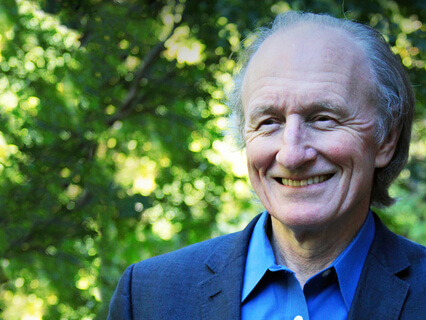
COURSE
How To Change Unwanted Habits
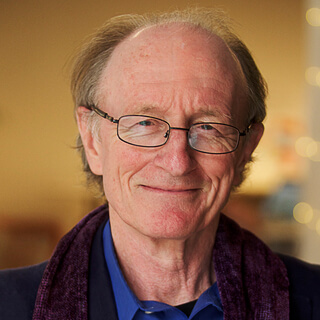
With Hugh Byrne
All of us have habits that we’d like to change—eating or drinking unhealthily, smoking, spending long periods online, or judging ourselves and many others. Mindfulness is a key to habit change because it brings into awareness behaviors and thought patterns that have become unconscious and automatic. In this course we’ll develop skills to work with a range of different habits—skills that can help us live with greater well-being and freedom.
Meet your Teacher
read more
10 Days
21.2k students
4.7 stars
15 min / day
Addiction
English
Ask your teacher
This course includes 332 community questions and 93 audio replies from Hugh Byrne. The community classroom and teacher audio replies are only available via the app.
4.7 (1539)
Recent Reviews
Maaike

July 1, 2026
Thank you Hugh, I have been both enjoying and learning a lot from these meditations. What I really got aware of are urges and distractions that have become linked especially to my meditation practices. That was very helpful and I appreciate that I can now sit and know that I am “quite normal” even when my mind races, preparing for the next ‘to do’ or instead of being here and now. I hope to be able to get over my bad habit of procrastination with help of your meditations here on Insight Timer. Thank you!
Elsa
June 19, 2026
Loved this. So comforting and gentle.
Colleen
June 11, 2026
Thank you Hugh! This course was insightful. Noticing the underlying energy contributing to unwanted habits brings a new perspective that’s very helpful.
Claire
May 10, 2026
This has been so helpful to me for recognising habits which do not serve me. It also has helped me adopt healthier habits and understanding that over time these habits will not only benefit me but become second nature.
Beth
February 18, 2026
Loved this class , Hugh’s guidance, and gentle voice. I hope to find more classes taught by him.
Pauline
January 17, 2026
So very helpful to be back with you, Hugh, it’s been a long time. Thank you for this wonderful course, I was meant to see it. Warmest wishes Pauline
Helen
November 15, 2025
This is the most helpful guide I've yet discovered regarding habits. I will now repeat the course to try to imbed the mindful changes.
Lucinda
November 10, 2025
Really helpful for developing a mindfulness practice that addresses the drivers for addictions of all kinds. Thank you.
Rachel
October 15, 2025
Thank you. Very helpful understanding this technology. Will have to re-listen. Namaste 🙏
Mark
August 18, 2025
Excellent and insightful.
Ash
August 9, 2025
Wonderful course filled with information on habit forming paired beautifully with gentle meditations to enhance our awareness of our habits and their root causes. Hugh brings the unconscious into the spotlight of our attention. Highly recommend.
Martha
July 23, 2025
This is such a wonderful course. Thank you ❤️
Jane
June 2, 2025
Very thoughtful and concise overview. Straightforward, not overwhelming. I will look for Hugh’s book on the subject. Well done.
Queen
May 7, 2025
It was more of a talk about mindfulness than strategies to help change habits.
Philip
March 12, 2025
Super calming for me!!
Kylie
December 24, 2024
🙏
Elisabeth
December 21, 2024
Excellent. Just the right depth and speed for me. I did this hoping to control my addiction to playing games on my phone: I've gone about 36 hours so far and have had no success with other methods in the past. An outstanding contribution to improving my life
Rodney
September 21, 2024
I think you deeply for bringing this course to me I felt extremely enlightening and helpful My best, Rodney
Lucy
August 29, 2024
This course has been very useful to me. I will repeat it and it’s meditations again and again, if necessary, to help me change ingrained worry habits. Thank you very much, Hugh!
Karin
August 3, 2024
Thank you 🙏 💝

Trusted by 37 million people. It's free.

Get the app


