Welcome,
Welcome to Awakening,
Hidurut,
Torah,
Musar,
Mindfulness.
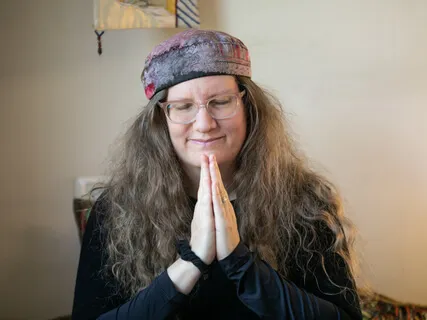
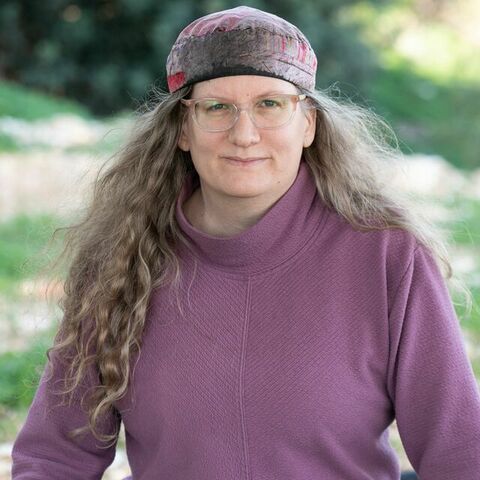
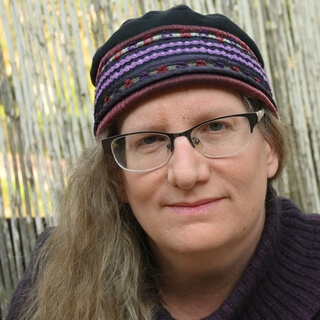
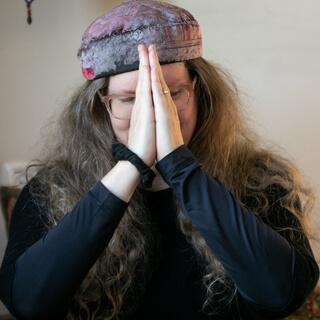
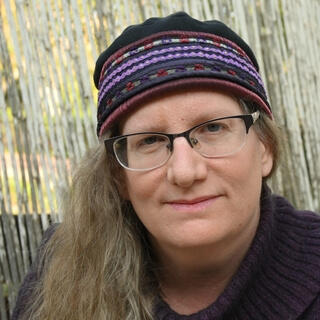
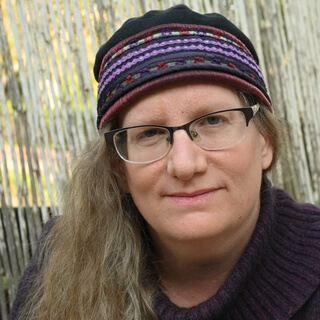
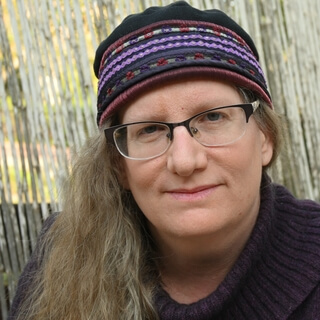
I am Rabbi Chassia Uriel Steinbauer,
Founder and director of Chamechon LeKedusha,
The Institute for Holiness,
Hechilat Musar,
Mindfulness.
Delighted to have you join us today for our weekly public offering.
Today is Sunday,
March 26,
2023.
It is Arba,
Dalet of Nisan,
I believe,
Yes,
Of Tosh Shem Pei,
Gimel 5783 of the Hebrew year.
We will be looking at the Torah portion from yesterday on Shabbat,
The Jewish Sabbath,
Called Vayikra.
We entered the third book,
Sidra of the Torah,
From Bereshit,
Genesis,
To Shemot,
Exodus,
To now Vayikra,
Leviticus.
So we're in the first Torah portion of this new book,
Safer Within the Torah.
And so we covered it on March 25,
2023.
It was the Gimel,
The third of the month of Nisan,
The Hebrew month of Nisan.
Welcome to Nisan,
Everyone.
We had the new moon three days ago,
Four days ago,
So it's delightful to be here together from Rosh Chodesh,
The new moon.
So Parashah Vayikra.
I'm just going to start with a disclaimer,
Which is the book of Vayikra,
Of Leviticus,
Is challenging to many people.
It is known as Torah Kohanim,
The teachings,
The lessons,
The the learning for the Kohanim to be able to deal with the sacrifices in the Mishkan,
In the desert.
And it covers lots of animal sacrifice,
But not only animal,
Spices and grains like mincha and oil,
Shemin,
And wine also.
And there are different types of offerings.
There's what's known as an ola,
A full burnt offering to Hashem,
To God,
A shlemin,
Which is like a festive offering,
A phone of joy and gratitude that you bring the animal and it's shared to eat with your whole family and friends,
Whoever you bring,
And also the Kohanim.
There's also the mincha offering,
It's offered daily,
It's a grain and it ends up being nicely baked,
Cooked,
And the Kohanim eat it.
And there's a chatat,
A sin offering,
So someone has done something sinful,
Caused harm and suffering to others,
They bring this.
And the chatat also means cleansing.
And there's also the asham offering,
Which is a guilt offering.
And you might kind of wonder what's the difference between sin and guilt.
And there's lots of parshanim,
Lots of commentators on this,
But those are the main offerings.
So what is a korban?
A korban is an offering to God in the mishkan and later in the beit nidash in the temple.
It is simultaneously that you're giving up something and that you're also offering something.
So it's seen as giving something to God,
Also to the Kohanim.
There's a bit of self-sacrifice because you're giving up an animal or grain or something of value to you,
Whether it's monetary value or emotional or other.
And so when we say sacrifice,
We're meaning that the person who is offering is the one that is sacrificing a bit of attachment,
Sacrificing attachment to something,
Giving it over,
Becoming responsible to.
When we give,
We enter a new way of relationship.
And korban,
Kuf,
Reish,
Bet,
Means to draw near.
And that is essentially lehakriv.
One is drawing near God,
Maybe even drawing near to the Kohanim,
A relationship to enter the mishkan,
To enter the sacred sanctuary.
It's about developing and promoting a new way of being,
A new relationship for connection.
So there's also something very important that goes on here in this Torah portion,
Which we'll just touch on briefly,
Which is that all offerings are available to all classes,
To all castes,
To all income.
So the abul,
The most expensive animal,
Can be offered and then all the way down to a grain,
A mincha.
And then there's in between,
Birds and then smaller animals like goats and sheep to larger animals,
Like a cow.
So you might want to begin even to think to yourself,
Why might it be important for a korban to have this full economical scale of availability based on what you can afford to sacrifice,
What you can afford to give,
Right,
To have cheaper and more expensive options?
Why would you want this as part of your sacred community,
Your sacred sanctuary and a part of your own spiritual practice?
So this is important in our own daily practice in Musa and mindfulness and even particular for leaders like myself who offer classes and consultations and scholar and residents and teaching,
That I try to make my teachings and what I offer available to all,
From complete scholarship to those who do not have the income at all to offer to learn and practice with me,
To those who are our benefactors,
Who actually give extra tuition,
Extra money,
Extra sponsorship to support those who have completely limited income,
In order to create a community built on responsibility,
Built on nedivut,
Generosity,
Built on sacrifice,
Because it's the benefactors who know that when they give extra for their tuition or whatever they're paying in order to learn and practice with me,
That that is affecting those who otherwise would not have that opportunity.
And so we make that available to all and we learn this here from Vayikra,
From the Torah portion,
That this is what God wants and God's sanctuary wants us to create community one of generosity and responsibility.
Then we also have this real strong concept in our Torah portion of in what ways does knowledge make us responsible.
Well now we're aware of this knowledge,
We're aware of this knowledge that we are to provide all access to all incomes,
All sorts of people,
Access to God,
Access to practice.
This is very important.
Before we move into our guided mindfulness meditation in a little bit,
We'll go over our covenant,
Our intentions,
Which we usually do at the beginning.
I acknowledge that.
So it is actually Rambam,
I believe,
Or maybe the Malvim,
Who teaches that being a witness is a responsibility that we all have all the time.
So if we're really witnessing what's going on in Vayikra,
This sacred text handed down by God and our ancestors tradition,
We have to bear witness to this,
That we recognize that this template of how to be in the world to provide as much access to as many people as possible to the teachings,
To the path.
It is our responsibility and it's our joy,
It's our generosity,
It's our Nedivud.
So in particular I want to touch on one beautiful area where each day the Kohanim are responsible for gathering what's called Shuma Tadeshin,
The ashes that gather underneath the Mizbeak,
Underneath the altar,
From burning the animal,
Parts of the animal,
Or for the whole animal,
And underneath gathers the ashes.
And it was considered quite a privilege to be able to be the Kohanim that day who collects the ashes.
You collect the ashes,
You leave the sanctuary,
You actually leave the camp in order to bury the ashes outside.
It's a sacred act and then he would remove his clothing and wash himself and wash his clothing,
Immerse in the mikveh,
A whole ritual and a ceremony essentially.
So we know from the Mishnah Yoma,
Chapter 2,
1,
2,
That the Kohanim actually used to kind of compete for who gets to gather the Shuma Tadeshin,
Right?
And they would race up the ramp towards the Mizbeak and unfortunately one of the Kohanim actually got pushed aside in the zealousness,
The zerizut,
The enthusiasm.
It was too much of one of the Kohanim.
He pushed his brother into the side and he ends up breaking his leg.
So it shows us that even in our service,
Our avodah,
Even in our spiritual discipline and practice,
We must be aware of others and not cause harm and suffering.
Even if we think that we're getting close to doing a service or an act that's going to draw us closer to God.
So that's very important.
So what ends up happening is the Beidin,
The court decides that this is things are obviously dangerous now,
Some things have reached a level of sakana and they decide that they would enforce a lottery in order to see who got to do the Shuma Tadeshin.
So every community and every community like ours of Vadim and Asanga here at the Institute for Holiness,
So important for us to create a safe framework where we're aware of all of our internal drive and desire to draw near to God and that we want to make sure to always be mindful of the other even if we have this ratzon,
This will and desire to serve.
So one thing that I wanted to teach from this is that Tumma actually means something lifted up,
Right?
And it's like when we ask you each week to offer your Tumma,
Your Sadaka,
Your Dana,
Your donations to support this work,
You're lifting up us,
You're lifting up yourself,
You're lifting up the community,
Right?
It's this form of lifting up the the work and the path that we work on and promote here at the Institute.
So Tumma here,
Tumma Tadeshin means lifting up the ashes and so we want to ask ourselves why is it important to appreciate and hold up the ashes from yesterday's korbanot,
Right?
From the day's full practice,
From the day's full service,
Avoda.
Why is it important for them to appreciate all the work that they had done,
All the animals that and whatever else had been sacrificed in service to God,
Why is it important to appreciate these compliments before going on with the new day?
And this reminds us of our practice in Musar Mindfulness where we have the daily Cheshbon Hanafesh journal,
The accounting of the soul journal.
We look at that journal daily,
We review before we even start journaling that evening what went on the previous day and really appreciating how balanced we were in a lot of ways.
Of course there might be places where we have work to do,
On certain we don't,
But then there are places where we are getting stronger and stronger and healthier and more life-affirming and on the path and we appreciate that and that strengthens us and it strengthens us to bring that strength to our vad,
Our community who we practice with in this practice of Musar Mindfulness and that's so important and in a sense we are continuing this beautiful ancient tradition of Trumata Deshan every time we open our journal and review for the day.
That is our avodah,
Our service to God.
So we may not have physical ashes of burnt or consumed animals but we have our heart,
Our soul,
Our longing,
Our practice that we have put pen to paper and shown God and been vulnerable to.
That's beautiful.
So that's the first teaching.
The second teaching which is so important to us today is we need to consider together as a community what does the spiritual practice of Cordoban,
Of drawing near to God through sacrifice,
What is this spiritual practice doing?
What does it accomplish?
Or we wouldn't be doing it.
It wouldn't have been commanded.
Okay,
What's going on here?
So we get a little bit as I said earlier from the Shoresh,
The root of the word,
The Kufreshbet of drawing near to connect to,
To be in relationship with,
To sacrifice,
To give,
To be generous,
To build our responsibility.
That's all what's going on here.
And so most of us feel a little bit of lacking today when we want to give like that without causing harm and suffering.
We want to give but we don't feel often either that our prayers or our meta from our mindfulness meditation,
Our activism,
Our volunteering,
Whatever service we might be doing and giving,
That that it just sometimes doesn't feel it's enough or that it's not drawing close enough to God.
And that may be something about the korbanot,
Something about the sacrifices with God.
Maybe our ancestors knew something more.
Maybe there was more insight.
Maybe their practice brought them closer,
Aligned them more.
I don't know.
None of us really know.
I know it was so important that it went on for years and years.
And so with humility I try to look at that and I do it with you together in community and say what is it that we could try to cultivate and do to draw near to give an offering,
To give a sacrifice.
What is it that we need to sacrifice?
So in particular I'm really drawn to the teachings on the chet offering and the sin offering.
The sin offering being one that we need cleansing,
Right?
And today we all commit sin still,
Right?
We all cause harm and suffering.
And most of us,
If we take responsibility,
We do so verbally.
Sometimes there might be restitution,
Say if we stole,
God forbid,
When there might be restitution of some fourth sort.
But usually it's just verbal.
Our offering is I'm sorry,
I take responsibility,
I shouldn't have done that,
I won't do that again.
And that is sincere and it's needed but it often feels lacking.
And so our ancestors really really spent some time with this in spiritual practice.
And the Ramah,
Rav Emosha Isser,
That's very famous,
Important,
Rav,
Basically Halakha Tzisayser for Ashkenazic communities 18th century,
17th century forward,
Did glosses,
Did a commentary on the Shulchan Aruch of Rav Yosef Karo from 16th century Spain.
Wrote his own commentary for Ashkenazi communities because the Rav Yosef Karo was addressing Sephardic communities.
And he brings a teaching that he says in place of a chatat,
Right?
You should give 18 coins to Sadaka.
Sadaka is in this case charity.
You should give 18 coins of whatever currency you have wherever you live,
Wherever you're joining us live streaming or on our zoom connection or YouTube,
Facebook,
LinkedIn,
Twitter,
That you should give 18 coins.
And my 18,
If you don't know anything about it,
Is 18 is a very important number.
It helps,
It means life,
Essentially alive,
It really means.
And it helps contribute vitality and life to the world,
Right?
It's a very important number.
So we're suggested to give Sadaka charity in multiples of 18.
And so if you think about it,
It's a beautiful idea because you're sacrificing something,
Right?
Of value,
You're giving up money and you are giving it to someone else who's going to benefit like a koanim,
Like God.
And it's really dedicating to something meaningful,
Right?
It's going to sustain the person that you give it to.
And this is the type of thing that we're looking at for to really incorporate as part of our daily Musa mindfulness practice of how we can supplement verbal responsibility with a korban,
With a sacrifice,
Right?
That really addresses something more primal and deeper of that which we need to sacrifice in order to really be generous toward and responsible toward another,
Particularly when we've sinned.
So I encourage you in this week of practice to take this on and maybe even take it on as a life practice.
Anytime you've sinned,
Anytime you're off the mark,
Anytime that you have caused harm and suffering,
Anytime that you're not living in alignment with your life affirming values,
The Torah,
The Dharma,
Sacrifice.
18 shekels,
18 dollars,
18 Canadian dollar,
18 euro,
Whatever it might be,
Wherever you're from.
And really see it as I'm giving,
I'm sacrificing,
I'm going to benefit somebody else in the process,
I'm going to carry this burden,
Bearing this burden together,
And I'm going to cleanse,
Right?
Remember,
That means not only sin but cleansing.
Very interesting.
Hold the two.
So with that,
We are deeply grateful to be able to be here together to practice.
We're going to move into our Kavanod,
Our intentions.
For those of you watching on video,
You will see before you our Kavanod,
Our intentions for today's practice.
For those of you listening on podcasts,
On audio,
Welcome.
I will read this out loud.
So I'm just going to summarize this.
We're always doing this together,
B'srat Hashem,
Sundays,
12 30 Eastern Standard Time,
As an act of radical self-care.
We're also doing it in order to care for others because when we're caring for ourselves,
We strengthen ourselves to be able to bring God's good to others,
To be of service to others.
And that's how we're of service to God also.
We're doing this to strengthen our relationship with the divine.
All three,
Right?
It's this beautiful,
Strong triangle,
The threefold.
So we say this is something that I'm doing to strengthen my own soul to be a benefit to others in the future.
This is something I'm doing to strengthen my relationship to others so I can be a better conduit of God's good to others when they need me.
And this is something I'm doing to strengthen my relationship with the creator so I can be a better conduit of God's good when they need me.
So may we merit this today by really exploring these important practices and incorporating them into our lives and seeing how we can really,
Really just foster the best type of spiritual discipline together to be on this path towards holiness.
So with that,
I invite you to your posture.
I'm not going to say seated posture,
Right?
Seated posture,
Not at all,
Because some of us are not going to sit.
If you have any chronic pain or you're just hurting or sore today,
Allow yourself to stand in a strong mountain pose.
Allow yourself to walk,
Not walking anywhere in particular,
But doing what's a mindfulness meditation walk,
Just listening back and forth.
Or you're also welcome to lie down.
I advise you to keep your eyes open if you're lying down,
If you have vision,
So that you remain awake and alert.
For those of you who will be seated,
For instance,
Like me on a chair,
You can also sit on a zafu,
On a meditation cushion.
I invite you to the edge of your chair with your feet grounded,
Held by Mother Earth.
And I invite you to the edge so that you actually keep an erect spine,
Because if we lean against our chair,
We often begin to start slumping and can lead to the states of sloth and twerper,
Make us tired in our practice.
So you're at the edge,
You're upright,
Sitting in a dignified position,
Created in the image and likeness of the divine.
Not West Point stiff,
As our beloved teacher Jon Kabat-Zinn loves to say,
But just awake and alert,
Ready to be here,
Ready to practice,
Ready to serve.
So if you do have vision,
I invite you to close your eyes.
You're welcome to lower your gaze,
If you don't want to close your eyes completely.
And we'll begin with three deep cleansing breaths.
Inhalation,
Inviting awareness.
Exhalation.
I don't know about you,
But my shoulders just fell about a foot.
Inhalation,
Inviting insights.
And exhalation,
Seeing what else you can release and relax.
And inhalation,
Inviting humility and openness to learn from everyone.
Inhalation and exhalation,
Fully arriving,
Fully settling,
Really feeling yourself being here together in community,
Refuge of sitting together in this practice,
Refuge in the Torah,
Dharma,
Refuge in community,
In sangha and vad,
Allowing yourself to fully arrive.
It is such an act of medivhut,
Of generosity and achar ha'ayyut,
Responsibility,
To give a korban,
To sacrifice,
To be fully present,
To take responsibility.
And for those of us,
We can call upon that and great chesed,
Great loving kindness,
Metaphrases towards ourselves,
Towards the divine,
Towards others.
I invite you to allow your breath to fully settle.
No need to control your breath.
No need to make something happen.
For those of you new to meditation,
You will hear me go silent from time to time.
Your anchor,
Meaning what you are to pay attention to,
To stay in the present moment,
Is either my voice or the sounds around you,
Or even your breath.
And please know that it is the practice that the mind will wander.
That is what it does.
It's the nature of the mind.
So when you wake up to that wandering,
That is the moment where you return to the present moment.
And you simply begin again,
Training a puppy over and over and over,
Relaxing any areas of the body that might be tense or tight,
Taking some moments to feel the breath at the heart,
Breathing in since that you are receiving the gift of warmth and energy,
Breathing out since that you are letting go into openness,
Silently,
Quietly to yourself or in a whisper,
You will repeat after me,
May I give loving kindness,
May I fill Hashem with kindness,
May I be filled with chesed,
With meta,
May my qurban,
My sacrifice be accepted,
May I be held in loving kindness,
May I feel safe and at ease,
May my sacrifice make someone else feel safe and at ease,
May I feel protected from inner and outer harm,
With my offering may I protect someone else from inner and outer harm,
May I know joy,
May I give joy with my offering,
May I accept myself just as I am when I give to those in need,
May they be able to accept themselves just as they are,
May they feel my generosity,
My responsibility,
My honor,
My obligation,
May they be held in my service,
May I know the joy of giving,
Of generosity,
Of nidivut,
May I know the joy of living in alignment with my values,
May I know the joy of giving God exactly what God commands,
What God wants,
May I find true refuge in this community,
May I find true refuge in this practice and on the path,
May I find true refuge in my own being,
May whom I'm giving to find refuge in my service and in my gifts and my sacrifices,
May my heart and mind awaken,
May I be free,
With my offering may I awaken someone's heart and mind,
May I help them be free.
We will sit quietly now for a few moments and notice the feelings,
The sensations,
The thoughts in the body and in the heart,
Noticing if there's any new spaciousness,
Any tenderness.
I will ring the bells when we are done.
The more you remember to regard yourself with kindness and self-compassion,
The more readily you will find that sense of purpose and of service and of connectedness.
Lehak Riv,
To draw near,
To draw close,
To give that cordoban,
That sacrifice,
To free you from the trance without judgment,
Without reactivity,
Allowing for whatever arises,
Saying may this too be held in loving kindness.
If your eyes were closed,
Gently and slowly open them to allow the light to enter again without it being shocking to your system.
And when you're ready you can raise them,
You have vision to the sacred Zoom space live streaming here together.
Give yourself an inner bow for your strength and courage to practice.
Thank you for your practice,
Thank you for being here today,
Thank you to Hashem,
To God for this path and bringing us together.
Allow yourself to take a minute to just thank whomever you need to,
Sending any final metta,
Loving kindness to anyone.
We rely on your donations,
On your truma,
On your tzedakah and dana to offer this weekly service and your sponsorships.
So please send what you can,
When you can.
I invite you to practice this meditation daily and to really take on that practice of offering a cordoban,
Of offering a sacrifice of 18 currency anytime you're off the derach,
Off the path.
And doing so with loving kindness and maybe even joy that we have the opportunity to do so,
To draw near,
To be responsible,
To give generously.
And if we can't afford that 18,
Then giving what we can,
Maybe it's even one or two,
Something where there's a bit of sacrifice,
Something that you need to give up.
And with that we are entering into the final week before Pesach,
Before Passover.
We will meet again,
B'shat Hashem,
God willing,
The following Sunday,
April 2nd.
And we will be looking at the parashat Savv.
That's next in the book of Vayikra,
Of Leviticus.
So this week I encourage you to read,
To read it in your Torah,
To study whatever commentators you enjoy and look to.
And if you do attend synagogue or a minyan to listen to the Torah reading and come,
Come with that experiential knowledge and experience to be on this path and practice together and most are mindful to see what we can gain together and practice around on Sunday.
So I look forward to being together and I wish you the very best.
Shalom,
Namaste,
Peace.