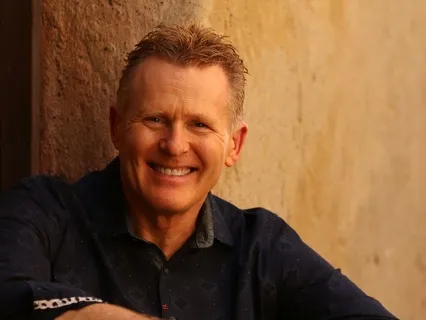
Welcome to the Happiness Podcast.
I'm Dr.
Robert Puff.
There's a lot of ways we can struggle in life,
But one of the big ones is physical pain.
And I'm sure many of us wish we didn't have these sensations of physical pain because then wouldn't life be so much better?
But have you ever personally known anyone who's in a wheelchair because they can't walk?
Because they may have been in an accident or something happened where they became a paraplegic and now they can't feel their legs or move them at all?
Well,
If you ever have known someone in this situation,
What you'll learn is they have to be especially careful for injuries because they can't feel injuries,
They can't feel pain.
And injuries when not attended to get worse and can cause a lot of havoc on the body and can even kill a person.
So a person who is paraplegic has to regularly look for sores,
For injuries,
Or signs of something's wrong on their bodies because their body isn't telling them there's anything wrong through pain.
So though of course physical pain is something that is very unpleasant that many of us have to deal with,
Some of us on a daily basis,
It can have a purpose and it ultimately does have a purpose in the sense of telling us something is wrong,
Something needs to be addressed,
Something needs to be healed.
So when we have physical pain,
There's things that we can do to address that pain.
We can ignore it,
We can try to numb it,
We can delve into the pain and just let it get worse and just feel like our lives are miserable.
Or we can try to do things to help alleviate the pain and sometimes,
Often we can do things to even make it better.
Throughout my life,
I've always been a very physically active person.
I just like doing things.
I like going to the gym and lifting weights,
I like swimming,
I like hiking,
I like going for walks,
I like keeping my body active.
But as I've aged,
I've learned that my body does better in regards to physical pain when I do yoga.
I find that when I do yoga every day,
It keeps my body feeling pretty good.
So even when I travel and when I'm not home,
I bring a yoga mat with me on my trip so that I can do yoga either in the morning or at night or both.
Yoga keeps my body healthy and my body tells me it's not doing well through physical pain and I respond to that physical pain by doing yoga and I end up feeling a lot better.
But sometimes physical pain can be pretty intense.
A relative of mine woke up with excruciating pain in the middle of the night one time and of course he ended up going to the emergency room and he learned that his appendix had burst.
But because he was close to the hospital and he went there right away,
The doctors at the hospital were able to heal his burst appendix and he lived.
He was fine and everything was okay.
But if he hadn't gone to the hospital,
Because he didn't have the sensation of pain,
He would have died because we can't live with a burst appendix without medical treatment.
So pain,
Though it is something very challenging to live with,
It does in many cases have a purpose.
It's telling us something is wrong and in many ways it's asking us to do something to make it better.
Now of course there are things we can't do to make it better.
If we have terminal cancer,
There's nothing we can do except for being on a lot of painkillers so it's not so excruciatingly painful.
But in many cases pain is there as a sign of something is wrong,
We need help,
Fix this please.
Sometimes when we ignore pain there are consequences.
So imagine if someone's in excruciating pain,
They don't know why and they just go and get some very strong painkillers and their pain goes away.
Yes it goes away,
But it's not fixing the problem and the problem could be life-threatening.
Imagine this,
We have a very bad cut on our arm and it's infected.
If we shoot novocaine into that cut and ignore it,
With time it will turn to gangrene and it will kill us.
But if we wash it out and cleanse it,
Because it's painful,
Then we'll feel better,
We'll heal,
And what will be left is a scar,
But we'll live and we'll be fine.
When it comes to psychological pain,
It really is the same scenario.
We have things that cause us distress and because of that distress we suffer emotionally.
But we have a tendency,
Unfortunately,
To be conditioned to ignore these wounds of the mind and tell ourselves,
Toughen up,
Just get over it.
But this needs to change because mental pain is not a sign of weakness,
It's a signal just as vital as the alarm bells of physical pain.
Our psychological struggles are our mind's desperate way of telling us that something is deeply wrong.
Just like we wouldn't ignore a bleeding wound,
We cannot ignore the cries of the wounded spirit.
Dismissing emotional pain can lead to severe consequences,
Worsening in our mental health,
Strained relationships,
Or even a tragic potential of self-harm.
When we recognize mental pain as an urgent call for help,
As it truly is,
We take the first steps towards healing and creating a healthier,
More resilient life.
So let's say,
For example,
We wake up and throughout the day we have this sense of foreboding,
Something's wrong,
We just feel stressed,
We feel worried,
We feel anxious throughout the day.
Now the things we do that aren't helpful are numbing that sensation,
Say,
Well,
I shouldn't feel this way,
What's wrong with me?
And instead of addressing the underlying issues,
We might come home and have a bottle of wine or two as a way to numb that pain.
Instead,
These anxious feelings are telling us that something is amiss,
Something has gone awry,
And we need to address what the issues are.
Perhaps we're at a job that we really don't like,
And we realize that it may be time to make some choices.
Perhaps we're in a relationship that is causing us distress.
Perhaps our lives didn't turn out the way we wanted them to,
And this anxiety that we feel now is a consequence of that.
But by acknowledging the anxiety instead of numbing it,
Then we can take steps to heal and rectify the current situation so that our lives do improve.
Pain is there to tell us something is amiss,
And we need to make changes.
Whether it be physical or mental,
Pain is telling us,
Please take care of this,
Please fix this.
I know there are things,
Particularly with physical pain,
That we may not be able to fix,
And I know there are things that sometimes we need medical help to fix when it comes to psychological or emotional pain.
But in both situations,
I do feel that there are things we can do to contribute to make things better.
And I think too quickly we go to looking for either painkillers or psychological painkillers to address the things that we're struggling with.
For example,
A lot of people struggle with anxiety,
And they may go to their doctor and get a pill to deal with that anxiety.
Now,
Not everyone is going to agree with what I say next,
And I'm not trying to step on anyone's toes,
But I do think we should always try to do things,
Whether it's physical or emotional pain,
On our part to make it better.
Because again,
If we're in physical pain,
Are there things we could do to alleviate that pain?
Perhaps physical therapy,
Yoga,
Exercise,
Changing our eating habits.
But I believe the same is true when it comes to psychological pain.
It's healthy and good for us to explore ways that we can contribute to making our personal psychological struggles that we're having right now better.
Not numbing them,
Not just assuming we have a predisposition towards depression or anxiety,
But what can we do in our lives to make changes?
Because there's a lot of things out there that are very helpful when we struggle with psychological pain,
But pain is there to tell us that something is awry,
Something isn't working,
And then we look at what can we do to make it better.
And sometimes,
Yes,
The solution initially may be that going to a medical doctor,
They prescribe us something that helps us feel a little bit better,
So now we feel motivated to make changes by starting to go to the gym,
Taking care of ourselves psychologically,
Paying attention to our thoughts.
Again,
Doing things that make our lives better.
But what we have to be careful is sometimes when we get a little bit of medical help to feel better,
We're not motivated to make the change anymore.
In many ways,
It can be like shooting novocaine into an open cut.
The pain's gone,
But we haven't treated the open cut.
So that's why we don't want to too quickly numb the psychological pain because it's telling us something is wrong and we need to do things to make it better.
We are,
As I often talk about on this podcast,
Creatures of habit.
So if we're used to doing things a certain way,
Making changes can be in many ways upsetting.
Think of a person in regards to physical pain who just loves comfort foods,
Things like desserts or other rich foods that do taste good to the senses,
But in the long run may not be that good for us.
So our body starts saying,
You need to change this or you're going to have health problems.
And we feel that pain and we have to make changes in our lifestyle.
And now we start eating more of a plant-based organic diet and it's harder because we're not used to it.
We miss those rich foods,
But we realize this is what our body needs to get rid of that pain.
It's the same way psychologically.
Let's say we're at a job that we really don't like,
But we have to,
In quotes,
Support our family and do what we think is required to get by and survive.
And so we keep going to work in order to survive that psychologically damaging work.
We come home and perhaps again,
Do things to numb ourselves like watch hours of television or drink,
You know,
Five,
10 beers every night just so we don't feel the psychological pain inside of us.
But that pain keeps getting stronger and stronger.
And at some point we have to say,
Okay,
I really do need to make changes in my life.
I can't keep living this way.
And so that may have consequences.
We may have to get a smaller place.
We may have to buy a used car.
We may have to not eat out as much so that we can get a job that we like and that new job doesn't pay as much.
But because we make these changes,
We find that our hearts become happier and the psychological pain we are experiencing diminishes.
But this won't happen until we really start listening to both the physical and psychological pain inside of us.
We have to pay attention.
We have to say,
Okay,
What is going on here?
What's wrong?
And then often in most cases,
We need to make changes to alleviate that pain because instead of that pain being something bad,
That pain is telling us something's wrong.
Please fix this.
Pain doesn't have to be the enemy.
Pain in many ways can be our friend.
It's telling us,
Please make changes.
I want to feel better.
And if we make changes,
Even if they make us uncomfortable in the short run,
But if we make changes in the long run that make us better,
Then the pain really is our friend.
But again,
We have to listen.
We have to be very careful not to numb.
And when these things happen,
We stop,
We reflect,
We think about our lives and say,
What's going on here?
What things are going well in my life or what things perhaps aren't going well.
And that my mind or my body is telling me it's time to make changes.
And when we discover what they are,
We do what we can on our part to make it better.
And usually there's a lot we can do to make things better.
That's what this happiness podcast is all about,
How to make our lives better.
But it's not going to be better unless we make changes.
Because the events in our lives of the past have led us to this moment.
And our body's telling us something's wrong.
Something needs to change.
If we listen,
Really listen,
And then explore our options,
We can find ways to make our lives better.
And if you don't know what to do,
This is what this happiness podcast is all about.
It's very specific tools and skills that we can implement to make our lives better.
I do hope that all of us will begin to listen to the struggles we have inside and say,
This isn't my lot in life.
This is something that I can change and I can make better.
And I will keep making better throughout my life.
And when new things arise,
I will make them better too.
We truly can have good lives,
Beautiful lives.
It does take work.
It does take effort,
But it is possible.
Thank you for joining me on the happiness podcast.
Until next time,
Accept what is,
Love what is.