So why don't we go ahead and just begin to settle in,
Settling into our new moment together.
This moment that we've never had before,
We'll never have again.
And listening to what the body needs right now.
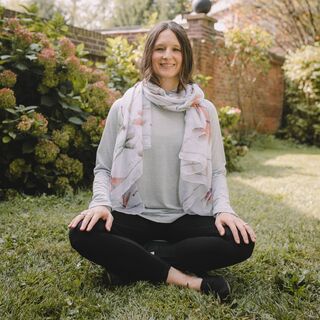
So if we want to sit,
That is an acceptable posture and if we want to lie down,
That is also okay.
So we're just going to listen really curiously to what our bodies need right now.
Lying down,
Sitting up,
Whatever feels comfortable.
Sometimes it helps to just move the body a little bit if that is available to you in this moment.
Rolling the shoulders,
Opening the jaw,
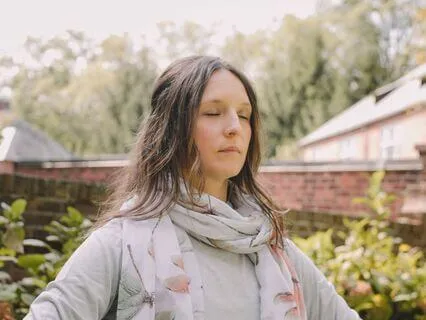
Moving just a little bit as we begin to settle into stillness and closing the eyes if that feels comfortable,
Otherwise just softening the gaze and looking a few feet in front of you.
We might invite a few slow cleansing breaths.
So with our next inhale,
We breathe in through the nose and we exhale through the mouth.
We might explore elongating the exhale ever so slightly,
So we're exhaling longer than we are inhaling.
And if it feels comfortable,
We can exhale with an audible sigh,
Just allowing the sigh to let go.
It's allowing us to let go.
Anything that we're holding,
Any tension,
Breathe in,
Allowing the breath to return to its natural rhythm.
Bringing this quality of mindfulness to the forefront of our awareness,
Remembering that mindfulness is intentionally present and letting go of judgment to the extent that we're able.
So with this next breath,
Can we bring mindful attention,
Feeling the inhale,
Feeling the exhale,
One breath at a time,
That's all we have to do.
Nothing to fix or change,
Just connecting with the breath.
And as we connect with the breath,
We can connect with presence.
And as we move into our practice,
We can open to these words from Jack Kornfield,
If your compassion does not include yourself,
It's incomplete.
So today,
We're going to offer ourselves compassion,
The symptoms that we live with on a daily basis can be exhausting sometimes.
Can we open with compassion,
Kindness,
Maybe even curiosity.
So before we open to any of the symptoms in the body that are unpleasant,
I offer the invitation to scan the body and see if there's any area that's pleasant or even neutral.
Scanning the body from the feet,
The legs,
The torso,
Is there any part of the body in this moment that feels okay?
And it might be a finger.
Sometimes we have to look deeply to feel this.
Maybe it's the tip of the nose,
Or maybe there is a larger part of the body that feels okay.
Noticing what that feels like,
Bringing this kindness and curiosity,
What does it feel like to have a part of the body that feels okay?
What are the sensations?
And this is going to be our anchor for the practice.
So if at any point while we're exploring unpleasantness in the body,
We feel overwhelmed,
We can come back to this place in the body that feels okay in this moment.
Even if it's not pleasant,
It's okay enough.
So we'll begin to shift our attention to any mild symptoms in the body.
Noticing where our attention wants to rest,
Is there a part of the body that's calling for us right now,
Just asking us to listen,
To be present with it?
We might just recognize what this feeling is in the body,
This symptom.
And sometimes it's helpful to bring curiosity to the edges of the experience,
So we don't have to dive right into the unpleasantness.
We might explore the edges of the symptom.
If we're feeling pain in a particular area of the body,
Can we notice the area around that doesn't feel quite as intense,
And then very slowly and gently move our attention towards the pain?
Maybe just saying,
Yes,
This belongs right now,
I allow this to be here.
I may not like it,
It may not be pleasant,
But I can be with it in this moment.
With kind curiosity,
Exploring more deeply,
What is this experience really like?
And if this symptom could speak,
What would it ask for?
What does it need?
How can we nurture this experience in this moment?
We can get creative here.
Sometimes this part of the body is calling for a kind gesture,
So placing a hand over this part of the body or offering a well-wish,
May I be free of this suffering or may I hold this suffering with kindness and compassion?
Offering the compassion and nurturing that this suffering needs,
Remembering if at any moment things feel overwhelming,
We can return to our anchor,
A part of our body that feels comfortable,
That feels okay,
And then we very gently return,
Becoming curious,
What is this suffering actually like?
What does it need?
And imagining that we can allow this symptom to rest in this space of compassion as we gently shift our attention to another part of the body that's suffering.
Just recognize that this is suffering,
This symptom,
This experience,
We can validate it,
This is difficult,
And allowing it to be just for a moment without having to fix or change it,
And if possible,
Letting go of any stories that we might have around this experience,
If there's any self-blame or criticism or judgment,
Can we set that down for a few moments?
And bringing this kind curiosity to this symptom in the body,
Again,
Starting from the edges,
Gently moving in,
What is it really like?
Can I be with this?
And if this symptom could speak,
What would it ask for?
What does it need to feel nurtured,
To feel cared for?
Noticing what comes up,
Imagining that you could actually offer this symptom the relief and the nurturing that it's asking for.
Again,
It might be through a gesture,
An affirmation,
It might just be through a cleansing breath,
We breathe in,
We breathe out,
Imagine that we can let go a little bit in this space of suffering.
May I hold this suffering with kindness and compassion,
Almost as if we're a best friend to this suffering,
How can we hold it,
How can we care for it,
And allowing this symptom to just rest in this loving presence,
This compassion,
This care.
We might take a moment to return to the part of our body that feels okay in this moment,
Just anchoring back into presence,
We're okay in this moment.
I'm taking in these words from Jack Kornfield,
When we let go of our battles and open our heart to things as they are,
Then we come to rest in the present moment.
This is the beginning and the end of spiritual practice,
Only in this moment can we discover that which is timeless,
Only here can we find the love that we seek,
Love in the past is simply memory,
And love in the future is fantasy,
Only in the reality of the present can we love,
Can we awaken,
Can we find peace and understanding and connection with ourselves and the world.
So with this loving presence,
We might open one more time to any part of the body that's calling our attention,
That's suffering in some way,
And recognizing it,
This is suffering in the body,
This is difficult,
We might even label it,
This is pain,
This is a headache,
This is tingling,
Allowing it to be just as it is,
Maybe even offering a gentle yes,
This belongs,
It's okay that we don't like it,
But can we be with it,
Can we bring this curious investigation to the experience,
What's it really like in the body,
What are the edges of this symptom or this suffering feel like,
What does it feel like as we move more towards the center of the pain or the discomfort,
Are we holding any stories in our mind around this experience,
Just simply noticing without judgment,
Without having to fix or change anything,
And we can ask this part of the body,
What is it that you really need,
How can I support you,
And notice what arises,
And imagining that you can offer this care,
Whatever is needed,
We can use the mind in creative ways,
We can offer a kind gesture,
Sometimes imagining spiritual figures or loving support,
There are infinite resources available to us,
Can we offer the care that's needed,
And we might invite this care and compassion to gently expand,
Expand to include the entire body,
Every experience and body,
Mind,
Spirit,
It's being held in this compassionate space,
Loving presence,
Understanding,
Sincerely wishes that we are free of suffering,
We might imagine that this compassion and loving kindness expands even beyond our own bodies,
To every person in the group here today,
The shared loving presence,
This compassion and loving kindness are infinite,
We might allow it to include all beings suffering in this way,
We might offer ourselves and each other these well wishes,
May we be free of suffering and the root of suffering,
May we be held in the great heart of compassion,
May we touch great and natural peace,
May we be free of suffering and the root of suffering,
May we be held in the great heart of compassion,
May we touch great and natural peace,
We might take a couple of minutes here just to rest in this space of loving presence and compassion,
May this practice support and nurture you on your healing path,
We might take a couple of slow cleansing breaths here as we close the practice,
Once again taking in these words from Jack Kornfield,
If your compassion does not include yourself,
It is incomplete,
Whenever you're ready,
You can open your eyes,
If your eyes were closed,
Just taking your time and if you'd like to stay in a space of meditation,
Please do so for as long as you need.