How can you get more flexible with your perfectionism?
And how can you use your productivity in ways that are more guided by your values?
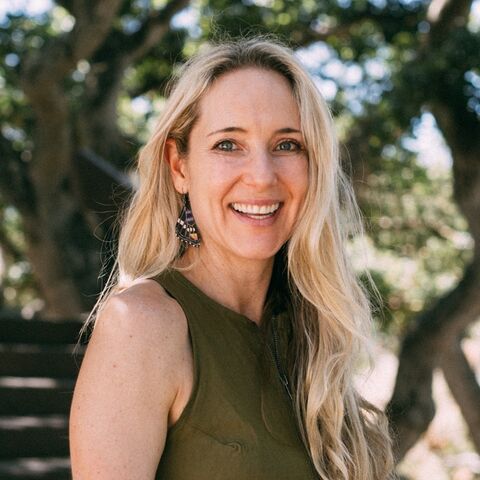
That's what we're going to explore today with Dr.
Rhonda Merwin on Your Life in Process.
So Dr.
Rhonda Merwin is another one of those academics that I have had an academic crush on for quite a while.
She is the associate professor in the Department of Psychiatry and Behavioral Sciences at Duke University and she conducts research on the mechanisms and treatment of eating disorders and specifically in the context of type 1 diabetes.
Her research is funded by the NIH,
Among a number of other sources,
And she is a peer-reviewed ACT trainer,
The director of ACT at Duke Clinical and Training Program,
And she is the incoming president of the Association for Contextual Behavioral Sciences,
Or ACBS,
And the co-author of ACT for Anorexia.
She's also incredibly approachable and facile in the arena of taking problems and breaking them down into a functional analytic perspective.
The topic that we're exploring is perfectionism and productivity and how perfectionism and productivity can both serve as avoidance strategies and or attachment strategies and how you can use this skill of functional analysis to understand their function,
Why they developed,
And how you can intervene in more skillful ways.
Throughout this conversation,
Rhonda does little mini interventions with me and then we do a longer one towards the end where we do a functional analysis of me getting rigid around the messiness of my house.
So stay tuned for that because it's a really good example of how you can take a problem and then broaden your behavioral repertoire in response to it.
I'll give you the steps to functional analysis after we're done.
And just like listening to some of the real play that Richard Swartz did with me,
When you listen to Rhonda do a functional analysis with me,
You can see just the wheels turning in her brain at how skillful she is as a therapist.
So enjoy that and I'll see you on the other side.
Hi folks.
As you listen to this episode,
It's likely very close to the date of the ACBS World Conference held in Cyprus this year.
I'm not going to be there in person,
But I have two presentations that I hope that you will attend.
One that is very related to today's episode about productivity,
Doing more,
But never feeling like you're doing enough and how to use wise effort.
And the other is on infertility and pregnancy loss.
And if you're at the ACBS conference or you're watching it online,
Congratulations to Rhonda Merwin,
Who's now the president.
She is our president of our association and what an honor to have her on the show,
Especially during this very busy time of her life where she's taking on this big project,
Which will influence the future of contextual behavioral psychology.
I also want to let you know that I will be back in August and doing a one hour workshop with Joseph Sirocci on process-based CBT.
And then I'll also be doing a six hour training for professionals on ACT for eating concerns and body image.
And that is through PESCI as well.
It's going to be both on demand and live.
So I hope to see you there.
Meanwhile,
I'm off to Plum Village.
I'm going to go on retreat with my family and hopefully my time away,
I will be gaining even more resources to bring back to you.
Everybody needs a rest.
Everybody needs a recharge.
And it's part of wise effort,
Retreating,
Going inside,
Taking a break,
And then coming back at it with fresh eyes and renewed energy.
So I'll see you back here in August.
Okay,
Rhonda Merwin,
I'm going to throw you under the bus before we even get started.
Because we were talking about,
We wanted to talk about perfectionism.
And the last thing you said is,
And Diana,
If this is really bad,
Do I have permission to do it over?
I didn't get it recorded,
But I just want to repeat it here that even those folks that are studying,
Researching perfectionism,
Experts in perfectionism struggle with perfectionism themselves sometimes.
And I can relate to that as well.
My perfectionist actually came out and preparing for this interview with you.
Do you want to say how,
Diana?
Well,
In two ways.
One is I'm more flexible with it.
So the way in which I was more flexible with it was just trusting that I've talked to you before.
And last time I was way overprepared and I didn't actually reference a whole lot of my notes.
And it just went really well because you're so easy to talk to and you're so engaging.
And I can just let you take some of the reins of this.
So part of it was my perfectionist showed up saying,
I need to prepare more.
I need to go back and read Act for Anorexia for the 25th time and look at my notes and my highlights.
I was like,
I don't need to do that.
So I declined that.
But then another part of me did want to be,
So the perfectionist did want me to prepare a little bit.
So I listened to our old interview on my run this morning.
And it was so good that I was feeling like I wasn't going to do as good enough a job.
And how could we make it that good again?
So that's the perfectionist too.
I got to beat my last performance.
I always have to be better than I was last time.
You know,
This sort of rings in my ear.
This is old programming.
But good,
Better,
Best,
Never let it rest.
Your good is better,
And your better is the best.
Have you ever heard that?
No,
But that sounds like horrific programming to have.
Where did you get that programming from?
From Western society.
I actually don't know.
I actually can't point to the origin of it at all,
But it can sort of ring in my ear.
You know,
And I can sort of,
You know,
I can appreciate how if that shows up for you,
Shows up for you strongly,
How that can sort of just pull,
Right?
Good,
Better,
Best,
Never let it rest,
Right?
Even when rest is the thing to do,
Right?
Never let it rest.
Your good is better,
And your better is the best.
You know,
I think one of the things that's hard about perfectionism is that it has,
Like,
Super highly reinforced,
Right?
All over the place.
We get lots of accolades for,
You know,
Achievement.
But achievement isn't,
Like,
A bad,
Bad thing,
Right,
In and of itself,
Right?
This is not a bad,
And it's not a bad,
Bad thing.
I'll use scare quotes with that,
Right?
All that evaluative language,
Right?
It's not a bad thing,
You know,
To want to do well and to look at,
Like,
Okay,
This is where,
You know,
This is where I was before.
How can I grow,
Right?
But that sort of growth mindset is a little bit different than,
You know,
Perfectionism usually has a little bit of a dark edge,
Right?
Like fear of failure,
Fear of making mistakes,
Fear of looking bad,
And sort of giving up,
Like when it moves into that dark space,
Sort of giving up,
You know,
Our own needs or what would be sort of best,
You know,
And not even tracking,
Like,
Where are the diminishing returns here,
Right?
Where am I,
Like,
You know,
Giving more to this without there actually being a benefit to myself or to other people or to the performance or to anything,
Right?
Sort of the inability to even kind of track that.
So there's all these sort of dark edges that kind of get in there,
And I think one of the challenges is how do we sort of pull that apart where,
Like,
Okay,
This is sort of,
This is more adaptive,
Striving,
Growth-edge kind of stuff versus,
Okay,
Now it's moving into the space where,
You know,
It's more about perfectionistic persistence at the expense of all other things and not really about,
You know,
And failure,
Right?
The other piece is the fear of failure or of making mistakes and things like that,
And that's sort of driving that,
You know,
Running to the finish line as fast as you can and running faster than you ran last time.
The way that I've kind of harnessed my own perfectionism over the years has been trying to maybe striving to be a flexible perfectionist,
Not throwing out the baby with the bathwater because I like her.
I mean,
She's,
The perfectionist is useful in a lot of ways.
I'm actually glad I listened to the interview with you this morning,
And I'm glad that there was a twinge of perfectionism in there because it will help me with our conversation today,
And I'm the chooser of how I apply it and when I apply it,
And that's different than it choosing for me or maybe my fear choosing for me,
And that's very much part of ACT,
What do you have choice around,
Which dials can you move,
And which dials you don't have a lot of choice around and you could develop a little bit more willingness around.
But you've worked with perfectionists,
Like this is your specialty because you work with anorexics who are like the case example of a perfectionism gone wrong or striving gone awry,
And then how to kind of unwind from that and get to a place where you're not giving up everything,
Because the swing is just to be like a loose cannon and either swing from perfectionism to procrastination,
Right,
And that there's somewhere in the middle there where we can harness it,
We can use it,
Where we're dialing it up or dialing it back.
Well,
And notice how that swing that you just pointed to,
Right,
One,
That's always the fear of the individual with anorexia nervosa is that they will swing,
Right,
And some of them,
You know,
Will have that sort of pendulum happen and others won't,
Right,
That's just sort of a fear that shows up for them,
Like,
Oh,
If I don't,
You know,
Count everything to the nth degree,
Right,
If I let go of this,
You know,
This tight control over this,
Then I'm just going to be like sitting,
You know,
On my tushy bonbons all day,
Right,
Like there's this sort of imagined thing that I'm either this or I'm that and there's kind of no space in between.
But the other thing that I was going to point to really in that is how functionally those are the same behavior,
Right,
I'm afraid of failure,
Making mistakes,
So I've got a couple of different things I can do,
Right,
I can work super,
Super hard,
Right,
Be perfectionistic,
Try to like,
You know,
And run as fast as I can to some sort of,
You know,
And as hard as I can with as much intensity as I can,
Right,
Or I'm just going to let it go,
I'm not even going to do it,
Right,
I'm just going to like put it off and I'm not going to do it.
And that both of those are sort of driven by fear,
It's just like,
What typography does it take in a,
You know,
In sort of a different,
You know,
Moment,
Of course,
The way out is for both of those,
Right,
Is to make some space for,
You know,
For making mistakes or for,
You know,
The possibility of failure or whatever it is that's sort of driving those two rigid,
Although opposite responses,
Right.
Right.
So you mentioned the function of the behavior and that relates to functional analysis and some of your roots and working with Kelly Wilson and behaviorism and,
And let's break that down.
If someone,
If someone is struggling with perfectionism,
Maybe the one of the first steps is to look at the function of the behavior,
The function of the functional analysis,
How could they do that for themselves?
And I also want to add in,
This audience has been a little bit exposed to network modeling and the biopsychosocial approach.
So we need to look at perfectionism within this greater context,
Right?
So a functional analysis also can include lots of different variables,
Not just psychological,
But also sociocultural and biological and all of that.
So if someone's interested in taking a look at their,
Like getting a microscope out and looking at their perfectionism because they're perfectionists,
How would they do that?
I love,
I love how you're pointing to,
I,
You know,
Thinking about that at the multi,
You're sort of talking about multi-level,
Right?
Sociocultural,
Right?
Which was with my good,
Better,
Best,
Never let it rest,
Right?
That's something that came from some,
You know,
Broader,
Socially,
You know,
Sociocultural,
You know,
And whatever,
Sort of,
You know,
Some other community,
Right?
Some broader community.
I can't even like locate it in my real proximal,
You know,
Sort of when you kind of go in circles there.
All the way down to the,
You know,
The sort of the intra-individual stuff.
I love that.
I love that multi-level sort of thinking there.
But the other thing that I was going to just mention is just the,
You know,
In thinking about a functional assessment,
I'm thinking about historical context and I'm thinking about situational context,
Right?
So if we were going to,
For example,
Go back in your history and sort of find the seeds of this,
Right?
Where this sort of first shows up and looking and using that as a place to sort of look around,
You know,
Like what was going on in your life around that time,
Right?
And you can think about it at those multi-level sort of influences,
Right?
But what was going on inside of you and your,
You know,
Peer group and your family and your whatever,
Your,
We can sort of keep going out,
Right?
To the bigger and bigger circles.
What was going on at that time and how did perfectionism help,
Right?
How did it sort of come in as a solution to whatever was sort of kind of happening?
That's one way to kind of,
To sort of think about doing a functional assessment of perfectionism,
Right?
And then tracing it forward and sort of noticing like,
Where does it show up in my daily life?
And in the moments where it's showing up in my daily life,
If I was to like look around sort of,
You know,
In my more,
You know,
Like yesterday or last week or whatever,
Right?
What was happening that sort of,
You know,
Pulled up perfectionism,
Right?
What was,
What was showing up for me or perfectionism then kind of comes in as,
You know,
As a solution or as a behavior that gets cued,
Right?
It gets cued in a context.
What does that context look like?
So if you were to go back to the early seeds,
Like,
Can you find it?
Can you sort of find where perfectionism first shows up with this idea of being perfect or working harder?
Yeah.
Yeah.
I think a lot of it was,
Was reinforced.
So I think of it as like,
You know,
Those early moments of,
Was I using it to avoid feelings or was it I using it to get more good feelings?
Yeah.
Either one,
Right?
Or was I reinforcing,
Right?
And,
And for me,
It was just so highly reinforced.
I've talked about,
I don't know if I shared it on this podcast,
Where I have a slight head tilt to the left.
If you see me and when I'm talking,
I'm always slightly tilted left.
And it's,
And if you look at pictures of me when I was a little girl,
I have a slight head tilt to the left with a smile.
And I am so certain that that was,
That was behaviorally reinforced.
Like anytime I tilted my head and smiled,
I probably got more of something or I got a good girl or I got a,
So I definitely grew up in an environment that rewarded perfectionistic behavior.
I went to schools that rewarded perfectionistic behavior.
I was the good girl.
I was the teacher's pet.
I was all those things.
And it felt really good to,
To,
To do that.
So you're pointing to like what it gave you,
Right?
Which is a big thing.
And if we just like pinged back to anorexia for,
For a moment,
Right.
That's one of the things that makes anorexia pretty unique and that,
You know,
They're channeling their perfectionism to eating and to wake,
You know,
Weight and those kinds of things along with lots of other sort of perfectionistic striving that's usually happening.
And part of,
Part of what is so whatever compelling about it is that there is a sense of mastery and pride and all these sort of,
They,
They get a lot of things,
Right.
In terms of how,
Feel good things at least initially until,
Until people start to get worried and,
And,
And those kinds of things.
But,
And even then they're still carrying their internal experience of mastery and pride,
Even as other people are sort of giving them other feedback.
But,
But that's what makes it kind of unique in terms of,
You know,
That relative to sort of other mental health kinds of struggles,
Right.
Like people don't,
Like some of the social phobia,
For example,
That runs out of the room doesn't necessarily feel like,
Oh,
I feel really good about myself.
I'm really glad I did that,
Right.
But somebody that pushes away the plate and restrains all day is going to feel like they've sort of done something,
Right.
So just kind of,
That just was an opportunity to sort of point to that,
Point to that piece and how that positive reinforcement is just,
You know,
It's not just about removing negative things.
It's also about giving sort of the positive.
But,
But I often ask people like,
What would happen if you didn't do that though?
Like maybe you were only getting the,
Like maybe you're only aware of the positive reinforcements that were positive sort of things that you were getting that was reinforcing the behavior.
But what if you didn't do those things,
Right?
That would be uncomfortable,
Right?
That's where that would show up.
That's where it's uncomfortable.
And that's where,
Even as you were talking,
I was starting to think about,
Well,
Yeah,
There was also this other component where I could hang my hat on my accomplishments.
And that was an easy escape from some of the other stuff that was going on in terms of feeling uncertain about who I was or,
You know,
Just,
Gosh,
Just being a developing teenager in the world and feeling not part of,
And I had a hard time with friendships or making friends.
I always felt younger.
So it was like,
It was like an easy,
But,
You know,
I kind of feel younger and kind of like I don't fit in,
But the teacher loves me,
Right?
So I can remember.
And I got an A on that test.
And then the,
The,
The using the perfectionism,
Workaholism,
All of that to continue to avoid those feelings of uncertainty and other chaotic things that were happening in my early childhood and experiences that I won't disclose on a podcast,
But there was other stuff going on too,
That the,
The perfectionism and,
And I was also anorexic,
So hand in hand,
But they went and they kind of like were the anchor,
Right?
The anchor and the uncertainty.
And I could see that that's the negative reinforcement in some way,
Like getting out of these rough waters and finding a landing space.
Like,
At least I can control this,
Right?
Right.
And,
And what a gift it feels like,
Right?
When you sort of find something like that,
Right?
It's like getting a life preserver or something like this is something I can,
You know,
Kind of hang on to.
Yeah.
Torrential waters of adolescence.
Yeah.
Just being human.
Everyone has torrential waters of their early childhood,
Right?
And we all find our,
You know,
What we grab onto.
So for folks that are wanting to,
To start with the functional analysis,
It's looking at your history and saying,
Okay,
What,
How,
How does this serve me?
Yeah,
Exactly.
How did this serve me?
Yeah.
What purpose did it serve?
Where did I first show up?
And,
And what was,
Yeah,
How did it,
How did it help?
Right?
Because it was a,
It was a helpful in some way,
Or otherwise it wouldn't have persisted.
Right.
Okay.
Table turn.
Rhonda,
How about you?
Not that you're a perfectionist,
But.
Well,
But see,
This is the thing,
Diana,
Is that I would actually say,
Like,
If somebody was to ask me.
Yeah.
I would say,
I don't feel like I am a perfectionist.
I would really say.
You shouldn't have seen that look you gave me.
Yeah.
I,
I do,
I,
I do,
You know,
So this is what rings in my,
So I said the good,
Better,
Best thing rings in my ear,
But that rings in my ear at the sort of broad level doesn't feel super personal.
The thing that does feel super personal,
That is,
That I can,
That I can sort of find it in,
In my,
In my history,
If I was to go back to childhood,
Is my mom saying,
Do something constructive.
Right?
So this was like,
You need to do something constructive,
Right?
So we're laying in front of the TV.
I grew up in a family with lots of kids,
You know,
And we're like,
You know,
In front of the TV,
You know,
Watching,
I don't know,
Some,
You know,
Soap operas and crazy stuff.
And,
And like after,
I'm thinking about after school and I'm thinking about my mom kind of walking through this space and not ill intended at all,
Right?
Just like do something constructive.
Let's do something constructive.
Right.
But it,
But that does ring in my ear,
Right?
I'm sitting down,
I'm relaxing on a Saturday afternoon and I'll think I should do something constructive.
So it doesn't feel like to me,
It doesn't feel like perfect.
Right.
And it's got to be just right or something,
But it needs,
But I need to be working.
I need to be working on something.
Right.
Because if I'm not working on something,
Yeah.
You don't have the,
Maybe it's,
Maybe it's not perfectionism and mine has kind of evolved away from perfectionism too,
To a similar thing,
Which is productivity anxiety.
Yeah.
I would say that anxiety that arrives if I'm not doing something constructive,
Maybe you don't have anxiety,
But just the need to be productive,
To have a worth or to have value that it needs to,
Or needs to be a product produced.
And I think a lot of people really relate to that one increasingly.
So,
And it could be,
It feels like a step-sibling of perfectionism.
It has a similar function to it in terms of avoidance and control.
Yeah.
And to go back to your point about the,
The flexibility you were describing in your own,
Like,
You know,
When perfectionism shows up,
And however it shows up,
Like being able to be flexible,
It's the same thing with,
With the,
With the work sort of drive,
Right?
Can I in this moment check in and see,
You know,
Is this,
You know,
How,
How does this fit with what I need right now in terms of like my broader,
You know,
Physical,
Emotional state and,
You know,
My personal values,
Right?
Like if I,
If I responded to that urge to be productive every moment,
Would I spend all the time I spend with my daughter,
Or would I be like out going,
Oh no,
Dear,
I have to work on this paper first.
Right.
And so being able to sort of notice when that shows up,
When that,
When that,
Yeah,
When that,
When it,
When it gets cued and being able to sort of choose,
You know,
Based on,
Based on values and sort of a flexible way.
Right.
So functional analysis in the present,
I'm curious when that shows up for you,
The productivity,
Because when I think of Rhonda Merwin,
I think of one of the most productive people that I know.
You're coming in as president of the ACBS,
Right?
Of the board.
It's a true story.
You have chosen to work with probably the most difficult population to work with on the planet,
Which is high risk,
You know,
Anorexia,
The intractable,
Nobody can treat this.
You took this on as a research project and you're writing books and you're seeing,
I don't know if you're still seeing patients or not,
But I've referred some to you or heard,
You know,
And then you're a parent,
Right?
So you,
You have,
There's obviously a degree of productivity that drives you.
How do you,
How do you navigate that?
And does it,
Does your mother's voice do something constructive still,
You know,
Show up in your life?
What do you do when it does?
Yeah.
Yeah.
I mean,
I,
I think I,
Oh gosh,
Well,
You know,
It's,
I don't claim to have this kind of all figured out.
I'll say that first.
But,
You know,
I think what,
I think I have,
I'm just,
I'm,
I'm sort of thinking about several different things,
But I mean,
The thing that I'll sort of say,
Say out loud in this moment,
I suppose,
Is that I,
I,
I sort of constrain things is how,
Is how I do it.
So,
So for example,
Before I had a daughter,
Um,
You know,
I might be on campus still seven or eight.
Yeah.
So it was cutting,
You know,
I was,
You know,
Uh,
Had a spouse at the time,
Was cutting into that time.
Um,
You know,
So,
You know,
So that's something to be sort of thinking,
Thinking about,
I suppose,
But I would never do that now.
Right.
I would never stay to that hour now.
Right.
It's like,
Um,
You know,
If I'm,
I'm out the door five o'clock,
You know,
My daughter's,
You know,
She's been at school,
She's been in an aftercare kind of long enough and,
And now it's time for us to,
To have time together.
And so,
And then when I think about it,
So I constrain it,
I sort of have,
And it is a little bit of a rule.
I was going to say that.
A little bit.
It's a flex.
Yeah.
Yeah.
But it's,
But it's a flex,
I would call it a flexible value guided rule.
So if,
For example,
I had a grand,
Grand deadline,
Some,
Some sort of,
Um,
You know,
A thing that I couldn't manage in some other way and it just had to be done,
I would do that.
Uh,
But generally it is my guideline.
It's like,
Nope,
It's,
It's,
It's mama time now.
This is a shift in,
You know,
I'm shifting into this other,
You know,
This other part of my life.
And this is what I'm doing.
Yeah.
I'm going to pause on constraints.
I want to hear your second one,
But I actually think constraints can be very helpful.
If you think about any kind of problem that people are struggling with,
Maybe they struggle with,
Um,
They want to be a moderate drinker.
They may not keep certain alcohol in their home.
That's a container that they put around themselves for me early on with,
Um,
Exercise addiction.
I put a limit on the number,
Like the amount of time you cannot exercise for more than this amount of time in one day.
And it was a rule trying to solve the problem of rules,
But it was actually something was healthy because I needed it in place.
Cause like I wasn't there yet.
Ideally it would be,
It gets to like four 45 and you start noticing,
Oh,
My body kind of hurts.
My mind is kind of done my,
I'm attuning to this,
This,
This being that kind of wants to see my family and play and be outside and see sunlight.
I'm going to end it now.
And,
And that would be not a rule.
That would be more of an attunement guided decision,
But sometimes rules,
Sometimes we need containers around certain things that are,
Especially the ones that we have a little problem with.
Yeah.
Well,
And you know,
And,
And sometimes,
Right,
There's an equal pull,
Right?
Like I actually get a lot of like,
Like joy and vitality and stuff from engaging in,
In my work.
Like it feels like I love to write on things like this is a,
You know,
If I tell,
I have friends that are like,
Really?
But if,
You know,
This is my idea of a great Saturday morning is everybody's sleeping in and I get my computer out and I get some coffee and I sit out on the porch and now I can feel the breeze,
You know,
And,
And I'm sipping coffee and I'm writing and this sounds delightful to me.
And,
You know,
And is it equally delightful when my daughter gets up and we start making breakfast together?
Absolutely.
It's just different.
Right.
And,
And so the you know,
Sometimes in order to make enough space for everything,
Having those,
Those guidelines or those containers,
As you describe them,
Help sort of like,
You know,
If you're making like a conscious decision about how you want to spend your,
Your time,
Or as one of my colleagues say,
How do you want to spend your heartbeats,
Right?
You maybe want to spend some in this,
But maybe you want to spend some in this too.
And so,
You know,
How do you,
How do you do that?
I love that you use the Saturday morning example,
Because that's actually,
It's an example that Cal Newport,
I've heard him use before as a,
A test of intrinsic motivation.
If you look for,
If you would look forward to doing it on a Saturday morning,
Then it's intrinsically motivated.
So clearly your work is intrinsically motivated,
Which is different than a should motivation or I'm being productive.
Right.
Right.
That's true.
That's true.
Yeah.
Okay.
You were saying another thing before I intervene the container.
Sorry.
Yeah.
Oh,
No,
It was,
I think it was another container though.
I think I was going to say the Saturday morning,
But I would,
But what I was going to say about that is that,
You know,
When I'm thinking about,
For example,
Writing on the weekend,
I'm going to do that in the morning hours when my,
You know,
When my family's not up and things like that.
So I think I was just still saying,
I mean,
It was just another example of how I might situate it in a way and I'm not creating a limit.
Like as soon as I get up,
I'm stopping or something like that,
But I am situating it like the morning is a great time for that reason too,
Because people aren't up.
And,
You know,
So I'm being sort of thoughtful about how I'm kind of carving,
Carving that time out,
I suppose.
Yeah.
So perfectionists could do the same thing when we were kind of,
We're,
We're homing in on a,
Um,
A skill,
A container skill.
Perfectionists could do the same thing where maybe they contain the perfectionist to certain,
You know,
Sort of timeframes or settings or,
Or put some,
You know,
Limits around it so that they can use it in a way that's effective for them without it,
Um,
You know,
Taking control of their whole life.
Right.
And we think about like worry time that we do with prescribed alert,
Worry time,
You could have like a prescribed perfectionism.
You have to clean your house,
But you have to limit it to an hour.
That's right.
Yeah.
You can get done in the hour.
You got it.
That's right.
Yeah.
And I,
You know,
I,
We've had some conversations within,
Uh,
You know,
Within,
Uh,
Some circles about this with,
With regards to,
To,
To go back to anorexia,
Um,
Nervosa in this,
In this area,
Right.
Of like,
Gosh,
Is it okay that we're sort of,
You know,
Sometimes over the course of treatment,
We're sort of exchanging rules kind of,
Right.
But,
But there,
But it's,
But it's different.
It's these sort of containment things that are more flexible guidelines that create a space to then start to pay attention,
Uh,
To,
You know what I mean?
Like,
Like,
Even though it,
Um,
It,
It has some of the topography of a rule,
It isn't functioning with the same sort of rigidity.
It isn't coming just out of fear.
It isn't like,
Do you know what I mean?
It's like an active choice to contain something and to start to pay attention to what else might show up if you had space for it because you were,
You know,
You weren't letting this just bleed and be the driver of everything.
Well,
It's,
It's what you've written about in terms of attuned parent,
Which is such a good piece of work that you did where an attuned parent has limits and an attuned parent is warm.
And so if those,
If those guidelines are,
It's time to go home at five now,
Or,
You know,
Diana,
You've,
You've run,
You've run enough for today.
You need to stop now or whatever it is.
You've prepared enough.
You listened to her interview.
You don't need to go back and read the book.
That's,
That's like the parent saying it's time to go to bed or the parent saying it's five o'clock.
We're not going to have a snack,
Honey.
We're going to eat dinner in half an hour.
And sometimes the parent needs to step in and set some of those warm limits,
Healthy limits.
And we,
We can learn how to do that for our perfectionist self or our productive selves.
Well,
Yeah.
And,
And the,
You know,
If you think about that,
Part of that warm responsiveness too,
Is like saying,
Oh,
You,
You know,
You look tired or you look sad or you feel,
You know,
Like to asking the questions that get us to sort of check in and see what do we need in that,
In that moment too,
Right?
That's part of that sort of attunement element as,
As well as being attuned to our own sort of emotional states or almost physical and emotional states and what we need,
You know,
And if we just go on,
You know,
Work hard and productivity or perfectionism rule or things like that,
Right?
We're not paying attention to the signals that are arising in us and what we need in different moments and responding to those things too.
Okay.
You start with a little functional analysis of,
We'll put,
We'll put these together.
We'll do perfectionism and productivity addicts,
Whatever you want to call it,
Whatever word you want to put on that.
People are doing,
You know,
Doing something constructive at all times.
So we have that,
How that originated for us.
And then it shows up,
Shows up in our lives at certain times.
And,
And there's actually some information there of like,
When it shows up and why it shows up in the functional analysis.
That's like what happened last week.
That's different than what happened 20 years ago.
Can you talk a little bit about that functional analysis?
But the application level is not so different,
Right?
Like if you're thinking about what happened 20 years ago,
You're,
You're still going to sort of those moments in time and kind of looking around,
Right?
To see what the relevant contextual variables are.
And so in this case,
You'd be doing the same thing,
Right?
So you know,
I'm moving through my life and I have the,
I have the thought like,
Oh,
I need to do something productive.
And I feel this sort of drive or this unease and slowing down to look around to see like,
Is there,
Is there something,
You know,
That has cued this up for me in this moment?
With,
With,
I mean,
It's kind of funny,
Right?
Because with productivity,
It's sometimes it's just sort of the lack of productivity.
Oh,
I've been relaxing.
And paired with relaxing is,
It seems kind of obvious when we say a lack of productivity,
But,
But therefore like a lack of,
Of worth,
Or am I doing enough?
Am I right?
Am I contributing?
Am I right?
Some unease that comes with that,
Right?
And then the drive to like get rid of,
To manage,
To do something.
Also for a lot of folks,
It's imagined competition.
And what I,
What I mean by that is it's like they're,
For a number of my clients,
I hear them like comparing themselves to and competing with some imagined avatar in their head of somebody that's getting ahead of them right now.
Oh,
Okay.
You know,
So for some people,
Their productivity is,
Is driven by fear of what if someone else gets ahead of me and I,
And if I'm not working until six o'clock,
Some,
You know,
Someone else is going to get that paper published before me.
So there is,
There's sometimes some of that going to,
So it could be that if I'm not doing anything,
I feel guilty for not being productive,
But there also could be folks I need to run 10 times faster so that I can keep up with some imaginary person that's ahead of me.
Yeah.
Well,
And in both cases,
It's,
It's just dis-ease or discomfort or anxiety,
Right?
It could actually be a million different things though,
Couldn't it?
Like if we really think about it,
Right?
If people sort of slow down and say,
What is this about for me?
This need to be productive or this need to be perfect.
Is it fear of rejection?
Is it fear of being left behind?
Is it fear of like looking bad?
Is it fear of like not having a sufficient worth or contribution to this world?
Is it,
You know,
It could be sort of a million different things.
It's so individual and kind of personal.
There'll be themes,
Right?
Probably,
You know,
Cause we're all humans and we have similar experiences,
Even if we're from very different places in the world and stuff,
There's some similarities,
But,
But the,
You know,
It's pretty individual.
But in,
And to go back to your,
To your,
To your question though,
About like the functional assessment in the moment,
Like that's what it'd be though,
Right?
It'd be slowing down to notice that this,
This,
This urge is showing up,
Right?
And to be able to notice what it's connected or cued by,
Right?
And it could be like you said,
This sort of thought pops in their head and gosh,
I'm,
You know,
I'm not,
You know,
I'm not keeping up,
You know,
The,
The evaluations just went out.
We got to do our annual reviews.
And what is,
What if,
You know,
Jane is five more publications than me or whatever,
Right?
It could be that,
It could be a,
But it could be kind of almost anything else too.
But like,
Yeah.
What are yours?
Do you have some that,
Cause I definitely have some that drive that,
That queue it up.
Yeah.
Yeah.
I mean,
For me,
It was actually really just the first one I said that was really sort of coming from more of my sort of self,
Whatever.
It's just that you know,
That you need to make a contribution to this world that that's,
That's like,
It's good to be,
It's good to work.
It's good to be,
To be constructive,
But therefore it's bad to be the other things,
Right?
To be lazy,
To you know,
Yeah,
Not contribute to dah,
Dah,
Dah,
Dah.
And it would be in that space of,
You know,
Am I,
Am I relaxing?
It's hard for me,
It's hard for me to tell sometimes,
Right?
So if I'm relaxing,
It'd be hard for me to know in a moment,
Should I stay here or should I get up and start cleaning the house?
Right?
And it's because cleaning the house is good and relaxing.
It lives a little too close to lazy.
Do you see what I mean?
But it's not always the,
It's not the,
So I might feel compelled like that.
And I have to ask myself,
Like,
You know,
Is this the time to be getting up and cleaning the house or writing a paper or doing whatever,
Right?
Or is this a time to sort of stay where I am?
I'm not sure if I'm answering your question,
But that's the best I can,
As far as I can describe my experience of it.
You know,
My,
My husband will say to me,
You need to just sit down.
Like he'll say that.
But I don't always want to sit down either,
Right?
Like that intrinsic thing is there too.
So it gets,
It's pretty hard to parse some of those things for people.
You know,
Like for,
For,
Is,
Is my perfectionism or is my working now value guided or is it driven by,
You know,
Avoidance control,
Some rules,
Some should,
Some ought.
I think it gets hard to parse.
Yeah.
So that's the,
That's the really good question because sometimes the same,
The same exact behavior can be values guided or could be driven by rules.
And on the outside,
It looks the same.
She's cleaning the house,
But the,
What the,
The motivation behind it is very different.
And,
And I would say for folks that struggle with restrictive eating,
Like,
Am I choosing,
Am I choosing the sort of meal that looks healthier because it actually makes me feel better to eat this way?
Or am I choosing it because it's a rule?
And that,
That definitely is like in the later parts of recovery where it gets kind of cloudy.
Like,
I don't know,
This used to be a rule of mine,
But I really do like whole wheat bread or whatever it is.
I can't tell.
And,
And,
And so attunement.
Yeah.
We're back to attunement.
Yeah.
Back to attunement.
How do we do that?
How do we develop attunement?
I mean,
I think it,
I think it starts with checking in like a lot,
Right?
Like that we need a lot of practice in terms of like checking in and not just being on autopilot,
Right?
Because if you just go on autopilot,
We're going to go with our past learning.
We're going to go with our,
You know,
Dominant responses,
You know,
Things like that.
We're just going to sort of just do,
But slowing down to just check in,
You know,
I'll tell people like,
Just take five breaths on purpose,
Just stop and take five breaths with full intention and just check in with yourself.
Like,
And,
And the questions I invite them to ask is like,
What,
What am I thinking?
Right?
What are some of the thoughts that are kind of swirling around in my head?
Cause we don't always notice them.
We just sort of,
You know,
Follow them like a script or something.
So what are the thoughts,
What thoughts am I having?
What,
You know,
What feelings do I notice?
And then the next question that's really about attunement is what do I need?
You know,
Like,
Is there anything,
Is there communication in how I'm feeling right now that has anything to say about what I need?
And that could be a physical need,
That could be an emotional need.
But I,
But I just try to get people to just check in like a lot and then they get really good at it,
Right?
They come to know themselves and they know,
They come to know the situations that generate certain,
You know,
Emotional states and you know,
That's very informative.
Like,
Oh,
I tend to feel this when this is happening.
And you know,
And then they can kind of organize their lives in new ways.
Yeah.
Well,
It makes me think of some of the research on intuition and how intuition is really pattern recognition.
So,
You know,
If you go into the ER,
Your doctor,
The ER doctor will be able to have a strong intuition as to like,
This wound is going to kill this person or this wound,
They're going to be all right.
Like they could tell you right then probably pretty quickly because they've had many,
Many people come in over time where they've had to take in this information to make this decision.
And what happens when you rely on perfectionism or you rely on productivity is that you're going straight for the rule and you're bypassing that experience that you can learn from to develop patterns from to then develop intuition from.
So for a lot of people,
When they're starting,
When they're starting out with this,
They say they've been perfectionist and they just had rules deciding all sorts of things,
What time they wake up in the morning,
What time they go to bed at night,
How long they work for,
How long they exercise for,
What clothes they wear,
And they don't even know what clothes they like,
Right?
So that it's sort of like it covers up all the information that's inside and it can feel like learning a new language going inside and listening to your body.
So the frequent check-ins is because you need lots of practice at this because you haven't done it a whole lot.
You've just been overriding your body and stuck in your head and letting your head run the show.
And so there is that,
It's like intuitive eating,
Expecting someone with anorexia or rigid eating to be able just to practice intuitive eating is ridiculous.
Of course,
They're not gonna be able to practice intuitive eating for lots of different reasons.
We have to kind of start small and build up.
Yeah,
Well,
And they've been using the stuff in their head and also all the messaging,
Right,
That's coming from all the other external sources about what they should like,
What they shouldn't like,
How much they should eat,
When they should go to sleep and all that kind of stuff,
Right?
Which then becomes those internalized sort of rules.
But if you're using other people's information or societal information,
Yeah,
You're not growing your own sense of like,
I feel,
I want,
I like.
I mean,
We may have talked about this last time,
But I just think about it even when you're working with somebody with anorexia nervosa,
For example,
Or with the history of that,
Sometimes you're doing some work on just preferencing.
Like,
Do you like red or green?
You know what I mean?
Like just learning to say,
I like this,
I like that,
Right?
Just like to speak from the eye and to have one's own opinions and to be able to sort of say them out loud and sometimes even with conviction,
Right?
Like,
I like this and that's scary,
Right?
For someone that is like feeling like they need to be perfect and meet expectations and mad on exactly.
Yeah,
I want to know first of all,
Which one do you like better,
Rhonda?
Right,
Right.
Then I'll tell you.
I think she likes green based on what she's wearing.
So I like green.
Yeah,
Exactly right.
I mean,
You're just a reader of the room,
Reader of what everyone else wants from you.
And so you haven't gotten to,
You're really,
I mean,
Some folks are really good readers of all of that.
And then they're not great readers of what they want.
And it can feel like a wilderness in there.
I don't know.
I have no clue.
I don't know what I like.
Yeah.
And so what a job then to get to your personal values from that space,
Right?
Because you have to be able to kind of cue it,
You know,
To know what like moves you too,
Right?
What feels vital and meaningful and things like that.
So there's a whole piece of work to tune into your own emotions.
And then also,
You know,
Kind of building from that some sense of like,
Oh,
I can connect up to that's meaningful to me,
That feels vital,
That feels important,
That feels moving.
And I want to move towards that and not just away from,
You know,
Failure or mistakes or looking bad or rejection or whatever the things are that are sort of scary.
You know,
A client that I was working with has recovered from,
She had anorexia nervosa is more the sort of impulsive,
There's some purging,
You know,
Kind of stuff mixed in there.
But she said to me,
And this is after,
You know,
She's in a much better place,
I would say,
She's sort of in this recovery space.
But she said,
I hope I don't get it,
I hope I say it right.
But it was something like,
Nothing is ever enough if it's driven by fear.
And she was talking,
You know,
It's sort of,
We weren't like talking about perfectionism per se,
But this is like,
Nothing is ever enough if you're operating from a place of fear.
I think that's how she said it.
Nothing's ever enough if you're operating from a place of fear.
And I just thought that was so like,
Wise,
Right?
To recognize that,
Like,
You know,
She was talking actually about work striving.
So this,
You know,
She's pretty recovered and kind of eating space,
And it's kind of moved into this work space a little bit in terms of her,
Her striving.
And so she was,
She was talking about,
Talking about that,
Even though we weren't using the P word and talking about perfectionism per se,
But that's what it sort of speaks to,
Right?
If it's coming from fear,
Right,
You got to get really far,
You got to be really,
Really good if you're really,
If you're afraid,
Right,
Of rejection or of looking bad or something,
Get as far away from that as you possibly can.
And there,
Where's the end then?
What's ever enough,
Right?
Enough work,
Enough,
You know,
Good enough.
It's hard to sort of find it,
Unless you're tuning in.
Yeah.
Yeah,
The,
The,
The flip side of that is nothing is ever enough if it's driven by attachment to,
You know,
Attachment to some kind of thing that,
That you're,
That you're holding onto,
Whether it's like your award or your status or your,
You know,
Because you're,
The,
The goalpost is going to keep on moving further in front of you,
You have to run faster to get to it.
And then as soon as you get there,
You,
I got it,
I got the thing.
Oh,
But you don't have this one.
Yeah.
Or you habituate to it.
And so it's not,
It kind of loses some of its,
You know,
Juice.
And so it can move in front of you.
So nothing is ever enough for folks that are driven by fear or,
Or attachment.
And yeah,
So the,
The path that we're kind of laying out for folks is first you do a functional analysis of how did this perfectionism addiction show up for you?
Why was it there?
What was its function?
What was its benefit?
How did it protect you?
And then what's the volume of it in your life now?
And when it gets loud,
Why is it loud?
What,
Look around,
Pause.
You said that,
You know,
Take five breaths,
Pay attention to your thoughts and your feelings and what's happening for you in this moment.
And then what do I need?
Which is the,
The attunement so that you're starting to do these check-ins and attunement of like,
What do I really need in this moment?
And if I'm driven by fear and driven by attachment,
What actually,
What actually do I want to be driven by?
Which is the other part of values.
If I'm,
If I weren't driven by fear or attachment and something else were driving me getting up and cleaning the house or something else were driving me preparing for this episode with Rhonda,
What would that be?
And that's,
What's really exciting to me because I actually think that folks that are super productive and perfectionists are the folks that are going to get stuff done in our world.
And if we can harness that energy and put it in the right direction and have it be driven by something that is more pro-social,
Then thank goodness,
We have some people that don't like to sit on the couch.
They just like to go around and move stuff.
And hopefully they're taking care of themselves along the way,
Right?
They're,
They're pausing,
They're noticing when they need a break,
They're noticing when they need to recenter or reground,
You know,
That they're,
That they're paying attention and they're not just kind of forsaking themselves for the,
Because they'll burn out then,
Right,
Too.
Well,
Yeah.
And it's often,
Even if you are driven by values-based motivations,
That can,
That in itself,
I mean,
I think some of the most burned out people are the people that are,
You know,
The social workers and the climate activists and the people that are working on racial trauma,
Because they see the immensity of the problems and their drive is so big,
Their motivation is so big to make a change.
You know,
You kind of laying out the,
A little bit of a formula here,
Right?
Like,
So I'm noticing where this showed up for me.
I'm noticing the purpose it serves,
The function it serves.
I'm noticing the kinds of things that queue it up for me in the now,
And that I'm making a choice based on,
Based on my personal values.
And as I'm making that choice and moving into those spaces,
I'm staying,
I was just going to say,
I'm sort of staying connected to myself and,
And queuing,
Queuing in throughout that process to know,
Like,
If I need a break,
If I need to change my focus,
If I,
You know,
Like what it is that I sort of need kind of along the way.
So I was almost kind of moving that need thing sort of downstream a little bit.
It feels like it's something that after you check in with your values and kind of orient that,
That you're staying connected to that sort of along the way as you're taking actions.
Is that making sense?
Yeah.
Are you following me?
I call that one eye in,
One eye out,
Where with your eyes open,
You can still turn an eye in and be like,
How am I doing in here?
And what do I need?
And how's this,
You know,
How's my inner world?
And then one eye out is what's happening around me and how can I tend to my outer world and what's needed of me?
And then what do we,
What do we need collectively,
All of us,
You know,
Both of us together.
And thinking about your,
Your audience,
I was just thinking about this.
This is a big question to ask,
Like,
What is my,
Let's say workaholic,
You know,
Or whatever tendencies,
My whatever hard work driven,
What is it driven by?
That can be a big question.
Sometimes it can sort of open up a space where people like change careers or change,
You know,
They sort of realize what,
What was driving their actions.
And sometimes they pivot in particular ways.
I don't know if that will happen for folks that are,
That are listening,
But sometimes that,
That does.
It's a scary question to ask in some ways.
Yeah.
I've had that experience multiple times in my life and I've had big life changes that I've made by asking that question.
Like my drive has gotten so big and I've found myself in positions positions where I'm like,
I don't want to be here.
And how did I,
I'm just sort of,
I've just been on autopilot drive,
You know,
And,
And asking that question goes to the,
Also the,
If I were to let go of this thing that I'm so driven for,
What would I feel that I'm,
You know,
That I'm avoiding,
But also if I let go,
Then my hands are free to go to,
To use towards something else.
Like you mentioned,
Like if I'm not at work,
Then I could be at home with my,
With my daughter.
And that's an important thing for me too.
So there's the free fall,
But then there's the freedom that results from that free fall to be able to redirect your energy somewhere else.
Yeah.
Yeah.
Which can be really good.
Yeah.
You know,
It's,
It's such a,
It's such a cliche,
Cliche thing to say.
And some of the,
One of these little things that might ring in someone's ear,
But this sort of thing where at the end of your life and you start looking back at your life you know,
Nobody's going to be on their deathbed and say that they wish they spent more time at work.
You've heard the saying,
Right?
Nobody's going to be on their deathbed and wish they spent more time at work.
Yeah.
I mean,
It just,
Just thinking about yeah,
These are just big questions,
Right?
How we spend our time.
Yeah.
Well,
But I would say some people and I,
And I would put you in this boat,
I would hope would look back on their life and say,
I'm so glad that I spent that time at work.
Yeah.
Which I think is,
Which I think is.
All the lives that you've,
That you've saved.
I mean,
I,
I'm going to just say like Rhonda,
You,
Because I have the history that I have and I've worked with the population that I've worked with,
I have a spot for the,
The folks that,
That didn't make it out of anorexia or the folks that are still in their suffering and you,
You,
Those are the people that you took on and you've changed their lives.
And so I'm glad that you spent that time at work and that your mom said there's something constructive that you could be doing.
Thank goodness.
So it isn't,
Maybe it isn't as easy of an answer to just say,
You know,
You at the end of,
At the end of your life,
You're going to wish you spent more time with your family.
Because for some of us at the end of our life,
We're going to be very grateful that we did spend our time doing some values-based things.
Yeah.
I mean,
There's there's lots of things to care about in this world.
That's a good thing.
Yeah.
You know,
I mean,
There's lots of things that sort of,
Yeah,
That,
That bring meaning and vitality and that are,
Yeah.
Thank you.
But thank you for saying that,
What you just said,
Because that was very moving.
Yeah.
Well,
I feel very moved.
I mean,
I barely know you,
But I,
I just know a little bit about the work that you've done.
And,
And also when you think about the work that you do,
That informs all the clinicians that read your book or that,
You know,
That take the program that you've developed and apply it to their treatment program,
It spreads.
It's like it's,
There's a,
There's a wide spread of,
Of the work that you do.
And I think sometimes when you're in research,
You don't get to see that as much because you're writing the grants and you're doing,
And you,
You know it,
But I mean,
But,
But it does reach many,
Many lives.
And then it reaches the lives of the people that,
You know,
That are receiving the treatment,
Like their family members and all of that.
So I feel that way about many of the,
Um,
The folks that are leaders in the ACT community,
Like,
You know,
Kelly Wilson and Steve Hayes,
And just how the commitments that they've made in their life and the sacrifices they've made have served lots and lots of people.
Yeah.
Yeah.
Well,
And I think that part of what we get caught up on too,
And then I think this happens sort of broadly in the,
Um,
In doing values work is like,
How do we define things?
So,
So,
Um,
What,
What I mean is like,
If I think about,
I would say a personal value of mine is connection.
I would say that that's super important to me,
To be present,
To be connected to other humans,
Connected to,
I would say also to,
There's,
There's something that sort of speaks to me around connection to the earth and some of those elements as well.
Right.
And we can talk about this more,
But what I was,
But the part that I was going to sort of point to is that,
So work could be part of that too,
Right?
Like doing the work that you do could be serving a value of connection,
Just like going and making breakfast with my daughter,
Serving a value of connection,
Right?
Of like caring about other humans and,
You know,
What that looks like and how you do that and the actions that you take that serve that value can look sort of different,
Um,
In different moments.
Yeah.
Which goes back to function.
Yeah,
It does.
So what's the function of,
Of your work?
That's right.
Is it to stay busy or is there a function of work to connect if that's your value and bringing your values to whatever domain you're in changes the function of your action.
Absolutely.
And like,
Maybe we're so tripped up on what the action is.
We don't take the time to look at the function,
The function of the perfectionism or whatever.
Yeah.
Yeah.
Well,
And you know,
It's probably discriminated in part by like the rigidity element,
Right?
Like,
You know,
We were talking about containments,
But again,
Those are flexible containments,
Right?
But this like,
I must,
Let's just use work.
I must work.
I have to work.
I can't not work,
Right?
When it starts to feel,
When it's sort of,
You know,
I can't listen to what I need in this moment,
I must keep working,
Right?
Then you're in,
Then you're,
It's probably serving a different function,
Right?
It's probably under aversive stimulus control.
It's not just about moving,
You know,
In a positive,
Like towards something that you care about or this meaningful,
That's intrinsically motivating or something like that,
Right?
If it feels like a,
Oh,
I have to.
So I,
I often teach people that as a discrimination of like the motivation of your own behavior.
Like,
Does it feel rigid and constraining?
Like you have to,
You must,
You could not do it in this moment.
Or does it feel like an active,
Freely flexible choice,
Right?
I choose this.
So if it feels rigid,
Like we can't not do it.
What do we do with that?
We've discriminated that.
We're like,
Yeah,
It feels rigid.
Now what do I do?
Well,
Then that's a,
That's a red flag for,
I mean,
If we,
If we think about it as being,
I don't know if we want to use this behavioral language,
But aversive stimulus control,
Right?
There's a lion,
Tiger,
Bear around if behavior sort of narrows down and gets really rigid.
And so I want to know what that lion,
Tiger,
Bear is,
Right?
I want to slow down and kind of check,
Again,
We're checking in,
But we're checking in to see what am I afraid of right now?
You know,
What,
Or what,
Let's do this experientially.
Do it,
Do it with me.
Cause people will get it better.
Do it,
Do it with me.
Something say like something I'm rigid around.
But are you feeling rigid right now?
I always have something I'm rigid around.
Yeah.
Don't you?
Doesn't everyone?
Oh no.
Yes.
I don't feel rigid with you at all.
Actually.
I feel a little bit,
Maybe I'm too loose with this whole interview.
Are people going to think,
Where are these people coming from?
There is a bit of me that's like,
I have to remind people that Rhonda Merwin is like such a kick-ass psychologist.
I'm not just having a chat with a friend here.
But so I get rigid.
I get,
Okay,
Here's a classic.
I get rigid when I come home from work and I've been really like working hard.
I work hard at what I do.
And I go up to my house,
It's summertime and my kids are like splayed around the house and it's just a disaster.
And I get super rigid.
And the first thing I do when I get in the door is start telling everyone to start cleaning up.
I don't connect.
I don't do it.
Do you tell them to do something constructive,
Diana?
I tell them to do something constructive.
I've been working all day.
Yes,
Mom,
I will.
Reinforce the pattern.
But it is rigidity because I come in and that's the rigidity.
Like I need my house to be clean.
And so yeah,
What would I do with that?
So then I ask you like,
What's showing up for you?
So sort of slow down.
Right.
So you're telling me what you're noticing in your,
With your,
What'd you say,
Eye out,
Right?
Yeah.
That's what you're sort of noticing around you,
Right?
You're noticing your kids,
You're noticing the house.
And what is it that's showing up for you internally in that moment?
Internally,
I'm just exhausted.
And I feel like I can't handle it.
It's like,
I can't clean this house.
I don't have an ounce of energy left.
And I just want to come home and like,
I need a break.
And I'm coming home to another problem.
And I've been dealing with other people's problems all day long.
And now I have my own problem.
Yeah.
I don't want any problems when I walk in the door.
So I'm so you're exhausted.
Yeah.
And you're over and you're overwhelmed.
I'm overwhelmed.
Yeah.
Or something like that.
Yeah.
Yeah.
Yeah.
And I just can't sort of do this too,
Is what shows up.
You just can't do this too.
Yeah.
And then when you when you exert control or attempt to exert control over the environment,
Right,
And get people moving,
Does it work?
Do they get up and start doing stuff?
For the most part,
But it feels bad.
Because it's like,
It feels like I'm,
I'm like,
Not,
Like,
I'm not,
I'm,
I'm an adverse stimulus to them.
Like,
They see me walk in the door,
Like,
Oh,
Mom's back.
You know,
It's not what I used to be when I walk in the door.
He's home.
Now it's like,
Oh,
Mommy's home.
So it doesn't feel good.
But it's like,
Yeah,
It works.
I mean,
I still have some degree of control of my children.
Right.
So so you're so you're sort of trading,
You're trading things there.
Right?
So this feels exhausted and overwhelmed.
And you're sort of trading your,
You know,
Kind of getting rid of that to some degree,
Right by getting people kind of moved into action,
But then you have other feelings that sort of show up,
Which are more like,
I don't know,
This is supposing that sort of guilt or something like that,
Or like,
Yeah,
Or longings to connect.
Yeah,
Longings to connect.
Yeah.
Yeah.
Some sort of feel badness around,
Around how they're responding to you,
Or how they're sort of anticipating that you're coming and those kinds of things and some desire to sort of connect as opposed to just get in task mode.
Yeah.
Yeah.
So you're sort of trading,
Right?
Do you get what I'm saying?
Like you're trading,
Like,
Which,
Which bad feelings are you sort of like,
Are kind of worse or whatever?
Right?
Right.
Yeah.
Um,
So I wonder what it would be like to sit in,
Like,
Exhausted and overwhelmed and a completely trashed house.
What would you what?
Yes.
I have been like,
I've tried it because I am I am more flexible than I appear.
But I have I have.
Um,
I've gone in there and be like,
I'm making a commitment to live my values out of wanting to connect with my kids.
And so gone into the space with like the wrappers and the soda cans,
And the socks,
And sat down with them in the beanbag.
I love those.
It's so painful.
Yeah.
How was your day?
And actually,
At the end of the day,
I do I do feel at the end of the day,
Literally at the end of the day,
I feel better about having done that than I do at the end of the day,
When I enforce the clean house,
But in the moment,
It feels worse,
Which is the classic right in the in the moment,
It often feels worse to go towards that discomfort.
Yeah,
Yeah,
Yeah.
And it feels so so it feels worse.
Exhausted,
Overwhelmed right here for a second.
How does it feel when you're sitting amongst soda cans and,
And and things like what is that feeling that sort of worse?
Soda cans and smelly socks?
Yeah.
Well,
I have two boys,
Rhonda,
You have one girl.
I have two boys,
One in teenager.
It just feels it does feel a little chaotic for me.
So I'm very influenced by my my external environment as evidenced by my therapy case,
I feel calmer when the world around me is beautiful and calm.
And so it does dysregulate me a little bit like I'm like,
Oh,
I don't like being in this space.
And I will say,
One thing that regulates me is being close with my kids.
So sitting next to my little one and like them giving me a little hug or,
You know,
Being with them is a source.
So it's both and it's both I feel dysregulated by this environment,
But I can if I can do some attentional shifting,
Which we know like mindful attentional shifting to shift my attention to being with my,
My children and that good feeling it does help me tolerate the smelliness of it all.
Yeah,
Well,
And I even like,
You know,
My mind's going all over the place because I'm thinking about like,
You know,
Like soda cans dancing and dirty socks and like sort of this becoming an environment that you can like,
You know,
I don't know,
Feel flexible and even.
Yeah.
And I also appreciate like,
Why you,
You know,
That desire to have it sort of be more beautiful.
And,
And that.
Yeah.
And I have to say soda can this is sparkling water.
So just for folks,
I'm not feeding my kids sodas,
But they're cans of LaCroix.
We're not they're not drinking Pepsi all day.
Okay.
Yeah.
Just have to get that.
Um,
Could you imagine doing that,
Though?
Could you imagine almost like introducing a little playfulness into your own experience of that space or now?
Yeah,
No,
I could.
I'm not sure what that would look like.
If I had the intention going in to be playful,
And this is what I know about values and myself.
And also this is where my perfectionist can be beneficial is because if I,
If I intend,
Okay,
Today I'm going to go in and I'm going to bring play into this experience.
I do think I can do it.
I do.
And,
Uh,
And,
And I think for a lot of us,
It's the pause with the intention that,
That helps,
That helps the action.
And so it's almost like,
Um,
I've been doing this practice of from my office to my,
Cause my,
My little office is just down the stairs from my house.
And I've been doing this practice of walking the stairs so that I walk,
I want to walk the stairs with the values that I want to walk in the door with.
And so I've been trying to like,
Hey,
I'm going to walk the stairs gently.
I'm going to walk the stairs playfully.
I'm going to walk the stairs mindfully or,
You know,
Whatever it is,
Because those transitions have always been really hard.
They're very hard for me.
And I think that's part of my own rigidity.
I have a hard time transitioning from different roles in my life.
And so I could,
I could,
I could commit to playfulness within the,
Within the,
It is called the playroom where they often are residing.
So I could be more playful in the playroom.
Or,
Or even see the beauty in the LaCroix can.
I bet the light hits it just right sometimes.
Well,
I could crack one open from their little mini fridge,
But I got them crack on a LaCroix and,
Um,
Yeah,
Sit on the beanbag and be playful with it all.
Yeah.
That's good.
Thank you.
Yeah.
Good little play there.
But just,
Just thinking about,
Yeah,
The,
Uh,
Like what a wonderful signal.
Like you're so clear on like,
Oh,
I can feel this rigidity sort of show up.
I mean,
It's a very clear,
Like little signal.
I think sometimes we miss those.
So just,
You know,
Just,
Uh,
Coming to,
To know ourselves and to know like,
Oh,
Here's a place where I'm clamped down and I can sort of feel that.
And I can notice that.
Uh,
That's the first step,
Right?
And then the second step is,
What is it that's driving this rigidity?
What are the feelings that are showing up for me?
And then how can I,
Yeah,
Relate to them differently and orient to my values and,
And things like that.
But just in terms of thinking about the,
The listeners,
If there's able of,
You know,
If this is something they haven't done,
Looking for places where they feel that sort of narrowing,
Um,
You know,
And using that as a,
As a red,
As a red flag makes it sound like a little bit too disastrous or something,
But it,
But it's a more,
It's a flair.
Yeah.
Yeah.
Pay attention to this.
Yeah.
Yeah.
And,
And then that's a perfect time to,
To breathe and to kind of check in and,
And see what's,
What's kind of driving that a little functional assessment.
Right.
And we've been talking on this podcast about variable variation,
Selection,
And retention.
So what you just did with me also has a good example of that,
Of where you were trying to introduce some variation there,
Like try it out.
And then,
And then if you could,
If it works,
You could select that.
If it,
If it does,
You know,
Help you.
Um,
And then how,
How could you retain that playfulness upon entry?
And,
And then that could be like the new,
The new way of entering.
I enter playfully.
And then after we play a little bit,
We clean up the house,
Right?
This has to happen.
Yeah.
You know,
Well,
And it's interesting,
Right?
Because there's so many different like,
Uh,
Paths that,
You know,
There's so many different sort of ways to,
Um,
I mean,
This is,
This is something that,
That,
Uh,
Kelly would,
Would talk about quite a bit,
Right?
Is that we've,
We've been so focused on reducing,
Um,
He'd always talk about snake phobia.
I was trying to think of another example,
But how like,
You know,
Elicitation,
Arousal,
Avoidance,
Those are at high strength.
Those behaviors are at high strength and exposure-based interventions are about sort of,
You know,
Decreasing,
Or we've been very focused on decreasing those,
Right?
And traditional CBT,
Right?
Decreasing arousal and avoidance and that kind of thing,
Right?
Getting people interacting with snakes and,
You know,
Habituating has been sort of the target,
Things like that.
He's like,
We've missed something completely on this,
Right?
That what also is happening is that,
That,
You know,
First of all,
Maybe habituation is not sort of necessary,
Right?
And that's a whole body of literature,
You know,
There that supports,
Supports that and sort of the fear tolerance and,
You know,
That kind of stuff.
Um,
But also this idea that we're trying to broaden out behavioral repertoires.
So we're not just trying to like reduce particular responses,
Such as telling the kids to get onto something,
But rather to broaden out,
Uh,
Repertoires.
We have lots of different,
You know,
Actions that we can take.
We're flexible to sort of choose lots of different responses and,
And kind of a given moment.
So here we were talking about playful.
I also mentioned the,
Uh,
Just very quickly,
But it is kind of playful,
But it also is about beauty.
Like,
Is there actually beauty in a LaCroix can?
I mean,
I think there are these kind of,
I mean,
I don't have any around me,
So I can't look at them,
But aren't they like pretty colors and things like that?
Like,
I know that's not the natural,
The beauty of the natural world.
Well,
You know,
You know where I would find beauty?
I would find beauty in my kids.
I find my kids beautiful.
Children are just beautiful,
Aren't they?
Like their little hands and arms.
And I could just look at my kid's arm.
Yeah.
Yeah,
Absolutely.
Right.
There's,
There actually is beauty here.
Right.
Um,
And I'm not trying to just,
Not trying to change your mind about it.
Right.
But rather sort of broadening out a thing that wants to quickly put things in a beautiful versus ugly box,
Right?
Like this is ugly and,
Uh,
You know what I mean?
Like dirty and whatever,
Versus this is sort of clean and kind of,
You know,
So sort of disrupting that response.
But the,
But the other thing that's totally different,
That would be another expansion of the behavioral repertoire is to say,
You know,
Guys,
I feel so exhausted and overwhelmed.
Right.
And not that you're trying to sort of pass these things,
You know,
Pass,
You know,
Have your kids take care of you or something.
That's not what I mean.
Um,
But to be able to just sort of express like,
This is what I'm feeling.
I'm feeling this way,
As opposed to why are these socks here?
And can't we get these picked up?
And I don't understand why this is always like this,
You know,
But to say like,
I feel really exhausted,
Overwhelmed,
It'd be so helpful if we could just kind of clear the space.
Can we sort of do this together?
Right.
And so that,
That might be close to what you're doing.
It might be very different.
I don't know,
But,
But I'm just thinking about like,
There's lots of ways to sort of broaden out a behavioral repertoire,
You know?
Right.
Yeah.
I mean,
We could think about that for folks that have a similar problem at work where they feel like they're taking on so many projects to the point where they just start to lose it and get angry at all their coworkers for rather than coming in and saying,
You know what,
I could use some help here.
I feel like I have way too much of my plate.
Can someone take some of this load?
I often think the perfectionist and people that are overly productive,
Don't think of that as an avenue just to state their,
State their,
Their problem out loud,
State what they're experiencing out loud,
And then receive some help potentially to,
To carry the load with them.
Yeah.
They don't,
May not think of it,
But they also might be afraid to do it.
Right.
Because what a,
You know,
Admission of humanity,
Right?
I'm human.
I can't do all of this.
Right.
Like it's a very,
It can be scary because it,
Because you look sort of fallible or right,
But really what you look as human and you know,
All humans have,
Have limits and we all need help,
But it can be really scary to ask for,
I think.
Good.
Okay.
I,
I will I'll boil down some of the,
The nuggets and tips from what we said today and I'll put it in after we're done talking so people can have a few things to try out.
Cause there's a lot in there and it could be helpful for,
For people to kind of get them bullet pointed.
How could I try this out in my life?
But I want to ask you,
So here we are at the end of the interview.
Do you want to rerecord or are you feeling like it was okay?
It was messy enough and it was good enough.
And yeah.
How's your,
How's your perfectionist doing with all this?
I think it's good enough,
But I should have worked harder to prepare.
So then I would,
Yeah,
That's,
That actually is where my mind would go.
Like,
Well,
I could have worked harder on some sort of,
Some sort of preparation,
But I,
You know,
I feel like,
You know,
You,
You go where you go and it's okay.
Right.
I interviewed Kate Johnson,
Who wrote the book,
Radical Friendship.
And she said,
There's many definitions of preparation.
And sometimes we think that being prepared is,
You know,
Reading all this stuff or outlining our thoughts or making sure we have the answers to the question.
Sometimes preparation,
Rhonda,
Is your lifetime of experience of doing this work.
So you ha you have done a lot of work to prepare by sitting with a lot of clients and sitting with a lot of supervisees and watching a lot of videos,
Rating other people's therapy sessions,
To know how to do an interaction with me.
And just to do that intuitively from the pattern recognition of your own personal experience that you have,
That you had intuitive senses to go,
You know,
To go to certain places.
And that was your preparation.
And sometimes preparation is just to get quiet a little bit,
You know,
Before,
You know,
Meeting with someone.
Preparation doesn't always have to have the right answer on a piece of paper somewhere.
Because the way that I ask questions these days is that I'll give you those questions that I would have given you to prepare,
And I won't ask any of them,
And then you'll be screwed.
So you are prepared.
Yeah.
Well,
And let me say the thing that I don't know if you always do this,
Or if you just just did it at the front of ours.
I don't think you actually recorded it.
But when you said a little values thing,
That little value centering that you did at the very beginning,
That was lovely,
And I really appreciated it.
So I just wanted to sort of say,
I just think it's such a wonderful practice,
Right?
And I forget to do it.
And so I'm so glad of that,
You know,
To have that reminder of like,
Oh,
Wait,
Just slow down and remember why you're doing something first,
Right?
Like what it's for.
Yeah.
Yeah.
There's two components.
So before I start something,
Whether it's starting my day or starting a meditation,
I start with an intention.
So what are my values?
And then at the end is the dedication.
So we close the practice or close the day with a dedication.
Like who is this dedicated to?
And for me and all of my podcasts,
The people that I choose to come on,
Or you know,
It's no longer about like getting numbers or getting to some top of some chart for me in this world.
I've left that behind.
And now it's about really dedicated to who is it that we are helping with this.
And for me,
It's a true dedication to all of the individuals who are stuck in suffering around perfectionism,
Restrictive eating,
Feeling like the world is really narrow,
And that may they have some freedom in all of this.
And I remember just to say one thing that you said,
From our last interview,
I took this note while I was running,
I put in my notes,
How can I set some women free,
So they can have their narratives without their narratives,
Choosing them have their lives without their stories,
Limiting them.
And this is dedicated to all those that struggle with that.
Alrighty,
So if you are a more life in process member,
Don't forget,
You can get the handout that goes with this week's daily practice.
And it can be really helpful in organizing your thoughts around how to do a functional analysis on your perfectionism or your productivity.
The first step in functional analysis is to go back in history back in time and to ask yourself,
Where did perfectionism or this productivity anxiety first show up for you?
And at that time in your life,
Was it maintained through some form of positive reinforcement?
Were you getting praise for it?
Or was it maintained by some sort of negative reinforcement,
You were avoiding some other thing by being perfect or productive.
And what messages ring in your ear,
Dr.
Mormon talked about the message of do something constructive that's been ringing in her ear for many years.
Do you have any of those any perfectionistic or productivity messages that ring in your ear?
So you start with your history,
And then you do functional analysis on your life right now.
When and where does perfectionism and productivity anxiety show up for you in your daily life right now?
What are some of the cues that are triggering it?
And how may you be using it to again,
Avoid something that's uncomfortable or to get reinforcement.
Once you have a sense of the function of your perfectionism and productivity behavior,
You can start to apply some of the skills that Dr.
Mormon and I talked about.
We talked about first just noticing when the urge to be perfect or the urge to be productive shows up.
And when it shows up,
That's the time to pause,
Take five breaths,
Check in,
What are my thoughts?
What are my emotions?
What do I need?
Learning to know what you need,
What you like,
What your personal values are,
And that requires some degree of one eye in.
And then you can make a choice of how you want to act based on what you need and what your personal values are.
You can stay connected to yourself,
To your needs along the way,
Taking care of yourself as you take actions that are in the direction of your values.
And then finally,
Focusing on broadening your repertoire,
Rather than trying to get rid of perfectionism,
Ask yourself what I want to add in,
In addition to perfectionism,
Playfulness,
Mindfulness,
Rest,
And the same is true for productivity.
Some of the other things that we talked about,
We're putting some constraints on your perfectionism and productivity,
Creating some boundaries around them.
And the Saturday morning question,
Which is a good question to ask yourself,
If I had a Saturday morning free,
Is this something that I really would want to be doing?
Is this how I'd want to spend my time?
And if the answer is yes,
It may be an indicator that is a truly intrinsically motivated behavior.
Thanks for hanging in there with me for this functional analysis.
And I hope that these tips are useful for you as you go about your life as a more flexible perfectionist and as a more values based,
Productive human.
Thank you so much for listening to this episode of Your Life in Process.
When you enter Your Life in Process,
When you become psychologically flexible,
You become free.
Please join me as a member at yourlifeinprocess.
Com.
And if you like this episode or think it would be helpful to somebody,
Please leave a review over at podchaser.
Com or call me at 805-457-2776.
Email me at podcast at yourlifeinprocess.
Com.
I want to thank my team,
Craig,
Ashley Hyatt,
Elaine Shmelkin,
And thank you to Ben Gold at Bell and Branch for his original music.
This podcast is for informational and entertainment purposes only,
And it's not meant to be a substitute for mental health treatment.