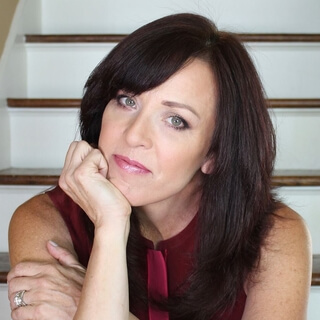
Welcome to the Breakdown to Breakthrough Podcast.
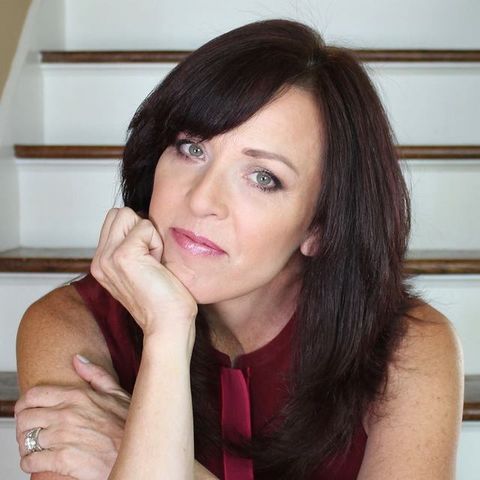
My name is Lisa A.
Romano.
I am a life coach,
Best-selling author,
YouTube vlogger,
Meditation teacher,
And expert in the field of codependency and narcissistic abuse.
I am a believer in the power of an organized mind.
My aim is to help people learn what it means to live above the veil of consciousness rather than living a reactive life.
May your heart feel blessed,
Your mind feel expanded,
And your spirit find hope as you spend time with me here at the Breakdown to Breakthrough Podcast.
So today we're going to be talking about emotional trauma.
We're going to be talking about what it is and what types of family members you,
Dear one,
Need to avoid while going through your emotional recovery work.
When healing from trauma,
Certain family dynamics can complicate this entire process.
Emotional trauma refers to the psychological and emotional responses that occur as a result of experiencing distressing or life-altering events that you could not process at the time.
These events can include experiences such as acute or ongoing abuse,
Neglect,
Accidents,
Natural disasters,
The loss of a loved one,
Or witnessing or experiencing violence.
Emotional trauma can deeply affect an individual's mental,
Emotional,
And physical well-being,
Altering their state of mind in various ways.
So here are some characteristics of emotional trauma you should be aware of.
Number one,
Intense feelings.
Emotional trauma often leads to overwhelming feelings such as sadness,
Anger,
Fear,
Guilt,
Or shame,
And they don't leave you.
These emotions can be intense and may feel unmanageable.
Number two,
Emotional flashbacks and intrusive thoughts.
Individuals that experience emotional trauma can experience flashbacks or intrusive memories of the traumatic events leading to heightened anxiety and distress.
These can occur unexpectedly and may even trigger strong emotional reactions that you don't always understand.
Number three,
Avoidance.
Many of us coping with emotional trauma may attempt to avoid reminders of the traumatic events,
Which can include people,
Places,
Or activities that are associated with the trauma.
This avoidance can lead to isolation and withdrawal from relationships and activities that once brought us joy.
Number four,
Hyperarousal.
Trauma can lead to a heightened state of alertness,
Causing us to feel constantly on edge or in danger.
This hyperarousal can manifest as irritability,
Difficulty concentrating,
Insomnia,
And an exaggerated startle response.
Number five,
Numbness and detachment.
Some of us may experience emotional numbness or a sense of detachment from our feelings or even our surroundings.
This can be a coping mechanism to protect us against overwhelming emotions,
But it can also lead to difficulties in connecting with others.
Now let's talk about some of the emotional impacts of trauma on our state of mind.
Number one,
An altered perception of safety.
Emotional trauma can fundamentally change how we perceive safety and our place in the world and our trust in the world.
We can become hypervigilant or overly cautious,
Which can lead to anxiety and stress in everyday situations.
Number two,
Self-perception and identity.
Emotional trauma can impact how we see ourselves,
Literally our sense of worthiness.
We can internalize feelings of inadequacy and blame ourselves for our feelings and even the trauma,
Which can lead to a negative self-perception and identity issues.
Number three,
Regulating difficult emotions.
Those of us with emotional trauma struggle to manage our emotions effectively.
We can experience mood swings,
Emotional outbursts,
Or feelings of being emotionally overwhelmed,
Making it hard to maintain relationships and cope with daily challenges.
Number four,
Cognitive distortions.
Emotional trauma can lead to distorted thinking patterns such as catastrophizing,
Expecting the worst,
Black and white thinking can further exacerbate anxiety and depression.
Number five,
Social withdrawal.
As a result of our inner emotional turmoil and being unable to cope,
We may withdraw from social interactions,
Which can lead to isolation and terrible loneliness.
This withdrawal can prevent us from seeking support and can worsen our health over time,
Our mental and physical health.
Number six,
Increased mental health issues.
It's not our fault,
But emotional trauma that goes unchecked is associated with a higher risk of developing mental health disorders,
Including post-traumatic stress disorder or complex PTSD,
Depression,
Anxiety disorders,
And substance abuse issues.
Emotional trauma can have a profound and lasting effect on our state of mind.
It can influence our emotional responses,
Our thoughts and behaviors,
And affect our relationships.
Overcome emotional trauma requires patience.
It requires time and support.
And in many cases,
Professional intervention to navigate the complexities of recovery and restore a sense of safety and trust and wellbeing within yourself.
Understanding the impact of emotional trauma on you is a crucial step in fostering self-empathy and self-compassion.
And it's also why you should avoid certain family members while trying to restore a sense of balance,
Safety,
And trust within your own self.
So now I want to talk about five types of family members you should probably avoid during this time.
The critic.
This family member frequently offers negative feedback or judgment.
Their tendency to criticize can undermine your self-esteem and hinder your healing process.
They may discount or devalue your experiences.
They can judge your progress and minimize what you're feeling.
They may also compare your experience with some of theirs or someone they know and insist you should be further along,
Or they can discount the validity of what you are experiencing.
It's essential to avoid this family member during this time because healing from trauma requires a supportive environment where you feel safe to express yourself.
The critic's constant negativity can erode your sense of reality and ability to begin trusting your inner experiences,
Making it harder to acknowledge and process your feelings.
Instead of feeling empowered to heal,
You may become defensive,
Leading to further emotional distress and potentially stalling your recovery.
Number two,
The denier.
This person refuses to acknowledge the trauma or its effects,
Often insisting that everything is fine or that you should just get over it.
Their lack of understanding can make you feel isolated and invalidated in your experiences.
They may even accuse you of lying,
Exaggerating,
Or making things up.
So it's important to avoid this person because healing from this type of emotional trauma involves recognizing and validating your unique experiences.
The denier's refusal to acknowledge your pain can create a sense of isolation and make you question reality.
This lack of validation can hinder your ability to process your feelings and may lead to feelings of shame or guilt for even having experienced trauma at all.
And because emotional trauma is not something you can see,
It may cause you to distrust the impact of what has occurred,
Leading to you living in a survival response such as freeze,
Flee,
Fight,
Or fawn.
Number three,
The family martyr.
This family member tends to play the victim or they tend to act like their own suffering is more significant than yours.
They may share their thoughts and struggles in a way that overshadows your experiences,
Which prevents you from feeling seen,
Heard,
And understood.
It's a good idea to avoid this person because the martyr's tendency to shift focus onto their own suffering or their own past experiences can diminish the significance of your trauma.
This can create an environment where you feel like your healing journey is secondary to their needs or their experiences or opinions.
It may also lead to feelings of guilt for wanting to prioritize your own healing,
Which can complicate your recovery process.
The martyr's propensity to continually speak of their suffering and the suffering of others can cause you to recoil and second guess what you were feeling.
It can cause you to second guess what you need and diminish your growing attempts to learn to validate and integrate the trauma you're wishing to recover from.
Number four,
The over controlling family member.
This family member may try to dictate how you should feel or what steps you should take in your healing process.
Their controlling nature can create additional stress for you and hinder your ability to make personal choices about your unique recovery work.
They may impose their solutions or timelines on your healing journey.
So it's important to limit contact with this family member or avoid them entirely because Healing is a personal and individual process that requires autonomy.
The overly controlling family members insistence on managing your recovery can create resistance and resentment and cause you to feel even more powerless than you already feel.
This can prevent you from exploring your own needs and preferences,
Which are crucial for genuine healing.
Healing is a deeply personal journey and what works for one person may not work for another.
When you are in the company of controlling people who lack self-awareness and do not understand the process of healing from trauma,
They do not understand the need for personal autonomy or boundaries.
Often these people are well-intended codependents who are coming from a good place,
However,
Lose themselves in the fixing and rescuing of others.
While it may be tempting to listen to someone else,
Especially when you're feeling so lost,
It's crucial to enforce boundaries with controlling family members.
Enable healing from trauma so that you develop the mental,
Emotional,
And spiritual space to find what works for you,
Which will lead to your authentic self.
No one can take this journey for you,
But you.
Number five,
The drama queen or king.
This family member exaggerates situations and emotions,
Drawing attention to themselves.
Their tendency to create drama can distract you from your healing process and make it difficult to have open and honest conversations about what you're feeling and your trauma.
This person tends to lack self-awareness,
Empathy,
And humility.
They are so focused on themselves that any hint that energy may be diverted from them triggers them into needing to create some form of drama,
Which allows for energy to be taken from you and placed back upon them.
These are often covert and or overt narcissists.
They have a pervasive pattern of self-grandiosity and entitlement.
They also tend to have a high conflict personality due to their thin-skinned nature.
It's important to avoid this person,
Especially when healing,
Because this dramatic personality can create a chaotic environment that distracts you from your healing process,
And they take everything personally.
Their tendency to escalate situations can lead to heightened stress and anxiety,
Making it difficult for you to focus on your own emotions and needs.
Engaging with them may draw you into their drama,
Pulling you away from the essential work of processing your own trauma.
Their dramatic personalities will lead you feeling exhausted,
Drained,
Beaten down,
And exasperated.
Their backwards rationalizations are a form of gaslighting,
Which can leave you with an emotional hangover for days,
Weeks,
Or even months,
Thereby hijacking and delaying your healing process.
It's just not worth keeping this person in your life,
Especially while healing.
During the recovery from trauma,
It's crucial to cultivate an environment for you that promotes safety,
Validation,
And feels supportive.
Engaging with family members who embody these challenging traits can exasperate feelings of isolation,
Shame,
And frustration.
Instead,
Dear one,
Consider surrounding yourself with understanding,
Empathic,
And supportive individuals that can help facilitate your healing,
Which will allow you to process your emotions and experiences in a constructive manner.
Setting boundaries with these family members can help protect your mental and emotional well-being during this vulnerable time in your life,
So it's important to be cautious or avoid engaging with them while healing from trauma.
People with these types of personalities don't back off.
We have to set boundaries,
And that can be really difficult,
But that can also be part of our growing process.
It could be an opportunity for us to say,
We matter,
I love you,
But I just can't be around you right now.
And what's difficult about that is that we have to understand that when we set a boundary,
The other person isn't always going to understand why we're setting the boundary.
And part of our emotional recovery work,
Especially if you're a healing codependent,
Is to learn to be comfortable with that level of uncomfortability.
One of the anchoring thoughts that I rely on is that when I set a boundary,
It's not necessary for me to understand or believe or feel as if the other person understands why I'm setting the boundary.
Because oftentimes,
The person that you need to set a boundary with doesn't see you,
Doesn't hear you,
And doesn't respect you.
You are a figment of their imagination.
And so any attempt for you to explain why you need a boundary is going to be whacked like a mole.
They're just not going to get it.
There are just some people in our lives that have a feeling,
They open their mouth,
Opinions come out,
And they never question whether or not those opinions are valid,
Real,
Or kind,
Or just.
They just believe what they feel.
And when we're on our emotional recovery journey,
We are integrating.
We are becoming self-individualized.
We're becoming what Carl Jung talks about as self-actualized through the individuation process.
So emotional recovery is actually the path to individuation.
It's the path to self-actualization and autonomy.
And if we don't take that path,
We stay enmeshed,
We live below the veil of consciousness,
And all of the experience from the past that have wired us to feel unworthy,
That have wired us to isolate,
That have wired us to live in a freeze response,
They stay in control of our lives.
And that's just not necessary.
Not when we know so much about how to rewire the subconscious mind,
And how to change beliefs,
And how to live empowered lives above the veil of consciousness.
Namaste,
Everybody.
Until next time.
Bye for now.
You are enough.
You are enough.