Hello,
Everyone.
My name is Dr.
Elizabeth Schuller,
And I'm a transformational coach,
Psychedelic integration coach,
Yoga therapist,
And Reiki master.
The passion for helping individuals achieve holistic well-being.
It's great to be here with you.
Let's go ahead and jump in to our topic for today.
Anxiety,
What it is,
And how to cope.
So what is anxiety?
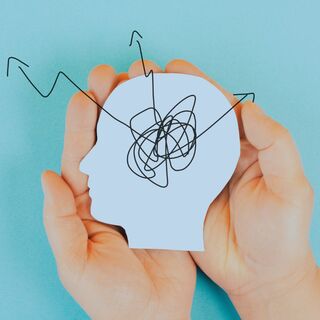
Anxiety is a complex mental state that involves many different parts of the brain and neurochemical impulses.
Some of the key brain regions involved are the amygdala,
Hippocampus,
Prefrontal cortex,
And hypothalamus.
These regions work together to process and regulate our emotional responses,
Including fear and anxiety.
An important neurotransmitter involved in anxiety is norepinephrine.
Norepinephrine levels increase when we're stressed,
And too much norepinephrine can lead to anxiety symptoms like racing heart,
Sweating,
And shaking.
Other neurotransmitters like serotonin and GABA also play a role in anxiety.
Serotonin and GABA have a calming effect on the brain,
And low levels of these chemicals can be linked to anxiety disorders.
Scientists and psychologists are still learning about the neurobiology of anxiety,
But they've made a lot of progress in understanding how it works in the brain.
This knowledge is helping to develop new and more effective treatments for anxiety disorders and anxiety in general.
Speaking of which,
Anxiety is a part of life.
Anxiety is often seen as a negative emotion,
But it can also be helpful in some situations.
For example,
Anxiety can help us to avoid danger.
When we feel anxious in a dangerous situation,
It's our body's way of telling us to be careful.
This anxiety can motivate us to take steps to protect ourselves,
Such as moving away from a dangerous area or calling for help.
Anxiety can help us perform well in important tasks.
When we feel anxious before a test,
A job interview,
Or a big presentation,
It can motivate us to study harder,
Practice more,
And be more prepared.
This can lead to better performance and improved outcomes.
And anxiety can help us to be prepared for emergencies.
When we feel anxious about a potential emergency,
Such as a natural disaster or terrorist attack,
It can motivate us to make a plan and prepare for the worst.
This can not only help us stay safe,
But can help us recover more quickly if and when an emergency does occur.
Anxiety is a normal and sometimes helpful part of life,
But it can vary in severity.
A little bit of anxiety before a test or big presentation is normal and sometimes even helpful,
But too much anxiety can interfere with your daily life.
If you feel anxious all the time or if your anxiety during stressful events is overwhelming,
It may be a sign of a mental health disorder.
There are three levels of anxiety that I like to talk about.
Everyday anxiety,
It's the kind of anxiety that everyone experiences from time to time.
It's usually mild and doesn't interfere with your daily life.
Problematic anxiety,
This is a level of anxiety that starts to interfere with your daily life and can make it difficult to concentrate,
Sleep,
Or enjoy yourself,
But doesn't constitute an anxiety disorder and an anxiety disorder.
If your anxiety is severe and persistent,
It may be considered a mental health disorder.
Anxiety disorders can range from mild to severe and they can cause a variety of symptoms including panic attacks,
Obsessive compulsive disorder,
And phobias.
Recent research suggests that intergenerational trauma may also play a role in anxiety.
Intergenerational trauma is the passing down of trauma from one generation to the next.
It can be passed down through genetics,
Epigenetics,
And social learning.
If you have anxiety and you have a family history of trauma,
It's important to know that you're not alone.
There are many things you can do to cope with anxiety regardless of its cause.
Here are some tips for coping with everyday anxiety.
Identify your triggers.
What are the things that make your anxiety worse?
Once you know what your triggers are,
You can start to develop strategies to cope with them in a healthy way.
Challenge your negative thoughts.
Anxiety is often accompanied by negative thoughts and beliefs about ourselves and the world around us.
When you have a negative thought,
Ask yourself if there's any evidence to support it.
If there isn't,
Try to replace the thought with a more positive one.
Focus on the present moment.
Anxiety often involves worrying about the future or dwelling on the past.
Try to focus on the present moment and what you can control here and now.
And practice relaxation techniques.
Relaxation techniques such as deep breathing and meditation can help to reduce anxiety symptoms.
There are many resources available online and in libraries that can help teach you relaxation techniques,
Including my own courses and my own meditations here on Insight Timer,
So go ahead and check those out.
Now,
If you have problematic anxiety,
You may also want to consider joining a support group.
Talking to other people who have anxiety and who have similar experiences can be helpful.
Making sure to get enough sleep,
Eating a healthy diet,
And exercising regularly,
Avoiding alcohol and drugs that can worsen anxiety symptoms,
Having a self-care plan that involves relaxation techniques,
And maybe seeking help.
A coach can help you to understand your anxiety and develop coping mechanisms.
They can also help you to set goals and develop a self-care plan to achieve them.
If your anxiety is severe or is interfering with your daily life,
It's important to talk to a mental health professional.
They can assess your anxiety and recommend treatment options.
Treatment may include therapy,
Medication,
Or a combination of both.
Remember,
Though,
You're not alone.
Many people struggle with anxiety,
The problematic and disorder kind,
But there are things you can do to cope and manage your anxiety no matter the level.
If you're struggling,
Please reach out for help.
There are people who care about you and want to see you succeed.