Hello,
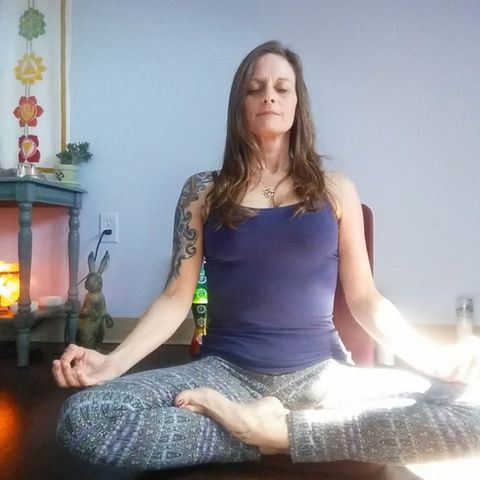
Welcome to Serenity Wellness Podcast.
My name is Nicole White and I'll be your host.
This podcast is dedicated to helping you tap into your full potential of how you can heal and balance your mental,
Emotional,
And physical wellbeing.
Together,
Let's explore inner self,
Connect to our strength,
And manifest your true nature,
One full of love,
Purpose,
And passion.
Welcome to episode 17,
What's in Your Backpack?
We're going to look at the bricks and books we carry around,
The impact it has on us,
And some tools you might want to consider adding to your wellness toolbox.
As always,
Thank you so much for continuing to share time and space with me,
As well as sharing this podcast with others.
As a team,
When you share the podcast with others,
We're together spreading wellness information and helping just other people heal.
And as others heal,
We heal that whole idea of oneness.
So thank you.
I greatly appreciate that.
I've received some questions about any potential online trainings or one-on-one sessions I will look at offering.
And I can say that,
Yes,
I am putting together some things with online trainings and courses and potentially some online one-on-one work,
But I just don't have a timeframe of when I'm going to be putting that out yet.
So it is something that's in the works,
But I'm working on a couple different things all at once and trying not to juggle too much on my plate with giving myself a hard pressure deadline.
So I'll keep you posted on that as it continues to unfold,
Hoping to get that out sooner than later.
But as I mentioned,
I'm just kind of letting things unfold organically and going with the flow of things so I don't stress myself out.
So thank you.
I love the questions and the interest in that.
I really appreciate it.
And I'll get back to you guys on when that continues to unfold.
With today,
As I mentioned,
We're going to look at backpacks and what we have going on there in our backpacks.
We've been looking at different areas in terms of body awareness,
Emotion awareness,
Breath awareness,
Mindfulness,
Trying to get back to the presence.
I hope that some of you have found that last episode on creating sacred space helpful for if you're wanting to get into a more structured meditation practice as another tool for yourselves.
And we've also started looking at emotions,
The emotional ladders we climb,
But also the exchanges between thoughts,
Emotions,
And body.
So we're going to start to kind of pull this information out a bit further so we can explore really what's going on here in terms of the emotional ladders episode and some things that were brought in there.
I'm going to just kind of pluck some things out and pull them apart in some of these episodes that are today and the next couple here as we go along.
So with today,
We're going to start to highlight how we can get weighted down by all the bricks we carry around in our backpacks each day.
Some of the bricks are ours,
Some belong to others,
Some are made up stories,
And some are also these unprocessed thoughts and emotions that we have that are kind of wound up in all of these things.
So today we're going to look at what are some of the things we carry around in the backpacks or in our backpacks,
What it does to us,
And what we might begin to do to start unloading that so it's not so heavy.
One area is our to dos and didn'ts.
So this is the list of the things we need to do and the things we didn't do.
We'll often carry these bricks around to weigh us down,
Make us feel overwhelmed,
Our to-do list and our mind can go running and running and splintering off here and there and we suddenly are so overwhelmed we don't know where to begin.
We have endless tasks and feel that when we look at it all,
It's so heavy and so overwhelming that we just don't do anything.
We can procrastinate,
Feel overwhelmed,
Feel stuck,
We'll have avoidance,
Anxiety,
Stress,
Depression,
We'll feel like we're failing at life somehow when we start piling in those bricks of the things we didn't do and would have wanted to do or thought we were going to do.
So we'll carry these things around as somehow this idea of it's reminding us or keeping us on track or holding us accountable,
But at the same time,
It's usually not doing that at all.
It's weighing us down,
Making us feel overwhelmed,
Stressed out and often depressed and anxious.
So our to dos and our to didn'ts,
The things we didn't do that we wanted to.
Another area that we carry around in these backpacks is the mounds and mounds of worries that we get trapped up into in our mind.
And you can think of these as books.
If you were to write a book that contained all the worries that went through your mind,
All the endless thoughts that came and went of stories that never did happen,
Never will happen.
And if you were to think of how many books you would write,
Or how thick your book would be,
Or would you have a series of encyclopedias,
Or maybe a whole library?
How heavy is your backpack with just those books,
Let alone the bricks with your to dos and your to didn'ts?
So our worries,
The stories we create,
The things we hold on to in these stories,
And we carry around with us to keep us in all types of states of emotion.
We've talked about it in terms of that anxious body cycle.
We talked about it when we looked at the what do thoughts have to do with it episode.
And even the ways that these worry cycles can keep us up at night,
Or how it impacts our physical body when we looked at cortisol and adrenaline and that inflammation cycle in the body and serotonin and dopamine and our digestive tract.
I mean,
It's just so intertwined in so much of who we are as a whole being and as a whole person.
So those worries that we carry around with us through the day,
Keep us weighing down and stressed out.
And again,
All this expanded energy and resources that we're using on creating stories that never even happen,
Having full encyclopedias of things and,
You know,
It's just gets us all pumped up and ready to go for something that we don't even need pumped up or ready to go for.
So keeping in mind the worries that you're carrying around and how effective is it.
We also in our backpack will carry around guilt,
Shame and judgment.
So we think we need to remember these things or continue to carry them around with us often as almost like a form of self punishment.
Like I don't want to forget that I did that and how shameful I feel about it because if I forget that I'm going to just repeat that behavior.
I understand that,
You know,
Certainly we need to have accountability and understanding and the awareness of the things that we did that were not helpful for ourselves or for others around us even.
But to hold on and carry around shame and guilt throughout your day in your backpack,
It will weigh you down,
It will dwindle your confidence,
It will make decision making difficult,
It will make you maybe even have social anxiety,
Feel less than when comparing yourself to others,
Which again,
As we talked about in I don't remember what episode,
But you know,
That idea of comparison and judgment of others and what that actually does and means in terms of self.
You know,
Those judgments towards others,
We're judging ourselves and we're comparing,
We're judging others.
When we're judging ourselves,
We're depleted.
If I walk around all day and tell myself nasty things in my own brain about myself in terms of judgment and guilt and shame,
Well,
I will feel pretty crappy through my day.
It's just the way that life works.
So being mindful of what you're carrying around in your backpack in terms of your view of self and is this helping you to build a better self or is this helping you to get down and feel depleted and feel less than and feel worthless and feel non deserving.
So this guilt,
Shame and judgment that we can carry around.
And then also we carry around the emotions we swallow.
So often we don't communicate our thoughts and we swallow the emotions.
We will hold on to things in this backpack towards ourselves but also towards others.
This often comes out in communication cycles and relationships and in,
You know,
Friendships or in work areas even sometimes it's often comes out a lot in our communication primarily with the people we're closest to when we struggle with this.
And what we do here in this idea of what we carry around and these bricks we carry around in the backpack is you can often see it in terms of communication where you'll be starting to try to have communication about something that just happened with someone and suddenly they have just like pulled out all these bricks they've been carrying around of like something you did maybe last week,
Something you did last year,
Something you did,
You know,
A couple months ago and you didn't even know in the moment that those things occurred that it was bothersome to them or that it was hurting them in some way because they held on to that and put it in their backpack and,
And kind of used it.
And again,
When you're when you're trying to talk about the event that's happening right in front of you,
Or we might do that ourselves,
We might,
You know,
Put these bricks in and we'll just hold on to them and then we'll throw them out there when we're trying to,
You know,
Address a certain situation.
Now all of a sudden,
We're throwing them all in and then that just leads to breakdown in communication and people don't even remember where the conversation started or what they were even trying to talk about because now you're just arguing and it doesn't even have to do with anything that was actually on the surface of the discussion initially.
So thinking about the things that we swallow in terms of our thoughts and our feelings and not communicating that with others,
Being aware of in that pile too,
We'll often add some intentions and assumptions as we started talking about and then we react off of those.
So we'll add in an intention,
For example,
From someone's behavior,
Like they intended to hurt us in some way or they intended to make us feel a certain way in terms of,
Excuse me,
Anger or frustration,
When really,
You know,
Maybe they were just speaking their own truth without any added intention,
Or maybe these assumptions we carry,
You know,
Oftentimes people,
For example,
You'll send a text message to someone and maybe they didn't respond right away and now people will start generating all these assumptions like,
Oh,
They must not want to talk to me or they're too busy or they don't care or it's just,
You know,
You might look in your own mind and look at the list of things that we can start assuming and then you'll get,
You know,
Feedback later that your assumption was wrong,
But we'll still start creating those same assumptions later on down the line or intentions.
And even back to that in terms of guilt and shame and judgment we add towards ourself,
Being mindful too of your own intentions of past behaviors that are creating those emotions.
Sometimes we make mistakes in life and we never intended to hurt anybody and maybe sometimes that was the actual outcome that someone got hurt,
But we don't have to weigh ourselves down over and over without looking at our own self-compassion.
It's about awareness and forgiveness,
But self-compassion and in an episode down the line here,
I'm going to talk a little bit about the difference between,
At least again,
What I teach people in my view of self-compassion versus self-forgiveness and how when we work on self-forgiveness,
It's really about having self-compassion.
You know,
If we have compassion for our own suffering and how that suffering creates bad decision-making sometimes and bad behavior sometimes and bad interaction sometimes,
Well,
That helps us to heal further,
Which then helps us to forgive ourselves further.
But we can look at the fact that often in some of our own turmoil,
We too were suffering.
And so then having compassion for that helps us again more towards forgiveness.
But like I said,
We'll talk about that,
You know,
In another episode.
And then also being mindful of how when we hold onto these things,
These emotions and these thoughts and how we swallow them,
Keeping in mind that it also can create the emotional storage in our body.
And again,
We'll talk about that when we get more into energy work,
But it also keeps us in these automatic patterns and cycles of behavior and responses.
We will often,
It's like we get off the same highway exit over and over knowing that that highway exit is leading to a fire.
And then we'll get to the fire and sometimes we pull out these bricks that happen to be,
You know,
I don't know,
Full gasoline or fire starter logs,
And we'll throw them further into the fire.
So we'll get off the same old exit,
Drive right into the fire,
And then we'll fuel up our own fire further by holding on to these things we carry around in our backpack,
Towards self and then towards others as well.
And we'll certainly be looking more at communication styles in terms of how to express those thoughts and emotions more clearly with others.
I'm going to have a future episode coming down the line with another guest on here,
Who's going to talk about that further with me,
With you,
All of us together.
Well,
I guess you guys will be listeners.
And then I also have another episode coming up down the line here.
We're going to have some other guests on where we're going to talk more about that energy storage in the body in terms of what it does with this backpack and emotion regulation and emotional ladders.
So those are some things to think about.
I mean,
There's certainly other things that we carry around in our backpack as well,
But those are some things to get you started.
And now what to do with this as a starter of some tools to bring in.
So the first,
As always,
Is taking notice and recognizing.
As we talk and highlight these things to your awareness,
Then it's going to help you to recognize them further,
Considering that mindfulness practice of daily mindfulness and pulling yourself back to the presence and maybe continuing to strive to have that a part of your life.
Over time,
It becomes a way of living.
It doesn't have to become an everyday cycle of having to try and try and try.
The more you practice mindfulness and pulling yourself back to presence,
The more it is a way of living and it doesn't become such a chore.
Sometimes people feel like it's a chore,
But it's not.
It's a beautiful thing.
So first thing is taking notice,
Recognizing.
Recognizing what you're carrying.
Again,
These are just some things you might recognize some other bricks and books that you have in your backpack.
Getting into the awareness of those auto patterns and responses.
What exits do you keep getting off of that are leading to fires and realizing that you can start to make a different choice.
In terms of those to dos and didn'ts,
Starting small.
So starting small to organize your time and your list of what you have going on in your life.
Sometimes life is just overwhelming with everything we've got going on and the things we have to juggle and the things we have to do.
I completely relate.
Sometimes I get overwhelmed.
I mean,
This podcast is usually I try to put it on on Wednesdays.
Here we are.
It's not Wednesday.
It's Thursday night.
And you know,
It's because I had a lot on my plate with work and with life.
And I,
You know,
Taught a wonderful,
Uh,
A sui holy fire masterclass this weekend and a restorative Reiki and yoga class with Stephanie Koller.
And I recognize that,
Okay,
I need to just,
You know,
Balance life a little different this week.
And so giving ourselves permission to do that too,
That like,
Okay,
Slow down,
Trying to do too much.
Let me simplify things and do one thing at a time.
I do not need to look at my whole list that I have to do in life because it's never going to,
I'll never get to the end of the list.
I mean,
There's so much to do in life,
Right?
So you know,
Think of laundry,
You know,
How often are you ever actually done all of your laundry?
Are you going to stress about it?
Are you going to stay up for days and days to make sure that you get caught up on all your housework and all your laundry for the next day for you not to be finished again,
Balance,
Everything doesn't have to be done all at once,
All the time.
So letting yourself space things out and simplifying as you need to the organization of your life and the things that are on your to do list.
And so a way to start to begin that is you can have a running list.
So this is maybe,
Often people will use their phone.
I'll talk a little bit about why that might not be the best thing to use in just a second,
But everyone tends to have their phone on them all the time.
And so you can maybe use,
You know,
I use collar notes sometimes on my phone if I use it.
But there's,
You know,
Probably all kind of apps and stuff like that.
But you can have a running list that is just your running list of things you want to remember that you have to do so you don't forget.
You can have a whiteboard maybe that you put this running list on if you want to.
And then your daily list.
Your daily list is your top five things.
So you're first just going to list five things.
Five,
That's it.
I know that we often have like way more than five things that we have to get done in our day.
But just list five things on your list.
And then you're going to order them in the number of importance,
You know,
Prioritize.
So you have a running list and maybe you're going to pull five things from that list or maybe you've got some other things that popped up since even you wrote something on your list.
You're going to write your five things for the day.
Cross them off when you're done.
If they were things on your running list,
Go back and cross them off there too.
Don't cross them off that running list though until you get them done.
Because doing the five things,
It doesn't mean you're going to get all five things done.
You know,
We'll work on that down the line as far as time management and better estimation of how long it takes us to do things and procrastination cycles and what gets into procrastination.
But,
You know,
It doesn't mean just because you write down all five things,
You're definitely going to get all five things done.
So giving yourself permission to realize that,
But try not to go beyond five things.
If you get done all five and you have some extra time and space in your day,
Great.
It doesn't mean you have to go back to that list and pull some more things in.
Use it for self care,
For unwinding,
Meditation,
Getting out in nature,
Hiking,
Dancing,
Playing with your kids,
Doing something fun for your heart and your soul.
You can also have what's considered,
It's called a mind dump,
And that's having a list of some sort that you can keep next to your bed.
And this is for when your mind wants to jibber jabber and get you all involved with it when you're trying to go to sleep.
Your mind sometimes will keep trying to remember and remind you of things like you're going to,
You have to remember and you have to keep having this made up conversation in your own brain because you're going to forget and you have to do this so you don't forget,
You know,
Before you wake up or when you wake up.
So write it down and then it gives your mental mind also permission to let it go because you know that you can just pick that piece of paper up in the morning,
Read it,
And you're going to remember about whatever it is that you thought was so important you had to think about when you're trying to go to sleep.
As far as the category related to worries,
You can make yourself accountable.
So we talked about the idea of the worry log and how the worry log helps in creating self-accountability because you're going to see over time if you were to keep that worry log when you go back,
What you're crossing off,
What you're spending time worrying.
I apologize,
I should have wrote down what episode that was in.
I don't really remember.
It might have been what thoughts have to do with it.
But the worry log is where we like track our worries and then we give ourself worry time,
We cross off what's no longer important and we can see our own patterns of worry and the ineffectiveness of them and then it helps in that personal accountability of letting go.
But also with worry in terms of some added skills here and this backpack idea of what we're carrying around,
Being mindfully aware obviously is one.
We have to be aware that we're worrying,
Right,
To do something with it.
But then start making yourself accountable.
Ask yourself some questions.
How effective has my worry been?
Does it keep me stuck or does it make me problem solve?
How much time and energy does it waste?
How much added stress does it add to my mental mind and my physical body?
Do I feel depleted and exhausted?
How many books do I carry around in my backpack full of worry?
Or is it an encyclopedia series or maybe even a whole library?
So start making yourself accountable.
Start asking yourself some questions.
Don't just go along with the worry and get all wrapped up in it and not question its effectiveness and its purpose.
It's not being very kind to yourself and it will potentially rob you of a lot of time.
Time that if you thought about it you might want to be doing something else with that time.
Like some of those things I just mentioned just a minute ago.
Even in other episodes as well.
So thinking of those things that feed your soul.
Bring joy,
Happiness to your life,
The things that make you laugh,
Bring humor.
I just think that many of you would rather have the time you're spending in worry that's ineffective.
Worrying about things that never happen.
Spending it doing things that feed your soul and bring joy and humor.
And then some things about that judgment cycle.
Reminding you of the one to one technique so I'm recognizing that I'm having a negative judgment about myself.
I'm going to pause and replace it with a positive.
Focusing on what went well.
Focusing on what you're grateful for or what you've learned through your day about yourself.
Looking at what your strengths are.
When I talk to people about their strengths sometimes they struggle with this.
We can get in those automatic cycles so easily of self-defeating thoughts,
Judgments,
Ridicules,
Etc.
And even though all of us are just full and overwhelmingly connected inside to all the many strengths that we have,
We can sometimes get lost in that connection and not see them within.
So a quick technique and skill that you can do and you can get as creative as you want on this.
I work with a lot of people who are into creativity and art and so they really create some cool things here too.
So if you like art and creativity you can really get into how you create this for yourself because it's your creation of your reminder of who you are within all these strengths and all the beautiful things you have to offer yourself and the world around you.
So to do this as I mentioned sometimes when I ask people what their strengths are it's as though I am asking how to perform a surgery.
They will like search and search within their mind and feel very stuck but if I'm like hey what are your weaknesses they will ramble off a ton of things without even having to think about it because that's those auto cycles and things they started believing about themselves that are untrue.
So to find our strengths start with one,
One strength that you can find within yourself that you recognize.
Again you're full of them but just find one that first you're able to accept and recognize.
So maybe for example you find a strength that you are compassionate and you feel stuck there you can't think of anything else that's okay so you just need one to start so compassionate you're gonna have the strength compassionate.
Now in order to be compassionate what are other strengths you have to have?
Well maybe a good listener,
Maybe you have some empathy,
Maybe you are able to sit with other people's emotions without fear so they can be comfortable expressing.
You get my point?
Start with one,
Pull it apart.
Now I just listed four other things I think I should have kept track when I was just listing this well now I've got four other ones that I can pull apart.
If I'm an active listener what does that mean?
What other skills and strengths do I have within me that allow me to be an active listener?
I must have patience,
I must have understanding,
Awareness,
Connection,
Interest in others,
Curiosity.
So you can see how when we stop we pause we look at one we pull it apart you're full of strengths full of them.
So how you can do this in a creative way is you can actually like create a poster board or something like that and you can start you know again just start with one and then let it build and you might have this as a project over time where every couple days you add a word on there or you know a half an hour you add a couple words on there and maybe you do it through cutting out words in magazines or maybe you want to draw the words.
I like to do graffiti and stuff like that and so maybe you know use some graffiti letters and stuff like that and get creative in that way and add colors and it can be anything add pictures to represent some of those strengths that you see within yourself and you recognize.
And then you can have that hanging somewhere when you start feeling depleted and overwhelmed and you hear all these judgments trying to pull you down you can look at that and read it and remind yourself of like no that's a bunch of nonsense like this right here that I'm reading this is me these are these strengths these are what I'm going to keep growing connecting and sharing I'm not going to deny others the ability to have the beauty of sharing the experience of these strengths with me because then they get to show you their strengths also and we get to connect further help each other grow help each other feel confident it's just the the many things that we can do in just our human capacity to connect with ourselves and and build that strength within and connect within and then connect with those around us.
Lastly we talked about the idea of emotions and how we swallow emotions by not communicating what we're actually thinking and what we're feeling.
I'm going to be talking much more about that in another episode it's just kind of a there's a little bit to cover there and so I want to make sure that I'm giving some time and space to do that and not making this episode too much information all at once.
So in the meantime what you can do is again back to that recognition if you're bringing in some bricks that don't belong in the conversation so that's that you know pause and what are we trying to talk about right now thinking about also the barriers that hold you back in being able to communicate with those around you and so sometimes barriers are our own fears you know we're just not quite sure how to communicate it we haven't practiced that we as we've talked about before I've talked about before you know sometimes we just don't we're not aware or we haven't had the skills or practice to be able to communicate our emotions effectively and so sometimes it's that sometimes it's the people that we're communicating with you know maybe some people in our life have not the best communication skills themselves and so maybe they come back with anger and they try to shut us down or they try to take us into a different type of conversation or they pull out a ton of bricks that they have in their backpack to try to you know get us away from what we're trying to talk about or they're very conflict ready and maybe we're very conflict avoidant so there's lots of different dynamics there and that's why I want to kind of talk about it more in a different episode and and also I'm going to be bringing a guest on who's going to you know help us dive into that a little further but in the meantime again just trying to stay present with what the conversation's truly about and looking at some of the areas you recognize that hold you back right now from being able to speak your truth your genuine self and how you're thinking and how you're feeling because we'll be talking down the line here also about boundaries and if we have toxic people in our life who are struggling in communication and bringing in certain types of communication or feeling towards us then we also want to make sure that we can strongly and confidently without aggression be able to assertively put out our boundaries and feel worthy of those boundaries and recognize that we do deserve to be treated with respect and in a certain way in our own communication styles with others so we'll talk more about that as well in the meantime that is everything for today I hope that you found it to be useful for you in terms of just starting to be aware of this backpack that we carry around and what you might be able to do to start to reorganize and unpack so that it is not weighing you down overwhelming you making you feel procrastination procrastination yes a real quick side I said I'd get back to it and I forgot when I was talking about the list writing and you can list right on your phone and stuff like that but there was that one thing I was like that you know but be mindful I'll get back to it and that is the one danger I guess you could say of using your phone for stuff like this is procrastination and distraction I'm going to talk about that when I talk about goal setting in an episode down the line here but procrastination and distraction our phones are such a go-to for that so we might pick up our phone right to put in something in this to-do list this running list that we've got going on and that's the only thing we want to do is put that in there we pick up our phone suddenly we're on Facebook we're on Instagram we're looking at this article well that article led us to that article now we're looking at some Twitter feed oh well that led me to this podcast let me just listen to this real quick and I never even put the thing on my to-do list that I was even going to put on there because our phone is such a distraction tool and it's such an automatic distraction tool for us so be mindfully aware if that's the case for you and you might want to find something else to be writing stuff down on there's cute little tablets you can buy you know you could stick it in your pocket I don't mean cute like Oh cutesy I didn't want to say that to just you know make people not want to get it because it's cute you know just getting a little tablet or something just something to keep in mind because again phones are a huge huge huge thing in our pile of procrastination and distraction so just wanted to remember to add that in there as always thanks for joining me today and I hope you found this to be useful if you want to learn some more about what's going on you can check us out at Serenity Wellness Center c-e-n-t-r-e.
Com you can send me emails at Serenity Wellness Center LLC at gmail.
Com as I'm continuing to work on the other website and you can also go to that serenitywellnesstools.
Com so you can learn more about me the other practitioners and our upcoming workshops although I will not have them posted until tomorrow which is Friday April something 12th I think so thanks everybody have a wonderful day evening whenever you're listening to this and I look forward to talking with you again soon have a good one bye.