Hello everyone,
Welcome to my monthly life,
My monthly self-gentleness life.
And today we are already at step 7,
Which is dealing with unpleasant emotions.
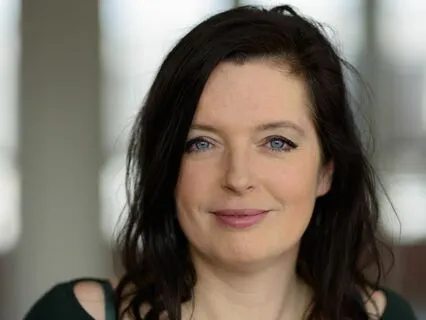
My name is Femke Bakker,
I'm a teacher of self-gentleness here on Insight Timer and I welcome you to my life.
And before we start,
I would just like to welcome you all,
Take a few minutes for people to drop in,
Let me know who you are,
Where you are in the world,
And what unpleasant emotion you find it hard to deal with.
So let me see,
Hi Violet,
Lovely to see you again,
I saw you yesterday.
Violet is creating and organizing these beautiful lives here on Insight Timer where it's called Ask Your Guides,
You just have to check her profile,
It's Violet108,
And she's organizing lives where a lot of teachers come together to answer questions from you guys.
Yesterday I was there and it was really lovely,
And now I'm here and I see Violet is also here.
Good morning Lauren,
Hi Jean,
Hi Sheila,
Hi Lineke,
Hi Luanne,
Nice to see you too,
Hi Krishna,
Hi Mary,
Anna,
Hi Hans,
Good to see you too,
Hi Lady,
Angela,
Angela is in Nebraska today,
Lovely,
You've been driving there right?
Together with the dogs,
Still,
You're still on the road with the dogs,
I would love to hear that.
Hi Ryan from London,
Leanne,
Lovely,
How are you?
Krishna says,
For me,
I'm also a yoga teacher and a Soma breast training teaching piece,
And guiding people into peace,
But I have lots of complex feelings about my mother who is aging from compassion to anger to helplessness,
How do I sit with what is?
Beautiful,
Thank you so much for sharing that Krishna,
We will speak about that in a minute.
Hi Karen,
Karen has a challenge with feeling loneliness and anxious thoughts,
Well that is hard,
I'm happy that you're here,
We will speak about that.
Annemiek,
Hi,
Glad to see you too,
And all the lovely people here,
Yeah,
I'm also really really happy.
So I'm in my studio,
I just realized it's pretty hot here,
25 degrees Celsius,
I don't know how to translate that into Fahrenheit,
But it doesn't matter,
I will probably start to sweat,
So if you see something shiny,
That's going to be it,
But that's okay.
Hi Katherine,
Angela says,
I'm not sure which emotion,
Because my anxiety is overwhelming.
Yeah,
I can see that,
Well,
Could we call anxiety also,
You know,
Part of our emotional spectrum,
Right?
The anxiousness is triggering certain feelings in your body,
And those are emotions,
But we will speak about that.
All right,
We're three minutes in,
Let's start.
Okay,
So for whoever is new here today,
Let me introduce myself again.
My name is Femke Bakker,
So I'm a self-gentleness teacher here on Insight Timer,
I also work as a behavioral scientist at Leiden University,
Where I study many things,
But also the impact of meditation on stress deduction,
On cultivating tolerance,
And I mentioned it yesterday in Violet's life,
And I just want to mention it here again.
I have this beautiful course here on Insight Timer,
And it's called How to Deal with Challenging Opinions and Behaviors,
Other way around,
How to Deal with Challenging Behaviors and Behaviors and Challenging Opinions,
And basically,
This is a course that will help you to cultivate tolerance,
And tolerance is not just like,
Ooh,
I don't like them,
But I will have to accept them,
No,
Not the way I teach it.
What I teach is self-empowerment,
And I will teach you over the course of 10 days to first map out for yourself which kind of people are triggering you into not feeling good,
Who are ruffling your feathers,
And then how you can deal with that,
Not to condone them,
Not to agree with them,
But rather to self-empower you to be who you are and to be okay with that,
And I think when we're living in this world right now with so much polarization going on,
I mean,
In any country,
You can think of there is some kind of polarization going on,
And I find this course so important.
So as a political psychologist,
I'm working at the university,
So in this course,
I poured my knowledge as a political psychologist,
I poured my experience as a meditation and self-gentleness teacher,
And one of the most beautiful reviews I ever got was someone,
An American participant who said,
Who did this course in 2020,
Because it's already a few years there,
And this participant said,
I started this course because of the polarization going on in my country.
It was around the election time,
Just like now,
Basically,
And it helped,
But also I noticed that I started to heal the difficult relationship I had with my mother.
So if you feel at all challenged by polarization,
By societal differences,
By just having people around you that you have differences with,
Check out my course here on Insight Timer.
I would really love to hear from you back if you liked it,
If what it taught you,
And of course,
You can always ask questions in the classroom.
I have several other courses about which I will speak,
And one of them is about self-gentleness,
Because this is what I teach mainly here,
Self-gentleness.
Self-gentleness,
I define it as such.
Just radically accepting yourself as the most important person to consistently deserve your own gentleness.
I will repeat that.
Radically accepting yourself as the most important person to consistently deserve your own gentleness.
And I think that all my work on Insight Timer,
Every track,
Whether it's teaching you meditation,
Whether it's teaching you how to cultivate tolerance,
If it's about authentic leadership,
If it's about plain and simple self-gentleness,
It is all about that.
And I believe that when everyone in this world starts to be more self-gentle,
Relative to how we are now,
Something can change.
We change ourselves,
We change relationships with ourselves,
And we also change our relationships and interactions with other people,
Whether this is our family,
Or whether this is in our world at large,
And everything in between.
And basically,
This is why I'm here.
I just want you to be a little bit more self-gentle.
So am I self-gentle?
Ooh,
That's a good question.
Yeah,
I am.
I'm a master of self-gentleness,
And that doesn't mean that I'm self-gentle all the time,
Because I'm human,
Like you.
I also trip and fall,
I also have this inner critic sometimes going on,
I also have interactions with people that sometimes might trigger me.
But why am I a master of self-gentleness?
Because I recognize it when I'm not.
And then I know I am responsible for finding my way back to becoming more gentle with myself.
And sometimes just that realization is enough to be self-gentle again.
And sometimes it takes me some time,
A few hours,
A few days,
A few weeks even when it's a really difficult topic.
And that's just part of life.
Because becoming self-gentle,
It's not something that you learn to do and then you're self-gentle for the rest of your life.
No,
It's a lifelong work-in-progress process,
And you know what,
I love that.
Because this is life.
We live our lives,
And we have challenges,
We have interactions with things going on.
We have bad breaks sometimes,
And we have good breaks sometimes.
But for us,
How we take these things and how we speak to ourselves,
How we become self-gentle.
So the topic today is really important to me.
It is dealing with unpleasant emotions.
This has been something that has been really,
Really hard for me.
And honestly,
Sometimes it still is.
Because unpleasant emotions,
They just feel unpleasant.
What else can I say?
They are so unpleasant.
They're just in your body,
They're making my stomach ache,
My belly hurt,
My head spin,
It makes my muscles tight,
It makes that I lift up my shoulders,
I clench my jaws.
Unpleasant emotions,
I want to fight them,
I don't want them.
But in that fight,
We actually invite them to become stronger,
And that is what we're going to speak about.
First of all,
Why do I call them unpleasant emotions rather than negative emotions?
Because most people say,
Well,
We have positive emotions and we have negative emotions.
But I don't like that difference so much.
Because also there,
There is a polarization.
There is the idea of something that is good,
Positive emotions,
And something that is bad,
Negative emotions.
And I want to change your perspective on that.
Because it isn't like that.
There isn't a polarization within ourselves about our emotions.
So I would rather say that emotions are feeling in our bodies pleasant or unpleasant.
And I have to be honest,
I didn't think of that.
There is this beautiful TED talk from Joan Rosenberg,
A psychologist who does a lot of research into emotions.
And a lot of the things I will be telling you today is drawing from her work.
So if you're more interested to learn more,
Then just go to the TEDx or the TED side and take a look at her TED talk about unpleasant emotions.
So by calling emotions pleasant or unpleasant,
We focus on the somatic experience.
We focus on what we actually feel in our body.
And I think it's really important to understand that basically an emotion is nothing else than us having a thought.
And our body is responding to that thought with either a good feeling,
Pleasant,
Or a not so pleasant feeling,
Unpleasant feelings.
And by just acknowledging that,
That emotions are a response of our body on things that we are thinking,
Changes already a lot.
I don't know about you,
But when I experience an emotion and it's really strong and I forget about all these things that I just told you,
It feels almost as if I am that emotion.
So I might say,
I am angry,
I am sad,
I am furious,
I am feeling so guilty.
However,
You aren't that.
You are not your emotion.
You are you.
You have this body.
You are thinking things about a specific topic or something that happened or something that you're running in your own mind,
Thoughts,
And your body is just responding to that.
Why is your body responding to that?
Well,
I see our bodies as a compass.
It is basically telling us,
Well,
What you're thinking now hurts me.
And that is why it feels so unpleasant.
And when you're thinking something that gives you a pleasant emotion,
It's saying,
What you're thinking now is giving me a good feeling,
So I feel pleasant.
So it's our body helping us to recognize that we might be thinking things that are not so good for us to think,
Because they give us unpleasant emotions.
Well,
You might say by now,
Well,
Yeah,
I understand that story.
I know that.
I know that I'm thinking things,
But I cannot stop myself.
I feel it's unpleasant,
And I know my body is telling me,
But how can I stop this?
Well,
Here is where self-gentleness comes in.
All right.
So at the core of my self-gentleness teaching stands that I want you to become more sensitive about who you are,
Who you truly are,
And what is going on with you in every moment of time,
And how you can help yourself to acknowledge what is going on and to also feel what it is that you need in the moment in relationship to what is going on right now.
So that might sound rather abstract.
I can make it really clear.
The core of my teachings,
And if you check out my course here on Insight Timer,
It's called Start Becoming Self-Gentle Today.
It's a mini course of four days,
And then there are more three extra tracks that you can use every day just to teach yourself to become self-gentle,
And they basically exist of three main practices.
The first is your evening practice,
Just a few minutes.
You're laying in bed.
You're about to go to sleep.
The lights are closed.
You're under the covers,
And then you have your eyes closed,
And you first start to think of three things you're grateful for.
It might be things that happened today.
It might be things that are going on already all your life.
It doesn't matter what it is as long as you focus on three things to just make you feel grateful,
And it might sound like a weird thing to do,
But there is actually a lot of research within psychology that shows that when we start to focus on things that we are grateful for,
And it can be really as tiny as having running water in the house,
Loving the smell of coffee.
It doesn't have to be something big,
Just something that you feel that,
Oh,
I'm so happy with that.
I'm just happy with,
Oh,
I'm so grateful for that.
And when you start to focus on that,
You will notice that more things come to mind.
And from this research,
We know that when people start to focus on a regular basis on feelings of gratefulness,
You actually improve your perception of well-being pretty quickly.
So this is how you set up the night,
And then you go to sleep,
But just before you fall asleep,
You tell yourself,
Tomorrow it's going to be a new day.
I will not pick up on the things that I was thinking about,
The things I was worrying about,
The things I was criticizing myself about.
I will just start early,
Newly tomorrow in the morning.
And then the first thing you do in the morning is your morning practice.
You still have your eyes closed,
And you first greet yourself.
Good morning,
Darling.
Have you slept well?
How do you feel?
And answer yourself,
And listen to that answer.
And then when you've made that connection,
Then you ask yourself,
What is it that I need right now?
And you just listen to what your body,
Your mind,
Your heart,
Your soul is telling you,
What it is that you need.
And that what you need can differ every time it can be something else,
Because every time you are a different person with different needs.
Some days it might be,
Oh,
I like to jump out of bed,
Make myself a nice hot coffee and go for a run.
Another time it might be,
Oh,
I'm so tired,
I want to sleep some more.
Let's snooze.
You know what?
Let's close the alarm clock.
Whatever it is,
It's all OK.
And of course,
Sometimes,
You know,
We have to live our lives.
There are things that we have to do that we cannot avoid now.
If you cannot always live up to your need,
Then just acknowledge the need and promise yourself you will come back to this later that day.
So for instance,
You have to get up and you feel,
Oh,
I need to sleep more,
I'm so tired.
The kids are waiting,
The boss is waiting,
The bus is waiting,
Whatever is going on.
So you just promise yourself,
You say,
Listen,
Darling,
I know I'm tired and I know I need some more rest and I know I cannot take it now.
However,
I will do this later today.
So you take a longer lunch,
You go for a walk,
You cancel your evening plans and you go to bed early.
Whatever it is that you need to honor that need.
And then,
Third practice during the day.
Take one minute.
When you're in the restroom,
When you're on a commute,
When you're waiting in a line,
When you're behind your computer and you take just a minute to close your eyes,
You tune in again and you just feel,
How does my body feel?
Do I feel any emotions?
What thoughts am I thinking actually?
And that is enough.
You don't even have to do something with that.
In our lives,
When we are so busy,
And I know everyone is busy,
There are so many things to do.
Our to-do lists are long,
Expectations from everyone around us are high,
And our own expectations are also really high.
But when we start to tune in more often and recognize what it is that is going on within and what it is that we need,
Something starts to change.
And when you start to acknowledge your needs and try to help yourself to meet those needs,
Something starts to change.
You become more and more self-gentle.
And actually,
This is a disclaimer I have to warn you.
When you become more self-gentle because you're tuning in more,
There will be a rough time.
Because there will be this transition phase where you will become aware of what is going on within you,
What your needs are,
While you still have those expectations of others that are difficult or hurting you,
And you will feel some friction.
How to deal with that?
How can I be self-gentle and still be there for others?
And that's a process.
Becoming aware,
Acknowledging,
And then going about it as you can right now,
That is the beauty of self-gentleness.
There is no perfect self-gentleness.
There is only tuning in and acknowledging what there is and just moving forward in a very gentle way.
And that can also be,
Okay,
I still have to do these things and I don't want to do them,
I know I don't want to do them,
But it's also important for me that I do this now,
But next time I will do it differently.
That's also self-gentleness,
Right?
So back to the unpleasant emotions.
As you might understand from my story,
When we tune in,
We also become aware of emotions that are living within us.
And actually,
All of us have a lot of emotions that we are not always so aware of,
Because we've been trained really well to suppress those things.
It was already as a kid,
When we were really,
Really angry,
Our parents told us to behave,
To be nice,
Not to scream,
Not to cry.
And we have internalized all those rules who came to us from a well-meaning heart,
But still are limiting us to freely feel whatever we are feeling.
So the key to feeling unpleasant emotions to me is to be okay that those are there.
And that's hard,
Right?
You feel an unpleasant emotion,
For instance,
Anxiety,
Or sadness,
Or anger,
Frustration,
Guilt,
Sadness,
And we just don't want to feel it.
But when we start to push against those feelings,
They grow bigger and bigger,
And they store in our bodies.
And here we get to the work of Joan Rosenberg,
Because she,
And that's her TED Talk about,
She gives such a beautiful vision,
And that is that emotions are coming in waves.
An emotion that you feel in your body,
As a bodily sensation,
She recommends that we should see emotions as a bodily sensation,
And I fully agree with that,
Because it's our body that responds to what we are thinking.
So she says whenever there's an emotion,
You just focus on how it feels in your body,
Rather than telling yourself stories like,
Yeah,
I am so angry because he did this and that,
And it was so mean,
And I'm so angry about it,
And it's always going like that.
And you see,
You put oil on your own fire,
So the emotion becomes bigger and bigger,
But you get it stuck in your body.
And if you don't release that stuckness,
It will stay with you.
So the next time something angers you,
That anger is already there,
And it will be on top of that.
So when you focus only on how it feels in your body,
That emotion,
Just so,
Oh,
I'm really,
Really angry,
I feel how my cheeks are flushing,
I feel that I want to make fists,
My whole skin is tingling,
Now I'm getting tears in my eyes because I'm so angry,
I feel that all my muscles in my stomach are pulling in.
So you're focusing,
You are observing how your body responds,
How your body expresses that emotion,
And you just stick with that.
You don't go to the stories,
You don't go to the explanations,
You don't go to saying,
I am right to feel like this.
You might be,
But when you tell yourself that you're right to feel like that,
It's just going to be more and more stuck.
You just stay with those feelings,
And you could even help yourself by saying,
I feel my cheeks flushing,
I feel a pit in my stomach,
I feel that I cannot keep my legs quiet anymore,
I feel like punching,
I feel like clenching my jaws,
I feel like crying,
I feel the tears on my cheeks,
I feel my eyes burning,
All these bodily sensations you're going to describe.
And when you just stick to that bodily sensation,
There is this miracle that happens.
And that is that every emotion will last in your body between 60 to 90 seconds.
60 to 90 seconds.
It's like a wave becoming higher and higher and going down again.
And there might be a new wave,
60 to 90 seconds,
And it's going down again.
So my students of Self-Gentleness,
I love to call this serving the waves.
So when there is this emotion,
And don't worry,
We're going to practice this in the meditation in a minute.
When there's this emotion,
You just focus on the bodily sensation,
And you just know that when you do so,
It's going to be like a wave going stronger and going down.
And the beautiful thing is when you start riding those waves,
Just sticking with that feeling in your body,
The waves will slowly,
Slowly become smaller.
They might be strong in the beginning,
But when you also let them peter out and you observe,
You will see that they will become slower and smaller and smaller.
It's like a storm at the ocean.
At first there's a storm.
They're really big waves,
And you are serving them.
They're becoming higher and higher,
But then the storm dies out,
And the waves become smaller,
And the next one is smaller,
All the way until it's all petered out.
And this is emotional surf riding.
Sometimes we encounter old emotions that are still stuck in our body,
And that is because we had many experiences around certain unpleasant emotions that we didn't let them peter out,
But at the height,
We held them.
We start to feed them with stories,
With expectations,
With fighting,
And we got them stuck in our bodies.
So actually it became tsunami waves,
But these are frozen tsunami waves that are still within us,
And we might have moved on,
But then when something else happens,
Something small that resonates with that emotion that is still in your body,
Then suddenly that big explosion of all that emotion is there.
You might recognize that.
That someone says something really,
Really innocent,
And you suddenly explode,
Or you suddenly burst in tears,
And you feel so sad,
While rationally thinking this was not a reason to feel like that.
It's just because those emotions are still with you.
The answer is the same.
Don't start to explain to yourself.
Don't start to look for why this happened,
Or where it's coming from.
Just stick with the bodily sensation,
And trust that the waves will come and go.
The waves will take 60 to 90 seconds.
They will come and go,
And when you just ride them,
They will become easier,
They will become gentler,
And they will peter out.
And yes,
When there are these unpleasant emotions stuck in your body already for many,
Many years,
It might take some time.
If you've been here before,
You might have heard my story about my cat.
I'm going to tell you here right now.
So I have several cats,
And I had a young cat who got kittens,
Unexpectedly,
Not intentionally,
But okay,
They were kittens.
And one of those kittens I decided to keep because she was just unconditional love in a fur coat,
And I loved her really,
Really very much.
And when she was about one year old,
She was killed by a car.
It was an accident.
A car didn't see her in the middle of the night,
And she was hit,
And she died.
And I was really,
Really sad because this was a kitten who was born in my hands.
This was a furry,
Unconditional love I really loved her a lot.
And I felt this deep,
Deep sadness,
And then I decided,
This is what I'm going to do.
I'm now not going to suppress it because it's just a cat,
Which I also don't believe so much in.
I'm just going to be with this emotion.
And apparently,
There was still a lot of sadness and mourning in my body that I never gave chance to peter out.
It was there.
So the result was that I was sitting in meditation,
Starting to cry,
Be with this emotion,
Coming in waves,
Trusting they would be 60 to 90 seconds,
And they would come and go,
Come and go.
And I was just sitting like this for four days.
Okay,
I wasn't sitting and crying four days long,
But it took me four days with a lot,
Many,
Many hours sitting in meditation,
Sitting with these waves of sadness and letting them peter out.
And I realized that this little kitten gave me another gift of her unconditional love because by the accident and the sudden death,
She helped me to mourn not just her,
But so many more other feelings of sadness that I still had to be with,
Experience in my body,
And let go,
Not to build another tsunami.
So it would have been an option for me,
The person that I am or was,
It's already many years ago,
To fight this feeling because I didn't want to cry four days.
I didn't want to confuse my kids by being a really,
Really sad mom about a kitten,
Which they understood,
But to have a mom who's crying all the time,
That's really hard.
I just decided that I was going to be with these feelings,
And it brought me a lot because it really helped me to release many other unpleasant emotions.
So I'm telling you this really personal story to explain that when you are going to start this process by self-writing your emotions and you're focusing on your bodily sensation and you are with those waves from 60 to 90 seconds and coming again and again,
And you think,
Well,
They're not going to peter out.
Femke told me that I would be sitting with it and then in the end they would peter out.
I'm here now half an hour already and I'm still feeling this.
Yeah.
So then you have a lot of those emotions.
Just stick with it.
And it doesn't have to be all the time.
You can take a break.
You can also say,
Okay,
For now it's enough.
Now I'm going to do something fun or I'm going to do something nice or I'm going to take a shower or have a nice drink or whatever it is that you need,
Again,
Tune in.
What is it you need right now?
But just know that when you start a process of being with the emotions that you are experiencing in this way,
It will become easier and easier.
And then when there is a new emotion or there's something new that happens,
You will be able to deal with that way more easily than you are doing right now.
It takes some practice,
But that's what we're going to do.
I'm going to guide you in a meditation and we're just going to work with this.
All right.
Let me just take a quick look on the comments and see if there are any questions or things that I would like to address.
It's sometimes really hard because there are a lot of things.
Kim,
Thank you so much for your donation.
I really appreciate it.
Thank you so much.
Hi,
Mary.
Lovely that you're here.
And Jerry,
Really nice to see you all.
OK.
Oh,
OK.
Someone typed something and all.
Everything is going on.
Jerry Joe says,
You are expressing my mental gymnastics aligning by virtue.
What I think,
What I'm saying,
How I'm acting.
Trying to be that abstract.
What I'm doing.
What I'm doing.
What I'm doing.
What I'm doing.
What I'm doing.
What I'm doing.
What I'm doing.
What I'm doing.
What I'm doing.
What I'm doing.
What I'm doing.
What I'm doing.
What I'm doing.
What I'm doing.
What I'm doing.
What I'm doing.
What I'm doing.
What I'm doing.
What I'm doing.
What I'm doing.
What I'm doing.
What I'm doing.
What I'm doing.
What I'm doing.
What I'm doing.
What I'm doing.
What I'm doing.
What I'm doing.
What I'm doing.
What I'm doing.
What I'm doing.
What I'm doing.
What I'm doing.
What I'm doing.
What I'm doing.
What I'm doing.
What I'm doing.
What I'm doing.
What I'm doing.
What I'm doing.
What I'm doing.
What I'm doing.
What I'm doing.
What I'm doing.
What I'm doing.
I might have an idea,
But I really would like you to explain to me what it is that you mean and why it's killing you.
What is the problem with that?
Thank you,
Cherry,
For the compliments.
Thank you.
Martha says,
You're spot on,
Femke,
But it feels exhausting going through those waves.
Yes.
Well,
Yeah.
But what is more exhausting?
To live with those stored unpleasant emotions in your body that might be triggered by something really small.
Someone is,
You're in your car and someone suddenly takes first course while it's yours and you get triggered.
Or someone just makes a very nice remark,
But you cannot really deal with that because you have the stored emotions.
Trying to keep our emotions at bay and suppressing them,
Not living them,
Not feeling them.
I think that might be even more exhausting.
And when you are one who is really good at the suppressing,
I do want you to know that the more you suppress those emotions,
The harder it is to actually tune in with who you are and what it is that you need.
And you might detach yourself more and more of being you,
Loving yourself,
Being gentle with yourself,
Acknowledging what you need.
We live in a very fast-paced world where lots of things are happening and we are all so connected through digital,
Social media,
Everything is digital these days.
There are a lot of expectations,
The world is really going fast,
And we don't always have time to tune in to be with ourselves.
And when you start to tune in,
Which is the recipe for being more gentle with yourself,
And basically being more gentle with yourself means living a life with more ease,
Living a life with more trust,
With more self-love,
With more relaxation,
With more connection,
With more love,
With more compassion for yourself and for others.
But then you cannot help yourself but running into those emotions that are there,
Emotions that you have compiled all your life.
It might look exhausting,
But I think that also comes from the idea that when we feel unpleasant emotions,
We want to find them.
And that is exhausting,
Not wanting to feel what you're actually feeling.
What your body is telling you that you're feeling,
That is exhausting.
But if you allow yourself to surrender to the bodily experience,
Just feeling your physiology and being okay with that this is feeling unpleasant now,
But you also know it will go in 60 to 90 seconds,
Right,
You're safe,
It's 60 to 90 seconds and then it's calmer.
And then it will come on again in 60,
90 seconds and it's calmer.
It feels like a relief.
Like you might know that something happens and you really want to cry,
But you don't want to cry,
So you're keeping your tears in and then finally you allow yourself to cry and it might not feel pleasant,
But it is a relief.
Afterwards you feel like,
Ah,
That really relieved me.
And that is because you experienced the bodily sensation of all those thoughts that you are having.
And of course,
When you walk a path of self-gentleness,
It's not just dealing with those emotions and the other side,
You're also helping yourself.
You're helping yourself to find more ease,
To find more joy,
To find more relaxation,
To find more you as you are and accepting yourself as you are.
Words and all,
Right?
Beauty and all.
Words and all.
Everything.
Also those unpleasant emotions.
All right,
So there are a lot of things.
Let's see.
Lady asks,
Sometimes we do not have the courage to go with the waves of the difficult emotions.
Yeah,
I can see that because some of those difficult emotions are really,
Really scary.
So,
Be self-gentle about that.
If you know that you might touch upon an emotion that is really scary,
Then seek out some help with that.
Might be professional help,
But it might be also a really good friend or a sister or a brother or a child or a parent,
Someone that you know that you can be safe with.
So,
You can even before say,
Well,
I'm now in this process of trying to deal with these emotions,
But I'm really,
Really,
When I start to feel grief or when I start to feel anger,
It's really frightening me.
And could you help me?
Could I reach out to you,
For instance?
And also start to practice with those smaller things.
You know,
You might feel an unpleasant emotion which is not even so big.
Practice.
You know,
Take the easy ones.
Take the easy ones and see how you deal with that.
It will give you some confidence to trust yourself that it is okay.
And most important part,
When an emotion comes up that you feel afraid of,
The fear is not how it feels in your body,
Although it might be unpleasant.
The fear is the thoughts that you have.
Because when you are afraid of a certain emotion,
It is because of the thinking patterns around that.
And that might be because you had a traumatic experience or a really painful experience.
So,
That also takes some insight that when you focus on your body,
You can let go of that thinking.
And the pain and the need for courage is actually in the thinking.
But again,
If it is too hard,
If it is too scary,
Then really reach out for professional help.
That might be really,
Really good for you.
There is no shame in that.
I have been in therapy for several years.
It was really,
Really helpful.
And I would recommend actually everyone to just go in therapy for some time in your life.
You learn so much about yourself and you also learn how to help yourself.
So,
Never push yourself to doing something that you are so afraid to do,
Because then you will only experience more fear.
Right?
Okay.
Yeah,
That's true.
But crying is also a release of all the tension that an emotion has.
And again,
When you notice yourself keeping on crying,
It is probably because you are again thinking about a story that is connected to your emotion.
When you notice that it is taking longer than 90 seconds,
You are not focusing on the body.
When you are crying,
You are not going to think about why you are crying.
No,
You are going to focus on feeling those tears on your cheeks,
Feeling your eyes burning,
Feeling how your throat feels,
Feeling how your stomach feels,
Without explaining to yourself why it is that you are crying.
And you will notice that there are waves.
When you think of when you had a really good cry,
You know it is not all the time full volume,
Full level,
Right?
It is going in waves.
And that has to do with when you allow yourself to just lean into the crying,
Just be with the crying,
Without telling yourself the stories about why you are crying,
Something changes.
There is a release in that.
But again,
Also here,
If it is too hard,
Right,
It is okay.
Be gentle with yourself.
Take it easy.
You don't have to,
You know,
You have stored many emotions for all of your life until today.
And when you start to deal with that,
It takes some time.
Be gentle with yourself.
It is okay.
And also,
Crying,
Hold yourself,
Caress yourself,
Rock yourself,
Say it is okay.
Be your own parent.
Be the parent you always wanted to have,
Even if you had a great parent,
Just be even better.
Be nice.
Rock yourself.
Do you know that when someone hugs us,
Holds us,
We produce oxytocin,
Right?
It is called the love hormone.
It makes us gentle,
Compassionate,
Soft,
Feeling loving.
When we hold ourselves,
When we caress ourselves,
We also produce oxytocin.
Because our body doesn't distinguish between someone else touching us and we ourselves touching us.
So that is also good to know,
That you have that power over yourself.
Let's see.
So there are so many questions.
Emotional dependency to me is making someone else responsible for the care of my emotions.
Happiness,
Comfort when I am sad,
Instead of doing that for myself.
Yes.
So,
It is okay.
It is okay.
It is okay.
It is good that you realize that you connect emotions to the interactions with others and wanting others to soothe you.
But that is also okay.
Because we are social animals.
We need other people.
The problem exists when you expect someone to soothe you,
To comfort you.
And they cannot do that or don't want to do that or don't have the space for whatever reason that is.
And then you feel that this is the only person who can do that.
So,
I think what I am teaching here,
Riding those waves,
Focusing on those bodily sensations,
Will allow you to also take care of yourself in that.
Because I agree,
It is important that you know how to soothe yourself,
How to comfort yourself.
But others are also really,
Really important.
Actually,
I got a question about it not so long ago,
Because I always speak about your individual responsibility to be gentle to yourself,
To be good to yourself,
All those things.
And I really believe in that,
In a sense that codependency,
Where we always look to the other to solve our problems in whatever way,
Might create really difficult interactions with another.
However,
We also have people in our lives that love us and that are there for us and that want to be there when they can.
So,
It is also important to receive that.
And about that topic,
My next slide will be step 8,
How to receive help and love from others.
So,
That will be about that difference between codependency and just be each other's cherry on the cake and also be each other's support.
About that,
13th of September,
Regular time.
Alright,
Martha says,
Femke,
I'm so thankful for your detailed reply.
Yes,
By accepting myself,
Be compassionate during feeling my deep emotions,
Peace is restored.
Really beautiful,
Yes.
Jill says,
The story of her cat could have been my story.
Sometimes I'm so afraid that animals or even people who surround me are dying because I still have to heal from a big loss when I was a child.
That thought is making me feel so anxious.
Yeah,
Jill,
I can see that.
But I hope my story helped you a little bit to understand that the biggest suffering in experiencing grief is when we fight it.
And I know that's really hard because grief is devastating.
It's a devastating,
Unpleasant feeling.
However,
Fighting it is what is making us suffer.
Just acknowledging that you have loved some being so much that now you are experiencing grief and that you want to take the time and the place and the room to just be with that also opens up to feel that love again.
When you stop fighting your grief,
You open yourself for feeling all those feelings of love because that's the other side of the coin.
And you might even connect to that knowing that that connection will never go even though someone is not here anymore physically or whatever you believe.
That's up for everyone.
So I've created this in my free tracks here on Insight Timer is how to deal with missing someone.
And this is a visualization that really helps people to deal with missing someone.
When someone has transitioned,
Has died,
But also when you cannot see someone for a long time or after a breakup.
So maybe check that out and see how that feels.
All right.
Wow,
Let's see.
Angela says,
I push myself to work so hard that when I get home,
I get flooded with the emotions I've been holding off all week.
Yeah,
Angela.
It's really,
Really,
Really good that you recognize that,
That you feel that.
And it's really important that you start searching for a way to be more gentle with yourself.
You know,
We go back sometime,
Angela.
When I had some workshops here on Insight Timer,
Angela was also there.
And I know you're a hard worker and you're thinking a lot of other people first.
But you say it here.
You see that you are pushing yourself hard and that there's not so much room for all those emotions because suddenly you're flooded.
So what about creating a moment every day to just tune in with yourself and be with whatever is going on there?
And if that means that you have to ride a few waves of emotions,
Maybe that's it.
You know,
To avoid getting that big chunk later on.
Because when you got home,
It's also your time to relax.
It's your time to feel ease,
To be okay with yourself.
But then you have to process everything that's going on.
So try my course.
I don't know if you have the premium that you can get the courses,
But I would really recommend start being self-gentle today.
It's just four days and then there are three tracks.
So it looks like seven days,
But it's just four days.
And then there are these three tracks that you can repeat for 30 days to just learn to make that connection.
Try it,
Angela.
Oh,
That is really good.
I'm so sorry for your loss,
Angela.
Yeah.
It's good that you take time to grieve.
Yeah.
So you know how to do it.
Really,
Really great.
Karen says,
I don't feel so alone after this.
So many others feel so alone after this.
I don't feel so alone.
I don't feel so alone.
I don't feel so alone.
I don't feel so alone.
I don't feel so alone.
I don't feel so alone.
I don't feel so alone.
I don't feel so alone.
I don't feel so alone.
I don't feel so alone.
I don't feel so alone.
I don't feel so alone.
I don't feel so alone.
I don't feel so alone.
I don't feel so alone.
I don't feel so alone.
I don't feel so alone.
I don't feel so alone.
I don't feel so alone.
I don't feel so alone.
I don't feel so alone.
I don't feel so alone.
I don't feel so alone.
I don't feel so alone.
I don't feel so alone.
I don't feel so alone.
I don't feel so alone.
I don't feel so alone.
I don't feel so alone.
I don't feel so alone.
I don't feel so alone.
I don't feel so alone.
I don't feel so alone.
I don't feel so alone.
I don't feel so alone.
I don't feel so alone.
I don't feel so alone.
I don't feel so alone.
I don't feel so alone.
I don't feel so alone.
I don't feel so alone.
I don't feel so alone.
I don't feel so alone.
I don't feel so alone.
I don't feel so alone.
I don't feel so alone.
I don't feel so alone.
I don't feel so alone.
I don't feel so alone.
I don't feel so alone.
I don't feel so alone.
I don't feel so alone.
I don't feel so alone.
I don't feel so alone.
I don't feel so alone.
I don't feel so alone.
I don't feel so alone.
I don't feel so alone.
I don't feel so alone.
I don't feel so alone.
I don't feel so alone.
I don't feel so alone.
I don't feel so alone.
I don't feel so alone.
I don't feel so alone.
I don't feel so alone.
I don't feel so alone.
I don't feel so alone.
I don't feel so alone.
I don't feel so alone.
I don't feel so alone.
I don't feel so alone.
I don't feel so alone.
I don't feel so alone.
I don't feel so alone.
I don't feel so alone.
I don't feel so alone.
I don't feel so alone.
I don't feel so alone.
I don't feel so alone.
I don't feel so alone.
I don't feel so alone.
I don't feel so alone.
I don't feel so alone.
I don't feel so alone.
I don't feel so alone.
I don't feel so alone.
I don't feel so alone.
I don't feel so alone.
I don't feel so alone.
I don't feel so alone.
I don't feel so alone.
I don't feel so alone.
I don't feel so alone.
I don't feel so alone.
I don't feel so alone.
I don't feel so alone.
I don't feel so alone.
I don't feel so alone.
I don't feel so alone.
I don't feel so alone.
I don't feel so alone.
I don't feel so alone.
I don't feel so alone.
I don't feel so alone.
I don't feel so alone.
I don't feel so alone.
I don't feel so alone.
I don't feel so alone.
I don't feel so alone.
I don't feel so alone.
I don't feel so alone.
I don't feel so alone.
I don't feel so alone.
I don't feel so alone.
I don't feel so alone.
I don't feel so alone.
I don't feel so alone.
I don't feel so alone.
I don't feel so alone.
I don't feel so alone.
I don't feel so alone.
I don't feel so alone.
I don't feel so alone.
I don't feel so alone.
I don't feel so alone.
I don't feel so alone.
I don't feel so alone.
I don't feel so alone.
I don't feel so alone.
I don't feel so alone.
I don't feel so alone.
I don't feel so alone.
I don't feel so alone.
I don't feel so alone.
I don't feel so alone.
I don't feel so alone.
I don't feel so alone.
I don't feel so alone.
I don't feel so alone.
I don't feel so alone.
I don't feel so alone.
I don't feel so alone.
I don't feel so alone.
I don't feel so alone.
I don't feel so alone.
I don't feel so alone.
I don't feel so alone.
I don't feel so alone.
I don't feel so alone.
I don't feel so alone.
I don't feel so alone.
I don't feel so alone.
I don't feel so alone.
I don't feel so alone.
I don't feel so alone.
I would recommend really tune in and start to feel the alternative.
Because many duties we think we have to do in a certain way,
Maybe it's been told to us,
But still we expect this from ourselves.
You will have to lower the expectations of yourself and to acknowledge that so that you can communicate,
I want to do this,
But I cannot do this right now.
I have to take care of me.
And when you start to tune in with what is going on and what it is that you need,
You will also step by step learn how to communicate your needs to other people that expect things of you.
And it's true,
It's one of the most difficult parts of life.
I acknowledge that,
But it is important because if you don't pull that plug,
If you don't start to take care of you,
No one else will.
No one else will say,
Hey,
Take it easy,
I see you have a burnout,
I see it's not going well with you,
Take it easy.
Well,
There might be someone,
But generally we have to do that.
It's about creating your boundaries.
So all these lives I record and you can re-listen to them because I put them also on Insight Timer as an audio and there are several of my lives also about dealing with expectations,
How to set boundaries.
So maybe go there,
Start to listen to those and see if you can do something with those ideas.
Take good care of yourself,
Really,
Take good care of yourself and you know what,
When you start to take care of yourself and acknowledge what it is that you need,
Things change.
Other things are possible,
Other perspectives will open up,
Other expectations will be there or there will be less expectations.
You are the person to start doing that.
Annemieke is sending love and hugs and light to everyone,
That's so sweet,
Thank you so much.
And Marta,
Thank you so much for your donation,
I really appreciate it,
Thank you so much.
Cherry says,
I used to have that feeling,
But since using Insight Timer,
I lost guilt.
I do the things day by day,
The best I can with the knowledge that I have at this moment with care and compassion.
Yeah,
I assume someone spoke about guilt,
Oh here,
Krishna,
What is guilt,
Why do we feel guilt?
Guilt we feel when we expect things or we think people expect things of us and we cannot live up to those expectations.
And I will tell you something,
I've been feeling guilty a big part of my life,
Even to things,
Not even people,
Also people but also things.
And I think the best thing I ever did for myself was to decide I'm not going to feel guilty anymore.
Well,
You know,
When I would just hit someone in the face and hurt them,
Yeah,
I might feel guilty about that,
But I never do that,
Yay.
All the other things you don't have to feel guilty,
It just means that you took care of yourself,
Maybe at the expense of someone else,
But most of the times everyone is responsible for taking care of themselves.
And if you don't take care of yourself first,
You cannot take care of others.
So if you experience guilt,
It generally means that you feel that you have to put others before yourself and that is never a good way to deal with yourself.
So self-gentleness will also teach you that.
And the beautiful thing is when you start to take care of yourself,
It becomes way easier to take care also of others because you replenish yourself by taking care of yourself.
And it is like Jerry said,
That was also a really beautiful answer.
All right.
Let's meditate.
Well,
We're already one hour in.
Normally I stop after one hour.
Let's just ride a wave,
Right?
So if you have to go somewhere,
Then go and you can listen to the recording.
I will just ask you to follow my work here,
Listen to my work,
Come back to my work as often as you can.
If you have premium,
Listen to my courses.
It's really a lot of beautiful,
Valuable things there.
With this,
You support my work.
Share my work with others within Insight Timer,
Outside of Insight Timer.
Let's meditate.
All right.
Now,
Make sure you're sitting comfortable.
You can just lean against the back of your chair or the sofa or whatever you're sitting.
Just put your feet on the ground so you feel this beautiful earth under your feet.
Yes,
Even if you're on the 20th floor of an apartment building,
With your feet on the ground,
You can feel Mother Earth below you.
Now gently close your eyes.
You can put your hands relaxed in your lap,
And just acknowledge for a moment how you're sitting,
What you're feeling in your body.
Is there any tension in your forehead?
If yes,
Then just make a little bit more tension and then just let go.
Tension in your shoulders,
And just pull them up and drop them.
Feel your buttocks on the seat,
Your hands in your lap.
And if you feel that you want to,
You know,
Take a breath in and just make a really long out-breath,
And just do so.
It means your body starts to relax.
I can even make a sound with it.
All right.
Now,
Just for a brief moment,
Let's just listen to the sounds around you.
Well,
You hear my voice.
It's kind of prevalent,
But can you hear the sounds that are the furthest away from you?
And can you hear the loudest sound in your environment?
And can you hear the most subtle sound,
Your own breath,
Your heart beat,
Clothes shifting on your skin?
Wonderful.
Now,
With your next in-breath,
You'll bring your attention to whatever you are seeing with your eyes closed.
Yeah,
With your eyes closed,
You can see,
Might be just black,
Might be some light shimmering through your eyes.
You might see some swirling colors or dots.
You don't have to change anything.
Just observe whatever you're seeing with your eyes closed.
And if you feel that you want to,
You know,
Take a breath in and just make a long out-breath,
And just let go of everything that you're seeing with your eyes closed.
Now,
Bring your attention to your sense of touch.
So you feel your buttocks on the seat,
Your feet on the ground,
Your hands in your lap.
Can you feel your clothes and your skin,
Your shirts,
Socks sitting on your ankles?
Can you feel your hair in the back of your neck?
If you have a beard,
Hair is on your face.
If you don't have a beard,
The hair is on your face.
The air touching your skin.
All right.
Now,
Let's put our hands on our heart space in the middle of our chest.
Now,
Bring your attention to the crown of your head,
Just to the top of your head.
The crown of your head,
Just here on top of your head.
And now,
Slowly,
Slowly,
Let your attention sink.
And if it's really hard for you to do,
You could see a light tracking down through your head,
Into your mouth,
Into your throat.
Into your chest,
All the way down to your heart.
Now,
Keep with your attention on your heart.
And if it's hard to have your attention there,
Then just imagine that you see a little light there,
You know,
A light that you really like.
Might be a light bulb,
Or a candle,
Or a laser beam.
Doesn't matter what kind of light you like.
Just give it a color.
Give it a shape in your heart.
While your attention is at your heart,
I'm just asking you,
What is the first feeling,
Emotion that bubbles up that is there?
And you don't have to explain to yourself why that is,
Or what it is.
Just,
You feel something there.
It might be a very light feeling,
It might be heavy.
And while you recognize that there is this feeling there,
Really don't have to explain.
You don't have to know where it's coming from,
Where,
Why it's there.
It's all not important.
Just acknowledge something is there.
It might be feeling pleasant,
It might be feeling unpleasant.
It doesn't matter.
Just feel that it is there,
And that the rest of your body is now responding.
So,
What do you feel in your body?
Where else do you feel?
Do you feel it on your skin?
Do you feel it in your throat?
If you feel it,
Then try to describe for yourself what is it you feel.
Is your skin tingling?
Is your throat clogging up?
Do you feel butterflies in your stomach?
Do you get a tension in your back?
Do your jaws start to clench?
Maybe you are crying,
Maybe you feel those tears.
And again,
Just stick with the feeling of this emotion.
And whatever it is,
It is okay.
If you feel it's too overwhelming,
Then just open your eyes and look at me.
It's okay,
I'm here.
You're here.
Take a look around in your room.
You're safe.
Nothing is going on.
It's just you and your body is telling you that there's something in your body that just needs to be released.
And you are safe.
And when it's not too overwhelming and you feel okay,
Then just try to be with this feeling.
Now let's imagine that we are all floating in the ocean.
It is really pleasant.
There is this really small going up and down.
It's really easy to float and you are here with this feeling that you're experiencing in your body.
But it's also really relaxing to feel that you can let go while you're floating like a star.
If it helps,
You can even open your arms and your legs that you can feel as if you're floating in the ocean.
And there might be waves,
You know,
Some of those waves are coming and they're just lifting you up really,
Really,
Really high.
But you can just trust that it will lift you up and you surrender on just being lifted up in this wave and then also slowly it will go down.
And if it feels too scary to have your arms open,
Then hug yourself.
It is okay.
It depends just on what kind of emotion you are feeling.
When you're feeling pleasant emotions,
Which is also really a possibility,
Then just enjoy the ride.
Just enjoy how the waves are lifting you up and how you ride them out.
If you're feeling sadness or grief or something else,
Then hug yourself.
Caress yourself.
Rock yourself.
It is okay.
Just be with the sensations in your body.
And whenever you notice that you start thinking again about why it is you feel like this,
Then just focus again on the most pregnant,
The most prominent feeling in your body right now.
And just acknowledge,
I feel a tingling of my skin.
I feel a pit in my stomach.
I feel my throat hurting.
I feel tears on my cheek.
I feel my eyes burning.
I feel my body is tensing up.
And it is okay.
You are safe.
And when you don't trust that you're safe,
Open your eyes and you just see me sitting here hugging myself,
Holding myself,
Rocking myself,
Being here with you.
Look around in your room and see that everything is okay.
You are at home.
You are in this room,
Your room.
You are safe.
And it's really normal that you tell yourself stories about why you're feeling.
It will take some time to let go of those stories.
And that's okay.
Just the moment you notice that you tell yourself explanations of why you're feeling like this,
Why someone was doing,
Making you feel like this,
Then just realize I'm not helping myself.
I will focus again on what I'm feeling in my body right now.
All right.
Now,
Imagine again that the ocean is calm and you're just floating there with some more gentleness for yourself,
Relaxing.
If you notice any muscles tensing,
Then just make a little bit more tension and let go.
If you notice there's a tension in your arms,
Then make some more tension and let go.
If you feel that you have anger in your body,
Then just make a long,
Strong fist and let go.
It feels so good to have this tension and let go.
And if you still experience a lot of emotions in your body,
Then just shake a little bit.
Shake your hands,
Shake your shoulders.
You can even stand,
Shake your body,
Shake your buttocks,
Shake one leg,
Shake the other leg,
Shake your shoulder,
Shake your arm.
Shaking is really,
Really good for us.
Whenever you feel you have too much tension,
Whenever you feel that you have too much emotion,
Whenever you feel that you're stressed,
Just shake your body.
Whenever you feel that you're stressed,
Just shake it.
Best thing that happens is that you start to laugh about your own shaking,
Because it always feels funny and you know it looks funny.
And in the really best,
You just shake all that tension.
Have you ever seen an animal being stressed and how they shake themselves?
Have you seen dogs barking at each other and then shaking themselves?
This is a natural thing.
You're shaking it.
All right.
And if you're still floating there,
I'll be floating with you.
Let's just try all to be floating in this ocean.
Just feeling the slow waves going up and down.
And we're just waiting for that other big surfing wave,
Which we will not build into a tsunami by explaining to ourselves why we're feeling this.
We will not put oil on the fire to make a tsunami really high.
We're just going to ride it.
So bring your attention again to your heart.
Working with the emotion that is still there.
Maybe it's a different one.
Maybe it's the same one.
And you just feel how it is in your body.
Acknowledge how your body feels,
Where you feel it.
If you feel it on your skin,
What do you feel on your skin?
If you feel it in your stomach,
What do you feel in your stomach?
If you feel it in your throat,
What do you feel in your throat?
Just explain to yourself,
This is what I'm feeling.
You don't have to explain why it is.
It's just it is.
It is as it is in your body.
Your body is allowing you to release this emotion right now.
And this is like the big wave.
It's just coming and you just let yourself go.
And if it's scary,
Then hold yourself.
And just know that you are your best friend and you can help yourself.
You are here.
You are here for yourself.
You're holding yourself.
And if it's still too scary,
Then open your eyes and see that I am here with you.
It's okay.
It's okay.
Let's do this together.
Let's ride this beautiful wave.
Feel how it moves through your body.
How it releases.
How it goes out of you.
And if you have to cry,
That is okay.
You can cry.
Just release.
Allow yourself to just process this.
Allow your body to process this.
It is okay.
You're doing it so well.
You are so great at this.
You are doing it exactly as you should do.
You are right.
You are doing it right because you are you.
And let me tell you something.
You are so lovable.
Every one of you.
Every being on this whole planet.
You are so lovable.
You are so worthy.
You don't have to do anything to be worthy,
To be lovable.
And you're doing it so well.
You're helping yourself.
You're processing this emotion.
And if you feel it's too big,
It's okay.
Just stop and look around in your room and just know you're safe.
It's okay.
You've stored so many emotions over the course of your life.
Don't expect yourself to heal this now in one session,
In one meditation.
Self-gentleness is a life-long work-in-progress process.
And whether you're already longer on this journey with me or you just started,
You're doing it exactly right where you are right now.
You're tuning in.
You're allowing yourself to feel.
And if it's too much,
You allow yourself to let go of it.
Either way,
You're doing it perfectly because you're doing it as you do,
As you are.
And you are worthy beyond means.
All right.
Now,
Let's bring our attention back to our heart for a moment.
And just tune in and feel if anything is different.
It might be the same,
And that's okay.
It will take some more time.
But you might feel a relief.
You might feel an intensity.
That's also okay.
Whatever's going on,
It is okay.
Just promise yourself that after this life,
You will do something for you,
Even if you don't have so much time.
Make a cup of tea,
Take a look at the sun or the moon,
Or the stars.
I don't even know if there's a moon today,
Actually.
Go outside and sniff the air.
Take a breath.
Sniff the air.
Take a hot shower or a cold shower.
Do something for you that feels good,
That feels like ease,
That feels like gentleness.
Because you deserve it.
Always,
Every moment of every day.
Let no one tell you otherwise.
You always deserve to live with ease.
With relaxation,
With joy,
With love.
And you can experience that because you allow yourself also to process these unpleasant emotions.
Because you know what?
It's part of being human.
It's part of this beautiful experience that we have as human beings.
All right.
Now,
Before we close off this meditation,
I'm going to ask you.
No,
I'm going to tell you that when I snap my fingers,
You will get a token,
Or a word,
Or an image,
Or a song,
Or a feeling.
And this is something that you bring with you outside of the meditation as a reminder to be gentle with yourself.
So just imagine someone that you love very dearly standing in front of you.
Yeah,
Don't overthink it.
The first person that pops up in your mind,
That's the one.
Yes,
There might be others.
But this is the person that your unconscious has wanted you to work with.
And they look at you with so much love.
Oh,
Just receive that for a moment.
That feels good,
Right?
This person is going to give you this reminder that you know you will take care of yourself to be self-gentle more and more.
When I snap my fingers,
They will offer this to you.
They offer,
They give it,
Or they sing it,
Or they say it,
Or they make you feel.
Don't overthink it.
The first thing that bubbles up,
That's it.
That's your unconsciousness speaking.
All right,
There it comes.
There it is.
So receive this gift,
Whatever it is.
You might understand immediately what it is,
Or you might not understand at all what it is.
It doesn't matter.
It will become clearer.
You take it with you.
Store it somewhere in your body.
So maybe you get a stone,
A song,
A flower,
And just know that starting today,
There will be moments that this song comes to mind,
Or you see this flower,
Or that butterfly just comes by,
And you will know,
Oh yes,
I can be self-gentle.
I will be gentle with myself.
It will be your reminder.
All right,
Now bring your attention back to your heart for a moment again.
Filled with the love of this person who was giving you this beautiful gift.
And you can put your hands again in your lap.
We're going to get out of the meditation,
But keep your eyes closed still.
So you can wiggle your fingers,
Your toes.
Stretch your spine a little bit.
Rock a little bit to the sides.
And just keep your eyes closed as long as you like.
And if you're sleepy then,
And you have the time,
Go to sleep.
That's also okay.
And if you want to come out of it,
Then just take your time to slowly open your eyes.
Take as much time as you like.
And I will be here closing off.
Whoa,
This was a really long session today.
I really enjoyed it.
Thank you so much for your donation,
Jennifer.
I really appreciate it.
That's really,
Really great.
Thank you.
If you want to support my work,
Really listen to my courses,
Listen to my tracks,
Listen to my premium tracks.
Come back often.
Share my work with others within Insight Timer,
Through social media.
There are all these beautiful buttons everywhere.
You know,
Word of mouth is also really important to me.
I love being a self-gentleness teacher.
And I have the ambition to teach more and more self-gentleness to as many people.
Because I really believe that when we become more self-gentle,
We become also gentle with others.
And I think that is something that the world really,
Really needs.
So thank you,
Lienicke,
For your donation.
It's really appreciated.
Thank you so much.
Thank you for your words,
Lienicke.
Lienicke wrote in Dutch,
Which is my native language.
And I understand what she said.
It was really good to bring some awareness on this topic.
So thank you for sharing that,
Lienicke.
Arlene says,
As I was carefully riding my emotional wave,
I received a random text from my son saying,
Love you,
Mom.
That's my reminder.
So beautiful.
Oh,
That really touches me.
Just in that moment.
Really beautiful.
Thank you for sharing that.
Thank you,
April,
For your donation.
Really appreciate it.
You're most welcome,
Olen,
Jody,
Jerry.
Thank you all so much.
All right.
So let me just say,
13th of September,
Step eight,
How to receive help and love from others.
11th of October,
Finding joy.
8th of November,
Finding ease.
13th of December,
Embrace who you are.
And those are the lives until the end of this year.
And of course,
In January,
I will be back with more self-gentleness lives.
But these are the lives planned until the end of this year.
Thank you,
Jerry,
For your donation.
Really appreciate it.
This is recorded and it will take a little bit time to process,
But it will appear in Insight Timer in the free tracks.
If you want to download a free self-gentleness checklist,
Then you could go to my profile on Insight Timer and click on the link.
And then you will find there the link.
It's a beautiful checklist.
I know many people here who have been using it.
It will help you to develop those practices to support yourself in self-gentleness.
And of course,
My course,
Start Being Self-Gentle Today,
Here on Insight Timer.
Thank you all so much for being here.
I really enjoyed those lives.
And I don't mind.
It was almost one and a half hour because I just enjoyed so much.
Thank you,
Marta,
Also.
Have a beautiful weekend.
Seeing you on the 13th of September and come to a meditation group.
And there we can hang out and chat also a little bit.
Sending you all so much love.
Bye bye.
Lee,
When you go to my profile on Insight Timer,
To the About tab,
And there is a link.
And when you click on that link,
And then you will see it,
The free self-gentleness checklist.
You can find it there.
All right.
Bye bye,
Everyone.