Welcome.
We'll begin in one minute.
Settle yourselves.
Allow yourself to arrive.
Thank you for joining us.
Welcome and thank you for joining us.
We'll begin very shortly.
We're setting up the last minute technical things we must do.
If you are joining us on Zoom,
We ask that you mute yourself.
And we'll be able to begin.
Delighted that you've joined us.
One last thing.
All right,
I think we're ready to go.
We are live.
One second.
All right.
Welcome,
Everyone.
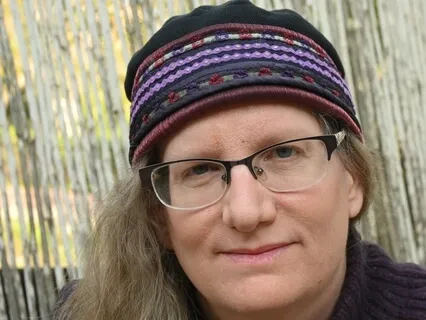
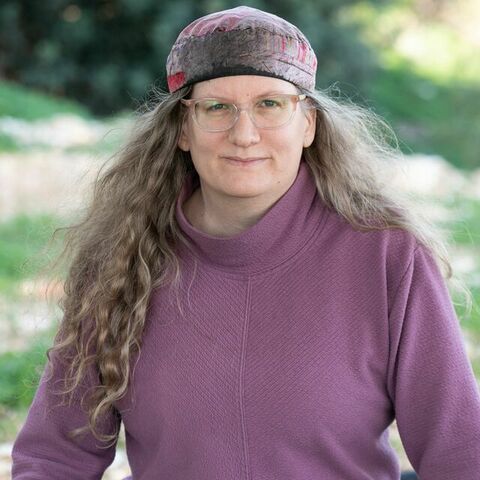
I am Rabbi Hasi Oriel Steinbauer,
The founding director of the Institute for Holiness,
Muhon de Kedushah,
Kehilat Musar here in Israel and the Galil.
I'm delighted to have you here.
We are live streaming to Facebook,
Twitter,
LinkedIn,
And anyone's welcome to join us on Zoom,
Finding the link at our web page or on Facebook and such.
You can also find us on WordPress for 5-Minute Musar,
The blog,
And all the information there.
So today,
We are going to begin with our intention,
Our kavanah,
As usual,
A short teaching,
And we'll move into meditation together.
For those of you new to what's going on here,
We are in the middle of the 40 days Elul practice of Musar mindfulness,
Where we take from the day of the new moon of Elul,
The Jewish Hebrew month of Elul to Yom Kippur.
And we have 40 days to the day of atonement to prepare ourselves.
And traditionally,
That is done by practicing more introspection,
More self examination and having days of retreat of silence and self care.
Now why self care?
It is practice in the Musar tradition as part of kavod,
Of honor.
It's very important that we take this time,
This silence to affect purification of our souls,
And allow us to be able to bring God's good into the world to be able to be present for others,
To be able to take responsibility for when we have caused suffering,
And to say,
I'm sorry,
And to let go and then to forgive ourselves.
This is all about the process over these 40 days.
We are in the second week,
The first week we looked at self forgiveness,
Self honor,
And we continue now with someone that is beloved to us could be anyone,
Someone we have more of an easy relationship.
And that's what we're looking at today as our final practice for this week,
As we don't meet tomorrow on Friday and on Saturday as it's my Sabbath time at 830 at night here,
And I don't meet online during that time.
So again,
Welcome everyone.
Baruchim habaim,
I'm delighted to have you here.
We open with our attention our kavanah and I'm going to pull it up here right now.
Thank you for your patience.
So before you,
You should see a beautiful purple plant if you do give me a thumbs up.
Teamwork.
So our kavanah we have three kavanah in front of us,
But we're only focusing on the first one for this week.
Welcome.
So before doing acts of caring for the self,
Which is what we're doing when we spend this 30 minutes together.
This is something I am doing to strengthen my own soul in order to be of benefit to others in the future.
So allow that enter to enter your own soul,
Your own heart,
To take it on during this time together.
If you have other intentions or other kavanah,
You're welcome to share in the chat.
But that is our group one that we're going to share.
So before we begin,
I'm providing a very short teaching.
Because it's it's a it's actually quite beautiful and if you spend time with it,
It's very rich.
So who is Rob Shroma Walby?
He may his memory be for blessing was is in our hearts a master Musa our teacher,
Someone who had teachers before the show before the Holocaust and came out of that world,
Still holding Musa and its teachings.
And this is from his text,
I'll assure.
And he says acting respectfully,
Meaning practicing self honor,
Kavod to yourself is an external way.
We reflect inner holiness.
So let me say that again,
When we act with self care and honor,
We basically externalize our inner kadusha,
Our holiness,
We allow our soul to shine through.
And that,
To be honest with you is one of the main purposes of most our practice.
We assign and believe that when our needs are soul traits are not balanced,
Then it actually obstructs the beauty of our soul and what we have to give to the world.
It closes it down,
It doesn't allow it to shine through,
It doesn't allow us to be as much in the world that we need to be taking up the proper amount of space.
And so this self care,
This type of acting respectfully to ourselves is reflecting this kadusha,
This holiness.
And we'll continue in that for this whole time in this practice.
With that,
We are going to move into our meditation practice.
Now for some of you,
You can actually walk during this meditation,
If you know how to engage in walking meditation,
It's the type that you can do with it very slowly,
Very mindfully,
If you feel like you need to be not be sitting in front of another zoom call,
Another sitting on another chair.
For the rest of us,
You can stand with your eyes with a lowering your gaze.
Or if you need to lie down due to chronic pain or other issues,
Just keep the eyes open.
So you remain awake and alert.
I will remain seated.
I'm going to encourage all of us to plant our feet into the ground.
So we're grounded,
We know that we're being held.
And we're going to take three deep cleansing breaths and allow our spine to come up right,
Not stiff,
But alerts present,
Allow ourselves to arrive.
Allow the gift of the breath to enter you it is a gift from God.
Just like this grounding and being held,
All of it being held and contained.
We've said this before,
But it's very true that in Hebrew,
The shorashim,
The shorash,
The root of words have deep implications and meaning.
And when we take a deep breath in the shima,
It is tied to our nashama,
Which is the same shorash,
The same root.
Non shin mem.
Allow the gift,
The shefa from God to enter you with the breath.
Take this moment to relax.
Let go of any tension in the body and the mind.
Relaxing the shoulders,
The chest,
The belly,
Even relaxing your facial muscles,
Especially around the eyes,
The jaw,
The tongue,
Inviting a sense of calm,
A sense of ease into your body and mind.
Inviting a smile on your face.
The smile invites relaxing of the nervous system.
It is a form of externalizing your kadusha,
Your honor and your holiness.
Sending a message of ease,
Of safety to the body,
To yourself with kindness,
Acceptance.
From time to time,
I will go silence.
You take that time to use your breath as your anchor until we move into our phrases.
It is healthy and normal for the mind to wander,
Which it will do its job.
Simply note it and bring it back to the present moment.
Scientific studies show self-compassion,
Which we do as a practice of honor and mussar,
Builds emotional resilience and moves us to the care system in our brains,
Where we care more readily for ourselves and for others.
This honor,
The self-compassion,
It promotes all sorts of healing and allows us to be fully present,
To do the work we must do,
Especially during these 40 days.
For those of you who have not yet reached out to your beloved person to ask for forgiveness during the 40 days,
Especially during this week,
Use the strength now of your vad,
Of your sangha,
This community here,
To let you know that you can do this.
Notice any resistance that comes up as I say these words.
Meet it with honor,
Meet it with understanding.
Hold any painful or unpleasant feelings with kindness.
Set the intention,
The Kavana now,
To hold any difficult feelings,
Any trace,
The art,
Torn mind.
In the body,
Any sensations that are unpleasant,
We're trying to draw you away.
Hold it with care,
Compassion,
And understanding.
Know that you are not alone,
Especially during this time.
Jews and even our beloved non-Jewish friends and followers are engaging in this process of teshuva,
Of returning during this time,
Of seeking to living their lives in alignment with their values.
We all don't honor ourselves from time to time.
We all block the inner kadusha from flowing.
That is a shared human experience.
Now,
Repeat these phrases to yourself with kindness and honor.
Draw into your mind's eye,
Really visualize your beloved person in front of you,
This person,
Or maybe even people who are dear to you,
That you have an ease of relationship,
That you have caused suffering this past year.
Bring them to mind and all their beauty and all their vitality.
May you be safe.
May you be kind to yourself.
May you accept yourself just as you are.
May you forgive me completely.
May you let go of any anger or hurt that I have caused.
You might breathe in the kavanah,
The intention now for the wish that they honor themselves,
That they respect themselves so that their inner kadusha,
Their inner holiness can shine through.
Each and every one,
Holy soul,
When the mind wanders,
Gently bring your attention back to your phrases and to your breath.
Ask yourself if I can be with this.
What is happening for me right now?
What most wants your attention?
Is it a thought that keeps returning to you?
Is it a bodily sensation that calls for love and attention?
Honor all that comes.
Know that you have the heart space to welcome all.
Everything is a gift in some way to learn about your own spiritual curriculum,
Where you have your own growth and your work to do,
And where you're already balanced and strong.
Notice if you have any difficult or painful thing that you're believing right now.
Note that you are not your thoughts or even beliefs,
That they do change from time to time.
And you can generally ask yourself,
Is this really true?
If the practice evokes strong feelings or emotions,
You can always come back to your awareness of the breath and return to your phrases when you are ready with self-honor,
Self-compassion.
We bring up our beloved people that we are seeking forgiveness from this week.
May I be safe.
May you be safe.
May I be kind to myself.
May you all be kind to yourself.
May I accept myself just as I am.
May you all accept yourself just as you are.
May you forgive me.
May I forgive myself.
May you be able to let go of all pain and suffering I may have caused.
What emotions does this bring up for you?
Where do you feel the emotions inside?
What is the felt sense of any emotion as a sensation,
Perhaps clenched,
Raw,
Hot,
Sore,
Aching,
Empty,
Squeezed,
Butterflies,
Perhaps even a release,
An opening,
Joy,
Warmth?
Can I be with this?
Finally,
Sit quietly for a few minutes.
Bring yourself to even more stillness.
If your thoughts wander or sensation in the body calls for your attention,
Simply recognize it and accept it and bring it back to your breath or your phrases,
Opening to whatever feelings or sensations are present for you.
I will bring us back to our space together after a few minutes.
The next session,
Master of Self- Cousin and yourlight witnesses and answers will now Thank you.
Thank you.
Thank you.
Allow yourself to take in any honor,
Any openness.
If no feelings come up,
Or if you experience any opposition,
Meet this with honor and kindness and acceptance,
Appreciation of your efforts and of your intention,
Your Kavanah that you brought today to your practice.
When you're ready,
Gently open your eyes,
Take your time to come back to the screen,
Which sometimes can be a little jarring after sitting meditation with eyes shut.
Thank you Shalom.
Honoring self honoring your practice,
Honoring God and honoring us taking refuge in our community and Torah and will start.
And then the practice of sitting together.
So beautiful.
So we're going to move through our forgiveness prayer that we say each night before bed,
Or right now,
If you don't do it before bed.
Traditionally before the Shama.
And you can repeat with me.
I hereby forgive anyone who has angered me or provoked me or send against me physically or financially,
Or by failing to give me due respect,
Or in any other matter relating to me in voluntarily or willingly inadvertently or deliberately,
Whether in word or indeed,
Let no one incur punishment because of me.
Allow my beloved ones to forgive me to let go of any hurt.
Allow me to take responsibility to ask for forgiveness,
To forgive myself.
And as we said yesterday today we will allow a bit of a shift to allow for a few moments of any questions any comments anything that anyone wants to share questioning about the practice,
And so forth so I welcome everyone to come off zoom.
I mean I don't see excuse me off of on a mute if you'd like.
And,
And I'm going to put us in gallery view.
And someone sending something in the chat right now.
So that of course,
The back is sure.
And you can go off mute if you wish,
And I try to see other comments to such as those who are listening in the Facebook and such but if I miss you then just please put comments in the comment section and I will be sure to get back to you and you're also welcome to do emails.
So,
Does anyone have anything they want to question or share.
Don't be shy.
And then I will ask a question because this is always positive feedback,
It helps me consider the next week.
If someone's willing to share,
How is the practice been for you,
Is it opening you.
Is it having the effect that you want it to give you the significance and meaning to you to meet like this,
Especially during this time preparing for Shoshana and Yom Kippur.
If anyone's willing to provide any feedback there that would be helpful to us at Kehila.
They go.
Thank you so much,
Everybody.
Welcome.
The process of forgiveness has opened my nashama my soul to be more inclusive.
I had no time for an apology for from someone,
And it never happened.
And yet,
The divine put this person back into my life,
Like around the corner from me where I live.
And it gave me the opportunity to just approach this person who is my ex.
As a holy soul that every soul is a holy soul.
The reading I did with my have route to partner this morning was along the same lines about acceptance,
And that everybody has their own journey.
And just because this other person doesn't want to spiritually grow the way that I have doesn't make them less.
And so forgiveness when I'm able to look at my ex with non judgmental curiosity.
Let me tell you that was that was a biblical because to not go in the past and not think about the future and to stay right here and listen.
This stuff is real.
I quoted Alan Lou,
You know,
This is real and we're totally unprepared.
I'm more prepared this year than I was last year.
And I think it's from my year of isolation during coven.
But anyway,
Thank you for my reminders of who we are.
And having the space to apply this into our lives.
Thank you for sharing.
Thank you so much for making yourself vulnerable and sharing and I'm so grateful to hear.
Yeah,
That's recorded forever and ever.
Anyone else wants to share.
I'm going to speak,
Corinne,
Are you there.
Yes,
It was very soothing,
And it was appeasing for me it helped me open doorways and gateways that I couldn't before.
Thank you very much,
And Shabbat Shalom for the week.
Thank you so much alone to you.
And the 11th day of Elul,
Even though it's the 12th now here for me because it's nighttime but that's okay we're in the 11th.
Thank you so much so grateful.
All right,
So grateful.
And as there's an open invitation.
Anything comes up,
Or,
You know,
Anything you feel like you need to explore or need support around be sure to reach out and bring it up also.
It's like a workshop that we're in doing this together we're all practicing and growing.
Oh my God,
I thank you so much.
I wish you all should about Shalom I remind you I don't,
We don't need tomorrow at 30 we don't need Saturday at a 30 but we will meet on Sunday,
God willing,
The Zohat Hashem.
And as I've always said before we thank you for your donations for any amounts to help with this practice and support the Institute's allows us to do this work and to give it to you.
And sponsorships are always welcome to,
As I said,
In memory of someone or an honor.
And with that I wish you all thank you so much.
Your practice,
And for being here and taking refuge so grateful.
Be safe,
Be courageous.
Looking forward to Sunday together.
Thank you.