Welcome to Life,
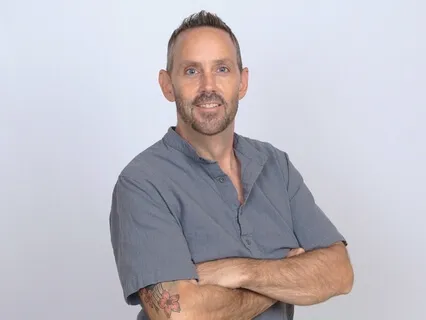
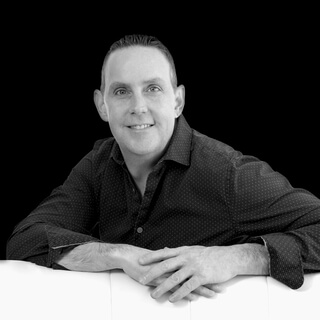
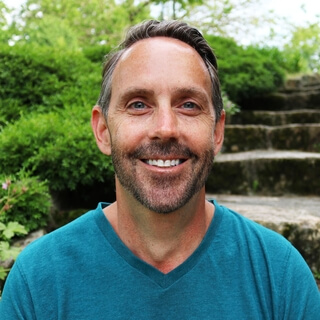
Lessons and Laughter with your host Glenn Ambrose.
Hey everybody,
Welcome to the show.
So today we have a special treat.
We have my other producer,
Dave DeAngelis,
That's on the show with me.
There he is.
Hi Dave.
Hi Glenn.
Hi everybody.
So he's kind of going to be doing Ben's job today,
Filling in.
And we're going to talk about something that's near and dear to your heart.
And dealing with loss.
That's right.
Yeah.
So,
I mean,
How long ago was it?
It wasn't that long ago that your father passed.
My father passed away last June.
Last June.
Holy cow.
I didn't even realize it was that long.
I sometimes forget as well.
Yeah.
It's one of those things where it's like,
It feels like it could have been yesterday,
But also like a couple of years ago.
Like you can't really tell.
Yeah.
Yeah,
Absolutely.
That's the waves,
You know,
I think it comes in where,
Yeah,
It completely has both parts.
It's like in certain ways,
It's like it just happened.
And then in sometimes in other ways or in other moments of time,
Which I think is really just our state of mind.
You know,
Depending on our state of mind,
Depending on the place we're in and kind of everything is like this.
So,
It's really a good way to explain it to people.
Because like sometimes I'll talk about being in good space and being in bad space.
And,
You know,
I think some people are like,
Well,
What's that mean?
Or perception is reality.
You know,
And this is a really good example of that because it's extreme.
So,
You know,
And most people have experienced the version of that or can identify with it to some degree.
So,
It's like this is,
You know,
When you're in a certain head space where when you're thinking about the loss,
It's consuming you.
And,
You know,
And there's large amounts of grief,
Well,
That's the space you're in.
And,
You know,
Now all of a sudden two days later,
You're just sitting there,
Nothing's technically different.
And all of a sudden you go,
Well,
You know,
This is part of life and I need to accept it.
And then all of a sudden you're kind of more chill with it.
When you're in those different spaces,
Whatever you're experiencing is your reality.
You know,
Like,
So like if you're in a really emotional,
Difficult time and somebody comes up to you and says,
Hey,
You know,
You're just in bad space,
Don't worry about it.
Just it's really not that big of a deal.
You know,
You probably want to choke them.
So,
Because,
You know,
It's like,
It's all consuming.
That's how you're interacting with life at that moment.
It's not just,
It doesn't feel like it's just how you're looking at things in that moment.
It's your reality.
And it's completely your reality and it's all encompassing.
And if anybody tries to minimize that,
It's inappropriate,
It's non-compassionate,
It's non-realistic,
You know.
So,
You know,
That it's completely real.
But then again,
You know,
Two days later,
All of a sudden you're in different space and somebody says the same thing that they said two days earlier.
And it's like,
Yeah,
Well,
That's kind of true.
And,
You know,
And so this is how,
This is what's meant by,
You know,
Your perception is your reality.
It's literally that much.
You know,
I say that kind of flippantly and I think a lot of people say it,
You know,
Oh,
Your perception is your reality.
Yeah,
It's all how you see it.
Yeah,
Yeah,
It's all how you see it,
You know.
And everybody kind of says that until they're in it.
Once you're in it,
All of a sudden it's like,
No,
You don't freaking understand.
Like,
This is serious.
This is my entire reality.
And it's,
You know,
So,
You know,
And I think that that is actually,
Might lead into one of the ways that we can help deal with it and process it.
Is if you can put like,
You know,
You don't have to try to change your reality.
Like if you're consumed by grief at the moment and that's your reality,
You don't necessarily have to try to change that and say,
Oh,
I shouldn't be feeling this grief.
I should get out of this grief and I should go into that other more pleasant space over here.
You know,
You don't have to do that.
But what you can do is just try to little by little practice becoming aware that sometimes you're in this space and sometimes you're in other space.
You know,
That's it.
That just puts a little distance between you and the grief.
Yeah.
You know,
So it just makes it like that much more manageable.
Because you know that,
You know,
It helps you wrap your brain around the reality that it's not going to be this intense forever.
That you're going to have good days too and I think that that's really the biggest part of dealing with grief.
Because grief,
You have to process some of it.
You have to feel some of that.
You have to allow yourself to experience the sadness that comes along with a loss like that.
Because it's real and it needs to be felt.
Otherwise,
You're just stuffing it and that's really not good.
I mean it's not good to stuff like when you get cut off in traffic.
Yeah.
You know,
Like so stuffing a giant loss of somebody that you love dearly,
That's like really detrimental.
You know,
That's like,
I mean,
Because it's going to come out.
You know,
It's coming out.
Like we think we're so like talented,
You know.
Oh,
I get it.
I've been stuffing for 40 years,
You know.
Like yeah,
I got this.
I just need to be busier or I need to drink more or I need an antidepressant for my doctor or,
You know,
I need to binge watch another television show or,
You know,
Whatever.
That's when you end up having a complete breakdown at some point when you don't expect it.
Oh my God,
Yeah.
Yeah,
A complete utter breakdown.
Like my friend committed suicide.
Well,
One of many people,
Unfortunately,
That I've known over the years.
But a close friend of mine a couple of years ago and I thought I was being all responsible with my emotions,
You know.
So I'm going in and I'm going like,
Okay,
You know,
How do I feel about this?
Make sure I don't stuff.
And I felt some emotions come up,
But I've done quite a bit of work.
I mean,
This is a big,
Like death is a huge thing,
You know.
I mean,
It's kind of the biggest.
So,
You know,
So like I've,
So since it's large and important and it's a big deal,
I've done work on that.
I've gone in and what do I think about death?
What do I think about my own death?
Like I've done a lot of work around this general topic,
Personal to me as far as my life,
As well as the lives of other people.
And I feel like I've got a healthy perspective around death,
You know,
That we're all going to experience it and there's nothing wrong with it.
And that makes my transition of processing these events easier,
I think.
I still get surprised every once in a while because,
You know,
I think I have,
Just because I have a healthy outlook,
It doesn't necessarily mean that I'm not going to experience grief or sadness.
And I noticed that when my grandmother passed,
She was the last grandparent I had that passed and I was really in good space around it.
I mean,
She lived a long life,
You know,
It just,
I was in good space.
But then at the funeral,
The level of sadness that came up and out surprised me a little,
You know,
Because it was still there.
But it was cool,
You know,
I embraced it,
I allowed myself to feel it and I didn't judge it and it was good.
And when my friend passed away,
I kind of,
So I tried to be responsible with my emotions like that again.
And I immediately went,
I was still in Rhode Island,
I immediately went up to Massachusetts and spent some time with his girlfriend and his sister,
Who I had known.
And tried to stay in touch and I still try to stay in touch with them.
And like I kind of was focused on trying to help them because it was just such a shocking and difficult time that I tried to focus on them.
I guess,
I think I needed to.
I think I needed to focus on them because I really tried going in and nothing was coming out.
And then like,
I forgot how long it was,
Like a month or two later,
Kind of once some of the dust settled,
I was driving to go somewhere for a weekend retreat and it all of a sudden it just started.
I just started crying,
I hopped in my car in Rhode Island and I was driving out to Cape Cod and I started crying and I didn't know why.
And I think the drive was like an hour and a half and about halfway there I started going like,
Why am I crying?
Like I don't even know,
I don't know why I'm crying and I'm like,
Is it because of my friend?
And as soon as I said that,
I just upped the ante and I started crying harder and harder and I was like,
Oh my God.
And I had stuffed a lot and I got to the retreat or right outside the retreat and I texted and I said,
I can't do this,
I'm going home.
And I turned around and drove back and I had the weekend because my son was staying at a friend's house and I just spent that weekend just diving in,
Feeling,
Processing,
Crying,
Purging,
Thinking,
Just working my way through it.
And it was very helpful,
Of course,
It was very helpful,
But it was so interesting that I didn't even know,
Like as aware as I think that I am around my emotions,
It blindsided me.
When it was ready to come out,
It was coming out and there wasn't anything I could do to stop it.
So,
You know,
I think,
And so that's,
You know,
Goes in line with what you said.
It's going to come out one way or another.
Oh,
Yeah.
Those floodgates will open whether you want them to or not.
Yeah.
So,
I mean,
What's your experience,
Ben,
Up until this point?
You know,
I think it's I've never been one to stuff emotions down at all,
Which is good in a way.
In other ways,
Some people would probably prefer if I did.
I'm super well,
It's that Catholic guilt,
Right?
I don't lie.
And I can't be I literally like feel like I can't be disingenuous.
So if I'm going through something,
I'm pretty much letting everyone know whether it's appropriate or not.
I'm kind of like in the opposite direction of that where it's like maybe stuff a little bit down in,
You know,
Appropriate moments.
But yeah.
But for this thing,
For this specific situation,
It was such a it was such a different experience for me.
Like my emotions weren't all over the place like I thought they would be.
And I I wonder if it was because I was just planning on it for so long.
Because my dad was really ill,
Not with you know,
It's not like cancer or something.
It was like diabetes,
Kidney failure.
So it was a very long,
Drawn out process where it was like he's OK,
But at any point something could happen.
You know what I mean?
Yeah.
And,
You know,
Just to give context,
He he had received a kidney transplant in 2013.
It went well for a few months.
And then there was issues where they said eventually it was going to die again.
And then he would need another transplant at some point,
Which to me seemed a little risky.
But that was the situation we were in.
So after a few years,
He was back on dialysis and then he was waiting for a transplant.
He really,
Really wanted it.
That was his thing.
He knew the risks,
But he was it was basically like,
I want my life back.
So I'm willing to risk it to get it back.
And it did not go great.
The transplant went well,
But he had complications later that ended up.
Ended up.
That was it.
And it was one of those things where it was like,
I can't believe it's it's actually happening now because I was it's it's.
All I mean is that it's probably a lot different than,
You know,
Everybody expects their parents to pass away at some point.
And you're you're not excited for it.
You're not really stoked about being ready for it.
But I had like this like I feel like it was a little more specific of like there's more of a chance.
And I feel like I just I weirdly felt that peace about it.
But I didn't want to say that.
You know,
I mean,
Yeah,
Because I didn't really feel at peace about it.
Like it wasn't like I wasn't OK with it.
But I didn't accept this.
Yeah,
I had accepted it before,
I think.
So I was kind of just like,
All right,
Let's do this.
Let's get through what we have to get through right now.
You know,
The initial stuff.
And then I'll do what I can to process it over time.
I feel like I've done OK,
But,
You know.
I don't stuff it down,
But I do have my moments where I just like.
It hits me more when I'm not really doing anything specific.
And then I'll my mind will wander and I'll be like,
Oh,
What am I?
What have I been doing the past half hour?
Oh,
I've been like lost in it.
I mean,
Yeah.
Yeah.
That's you know,
That's the that's when it comes up,
When we're not busy.
I think it's one of our our it's it's such a gigantic defense mechanism in our society.
Like what?
Why are why are we so busy?
I mean,
Really,
There's there's no you know,
There's this it makes zero sense.
I mean,
We we have increased technology.
Dramatically to make our lives and everything we do so much easier,
Take so much less time.
We can you know,
With the enhancements that we've developed in the last hundred years,
We can do twice the amount of work in half the time.
Yet we are busier than we ever were before.
It doesn't make any sense.
So,
You know,
There's that we're we don't have to do this much,
You know,
Like so there's to for our society to function.
It's not necessary.
So,
I mean,
There's got to be a payback for it.
And the payback is is that it's distraction,
You know.
And I think this is part of the the the spiritual shift that's happening.
And I think this whole topic is really I mean,
It's dealing with things.
I mean,
It's amazing how like we don't have as big of an ability to just shove things off to the side as generations did in the past.
Or maybe they just had like in this particular situation,
Maybe they just had a more realistic outlook,
Like from living on farms and and people getting.
Yeah.
People getting shot over card games,
You know,
Uncle Jimmy died.
It happens,
You know,
Like,
You know,
I mean,
He had a full house.
He kind of deserved it.
And I mean,
Even living on farms,
You know,
I notice a dramatic difference between people who live on farms or grew up on farms and and people who don't just because of the animals.
I mean,
You know,
That it's it makes a difference when,
You know,
You're eating your pet for dinner.
Oh,
Yeah.
Like there's a thing that you need to process as a child to understand the cycle.
So like,
You know,
That the stuff like that,
That makes a difference.
And I think nowadays,
You know,
We we can't stuff emotions like we used to.
Plus,
Our reality is different.
And this stuff is going to come up and out.
And,
You know,
Now,
Depending on when you're listening to this,
It's where we're in the middle of a pandemic now.
And I think this is the like this is one of the things that I think the universe is trying to show us is it's trying to stop all this busyness and going slow down,
Everyone.
Just stop for a minute.
You guys all have so much emotion and undealt with issues inside of you that you're just going busier and busier and busier,
You know,
Distracting yourself so you don't have to deal with it.
Like stop and people are stopping and it's starting to bubble up.
And I think we're going to see more and more of that over the coming weeks where,
You know,
This we can't stuff it.
This stuff is needs to be dealt with and it needs to be felt.
And I,
You know,
I think that the biggest so so with death,
I know I've said this before.
On podcasts that we've had around the subject,
I think the biggest problem with dealing with death specifically is that it's just like most things,
We blend a bunch of things together and then wonder why we have difficulty processing it.
You know?
So it's so we're blending and I think the two biggest and of course there's variations of this,
But the two biggest things we're blending is grief and sadness.
So,
You know,
Of course when somebody you love dies and is no longer on this earth to where you can have physical conversations with them,
I think it's normal to feel a sense of loss and sadness.
So that's normal.
And then we take this unconscious belief system that's in our society that there's something wrong with death and we blend those two together.
And it's nearly impossible to process that because it's,
You know,
It's two things combined for one.
And one of those two things is not true.
So it's kind of hard to process something that isn't true,
You know?
So like that,
I mean,
There isn't anything wrong with death.
You know,
Nobody,
Nobody,
We didn't sign a contract that said we're all going to live until 93 while we're here on earth.
And if like you don't live until 93,
Then there's something wrong.
You know,
It's,
None of us have a guaranteed amount of time.
And it's not,
And I don't say that to say,
Oh,
Okay,
So you shouldn't be sad.
No,
It's two different things.
You know,
There's sadness,
There's grief,
That's normal.
There's nothing wrong with it.
It's a normal processing of a situation that you wouldn't have chosen to have happen.
I get it.
You know,
But that,
If it's only that,
Then we have a shot.
But if we bring in this unconscious belief system that there's something wrong with death,
Now all of a sudden it just,
It makes it kind of insurmountable and almost impossible to deal with.
You know,
The,
And it's,
It's reinforced in our society.
Like I forgot who it was.
It might've been Eckhart Tolle or somebody,
Somebody talked about this years ago.
And it was,
It amazed me how society really reinforces this idea that there's something wrong with death.
Like as soon as somebody dies,
They throw a sheet over them,
You know,
And like if it's out in public,
They have to get them out,
Hide them somewhere.
So nobody can see them,
You know,
And,
And the first thing that everybody says,
No matter what the situation is,
Is I'm sorry.
Which implies that there's something wrong,
You know,
Like,
And it doesn't matter.
Like,
You know,
You see it on Facebook,
Like,
Oh,
My,
My grandfather died at 102,
You know,
And lived a wonderful life.
I'm sorry.
I'm sorry.
I'm sorry.
I'm sorry.
All these comments,
I'm like,
What are you sorry about?
The guy lived a great life,
You know,
And it was just time to move on.
There's nothing wrong with the situation.
We don't have to apologize for it.
You know,
If there's something wrong with death,
I mean,
Not only every person is screwed,
But every plant,
Every animal,
You know,
Everything on this planet is screwed.
The whole system is broke,
Which I don't think it is.
So,
Yeah,
So,
So what are your,
You know,
I mean,
I'm talking in a kind of a detached matter of fact way to try to bring an outlook that's not as common into this.
Absolutely.
So what are your thoughts on that?
I didn't really think about it like that,
But I have thought about it and I didn't think about the first part with like how it's like it's like shameful and it's like cover the body and it's like that's interesting.
But I have always thought about like when it is like my elderly grandfather had a full life.
It's like,
I'm sorry.
It's like,
Why are you sorry?
Like,
It's not that it's sorry for the like the fact that you can't,
As you said,
Like have a conversation with them and that's that's one thing,
But like good for them.
Right.
I mean,
That's I've always had a perspective like that that my parents gave me,
I think.
They let me know that and I was like,
You're right.
You're right.
Like,
You know what I mean?
Yeah.
So that was that's definitely that's really good.
It's funny like that.
It's you should separate it.
It's totally different.
The sadness is different from the fact that like we're not all guaranteed to live till we're 100.
No,
It's it's not written anywhere,
You know,
Like not even in stone somewhere.
So so yeah,
It's completely different and the sadness and you know,
I think another thing that's kind of.
Kind of common around this thing that I see is a lot is,
You know,
Especially in extreme grieving situations,
There's this thing that people latch on to that says life will never be the same.
You know,
And of course,
I mean,
You know,
It's it's it moves my heart to even bring this up.
But,
You know,
We see it even more so like when children pass.
Because that just man,
That just really screws with your head.
You know,
Like,
Come on.
I mean,
Children.
Come on.
Yeah.
Like,
Yeah,
It's like,
All right,
I'll deal with the heart attack at 50 thing.
But like,
Come on,
Really?
Yeah,
Exactly.
So but you know,
It's that's the most obvious,
But people do it at really any age and many different situations where where they they look at it.
And it's like my life is never going to be the same.
No,
It's not.
But I got a,
I'm just gonna say this,
And then I'm going to explain it a little bit more because might sound harsh when I first say it.
Life is never going to be the same anyway.
Like it literally nothing specific has happened today.
And starting tomorrow,
My life will never be the same.
Exactly.
It's,
You know,
That that's kind of how things are,
You know,
It's just,
That's life.
That's life unfolding.
So it's not this big,
Oh my God,
Life's never going to be the same.
So now bring in the specific of the situation.
Life's never going to be the same because I lost this person that I care about dramatically.
And if we want to bring in even more emotion attached to it,
It was a young younger person.
It was a child.
Because that's even harder to process.
So it's like,
Well,
No,
No,
Life isn't going to be the same.
It's not supposed to.
It's not going to be the same after you get into a car crash.
It's not,
Even if everybody's okay,
It's not going to be the same after you lose somebody that you care about.
It's not going to be the same after you get a new job.
It's not going to be the same after you meet a new friend.
It's not going to be the same ever.
Now is losing a child or losing a loved one in general going to change it even more dramatically?
Yes.
Yes,
It will.
Yes,
It will.
Absolutely.
And the processing of it and learning to function in new ways,
It's probably going to be one of the hardest things you ever do.
So I'm not comparing the intensity to making a new friend.
What I'm doing is I'm saying,
Of course it's never going to be the same.
Loosen your grip on life's never going to be the same because of course it's never going to be the same.
No matter what happens to you,
It's never going to be the same.
We're constantly evolving.
We're constantly growing.
We're constantly finding new ways to function after things happen.
That's what life is.
The reason I bring this up is because if you don't look at it consciously,
What my life is never going to be the same turns into is I'm going to be carrying this horrible sensation and feeling for the rest of my life.
Exactly.
That's what it turns into if you don't look at it.
If you just run around saying my life's never going to be the same,
Unconsciously what you're implying is that I'm going to be miserable forever.
And what that does is it takes this little thing of hope and it pulls it right out of your life and you don't have any chance of ever experiencing any sense of peace or normality in any way,
Shape,
Or form.
And that's what's dangerous.
That's why I bring it up is because latching onto a little thought like that can suck the hope out of anything ever resembling normality in any way.
And like I said,
That's what's dangerous.
Absolutely.
I think,
Not to reach it all,
But I feel like dealing with loss right now,
People are losing a lot of things.
And their lives are never going to be the same because of many reasons like they've lost their jobs.
They've lost their sense of normalcy.
And I feel like in the same way,
If you do latch onto that right now,
Then you're you're going to have a really tough time adjusting and evolving from that point because we have to write.
Right.
We have to start evolving and trying to.
Yeah.
It's easy to just wallow in that in any situation,
Especially like this one.
Yeah,
Absolutely.
I agree.
It is a nice kind of mirror image of what we're going through right now with all the difficulties.
And that's another big lesson I think that we're supposed to be taking out of this is that this sense of safety that we think we have is illusory.
It doesn't exist.
People think that if they have a steady job,
Then they're safe.
And if you don't have a steady job that's affected by commission or gigs or clients or something that doesn't have a steady flow of income all the time,
Then we'll point to the people who have the steady job and we go see,
Well,
They're the lucky ones.
At least they have some stability.
I don't have that.
No,
They don't have it either.
As we can see,
It looks more like they do.
But really,
When crap hits the fan,
They kind of don't.
Right.
And that's what we're seeing now.
And we're seeing more of a realistic view of life,
In my opinion.
We're seeing the reality that we don't have.
There is no safety here on earth.
We can't control what happens in our life.
And if we take our hands off of it and stop trying to control it,
Then all of a sudden we can start developing a different way of interacting with the world where we're more accepting of it and when things happen.
I know that I've been teaching this stuff for years and I know this has enhanced my life more.
I'll give you a little example.
Just out on my bike rides,
What I noticed I was doing is,
When you're riding a bike,
Just keeping the flow going is really enjoyable.
So stopping every time you hit an intersection kind of breaks that flow.
So I like being able to go through intersections.
And especially down here in Florida,
Everything is wide open.
You can see for quite a distance.
So I noticed what I was doing is I was projecting ahead as I was coming to an intersection.
Like,
Oh,
I hope there's no cars there.
And then if there was,
It was like,
Oh,
I have to stop.
And I was riding the other day and I was like,
Why am I trying to control life?
Why did I set this rule for happiness that if there are no cars at an intersection and I get to cruise right through,
Then life is good.
And if I have to stop,
Then life is bad.
Like,
How controlling is that of me?
How presumptuous,
You know?
So I was like,
Why don't I just relax and go,
I don't give a crap if there's a car there or not.
If there is,
I'll deal with it.
Like,
I'll stop if I have to stop and I won't if I don't have to.
And it's the amount of freedom I experienced by not trying to control the cars coming at an intersection.
I was like,
This is really enjoyable.
So of course,
I'm trying to do it in every situation.
You know,
I that's really good because that's how that's kind of where I'm at right now.
Right.
Every day I'm like,
You know,
As we all are,
We're all thinking of all the horrible things that could potentially happen or could not happen.
But I really am trying to do that where it's like,
Something happens,
We will deal with it.
Why am I why am I fully expecting everything to go wrong?
And how is that going to help me today?
Right.
I mean,
Right.
And it's and that's exactly it's not it's you know,
It's like I heard years ago,
It's like it's like paying interest on a loan that you haven't gotten.
Oh my god.
You know,
Like you're paying with your worry.
Oh my god,
What's this happens?
And I mean,
Negative toxins are shooting through your body,
Stress is increasing,
Lowering your immune system,
You know,
And that's that's physically not to mention what you're doing to yourself mentally,
Driving yourself crazy and putting yourself into a negative headspace and all this just horrible existence that we're inducing upon ourselves.
For what?
Like,
It literally does not make us any better.
In fact,
It hurts us by lowering our immune system and all the other physical aspects that it attacks,
But in the negative headspace,
But there is zero positive benefit to it.
It doesn't make us more prepared.
You know,
That's people get caught up in fear and they think that that makes them more prepared.
It actually makes you less prepared.
This is hence the toilet paper.
You know,
Because you do stuff that literally doesn't make sense.
Toilet paper,
Like,
You're losing it.
Does that make you crap?
Does this virus make you crap?
No.
Okay,
Then why are you hoarding?
Why all of a sudden is there going to be a problem with toilet paper?
Toilet paper?
Like,
Is anybody there?
No,
Their brain shuts down.
Your brain tries to force you into fight or flight when you're fearful.
So your brain literally shuts down.
There's less blood flow to your brain,
So you're thinking less clearly and you make worse decisions because your body doesn't want you thinking.
I've said this before,
If a tiger was chasing you when our mechanisms were developed thousands of years ago,
If a tiger is chasing you,
Nature doesn't want you doing math.
It wants you to either run or fight.
That's it.
So it's trying to push you there.
So you think less clearly.
So like,
If you just stop,
Relax,
Go,
Okay,
This is the situation.
This is the facts of the situation.
Is there any action that I need to take from a calm space?
Well,
I could go to the grocery store and stock up on some things that I might need if I'm stuck in the house for a while.
Okay.
And then you go,
You take that action,
And then you come home.
Fear is unnecessary.
It doesn't benefit you by getting all worked up and panicking over what might or might not happen.
It's like anything.
Do I need to get gas before I hit the highway?
Yes.
Okay,
Then I'll stop and get gas.
There's no fear shooting through you.
I'm just going to go for it.
No,
I really hope I don't run out.
Yeah,
You can still use your.
.
.
People think that they function better through fear,
And they don't.
They function worse.
How dare you?
I know.
How dare I strip that away?
But what's nice is that I've known you for years.
Look at what this has pushed you into.
A healthier way of being.
And this is what everything can do.
This is what loss can do.
This is what a difficult situation can do.
And I know we didn't talk too much right when your father passed,
But the stuff that Ben told me,
I was moved at how beautiful an experience.
Because I was looking at it basically unattached and going,
Okay,
How's Dave dealing with this?
What's going on with his family from an outside perspective?
And I was moved at how beautiful the experience was from a distance because I wasn't all caught up in the grief and the loss of it.
And I was like,
Oh my God,
This is just.
.
.
I mean,
It still moves me thinking of it.
It was beautiful.
It really got you in touch with a beautiful side of yourself,
Which is.
.
.
So we'll bring it home with the spiritual law that this represents.
And what it represents,
I think the biggest one right now is it's not what happens.
It's how we deal with it.
So it's not whether there's a car at the intersection or not.
It's how I deal with it that determines my happiness.
It's not whether somebody passes that I love or not.
It's what I use that situation to do for me that makes a difference.
Do I use it to close off?
Do I use it to shut down?
Do I use it to become a lesser version of myself and constrict because it's too painful for me to deal with?
Or do I use it to open me up to become a better version of myself?
You know,
It's.
.
.
And everything is like that.
Absolutely everything in this planet is we have a choice.
We either open or close.
We either choose love or fear.
We either constrict or we open.
You know,
It's either an opportunity to become a better version of ourselves or it's a reason to close off and be a worse version of ourselves.
And that is solely up to us.
We have free will.
Everybody has a choice.
And you,
You know,
From what I saw,
You chose your father passing as an opportunity to become a better version of yourself.
And what.
.
.
There is no bigger.
.
.
There is no bigger blessing that you can give to somebody that passed.
Because they're on the other side.
They're fine.
You know,
So whatever we're dealing with is our crap.
Like,
They're fine.
You know,
And it doesn't matter what your beliefs are.
I mean,
Most people believe in something so,
You know,
We'll lean in that direction.
Okay,
Well,
They're in loving peace and beauty and bliss forever.
Oh,
Poor you.
You know,
They're fine.
Or somebody believes in nothing.
Okay,
Well,
They're not.
.
.
They're literally in the ground and they aren't experiencing anything.
So there's no reason to feel sorry for them because they're literally not even conscious anymore.
You know?
So it doesn't matter what you believe.
You know,
Everything's fine with them.
So it's about us and,
You know,
How can we honor the lives of somebody that we loved?
I mean,
And I think the best way is to flip-flop it.
You know,
If I pass,
The last thing that I'm ever going to want anybody here on earth is to walk around carrying this bag of shame,
Guilt and horrible feelings around attached to me.
You know?
That's the last thing that I'm going to want.
I mean,
What I want is everybody going,
You know what?
Man,
That dude was a flash in the pan.
You know,
He was fun when he was here.
You know?
He did some good stuff.
Cool.
Now he's up there.
I'm sure he's up there laughing his butt off at us.
And,
You know,
And just enjoying the memory of me and moving on with your life.
I don't think that if you walk around through life moaning because I'm no longer here,
That that means you loved me.
Yeah.
And you're not really doing you a service.
No.
That's what I've I have thought about that about my like the last possible thing that my dad would want is that.
That's the last possible thing anybody would want,
Even if they're saying it on their deathbed.
Because once they cross over,
Their eyes are going to pop open.
They're going to go,
Oh,
My God,
I can't believe I was telling people to mourn me.
What an idiot I was.
You know,
I would just wish for them to find peace.
Absolutely.
People love is eternal.
We're not I mean,
Our bodies are our spirit is,
You know,
It can't be nothing real can be threatened.
Love cannot be threatened.
Love is eternal.
So the love that you and your father have between you is eternal.
So if he's looking down in love,
The last thing that he wants is for you to feel crappy in any way,
Shape or form.
The most he would want is for you to live the fullest version of yourself and to express yourself as fully as possible and to embrace love and life as opposed to fear.
You know,
That's what somebody would want.
So if we're trying to honor if we're trying to show somebody how much we love them,
Then do that.
Embrace life.
Embrace what they would want you to be embracing.
That's how you honor somebody.
You don't honor somebody by not giving them what they would want.
I honor you.
I will be miserable forever in your honor.
And I know that you don't want that because it doesn't make any sense,
But I'm going to do it anyway because I honor you.
Yeah.
So,
You know,
I think that's gaining perspective.
Death is like most things,
Man.
It's not rocket science.
It's about pumping the brakes,
Slowing down and really looking at does this make sense?
And to become a lesser version of yourself in the name of loving somebody else,
It's incongruent energies.
Yeah.
You know,
Like I'm going to close off in misery because of love.
When you break things down like this,
That's a really easy way to go.
Well,
That doesn't make any logical sense.
I can't do this.
And that's when you get caught up in it.
It's a lot different when you break it down like you just did.
It's like,
Well,
Why would you do that then?
Right.
And that's what we have to constantly do.
That's what we have to constantly do.
We run around behaving in ways that are socially acceptable,
Unconsciously,
That don't make any sense.
And we just don't slow down to look at them and go,
Wait a minute,
Like,
What?
Why?
Like,
How?
You know,
Yeah.
For what?
Like,
Why is this supposedly going to make sense?
And it's and it just doesn't.
It doesn't make sense.
And I think,
You know,
We're seeing a lot of this.
Like I said,
I believe that everything going on with this pandemic is an opportunity for growth and change because the way we're doing things isn't working.
And this is and that's what we just said,
Right?
Like if if you look at what you're doing,
It doesn't work.
It does.
It literally doesn't make any logical sense.
That's what we're trying to do here.
Slow down and look at the way we're loving,
Living and understand loving.
There you go.
You know,
Look at it and understand that it literally doesn't make any sense and just choose a way that does.
You know,
That's that's what I think that that gives me the biggest jazzy feeling about spirituality is because when I used to hear about religion and spirituality,
I used to think that it was this woo woo philosophical,
Theoretical stuff that floated around and it never did anything.
And when I really understood how it worked,
I was like,
Oh my God,
This makes logical,
Perfect sense.
And the way people living life doesn't like everything that they say is logical,
Lacks all logic.
And everything they say is woo woo and spiritual is perfectly logical.
Yeah,
I love it.
So well,
We went way over with this one,
But it's a big topic.
So so be it.
And plus,
We haven't talked in a while.
So that's true.
So we have multiple excuses.
Yeah.
Thank you very much.
My pleasure.
Well,
Thanks for being part of this,
Dave.
It was I think it's you know,
And and I think that.
I guess in closing,
I you know,
I think it's important for people to understand that.
You know,
For you,
You really did go through,
You know,
The passing of your father was a big deal.
Like some people,
Some people aren't as close to their parents.
Some people,
You know,
Whatever.
There's different situations and I'm not judging any of them.
What I'm saying is when your father passed,
It was a big deal.
He was a big patriarch in your family.
He you know,
He like it was a big deal.
And so the reason I say that is because,
You know,
If you can have a conversation like we just had here.
After a large loss like that.
I'm hoping that people are going to understand that no matter what you're feeling inside with your loss,
That it's possible for you to have a conversation like this also.
And,
You know,
It's possible to relax a little bit and start opening.
You don't have to dive right in and be like,
Oh,
This is going to be my new reality.
Nothing bothers me anymore.
It's chipping away at it a little at a time,
Hanging on to the hope.
When you're caught up in the misery,
Allow yourself to feel a little bit.
Then bring in some of the other way of thinking a little at a time,
A little at a time,
Where also NASA starts to get a little bit bigger.
And after you process some of the sadness,
That aspect gets a little bit smaller.
And you don't have to worry.
You're not going to forget anybody.
People think people think like,
Oh,
If I start suffering,
I'm going to forget.
Yeah,
Exactly.
Yeah.
No,
There's no way you're going to.
Don't worry.
You're not going to forget anybody that you loved.
And your life is going to be calm.
If you do this properly,
Your life is going to be a living monument to them.
And what's better than that?
I love it.
All right.
Well,
I guess we'll wrap it up.
Thanks for listening,
Everybody.
Thank you to Dave for doing this one.
And we'll talk with you all soon.