Welcome to Finding Your Right Mind with me,
Vanessa Potter.
So it's finally here,
My last episode of Series 1.
And I can't believe it,
It's the end of my first ever series.
I'm not sure I want to ask this,
But how did I do?
Did you like the episodes?
Which one was your favourite?
Tell me!
I would love to hear because all of your feedback informs what I do,
And I really mean that it does.
Speaking of informing what I do,
Series 2 is already in the bag!
I am beyond excited because this is something completely different.
This series is called 440 Years of Female Wisdom,
And there is a story behind how it came about.
So you need to check out the trailer which is coming up with all the details,
But I guarantee you will love it.
It's going to make you think,
It's going to make you ponder,
It's going to stay in your mind throughout the day,
And it might even make you cry.
But let me get on and introduce today's guest.
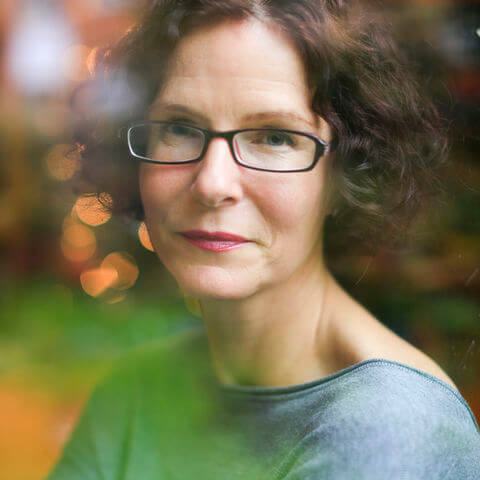
Elif Clark is a transformational breath teacher and psychologist.
Now,
I was introduced to breath work on a psychedelics retreat of all places in 2019,
And it rocked my senses in a way I had never expected any modality to do.
Breath work was not what I was expecting.
It's kind of like the biggest secret that nobody ever tells you,
Particularly when it comes to trauma treatment.
When they told me they were going to be running a breath work session,
I thought,
Yeah,
Pratayama,
Lovely,
Some nice relaxing breathing.
But man,
I couldn't have been more wrong.
Now,
I'm going to do a shameless plug for my new book which came out last week called Finding My Right Mind,
Because breath work is all in there.
It is chapter 12 and three quarters.
Thank you for everyone who has bought my book so far.
I'm absolutely thrilled that it's had the reviews it has.
It's very exciting.
Anyway,
Getting back to the breath work.
Elif will look at the theoretical principles of breath and breathing and whether you are breathing correctly,
In fact.
If you have never heard of breath work,
I can guarantee you need to look at how you're breathing right now,
Because it's probably wrong.
And Elif will take us through different styles of breathing and why transformational breath is so good for emotional release in trauma treatment.
So take a big breath in and listen up.
As always,
If you like what you hear,
Review,
Please give me a review.
And you can even nominate me in the Great British Podcast Awards.
Hi,
Elif,
Thanks for joining me today.
It's great to have you on the podcast.
I'd love if you could just start with telling us a bit about your background and what made you become a transformational breath coach.
Thank you Vanessa.
I had always issues with my breathing eight years ago while I was working really hard for NHS.
I'm a psychologist.
I started kind of showing some symptoms of depression and anxiety.
So when I started having anxiety,
I realized my breathing is actually one of the main factors that is exasperating my anxiety.
So I was very much like a chest breather,
Shoulders and neck and all my body was breathing,
But not really breathing properly.
And also I had a lot of trauma in my body.
Over the years I received therapy and it really helped me understanding and practicing different tools to feel better.
But there was always like,
Oh,
I know,
But yes,
But feeling.
And my body was constantly giving me the signal of I'm not,
Something is not right,
Something wrong,
Something bad going to happen.
So I thought,
I don't want to talk anymore.
What's really happened as a child.
And I just want to just want to read and see what comes up.
So I had this weekend and I enrolled straight away this program seminar,
Level one,
Two,
Three in transformation breath.
And we had this three weekends.
First weekend was a physical weekend.
And I just blew,
It just basically blew my mind.
And until that time,
I didn't know how numb I was,
How much I was holding my breath to hold my emotions down.
And that was the reason why mainly I wasn't breathing properly.
I was really fighting not to feel my emotions.
So I was very numb and dissociated,
Disconnected.
I was neither feeling joy nor sadness,
Nothing.
So the first weekend I started feeling my feelings,
So much grief,
So much sadness came,
Cried nonstop.
And then afterwards I thought,
I need to learn this technique.
If something gets through me,
That means this is really working.
I really need to know this technique.
And I just couldn't stop studying and doing the courses.
I mean,
I finished everything in six months.
I went to abroad to do the further studies without waiting here to come here.
I just did,
Yeah,
I'm doing this.
I'm doing this.
So since 2013,
Working in workshops and then became a senior trainer recently.
So yeah,
This is the way I think this tool is just amazing.
It changed my life and I'm very,
Very grateful that I can offer this to anyone who might need it.
Thank you.
I think this is a common path for people who go into somatic and breath and body work,
That they come from the feeling,
The knowledge of knowing what these problems are and finding their own solutions.
And of course that makes you such a passionate teacher because you know firsthand what this was like,
And you know that this is going to help.
I think what would be really helpful because I think there's a lot of myths and misconceptions around breathing.
People think,
Oh,
I breathe,
You know,
What's there to change?
I breathe in and out.
I breathe all day.
Could you maybe explain the difference between chest breathing and belly breathing and how we can breathe incorrectly?
And some of the myths that surround this very natural function that we all do every minute of the day.
Yes,
We all do like we do 30,
000 times a day.
Most of us really have a,
We call dysfunctional breath.
We either breathe from the chest,
The shoulders,
The neck,
Or just only from the middle abdomen,
Not even the lower.
So with this,
The chest breath,
It creates anxiety and it triggers fight and flight response,
Which is body's protective response.
In a vicious cycle that creates all more anxiety in the body.
So that's what we call wrong breath.
What is the right breath is the diaphragm breath from the lower belly and to the middle using by using the diaphragm,
Which is diaphragm is actually is a dome shape under the ribcage at the base of lungs.
So when we inhale the proper breath is when we inhale the diaphragm contracts,
The abdomen pushes down and massages internal organs.
And we have just a tiny bit of that abdomen out.
And when we exhale,
Diaphragm goes into its own shape,
Dome shape and releases.
So doing this function is what is going to make us healthier physically and emotionally.
If we are able to breathe from the diaphragm,
Then eventually the breath will come to the our chest slowly,
Gently.
But the main place is the diaphragm breath.
And that is the way of breathing correctly.
Like a baby.
I mean,
When we were born,
We breathe correctly.
It's like an ocean base,
Very gentle inhale using the diaphragm,
Soft and silent exhale.
But over the years dealing with the stress,
Dealing with the life experience,
We hold our breath.
We started breathing in a different way,
Which creates more the dysfunctional breathing.
And then we don't even think about how we breathe.
It's like automatic part of automatic nervous system.
So when we don't think about how we breathe,
We just breathe the way the body gets used to breathing.
But it's the lucky thing.
We are very lucky.
I don't want to say the word control,
But kind of work with the breath to do,
To actually give us a healthy functioning of the body and the mind.
So we are lucky.
Once you start noticing your breath and then you realize,
Oh my God,
I am not breathing.
Then you have the tool to change the way you breathe and to change the way you feel and ultimately really change your life.
Yes.
It's a very powerful function within the body.
And I'm,
I was thinking the whole time when you were speaking,
This is why it's called conscious breathing because you become consciously aware.
And I'm very,
I'm kind of also thinking about how it's bi-directional.
So your breathing will reflect your mental state and your mental state will affect your breathing.
So I suppose we were very cleverly designed with an override,
Which is the ability to then consciously interrupt perhaps the most,
The more dysfunctional or unhealthy breathing,
Which could be higher in the body,
Lighter breathing,
Which is for running away for,
In a panic situation to intercept that,
To make it go back down to the belly breathing,
Which is more the soothing,
Restful healing kind of breath.
I'm also intrigued as well about the speed of breathing because having read up quite a bit about this,
There's quite a lot on the optimal length that you breathe in and out.
And there's lots of different breathing meditations and breathing techniques.
Could you just talk a little bit about the length of time?
Cause I think people get really confused on how long you breathe in and out for.
I mean,
As you said,
There are different type of breath work and breath schools.
So each breath schools emphasize their way of breathing.
And they're all,
For me,
They're all valid.
Some breath schools says you're going to inhale,
Like my breath school is longer than exhale,
Exhale will be shorter.
And that has got activation of some sort of emotional activation.
That's kind of the powerful therapeutic work for me.
Then the other kind of breath like pranayama,
You know,
Inhale,
When you inhale the way comfortable and then the exhale and inhale will be the same number,
Like a coherent breath.
And pranayama is like inhale long.
I mean the inhale,
Like say four exhale slowly,
Slowly eight.
So every breath schools have tried to say,
This is the best way of breathing and they all work whichever way it is,
It works.
At least physically really triggers the parasympathetic nervous system,
Which is the calming and connection nervous system,
Safety nervous system.
Once that has been triggered,
It doesn't matter how many numbers that you are inhaling and exhaling and you will get incredible benefits from all sorts of breathwork.
Yes.
And I think there's a really important distinction here between everyday normal breathing and being aware of if your chest breathing or belly breathing,
And then a transformational breath experience,
Which is probably worth us going through,
Because I certainly had no idea what was involved with a breath session.
And I think it's quite easy to use the language and have lots of blank faces going,
What do you mean a breath session?
So when you do transformational breath,
It's a very specific therapeutic environment.
And that is a time where you employ a very,
Very specific kind of breathing for a short,
Relatively short period of time with the intention of a particular therapeutic goal.
So do you want to maybe separate that out and just explain,
Go through what a transformational breath session is actually like?
You described really lovely in a simple summary way.
I mean,
From all those other breath schools,
Our differences is,
Is that is a therapeutic,
Is only happens in a short time in the therapy session.
You don't go out breathe the way we do a breath,
But that means that in the session after the initial intake with the client opening the session,
And we ask breathing from the mouth.
So you don't breathe from the mouth naturally.
That is,
You always breathe from the nostril.
That is fact,
Which is only for this kind of breath.
You could breathe from the mouth short time because the mouth breath takes you to the breath goes deeper into your lower abdomen.
And the,
That means the diaphragm pushes much,
Much,
Much deeper.
So it's kind of the mouth breath help you to really to let things go surrendering because it really triggers the right side of the brain more.
So there is not really control going on in the way that you are breathing or not controlling your emotions.
Whatever comes is you are letting this happen.
So is a therapeutic breath work.
That's what happened with me and what happens with my clients.
It goes right into the cellular memory of the body,
Which stores a lot of our unexpressed emotions and memories.
It's all that.
So that transformation breath,
The name itself transforms,
Brings that up,
Turns into the place where you feel it happened to me,
Peace and understanding,
But not the intellectual understanding and emotional embodiment understanding of what really happened to you is that you see it in a bigger picture and you started feeling more love and compassion to yourself.
Doesn't come like,
Oh,
I want to feel compassionate and loving to myself.
It doesn't come like that.
It happens,
But only happens by bringing all those repressed and suppressed emotions out the way that we breathe,
Which is actually circular breath,
Mouth breath,
Circular breath,
As if there is no pause between inhale and exhale and exhale much,
Much shorter than inhale.
Like a ocean waves,
In,
Out,
In,
Out.
It's similar to the,
Our babies.
In fact,
That's the way they breathe.
So it is a therapeutic breath.
And once my clients experience that during the session and that comes to tears or joy that they,
They don't,
Of course you don't allow themselves to feel.
And this kind of feeling of lightness happens physically.
You feel like,
Because you really release all those packages,
The emotional packages,
Emotional traumas,
You store in your body,
Release it,
Let it go.
And then you feel really just lighter.
Even one session for me,
Really,
It was equal to the whole year of therapy.
I had that experience.
And many of my clients had that experience.
Yes.
And the first time I experienced transformational breath was quite shocking actually is a word I would use.
Yeah.
I saw you when you were with me,
Like totally bewildered and shocked.
Yeah.
If,
If you come to transformational breath and maybe don't do a little preparation for what might happen,
I think it can be quite a big experience.
Obviously it varies person to person,
But I certainly found that my emotions,
In fact,
I described them in my book as a cannonball and it was this huge cannonball,
Which is a big,
Uncomfortable,
Hard thing rising up through my body.
And I had no control over it.
And as many,
Many people who've experienced trauma and difficulties in their past control is a mechanism for safety control is,
Is your strategy for,
For coping.
And so to not have that intellectual control over it was,
I was kind of curious and horrified all at the same time and highly emotional.
And I found it one of the most releasing experiences,
But I also found it and I'm wondering if this is something that comes up and how you deal with this.
I found it overwhelming.
Actually,
I found that it's like a cork being taken out of a champagne bottle,
But not just any champagne bottle one that's been shaken a lot.
And so sometimes that emotion coming out can be really overpowering.
What do you do in those situations where you've got a client perhaps that's,
You know,
Has a lot that's being kept under wraps that suddenly,
And it explodes,
Doesn't it?
It's like a massive release.
Yes,
Yes.
And had happened many times.
So my background is a psychologist that really kind of really helped me to deal with this,
What's really happening and helping my client to bring it to come to the place of safety.
It can leave you with feeling of unsafe and you just suddenly the whole things are up.
So I,
First of all,
I really create a safe place.
And I also prepare my client in advance.
If anything happens like that,
Without really kind of boring them or taking the process away,
I just say,
You know,
This is your session.
You have the ability to bring yourself with my help to your body and to the place of safety and tell them that,
You know,
When that happens,
I will ask them to breathe from the nostril.
The mouth is closed and I have,
There is a way of that.
I put my hands in their belly and my hands in their feet to have them to ground in the body,
Bring them to the body from the oldest emotions to the body,
Sensing it,
The body.
So I had them to build resources kind of in the therapy before the session.
When I take all those client intake form,
When I see that as a lot of trauma involved,
A couple of sessions,
I spend a couple of sessions resource building,
Teaching them how to can,
They can be in the body when there's a trauma comes up.
And I asked them to bring something that they can hold in their hand during the session and to say,
Yeah,
I am here.
I'm in my body.
And I asked them to also,
You know,
Had them to create a safe place.
So we build a kind of safe place together.
So there are a couple of things that I bring in from my own work with the trauma patients at the NHS to my work with my clients.
And really at the end of the session,
Everything is calm.
Everything is really,
They fill in the body and I make sure they don't leave my place without feeling that they are,
Their nervous system is relaxed and calm.
And even that I offer them even some sort of protein at the end to just eat something like simple stuff like nuts.
And I also do also the follow-up,
Quite a lot of follow-up.
So I am very conscious of that and I prepare them to empower themselves to contain whatever is coming up.
And the other thing that you mentioned there,
The hands-on body work,
I found that I've done sessions with and without that.
And that's quite profound along with the suggestive language as well.
There's pre-questionnaire,
You will obviously identify certain maybe intentions or certain issues that you feel might be blocks or things that you've brought into this room into this session.
And I am quite aware how,
When you're in that breath work moment,
You're quite suggestible.
You're in a particular state of mind.
You're in a very receptive and open state of mind.
And so that suggestive language is very impactful in those moments.
I'm assuming that was something that Judith Kravitz,
Wasn't it,
Who originally designed this,
Who was very aware of that.
And is that something when you do your training that it's sort of an element of the course that you talk about that suggestive language in that body work?
Yes.
I mean,
One of the things that really helps my clients to feel safe is my suggestives,
We call affirmation,
But in a positive,
Total positive.
And when you,
As you said,
When you are breathing,
You are unconscious,
Your unconscious opens up,
You receive whatever is given.
So it's a suggestiveness,
Which is comes really positive,
Really at that moment.
Like I say a lot of like,
I am safe in my body,
Safe to be here,
Safe to be in my body while I'm working,
While I'm actually helping,
Putting my hands in their belly,
In the,
On their feet.
There's a lot of suggestion,
But is that really calms the nervous system down.
And it's just incredible too.
It is.
And I'm wondering during the pandemic,
How have you seen that affecting your clients?
Are they coming with new problems,
Different problems?
How has it affected things?
At the moment,
I mean,
I used to see lots of face-to-face,
I have lots of like a long,
Long waiting list with the pandemic,
Obviously it's not happening.
And people also now with the trauma issues and I'm doing client work on zoom,
But it's interesting that there are people coming in with at the moment,
Very collective trauma and every kind of trauma.
Trauma is not like a big capital T is small T anything could be traumatic now,
Anything.
I mean,
Sitting in front of the zoom eight hours can be traumatic because that triggers fight and flight response.
And suddenly you shut down triggers the freeze.
So there are so many people coming now to me,
It's not like big capital T with lots of small trauma,
Trauma of losing job,
Trauma,
Losing loved ones,
Trauma of the staying in front of computer for hours to make money.
And you know,
It's,
It's a disconnection from people,
Disconnection from them says the variety of the problems now is so extensive,
Not just the anxiety and depression,
But there's not any more anxiety and depression.
So-called kind of problems.
There's so many problems interrelated at the moment.
The problems are complex.
So I designed my own way of working with people.
Now I'm not just doing transformation breath and I got all sorts of other skills to have the nervous system calm down,
Even the truth,
The zoom,
You could do miracles with that,
With the breath work.
And what are the therapy?
Cause I find breath work,
I think it's very complimentary,
Particularly with the meditation and just being more specific still with a compassion based meditation.
What other integrative tools are you including?
So the breath work is always the main tool and the other integrated tool is,
Is loss of the movement and sound and acupressure,
Physical acupressure,
Bring them to the body.
And my,
The work is being influenced by polyvagal theory,
And I'm totally into the polyvagal theory and it's incredible and somatic experiencing as well.
And I do kind of bring the,
From the yoga yoga,
Nidra,
For example,
I use yoga Nidra,
I use lots of other meditation,
Progressive relaxation techniques,
And that I designed the way that I work with people is not just only deal with the,
The,
What is really going on at that moment.
And a sympathetic symptom base is much more going with the root,
Which is like a nervous system dysfunction,
Dysregulation that I am helping them to rewire it,
That which is so lucky.
We are so lucky if they are neuroplastic,
We could do any minute,
But it takes time.
It takes the couple of,
You know,
The dedication from my clients and all I do facilitate them to place where there's regulation of nervous system,
Regulation of also the emotions and eventually the feeling like,
Okay,
I'm empowered.
I can take care of myself.
I can do this now.
I can make changes in my life.
So I'm actually more bringing their own medicine,
You know,
They discovered their own medicine to help themselves.
You touched upon polyvagal theory.
I'm utterly fascinated by this enormous nerve that runs through our body that more and more people are starting to,
To integrate because of course it's,
It's so involved with almost every function in the body.
I'm fascinated.
Of course,
I've got to ask you about polyvagal.
Tell me about how this is fitting into your work and how you see that.
What happens,
Polyvagal theory is kind of quite complex,
But simply I'll just say that safety and connection.
So we acquire this safety and connection through the regulation of the vagus nerve,
Which happens very,
Very early age,
The interaction with our parents and rewires.
It's not like automatic nervous system that we were born.
It actually rewires by the safe environment,
But unfortunately not all of us have got this opportunity to be born in a safe environment.
So then it gets into the very dysregulated.
So the,
All our life,
Whenever we have a stress,
What happens that is that if you don't have a strong polyvagal tone,
Polyvagal nerves,
I mean,
I assume you don't have a strong,
That vagus nerve,
Which polyvagal theory deals with the vagus nerve,
Vagal tone,
That means that anything,
Anything could trigger fight and flight response,
Little things even.
So then you can't really,
You are,
Will be,
Your nervous system will be in a place of like a really kind of high going fighting,
Flighting,
And suddenly shutting down.
So the polyvagal theories says that the vagus nerve is the most important part of the body and has got two nerves,
Dorsal and the ventral.
So the,
What we do,
Ventral is the parasympathetic part of the nervous system,
Which is the really calming and soothing.
So we are more now in the therapy with the breath work,
With the body,
With the movement.
We just bring that more into the function,
Into the day to day life.
Of course,
We need other part of the nervous,
You know,
Ventral nervous to,
We need that in a small dose.
I am impressed by polyvagal theory to say how reach our nervous system.
Not is like we can also rewire it.
We can help us to go into the safe and connection place by just actually doing lots of,
You know,
Doing body and the breath awareness tool and just helping ourselves.
You could do it any age,
Any time,
And it can change easily.
So we are not in the hands of the fate anymore,
Fate of our mental problems.
You know,
I mean,
We all have the,
Most of us have more and some of us less.
We all have some mental health issues.
So knowing the fact that the polyvagal theory made me feel like,
Oh my God,
I am hopeful.
I'm empowered.
I'm not,
You know,
My destiny,
My life,
My childhood,
It doesn't create my destiny.
I'm powerful human being.
I can have myself.
And there is no,
Also the judgment comes from me because I know whatever happened,
Me and my clients,
We have the power.
I do agree.
I think having a way of being able to see inside your body and see everything connecting,
Because medicine does have this habit of compartmentalizing the body.
You know,
You see one person for one bit and another person for another bit.
No one seems to ever talk to each other.
So it stops us talking to our body in as a whole,
Rather than as,
You know,
As a separate thing,
Oh,
I've got a knee problem or a shoulder problem.
No,
It's all connected.
And I,
And also I did a podcast about the gut and of course the gut informs everything in the body.
Yes.
That's what really made a big difference in my work with that.
Knowing the visualization,
The polyvagal,
You know,
The vagus nerves.
I think that's one of the most interesting parts of somatic experience things.
Any somatic body work is the idea of handing back the power to the person lying down.
And I think as Westerners,
We kind of don't like that.
There's a big resistance because there's a responsibility that goes with that and a strange acceptance because we often look to others to heal us,
To cure us,
To fix us.
We like life to be packaged into a box or preferably a bottle of pills that we can take.
And then we don't have to do the emotional work.
And I'm very conscious that breath work is work.
There is actually quite a lot of emotional effort.
And I think it's very easy,
Particularly with trauma,
Shutting you down to avoid that effort of going into the body and acknowledging these traumatic imprints that are within our,
Like you say,
In our,
At a cellular level and then having to express that.
And I know that Peter Levine talks about an emotional charge,
And I think that's a really good word because it feels electrical sometimes.
And that all of these words,
If you think about it,
They all feel,
We have aversion to this,
A charge,
Electricity,
Work,
Effort,
But it is,
It does,
It requires all of that,
Doesn't it?
Yes.
Yes,
It requires,
But this is the reason why most of us are scared and await to go there.
And yeah,
I mean,
Most of us are scared,
But that is what the reason why the breath work,
I find it quite helpful because it doesn't put you under pressure.
You don't really need to try to change or come out of these trauma responses that you've been carrying all your life.
You don't need to do that because if you try to do it,
It's not going to happen.
The trauma,
The trauma,
Trauma,
It makes you feel like there's nothing you could do,
Control over it.
So we don't fight with the trauma.
We become like with a big friend,
With a trauma by just accepting and do what we can do.
But you know,
Breathing five minutes here,
Five minutes there and the movable mode and the other part of the body awareness technique is very simple.
Like we know this,
The vagus nerves comes from the brainstem,
Goes to the face and ears and the throat and the whole internal function.
But even doing the face in like a gentle face massage,
Even just putting your hands here and hands there,
That also calms the nervous system.
Eventually,
The more you calm the nervous system,
That will take over the part of us which is sympathetic nerve,
You know,
Sympathetic place,
Which is fight and flight response without really trying so hard.
I know from me and from my clients is that try not to change,
Make yourself try to change,
It's not going to happen.
Just stay where you are,
Accept what is happening.
That's what the breadboard,
Our breadboard is helps and stay with it without judgment.
I know it's very hard.
It's very hard.
But once we are at peace with ourselves,
Things will come up.
Change will happen.
Yes,
I think that wanting change that especially when if you're,
You come to a session and you've got symptoms that are affecting your life,
It can be again,
It's slightly counterintuitive to how society operates,
You know,
You look for results and effectiveness.
And it's very difficult with any kind of spiritual therapy,
I think,
That works with the body because there's new rules.
You can't have this head part of us involved in dictating and,
And I do enjoy breath work because it has that refreshing completely different approach in that your head kind of needs to get left at the door is kind of not required,
Which is a really unusual and novel way to deal with your life.
Actually,
There is one thing I did want to just ask you about because I'm fascinated about it having had breath work sessions is the role of hyperventilation within the sessions.
And I had very strange feelings in my fingers.
In fact,
I felt this kind of energy swooping through my whole body,
It felt quite extraordinary.
I didn't have another comparison.
What is it what happens to your fingers when you do a breath work session,
They go all tingly and strange,
And hyperventilation.
The hyperventilation only happens when your exhale and inhale is actually the same and quite short,
Shallow and fast.
In our breathwork is there is no hyperventilation is the inhale and long and exhale short,
But there is not really the amount of the inhale and exhale is different.
So there is no hyperventilation.
But what happens that when you receive when you open your mouth,
When you start breathing,
You receive a lot of oxygen.
So when you have the oxygen,
The oxygen creates tingling sensations,
And that carbon dioxide is gets lesser.
So at the end of the session,
What we do,
We ask our clients to close them up and then breathe from the nostril and hold the breath to level the oxygen and carbon dioxide.
So then all those tingling sensation,
All those feelings goes away.
But those sensations,
Those tingling sensations,
And that feelings that all the sensation in the body,
They are the one in my case,
That I had a loss of medical problems with my body and with my leg,
And I have total disconnection from my body,
Didn't want anything to do.
Those sensations really got me like aware of my body.
Oh my God,
I am feeling my fingers,
Because I have this tingling sensation,
My feet.
So that every time I hear,
I have this feeling,
I enjoy that because that really helps me to connect my body.
Yeah,
Funnily enough,
I didn't find it an uncomfortable sensation.
And for me,
In the rational mind,
My mind was still very much,
You know,
Part of this session,
Narrating it all and translated it into this kind of cosmic energy,
Which I rather liked,
Actually the whole thing,
I felt full of energy.
And if I didn't really care if it was that or not,
Because that's what my translation and my interpretation of it was.
You talked a little bit,
A little bit there about carbon dioxide.
And this is coming up a lot at the moment in the press.
I think James Nestor's book has sparked a lot of really interesting discussions and conversations about breathing.
And I thought that was a really good investigation.
But he talks a lot about carbon dioxide and the importance of that.
And that,
Again,
As a fact,
We see oxygen as the big thing that we need.
We need more oxygen breathing.
And it actually is no,
We need more balancing and more carbon dioxide.
What can you talk about?
Tell us about that.
Yeah,
I've been doing a lot of studies at the moment about that.
And do you know,
I agree what he says that our body needs,
I mean,
In the past,
I was thinking,
Yeah,
The more oxygen is good for the body.
Now I realise may not be the case.
What happens now,
Since then,
I am much more focused on how I can really have declined to regulate their oxygen and carbon dioxide level.
Because our mind breathwork is a therapeutic breathwork.
I could never change it.
And I could never give up.
For a certain time,
It really brings the whole emotions trapped in the body onto the surface,
Onto consciousness.
And that is a therapy for me.
And it's much easier than talking therapy,
Much more effective than the talking therapy.
Because your mind will create all sorts of stories.
And then you just keep believing your stories constantly.
But here there's no story.
You go,
Right goes into the unconscious.
And that's the reason I'm now more at the end of the sessions,
I'm doing more other breathworks,
Which will help them to really calm their nervous system,
Bring the oxygen level down,
And the carbon dioxide is healthy level.
So it's thanks to him.
Yes,
I love that this door is open and that the discussions are happening about breath.
I think it's really an interesting area.
And there has been research.
I know Patricia Gerbagh,
Gerbagh,
I don't know how to say her name.
She's done a lot of research over the years,
Which I was looking into,
Which was absolutely fascinating.
Again,
A specific breathing technique.
But I think it's really good that there are lots of different schools and lots of different ways of breathing,
Because it just makes us aware of this function that we do all the time.
In terms of passing on,
Because my series is all about self care,
In terms of passing on a very simple technique,
Is there something that you could just give us today that anyone listening to this can go,
Right,
This is really interesting.
I don't think I breathe well.
Is there a very simple breathing technique that they could just do right away that would offer them a little bit of wellbeing?
Yeah.
Yeah.
I can actually show you a simple breathing technique.
It's important to establish how we breathe techniques.
Very simple.
One hand is on the belly.
I'll show you which part of the belly here.
Just not in the middle,
But one hand on the chest.
So you put this,
And then you just close your eyes and becoming aware of where the breath is moving from.
Just aware of the movement of your breath.
Is it from belly or from the chest?
So I'm noticing my breath is moving from my belly.
So I have that awareness.
I'm a belly breather.
And then I am taking the long,
Long,
Long inhale from belly to the chest,
From the nostril.
As comfortable as you can.
Long,
Long means like it's not forcing you.
It's not pushing your back.
It's not using shoulders or neck to take this.
Just your body rhythm and take it long breath.
I'm taking without forcing myself and letting out with the sound of om.
It could be,
If you put the numbers,
It could be breathing four,
Two,
Three,
Four.
Letting out.
Om.
Again,
Breathing in from the nostril.
Exhale with the sound of om.
You could do this couple of rounds.
You could do this only in your,
When you sit comfortably in your own space.
But then if you're out of breath and you just feel a little bit tension around your shoulders,
Kind of your mind is ruminating going on and on about the events that happened or might be happen.
Then there is a really simple technique and you just gently,
Just gently bring your hands in the middle of here in your abdomen.
This is where we actually release our adrenaline from.
That's all the fight and flight response comes from here.
I'll put my hand here and just,
I'm just full of,
I'm full of in my breath.
Oh,
Naturally.
I'm certain that my mind is switched off.
My attention goes to my breath.
So wherever your attention is,
The energy goes down.
So the switching off and just gentle switching off the mind by focusing my attention to my breath,
How I'm breathing,
It gives you the space that you need not to go ruminate and just go into the place of a little bit calmness.
And periodically you could do this easy.
Even you when you walk,
Oh,
How am I breathing here from the nostril?
Go not from the mud,
Only the mud breath in the front of the therapist,
Like someone like me.
And then that therapist could give you the,
The homework.
You could try to do that,
But with the combination of other breath techniques,
Some simple slow breathing can be very effective.
I like the idea of the out breath with the om,
Because you've got that vibration and there's a number of things that happen there.
I mean,
That vibration is a very soothing thing for the body.
I mean,
Om meditation has been around thousands of years for good reason,
But also it's,
You know,
You talk about the rumination,
It's a fantastic distraction and the mind of the ego is looking for something to do.
So the wonderful thing with these techniques is,
You know,
Rather than going round and round in the circle of the thoughts of the conversation you've just had,
Or the thing that's about to happen or the worry,
It latches onto something new and that,
And the idea of latching onto something that's healing,
Of course,
Switches your whole state,
Changes your whole state,
State of mind and state of body.
So I think we should never underestimate how powerful breathing is.
I know you certainly don't Elif.
No,
No.
I mean,
I mean,
As a,
In terms of chanting as well,
When you chant,
When you say om,
That's actually,
It stimulates the vagus nerves and increases the strength as vagal tone.
So it's,
You,
You have a loss of kind of little tool to revive your system.
You just have to get over the idea of omming and humming and chanting in public,
But I think you can do it quietly to yourself.
No,
You can do it quietly from the mind as well.
Like I'm doing it now.
So nice.
That's a great technique.
And I love all these little ones that are surreptitious that we can just have in our back pocket.
We don't have to see self care as some big thing that you have to go and light candles and get fluffy cushions and go and sit down.
And it has to be a palaver and take time and stop you from being with other people or make you feel selfish,
You know,
Cause you're doing something for yourself.
These are little things like you say that you can just pick up,
Put down and use when you've noticed perhaps that you are in a heightened state or starting to get towards it.
And I like the idea of using the hands to actually regulate,
To see where you are breathing in your chest.
If has,
Has your breath risen up the body?
Are your shoulders high?
You know,
Look at your physicality spot how you are feeling.
And then of course,
Pull out one of these lovely tools and this series has given lots of little tools.
And I think if you put them all together,
You'd have a pretty good self care kit bag.
That's what I do.
That's what I had my client to have their toolbox with lots of tools and include them with the,
You know,
With videos and to watch later on and the meditation to watch and to practice later on.
Yeah.
I think that's really important because not every tool,
You can't just have one,
You need lots of different ones.
Cause every situation requires different things and you feel,
You know,
You don't feel the same all the time.
And actually,
And one of the other things I think is important is to be aware of what kind of heightened emotion you're feeling,
Because that will depend what,
You know,
That will dictate what tool you might pick out.
So having a variety,
I think is a really sensible thing.
Yeah.
Well,
Listen,
Elif,
That's fantastic.
I will make sure I put all of your details in the show notes.
So if anybody wants to get in contact with you,
They can,
But thank you so much.
It's been,
It's been lovely.
It's been really good.
Lovely talking to you.
Bye.
Thank you.